
 한국어
한국어 English
 日本語
日本語 中文(简体)
 Viewing nowCombination
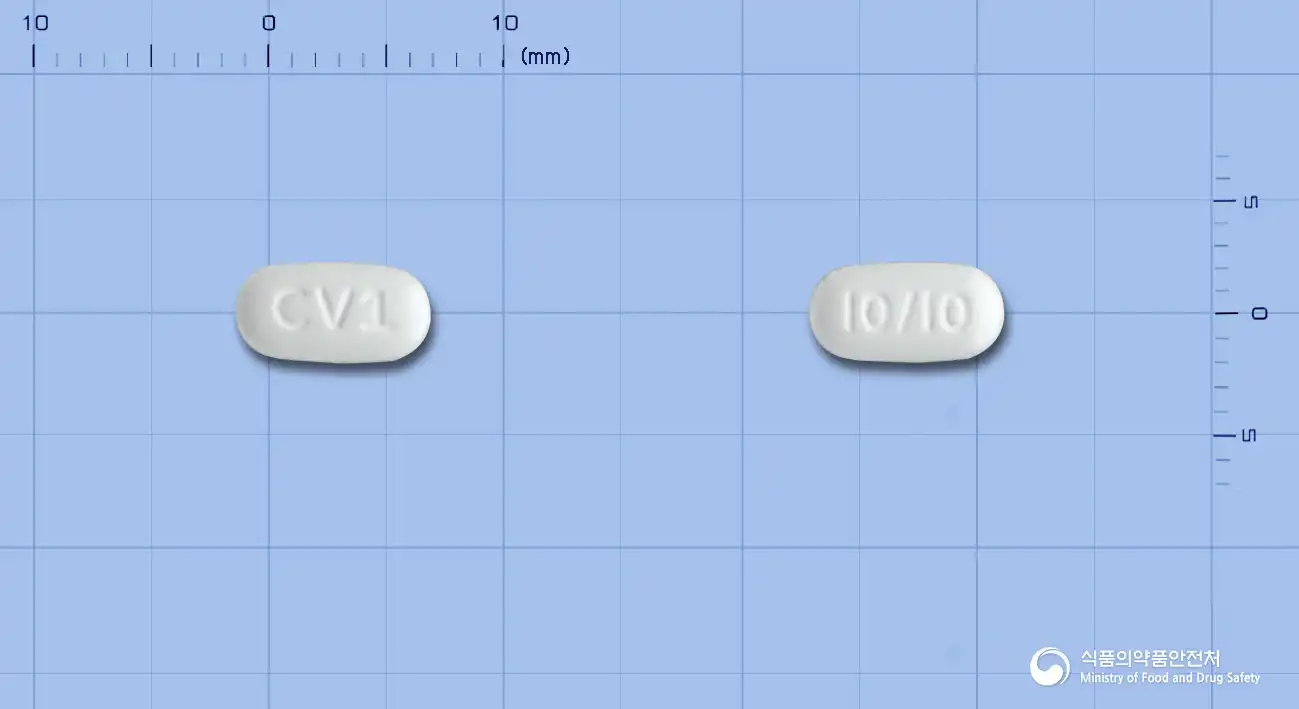
Simroks A Tablet
Ezetimibe 10mg · Simvastatin 10mg
Tablet · Prescription medication · Combination
HanKook Pavis Pharmaceutical Co., Ltd.
MFDS item code 201601727 · Approved 2016.03.31
Improvement of cholesterol and lipid levels in hypercholesterolemia (primary, homozygous familial) and mixed hyperlipidemia
This medication helps lower elevated total cholesterol, LDL cholesterol, apolipoprotein B, and triglycerides in patients with primary hypercholesterolemia, while increasing good cholesterol, HDL cholesterol. It is particularly used as an adjunct to existing lipid-lowering treatments in patients with homozygous familial hypercholesterolemia or when other treatments are ineffective. This medication is effective when used with dietary modification and non-drug treatments that include restriction of saturated fats and cholesterol, aiming to reduce the risk of atherosclerotic vascular diseases caused by hypercholesterolemia. Additionally, before administration, it is important to check for other conditions that could cause dyslipidemia, such as diabetes or hypothyroidism, and treat them if necessary. If a patient experiences an acute cardiovascular event while hospitalized, it is important to quickly assess lipid levels to inform the treatment plan. This medication is used to improve lipid levels related to hypercholesterolemia to reduce the risk of cardiovascular disease.
This medication is administered once daily in the evening, regardless of meals. The dosage range for patients with primary hypercholesterolemia is 10/10mg to 10/40mg per day, with a generally recommended starting dose of 10/20mg per day. Patients who require less reduction in LDL cholesterol may start with 10/10mg once daily. After starting treatment or adjusting the dosage, blood lipids should be checked after an interval of more than 4 weeks.
This medication may cause serious muscle-related side effects, such as myopathy and rhabdomyolysis. These side effects can manifest as muscle pain, muscle tenderness, and muscle weakness, accompanied by significantly elevated creatine kinase levels in the blood. The risk is particularly heightened with high doses, so patients taking 80mg should exercise extra caution. If any unusual muscle symptoms occur, the patient must inform their physician immediately and discontinue the medication if necessary. This medication should not be used by patients with allergies to its ingredients, those with active liver disease or persistent liver function abnormalities, or women who are pregnant or breastfeeding. Additionally, the risk of myopathy increases when taken with certain powerful medications, so they should not be taken together. This medication may affect liver function; therefore, patients with abnormal liver function test results should use it with caution, and regular liver function tests are necessary during therapy. Elderly patients or those with impaired kidney function may also have an increased risk of muscle-related side effects while taking this medication and should be monitored closely. During the use of this medication, if unexplained muscle pain, weakness, or tenderness occurs, the patient must inform healthcare personnel immediately and should also notify if they are prescribed any new medications. Women of childbearing potential should avoid pregnancy while taking this medication, and should discontinue it immediately if pregnancy is confirmed. Moreover, this medication can increase blood concentration when taken with certain enzyme-inhibiting drugs, raising the risk of side effects, so patients must consult with their physician about any concomitant medications. Data regarding the safety of this medication in children and adolescents is limited, therefore it is not recommended for children under 10 years of age. There is no specific antidote for overdose; therefore, if overdose is suspected, the patient should seek appropriate treatment at a medical facility immediately.
Urticaria, severe swelling (edema), tightness in the chest, difficulty breathing, cold sweat, paleness, anaphylaxis, angioedema, severe skin reactions (rash, drug-induced hypersensitivity syndrome, toxic epidermal necrolysis, erythema multiforme), myopathy, rhabdomyolysis, liver abnormalities (jaundice, hepatitis, liver dysfunction, liver failure), pancreatitis, severe neurological symptoms (seizures, confusion, visual disturbances, paralysis), thrombocytopenia, respiratory problems (dyspnea
Headache, diarrhea, flu-like symptoms, upper respiratory infection, muscle pain, limb pain, fatigue, nausea, abdominal pain, constipation, upper abdominal pain, vomiting, chest pain, chest discomfort, sensory decrease, sore throat, nocturia, hematuria, itching, alopecia, dizziness, insomnia, dyspepsia, mucous stool, irritable bowel syndrome, asthenia, urticaria, increased serum creatine phosphokinase (CPK), weight loss
Not everyone experiences these, and they can vary from person to person.
This medication is sensitive to air and moisture, so it should be stored in a tightly sealed container. Temperature should be maintained at room temperature between 1 to 30 degrees Celsius. This will help maintain the medication's effectiveness and safety over time.
White to light yellow, double convex, rectangular tablet
30 tablets (10 tablets/PTP x 3)
Even with the same ingredient, strength, dosage form and how it is taken can differ.
Viewing nowCombinationEzetimibe 10mg · Simvastatin 10mg
Tablet · Prescription medication · Combination
HanKook Pavis Pharmaceutical Co., Ltd.
 Combination
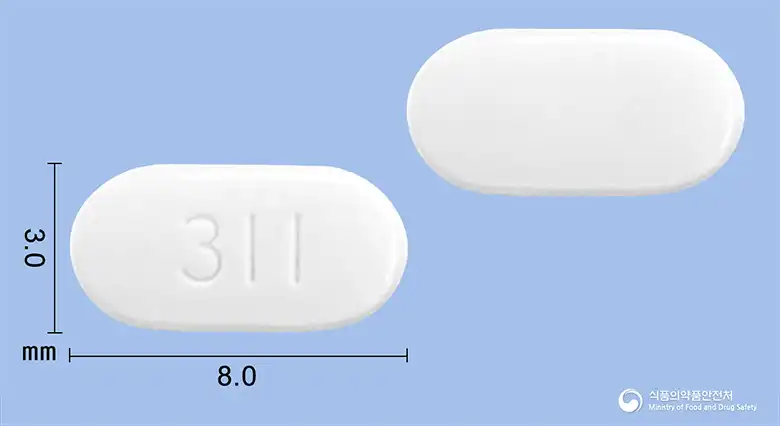
Simvastatin 10mg · Ezetimibe 10mg
Tablet · Prescription medication · Combination
Korea Organon Co., Ltd.
 Combination
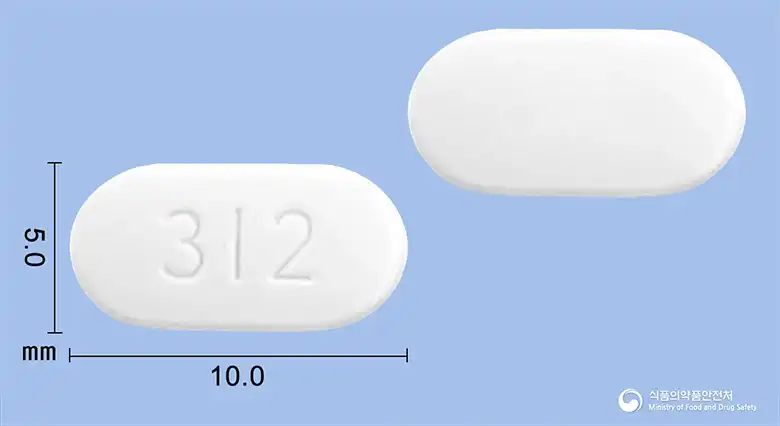
Simvastatin 20mg · Ezetimibe 10mg
Tablet · Prescription medication · Combination
Korea Organon Co., Ltd.
 Combination
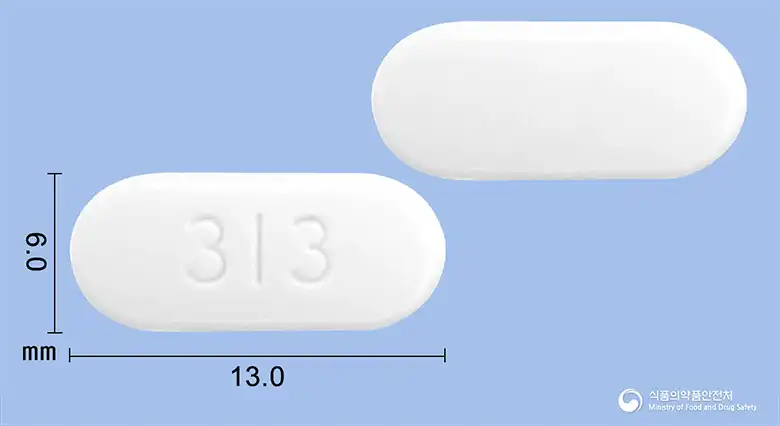
Simvastatin 40mg · Ezetimibe 10mg
Tablet · Prescription medication · Combination
Korea Organon Co., Ltd.
Ezetimibe 10mg · Simvastatin 10mg
Tablet · Prescription medication · Combination
Boryung Pharmaceutical Co., Ltd.
Ezetimibe 10mg · Simvastatin 20mg
Tablet · Prescription medication · Combination
Boryung Pharmaceutical Co., Ltd.
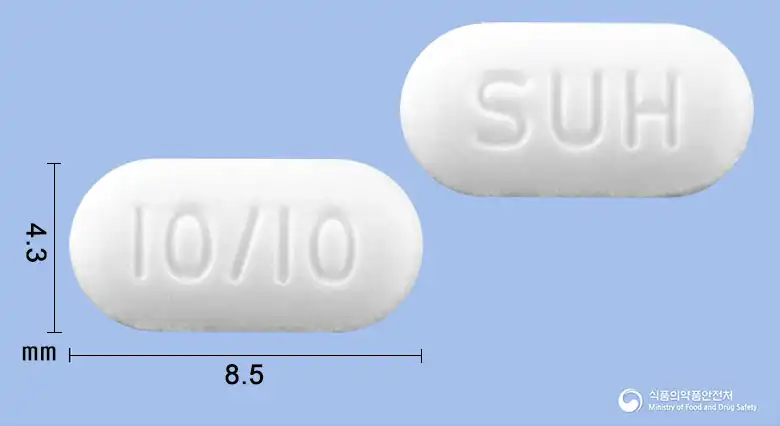 Combination
Ezetimibe 10mg · Simvastatin 10mg
Tablet · Prescription medication · Combination
Suhung Co., Ltd.
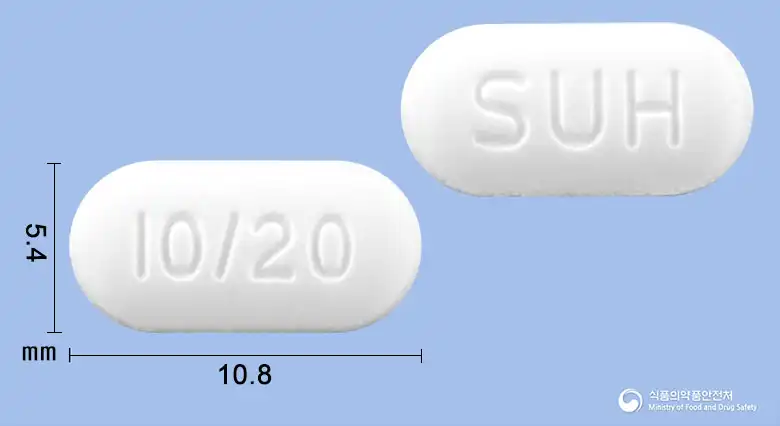 Combination
Ezetimibe 10mg · Simvastatin 20mg
Tablet · Prescription medication · Combination
Seohung Co., Ltd.
Even with the same ingredient, the dose and directions can differ by strength and dosage form. Talk to a doctor or pharmacist before switching from a medication you are already taking.
No questions yet.
For anything that needs medical judgment, consult a doctor or pharmacist.
This drug information is based on data provided by the Korea Ministry of Food and Drug Safety.
Consult a doctor or pharmacist for accurate dosage, administration, and usage instructions.