
 한국어
한국어 English
 日本語
日本語 中文(简体)
 Viewing now
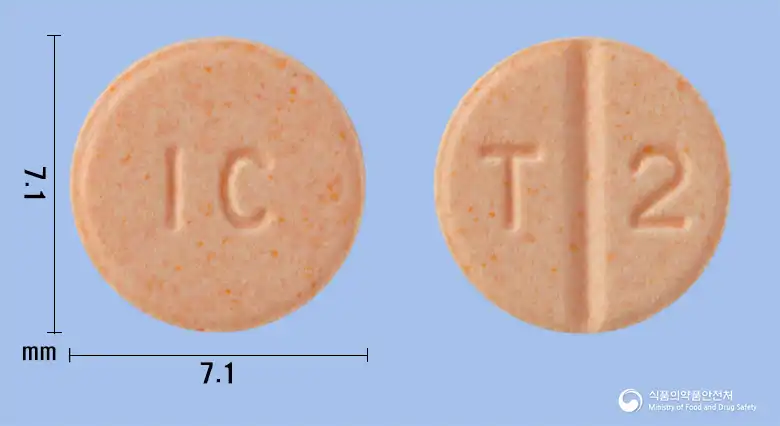
Terazone Tablet 2mg (Terazosin Hydrochloride Hydrate)
Terazosin Hydrochloride Hydrate 2.374mg
Tablet · Prescription medication
IQUR Co., Ltd.
MFDS item code 201601554 · Approved 2016.03.17 · Insurance code 674400720
Improvements in urinary disorders and hypertension due to benign prostatic hyperplasia
This medication is used for treating urinary disorders caused by benign prostatic hyperplasia and mild to moderate hypertension.
1. Urinary disorders due to benign prostatic hyperplasia - Initial dose: 1mg of Terazosin hydrochloride taken orally before bedtime, and should not exceed this dose. - Maintenance dose: Slowly increase until symptoms improve, taking 5-10mg orally once daily. - When used in combination with diuretics or other antihypertensives, reduce the dose and increase as needed. 2. Hypertension - Initial dose: 1mg taken orally before bedtime.
This medication contains an alpha-blocker component, which is used to lower blood pressure and alleviate urinary disorders related to prostate enlargement. This medication should not be used in individuals with hypersensitivity to alpha-blockers or in children under 12 years of age. It also contains lactose, so patients with lactose intolerance or related genetic disorders should avoid taking it. Patients with severe liver or kidney dysfunction, history of orthostatic hypotension, or cardiovascular diseases should use this medication cautiously. Caution is also advised for individuals allergic to Tartrazine, which is included in this medication. Dizziness or fainting may occur during treatment, so special attention should be paid particularly when starting the medication or adjusting the dosage. When standing up suddenly after taking this medication, there is a risk of dizziness or fainting, therefore moving slowly is recommended. This medication helps alleviate symptoms of benign prostatic hyperplasia, but if symptoms do not improve, other treatments should be sought. Since symptoms may resemble prostate cancer, it is essential to check for cancer before treatment. You must inform your doctor about this medication before cataract surgery, as it may cause issues with the iris during the procedure. There are generally few drug interactions when using this medication with others, but caution should be taken as the blood pressure-lowering effect may increase. Women who are pregnant or might become pregnant should carefully weigh the risks and benefits of using this medication, and it is advisable to avoid its use during breastfeeding or to stop breastfeeding. Safety and effectiveness in children have not been established, so it is recommended to avoid use in this age group. Elderly patients should start with a low dose and use cautiously to prevent excessive hypotension. In case of overdose, severe hypotension and heart rate abnormalities may occur, necessitating immediate medical attention, and dialysis will not be effective. This medication should be kept out of reach of children, and it is safer not to transfer it to another container.
Not everyone experiences these, and they can vary from person to person.
This medication may be sensitive to air and moisture, so it should be stored in a tightly sealed container. The recommended storage temperature is between 1 degree to 30 degrees Celsius at room temperature to safely maintain the medication's effectiveness.
Light orange to yellow round tablets
30 tablets, 300 tablets
Even with the same ingredient, strength, dosage form and how it is taken can differ.
Viewing nowTerazosin Hydrochloride Hydrate 2.374mg
Tablet · Prescription medication
IQUR Co., Ltd.
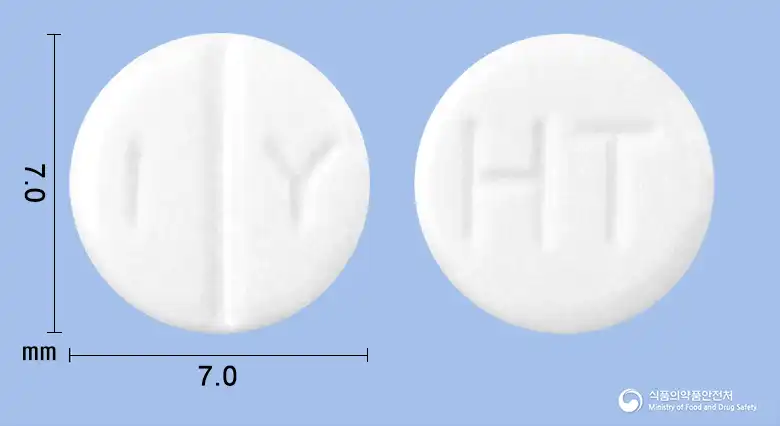
Terazosin Hydrochloride Hydrate 1.187mg
Tablet · Prescription medication
Il Yang Pharmaceutical Co., Ltd.
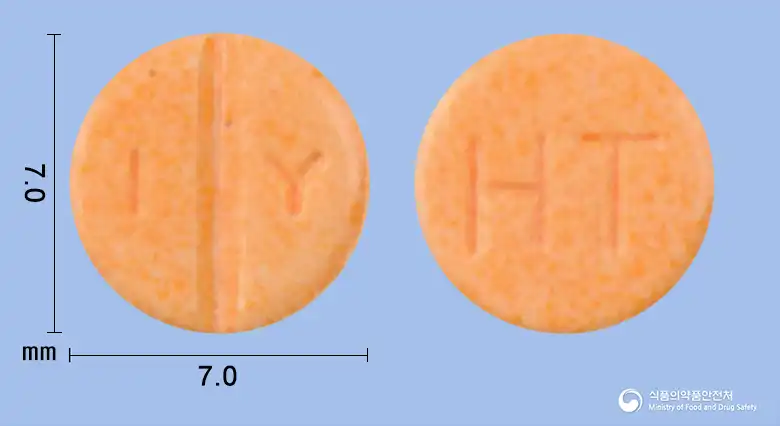
Terazosin Hydrochloride Hydrate 2.374mg
Tablet · Prescription medication
Il Yang Pharmaceutical Co., Ltd.
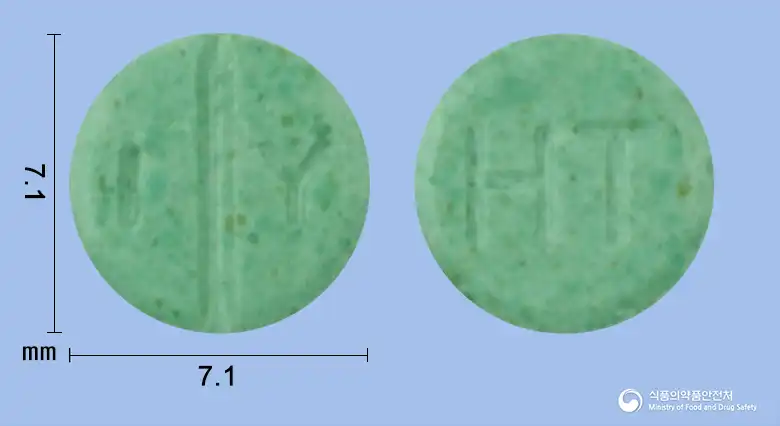
Terazosin Hydrochloride Hydrate 5.935mg
Tablet · Prescription medication
Il Yang Pharmaceutical Co., Ltd.
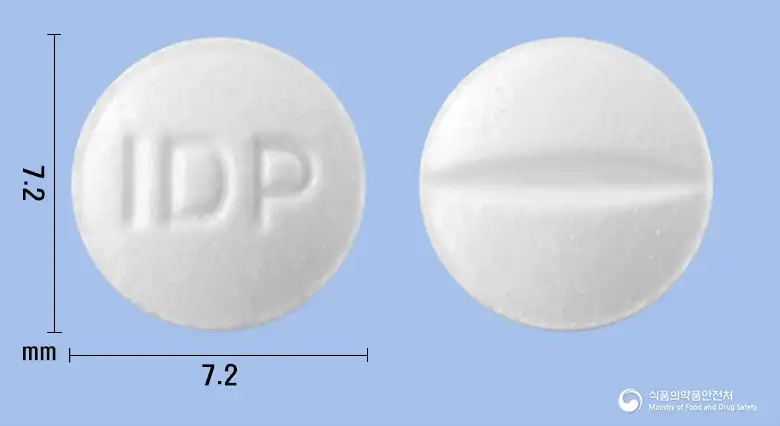
Terazosin Hydrochloride Hydrate 2.374mg
Tablet · Prescription medication
Il Dong Pharmaceutical Co., Ltd.
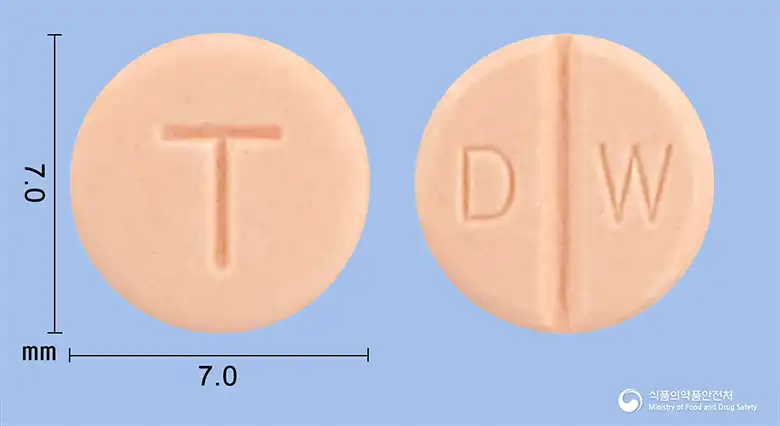
Terazosin Hydrochloride Hydrate 2.374mg
Tablet · Prescription medication
Daewon Pharmaceutical Co., Ltd.
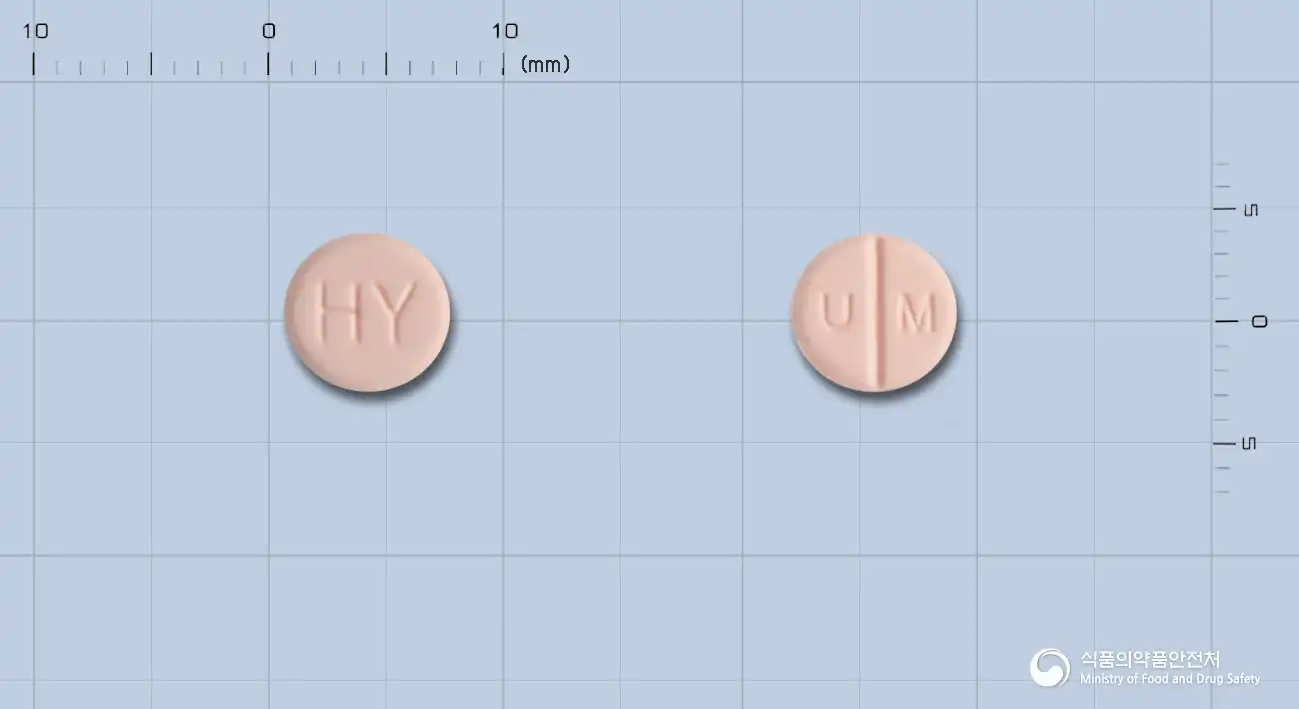
Terazosin Hydrochloride Hydrate 2.374mg
Tablet · Prescription medication
Unimed Pharmaceutical Co., Ltd.
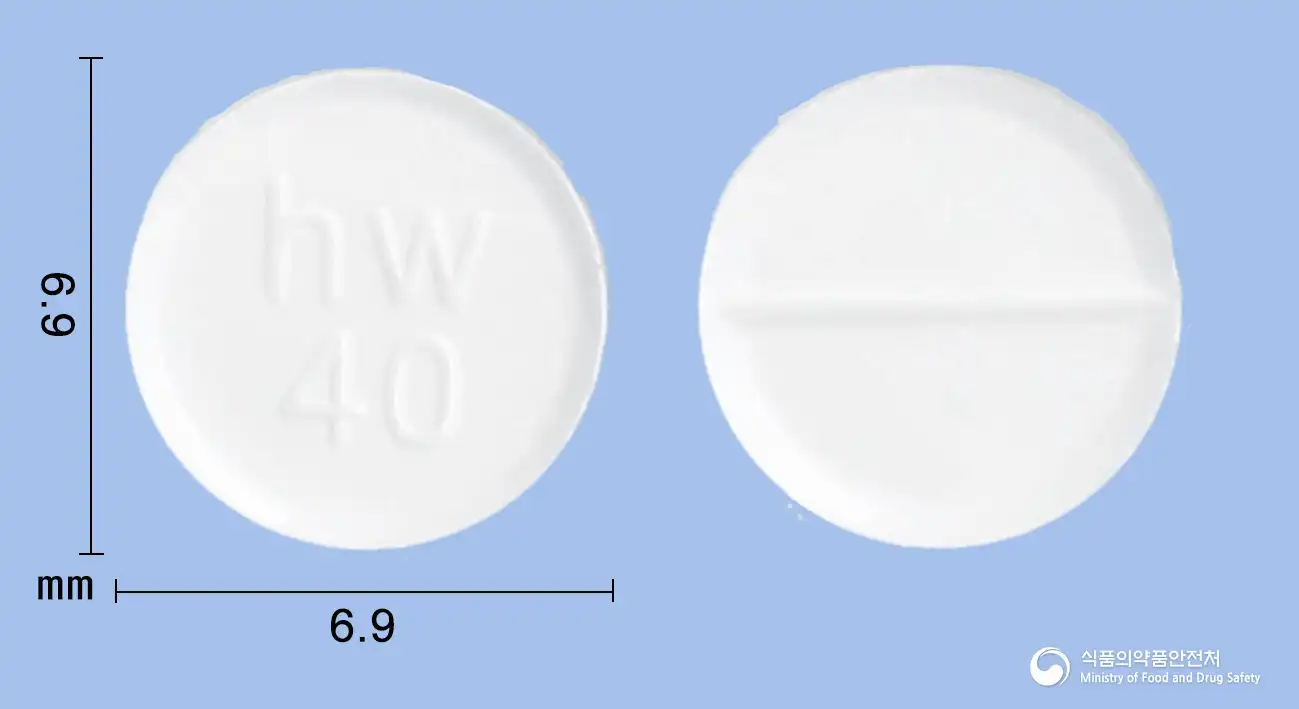
Terazosin Hydrochloride Hydrate 2.374mg
Tablet · Prescription medication
(Hawon Pharmaceutical Co., Ltd.)
Even with the same ingredient, the dose and directions can differ by strength and dosage form. Talk to a doctor or pharmacist before switching from a medication you are already taking.
No questions yet.
For anything that needs medical judgment, consult a doctor or pharmacist.
This drug information is based on data provided by the Korea Ministry of Food and Drug Safety.
Consult a doctor or pharmacist for accurate dosage, administration, and usage instructions.