
 한국어
 English
 日本語
 中文(简体)
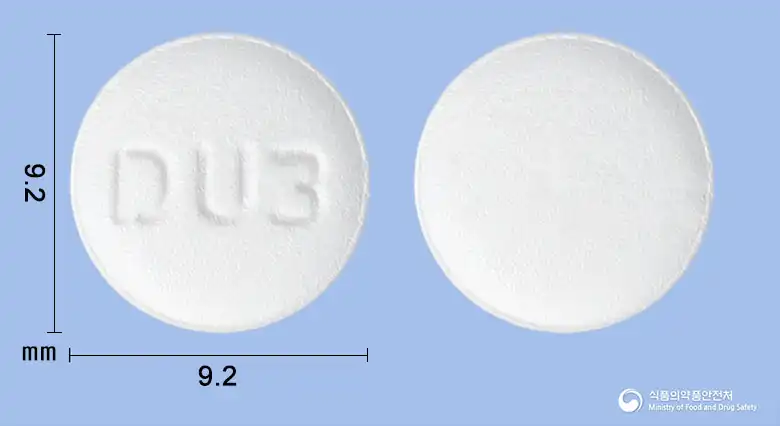 Viewing nowCombination
Dulorban Tablet 10/20 mg (Ezetimibe, Rosuvastatin Calcium)
Ezetimibe 10mg · Rosuvastatin Calcium 20.8mg
Tablet · Prescription medication · Combination
Kyung Dong Pharmaceutical Co., Ltd.
MFDS item code 201601224 · Approved 2016.02.29 · Insurance code 648103730
Improvement of primary hypercholesterolemia and mixed dyslipidemia
This medication is primarily used as a lipid-lowering agent in patients with primary hypercholesterolemia, including familial and non-familial hypercholesterolemia, and mixed dyslipidemia. It lowers elevated total cholesterol, LDL-cholesterol, apolipoprotein B, triglycerides, and non-HDL cholesterol levels while increasing levels of HDL-cholesterol, the 'good' cholesterol in the blood. Furthermore, when administered to patients at high risk of atherosclerotic vascular disease due to hypercholesterolemia, comprehensive consideration of various risk factors is necessary, and co-administration with an appropriate diet can yield the best results. This medication is used as an adjunct when there is inadequate response to dietary measures such as saturated fat and cholesterol restriction and other non-drug interventions. It is essential to identify and appropriately treat other underlying conditions related to dyslipidemia before treatment. This medication helps effectively control lipid levels, thus reducing the risk of cardiovascular diseases.
This medicine is administered once daily, regardless of meals. Patients should continue to follow a standard cholesterol-lowering diet before and during treatment with this medicine. The dose should be adjusted according to the patient's baseline LDL cholesterol level, recommended treatment target, and response. Primary hypercholesterolemia The dose range is 10/5mg to 10/20mg once daily. The recommended initial dose is 10/5mg once daily. The dose may be adjusted for patients who require a greater reduction in LDL cholesterol. After starting treatment or adjusting the dose, blood lipid levels should be checked at intervals of at least 4 weeks, and the dose adjusted accordingly. The dose may be increased to a maximum of 10/20mg once daily. Patients taking ezetimibe and rosuvastatin concomitantly may switch to this medicine (a fixed-dose combination with the same amounts of each active ingredient) for convenience.
This medication contains two components: rosuvastatin and ezetimibe. Several precautions must be followed while taking this medication. First, this medication can rarely cause severe muscle damage, known as rhabdomyolysis, which may lead to kidney function issues. Therefore, if severe muscle pain or weakness occurs, you should immediately consult a physician. Second, this medication should not be administered to individuals with specific diseases. For instance, individuals allergic to any of its components or those with liver disease, muscle disease, severe kidney dysfunction, or women who are pregnant or breastfeeding should not take this medication. Third, individuals with alcohol dependence, poor liver function, elderly patients, those with hypothyroidism, or those with a history of muscle-related drug side effects should use this medication cautiously and regularly check blood tests and muscle conditions as instructed by their doctors. Fourth, side effects like liver dysfunction, muscle pain, headache, indigestion may occur during the course of taking this medication, so any symptoms should prompt consultation with healthcare providers. Fifth, there may be interactions with other medications, so inform your doctor or pharmacist of any other medications you are taking, especially if you are using anticoagulants, fibrates, or cyclosporine, as caution is needed in these cases. Sixth, pregnant women or those planning to become pregnant should not take this medication, and if pregnancy is confirmed while on this medication, it should be discontinued immediately and consult a doctor. Finally, children, adolescents, elderly patients, and those with impaired liver or kidney function must always consult with a specialist before taking this medication and adhere strictly to the prescribed dosages and regimens. This medication requires regular testing and close monitoring before and during treatment. Therefore, follow your doctor's directions closely and report any unusual symptoms immediately.
Acute renal failure due to myoglobinuria, rhabdomyolysis, nasopharyngitis, arthralgia, headache, elevated ALT, elevated AST, myalgia, edema, elevated serum bilirubin, acneiform dermatitis, pruritus, dizziness, upper respiratory infection, chest pain, facial edema, strange sensation, drug intolerance, colorectal polyps, irritable bowel syndrome, esophagitis, drowsiness, neurodegenerative disorders, orthostatic dizziness, migraine, diabetes, impaired glucose tolerance, depression, bronchitis, rhinitis, cystitis, tinea unguium, cellulitis, hepatic steatosis, liver dysfunction, hepatotoxicity, acute hepatitis, toxic hepatitis, increased gamma-glutamyl transferase, increased blood cholesterol, increased alkaline phosphatase, irregular heart rate, osteoarthritis, osteoporosis, musculoskeletal stiffness, musculoskeletal discomfort, muscle weakness, diaphoresis, dermatitis, skin burning sensation, skin disorders, alopecia, oropharyngeal pain, nasal congestion, respiratory disorders, pelvic pain, breast cysts, ptosis, diabetic retinopathy, ear discomfort, kidney dysfunction, benign esophageal neoplasm, thrombocytopenia, jaundice, hepatitis, increased transaminases, Stevens-Johnson syndrome, drug reaction with eosinophilia and systemic symptoms, lupus-like syndrome, muscle rupture, immune-mediated necrotizing myopathy, hematuria, edema, sleep disorders, interstitial lung disease, sexual dysfunction, gynecomastia, post-marketing cognitive impairment, memory decline, forgetfulness, amnesia, memory disorders, confusion, myasthenia gravis, ocular myasthenia, constipation, nausea, abdominal pain, pancreatitis, pruritus, rash, urticaria, weakness, fatigue, numbness, paresthesia, chest discomfort, anorexia, abdominal distention, syncope, generalized pain, muscle cramps, gout, erectile dysfunction, headache, abdominal pain, diarrhea, fatigue, bloating, nausea, increased AST, myalgia, pharyngitis, sinusitis, cough, chest pain, chest discomfort, systemic edema, diabetic neuropathy, tremors, upper abdominal pain, vomiting, gastritis, dry mouth, epigastric discomfort, belching, gastrointestinal disturbances, gastroesophageal reflux disease, tongue disorders, palpitations, congestive heart failure, myocardial ischemia, flushing, sputum, rhinorrhea, limb pain, arthralgia, hypoglycemia, anemia, splenomegaly, urticaria, hyperhidrosis, conjunctival congestion, renal failure, liver dysfunction, increased serum creatinine, elevated blood pressure, increased serum urea, increased CPK, abnormal liver function tests
Not everyone experiences these, and they can vary from person to person.
This medication must be stored in a tightly closed container to prevent exposure to air or moisture. It is important to maintain a storage temperature between 1 degree and 30 degrees Celsius.
White to almost white, round film-coated tablets
30 tablets (10 tablets/Alu-Alu x 3)
Even with the same ingredient, strength, dosage form and how it is taken can differ.
Viewing nowCombinationEzetimibe 10mg · Rosuvastatin Calcium 20.8mg
Tablet · Prescription medication · Combination
Kyung Dong Pharmaceutical Co., Ltd.
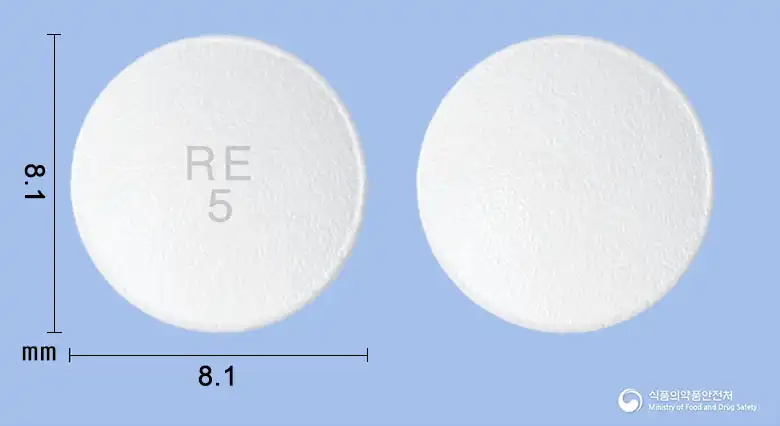 Combination
Rosuvastatin Calcium 5.2mg · Ezetimibe 10mg
Tablet · Prescription medication · Combination
Myungmoon Pharmaceutical Co., Ltd.
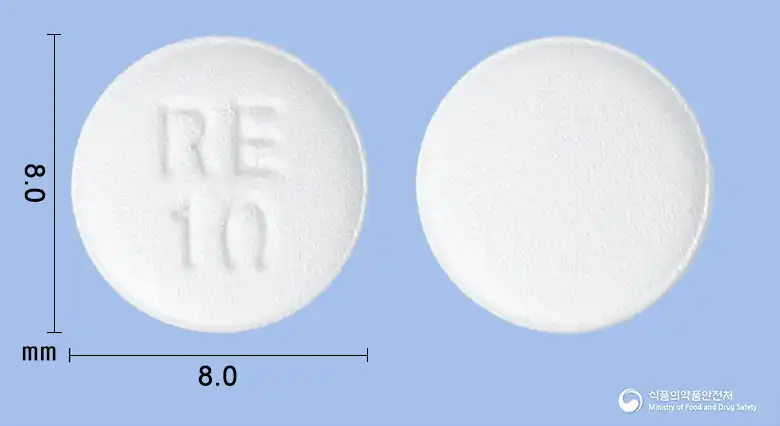 Combination
Rosuvastatin Calcium 10.4mg · Ezetimibe 10mg
Tablet · Prescription medication · Combination
Myungmoon Pharmaceutical Co., Ltd.
 Combination
Rosuvastatin Calcium 20.8mg · Ezetimibe 10mg
Tablet · Prescription medication · Combination
Myeongmun Pharmaceutical Co., Ltd.
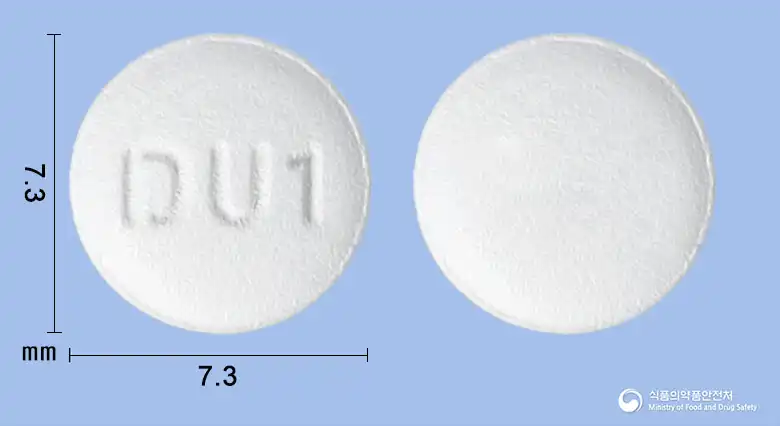 Combination
Ezetimibe 10mg · Rosuvastatin Calcium 5.2mg
Tablet · Prescription medication · Combination
Kyungdong Pharmaceutical Co., Ltd.
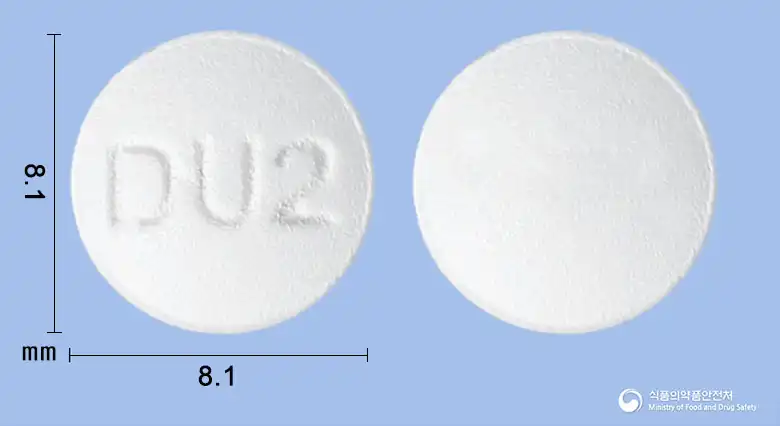 Combination
Ezetimibe 10mg · Rosuvastatin Calcium 10.4mg
Tablet · Prescription medication · Combination
Kyungdong Pharm. Co., Ltd.
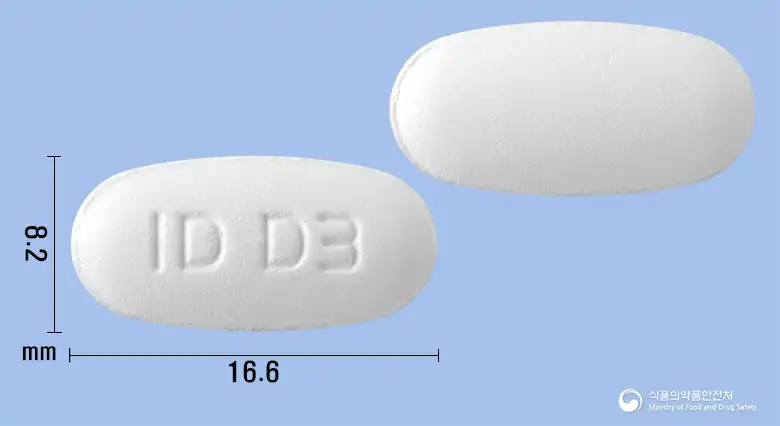 Combination
Ezetimibe 10mg · Rosuvastatin Calcium 20.8mg
Tablet · Prescription medication · Combination
Ildong Pharmaceutical Co., Ltd.
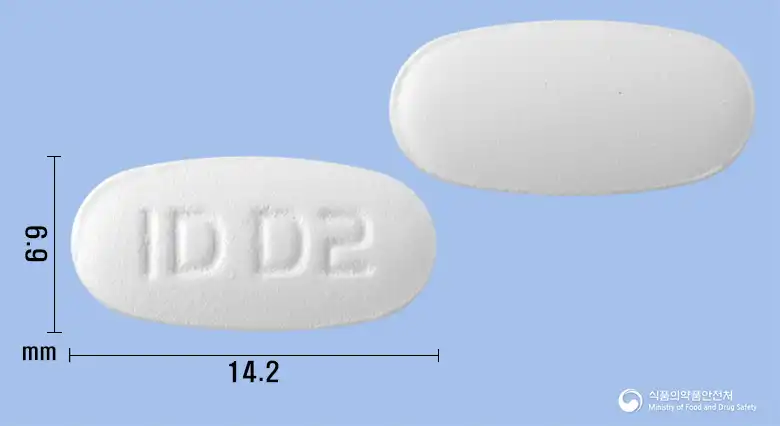 Combination
Ezetimibe 10mg · Rosuvastatin Calcium 10.4mg
Tablet · Prescription medication · Combination
IlDong Pharmaceutical Co., Ltd.
Even with the same ingredient, the dose and directions can differ by strength and dosage form. Talk to a doctor or pharmacist before switching from a medication you are already taking.
No questions yet.
For anything that needs medical judgment, consult a doctor or pharmacist.
This drug information is based on data provided by the Korea Ministry of Food and Drug Safety.
Consult a doctor or pharmacist for accurate dosage, administration, and usage instructions.