
 한국어
한국어 English
 日本語
日本語 中文(简体)
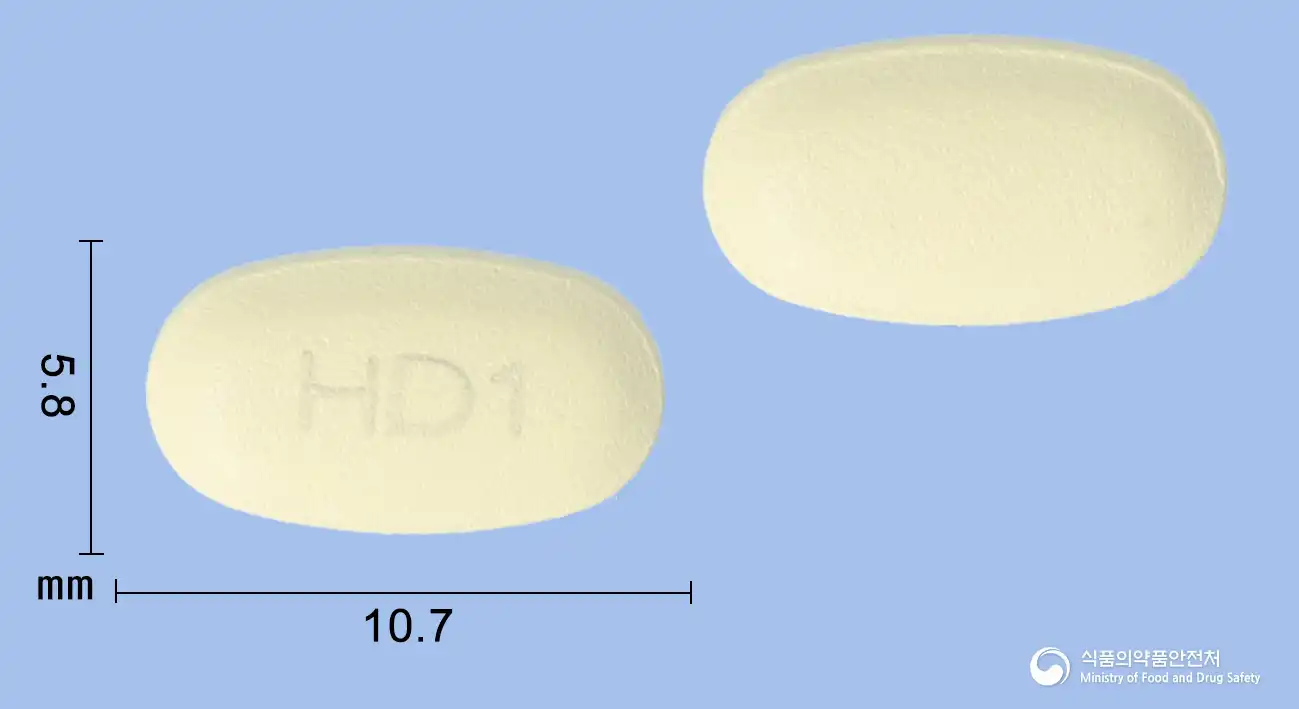 Viewing nowCombination
Roitimib Tablets 10/5 mg
Ezetimibe 10mg · Rosuvastatin Calcium Micronized 5.2mg
Tablet · Prescription medication · Combination
Hyundai Pharmaceutical Co., Ltd.
MFDS item code 201601200 · Approved 2016.02.29 · Insurance code 642003770
Improvement of lipid levels in hypercholesterolemia (primary, mixed type) and suppression of the risk for atherosclerotic vascular disease
This medication is used to improve cholesterol and related lipid levels in patients with primary hypercholesterolemia, heterozygous familial and non-familial, and mixed dyslipidemia. Specifically, it lowers total cholesterol, LDL-cholesterol, apolipoprotein B, triglycerides, and non-HDL-cholesterol while increasing HDL-cholesterol. This medication is used in conjunction with non-pharmacological treatments such as dietary therapy when dietary therapy alone is not effective enough. Additionally, a more cautious approach is necessary in cases where there is a high risk of atherosclerotic vascular disease due to hypercholesterolemia. Prior to administration, secondary causes such as diabetes and hypothyroidism should be identified and treated, and treatment efficacy should be evaluated through lipid testing. Treatment should be initiated at an appropriate time based on the patient's condition to effectively manage lipid levels.
Take this medication once daily regardless of meals. The dosage range is between 10/5 mg to 10/20 mg per day. A starting dose of 10/5 mg per day is recommended. In patients who require a greater reduction in LDL-cholesterol, the dosage can be adjusted accordingly. After starting treatment or after adjusting the dose, lipid levels in the blood should be checked at intervals of more than 4 weeks, and the dosage should be adjusted accordingly. Maximum daily dose is 1
This medication can cause a rare side effect that affects the muscles known as rhabdomyolysis; thus, if serious muscle pain or weakness symptoms occur, it is essential to inform a doctor immediately. Before taking this medication, liver function tests and muscle enzyme levels should be checked, and if abnormalities are found, treatment may need to be adjusted or discontinued. This medication should not be administered to patients with active liver disease or persistent unexplained elevation of liver enzymes. In patients with severe renal impairment, a history of muscle disease, or when used in combination with certain drugs, careful administration or avoidance of this medication is recommended. Pregnant women or those likely to become pregnant, as well as nursing mothers, should not use this medication, and women of childbearing age should use appropriate contraceptive methods while on this medication. This medication contains lactose, so patients with lactose intolerance should avoid it. Patients with a history of alcohol addiction or liver disease, the elderly, and those with hypothyroidism should exercise caution when taking this medication. There may be interactions with other medications, particularly when used in conjunction with anticoagulants, fibric acid derivatives, and certain antibiotics; consultation with a physician is advised in such cases. During the use of this medication, if symptoms such as muscle pain, fatigue, or fever occur, it is crucial to inform healthcare professionals immediately and undergo testing. There may be central nervous system symptoms such as dizziness or headaches, so caution is advised when driving or operating machinery. This medication is not recommended for children, and in the elderly, it should be administered cautiously without dose adjustment. In cases of overdose, there is no specific antidote, and appropriate treatment and supportive care should be provided based on symptoms while periodically monitoring liver function and muscle enzyme levels. This medication should be kept out of reach of children, and it should not be transferred to another container.
Urticaria, edema, chest tightness, shortness of breath, cold sweat, pallor, severe rash with high fever, blisters, skin peeling, pain in oral/ocular mucosa, breathlessness or difficulty breathing, asthma attacks, respiratory distress accompanied by cough and fever, jaundice of the skin or eyes, generalized malaise, sudden and severe headache, thunderclap headache, seizures, confusion, vision disturbances, paralysis, significantly reduced urine output, elevated blood pressure, blood disorders
Not everyone experiences these, and they can vary from person to person.
This medication should be stored in a tightly sealed container to avoid exposure to air or moisture. The recommended storage temperature is room temperature, between 1 to 30 degrees Celsius. This helps to maintain the medication's effectiveness and safety over time.
Pale yellow rectangular film-coated tablet
30 tablets/box [10 tablets/PTP x 3]
Even with the same ingredient, strength, dosage form and how it is taken can differ.
Viewing nowCombinationEzetimibe 10mg · Rosuvastatin Calcium Micronized 5.2mg
Tablet · Prescription medication · Combination
Hyundai Pharmaceutical Co., Ltd.
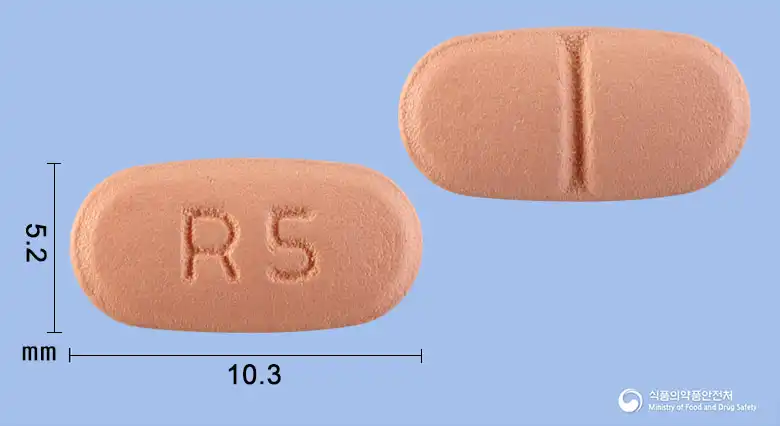 Combination
Rosuvastatin Calcium Micronized 5.2mg · Ezetimibe 10mg
Tablet · Prescription medication · Combination
Daewoong Pharmaceutical Co., Ltd.
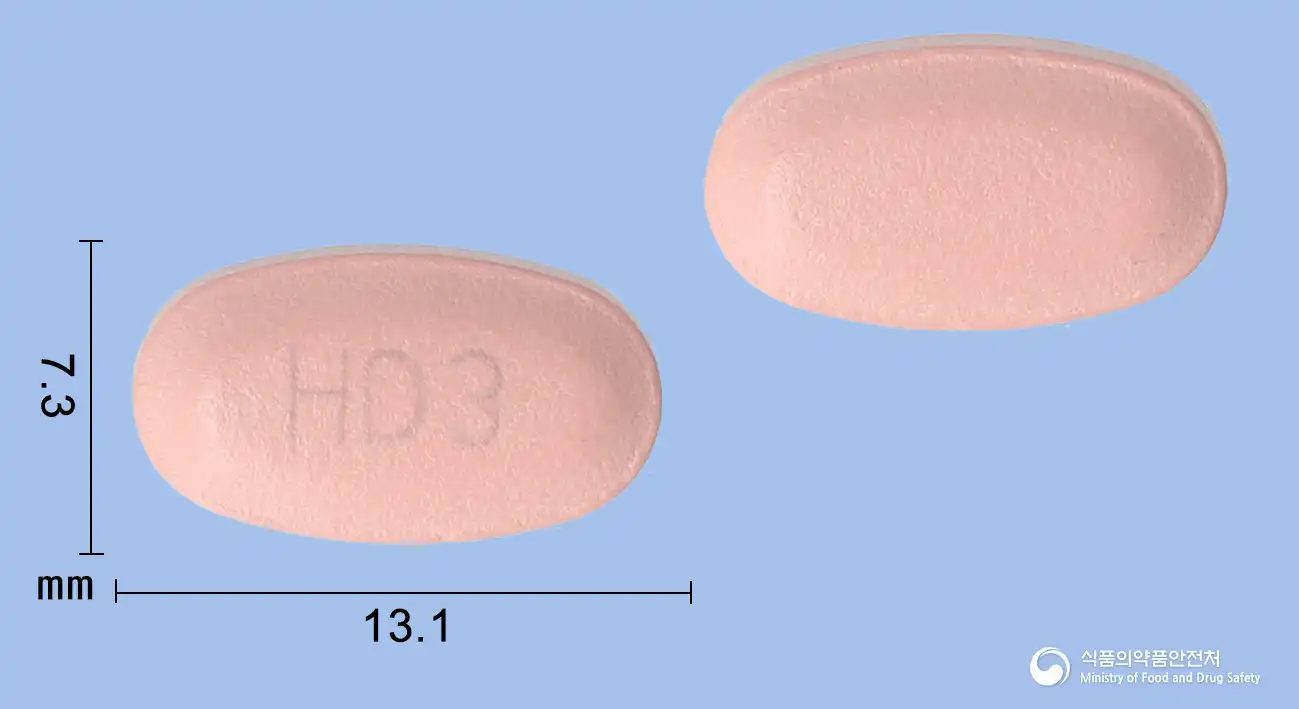 Combination
Ezetimibe 10mg · Rosuvastatin Calcium Micronized 20.8mg
Tablet · Prescription medication · Combination
Hyundai Pharmaceutical Co., Ltd.
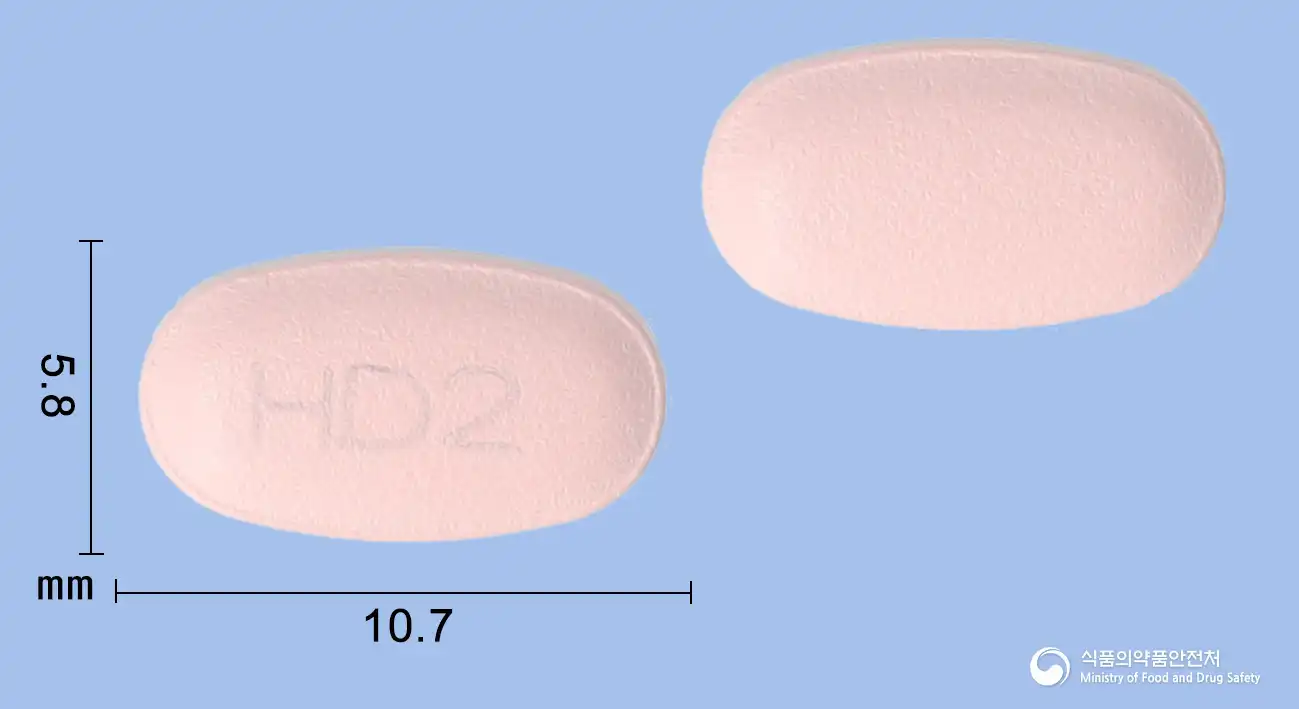 Combination
Ezetimibe 10mg · Rosuvastatin Calcium Micronized 10.4mg
Tablet · Prescription medication · Combination
Hyundai Pharmaceutical Co., Ltd.
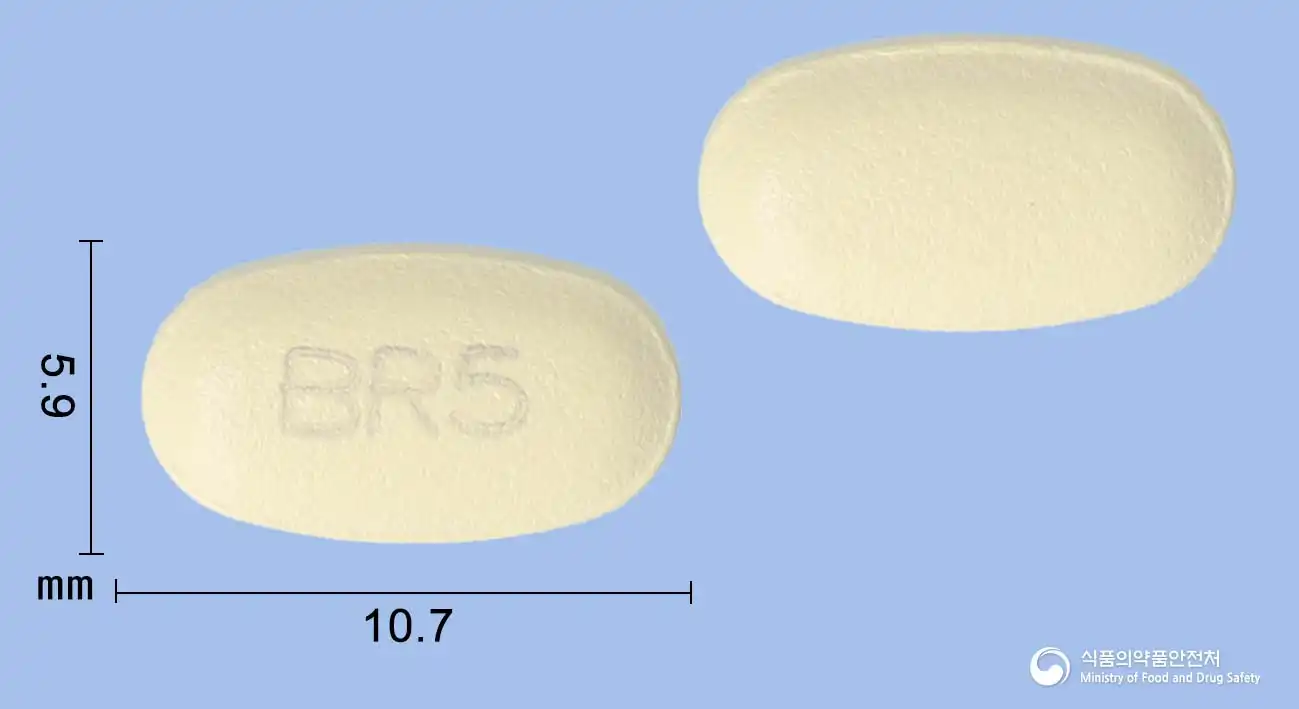 Combination
Ezetimibe 10mg · Rosuvastatin Calcium Micronized 5.2mg
Tablet · Prescription medication · Combination
Boryung Co., Ltd.
 Combination
Rosuvastatin Calcium Micronized 10.4mg · Ezetimibe 10mg
Tablet · Prescription medication · Combination
Boryung Pharmaceutical Co., Ltd.
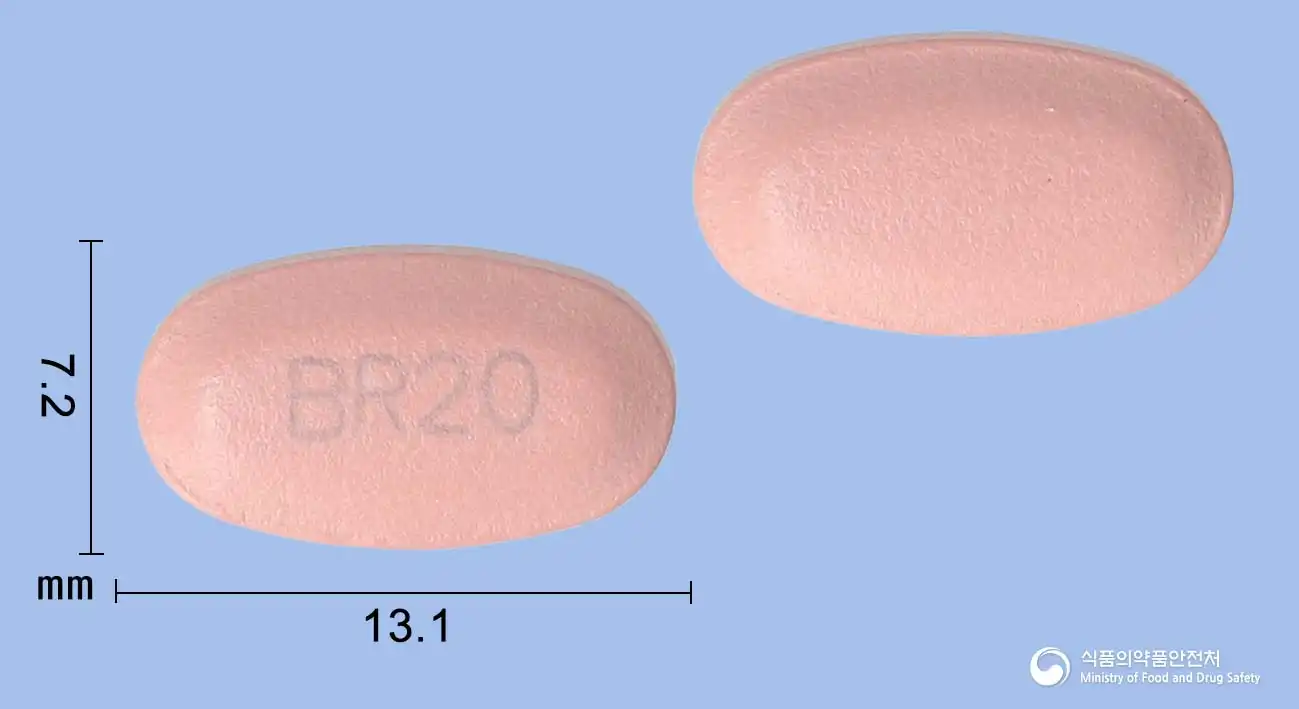 Combination
Rosuvastatin Calcium Micronized 20.8mg · Ezetimibe 10mg
Tablet · Prescription medication · Combination
Boryung Pharmaceutical Co., Ltd.
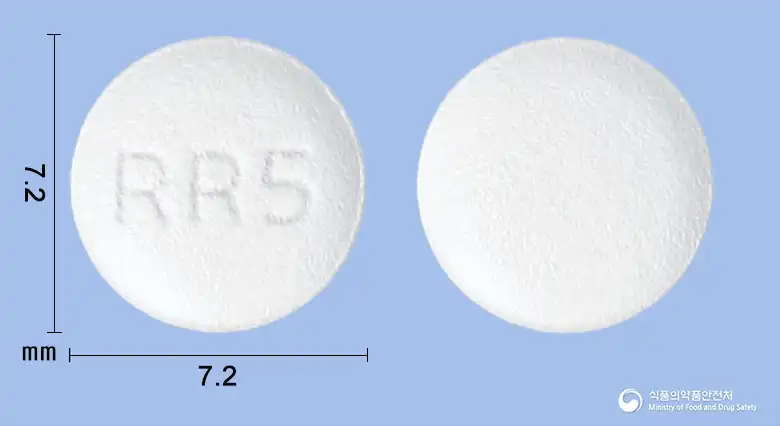 Combination
Rosuvastatin Calcium Micronized 5.2mg · Ezetimibe 10mg
Tablet · Prescription medication · Combination
Hana Pharmaceutical Co., Ltd.
Even with the same ingredient, the dose and directions can differ by strength and dosage form. Talk to a doctor or pharmacist before switching from a medication you are already taking.
No questions yet.
For anything that needs medical judgment, consult a doctor or pharmacist.
This drug information is based on data provided by the Korea Ministry of Food and Drug Safety.
Consult a doctor or pharmacist for accurate dosage, administration, and usage instructions.