
 한국어
 English
 日本語
 中文(简体)
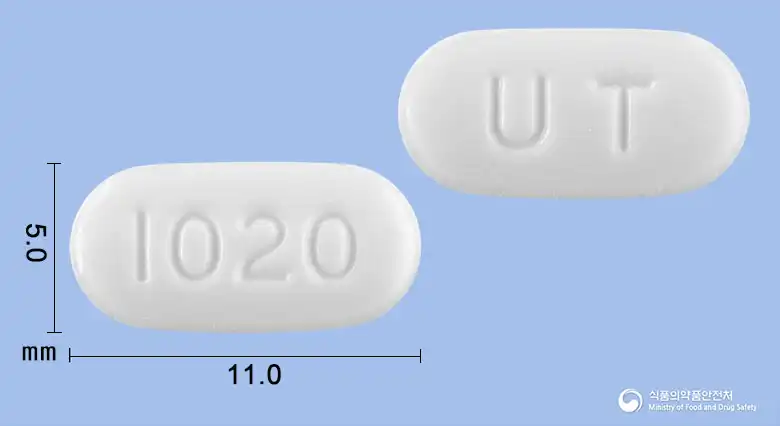 Viewing nowCombination
Simpax Duo Tablet 10/20mg
Ezetimibe 10mg · Simvastatin 20mg
Tablet · Prescription medication · Combination
Korea United Pharmaceutical Co., Ltd.
MFDS item code 201601116 · Approved 2016.02.26 · Insurance code 644309030
Improvement of hypercholesterolemia (primary and homozygous familial) and mixed dyslipidemia
This medication is used as an adjunct to dietary therapy to reduce total cholesterol, LDL-cholesterol, ApoB protein, and triglyceride levels while increasing HDL-cholesterol levels in patients with primary hypercholesterolemia and mixed hyperlipidemia. It is administered to homozygous familial hypercholesterolemia patients when other lipid-lowering therapies are not suitable or available. It is important to conduct appropriate dietary management during use and to verify and treat any secondary causes. This medication helps lower the risk of atherosclerotic vascular disease by improving blood lipid levels. Thus, it is used for the treatment of hypercholesterolemia and related lipid disorders.
Patients must follow a standard cholesterol-lowering diet before and during treatment with this medicine. The dose should be adjusted according to the patient's baseline LDL cholesterol level, recommended treatment goal, and response. This medicine is administered once daily in the evening, with or without food. Patients with primary hypercholesterolemia The dose range is 10/10mg~10/40mg once daily. The usual recommended starting dose is 10/20mg once daily. Patients who require less LDL cholesterol reduction may start at 10/10mg once daily. After starting this medicine or adjusting the dose, check blood lipid levels after an interval of at least 4 weeks and adjust the dose accordingly. Because of the increased risk of myopathy, including rhabdomyolysis, particularly during the first year of treatment, the 10/80 mg dose of this medicine should be used only in patients who have taken 10/80 mg of this medicine for 12 months or longer without evidence of muscle toxicity (see 1. Warnings under Precautions for Use). Patients with homozygous familial hypercholesterolemia The recommended dose for patients with homozygous familial hypercholesterolemia is 10/40mg once daily in the evening. This medicine is used as an adjunct to other lipid-lowering treatments (e.g., LDL apheresis) or when other lipid-lowering treatments are not useful. Administration in patients with hepatic impairment No dosage adjustment is necessary in patients with mild hepatic impairment; however, use of this medicine is not recommended in patients with moderate or severe hepatic impairment (see 5. General Precautions, Patients with Abnormal Liver Function under Precautions for Use). Administration in patients with renal impairment and chronic kidney disease No dosage adjustment is necessary in patients with mild renal impairment (estimated glomerular filtration rate (GFR) ≥ 60mL/min/1.73㎡). In patients with chronic kidney disease and an estimated glomerular filtration rate < 60mL/min/1.73㎡, administer 10/20mg once daily in the evening. Use caution and closely monitor these patients when administering higher doses of this medicine (see 5. General Precautions under Precautions for Use). Administration in elderly patients No dosage adjustment is necessary in elderly patients. Concomitant administration with other medicines (See 6. Interactions under Precautions for Use) Administer this medicine at least 2 hours before or 4 hours after a bile acid sequestrant. Patients receiving this medicine concomitantly with verapamil, diltiazem, or dronedarone should not exceed 10/10mg/day. Patients receiving this medicine concomitantly with amiodarone, amlodipine, or ranolazine should not exceed 10/20mg/day.
This drug is primarily used to lower blood cholesterol levels. While taking this medication, it is important to report any symptoms of muscle pain or weakness to your doctor immediately, as it may cause muscle abnormalities. Caution is especially needed when taking high doses or certain other medications, as the risk of muscle damage may increase. Patients with impaired liver function or liver disease should not take this medication, and regular liver function tests are important. Women who are pregnant or breastfeeding should not use this medication, and women of childbearing age should confirm their pregnancy status before use. Additionally, the risk of side effects may increase due to drug interactions when taken with certain medications, so you must inform your doctor or pharmacist of any other medications you are taking. This medication is limited in use among children and adolescents, and is not recommended for children under 10 years old. Older adults may respond sensitively to this medication, so caution is necessary during use. There is no specific antidote for overdose, so if an overdose occurs, you should immediately seek appropriate treatment from a medical facility.
Myopathy, rhabdomyolysis, elevated creatine kinase, headache, diarrhea, influenza, upper respiratory infection, myalgia, limb pain, fatigue, abdominal pain, viral infection, pharyngitis, sinusitis, arthralgia, lumbago, cough, anaphylaxis, urticaria, rash, angioedema, elevated liver aminotransferase levels, hepatitis, thrombocytopenia, nausea, pancreatitis, dizziness, paresthesia, depression, cholelithiasis, cholecystitis, mucocutaneous syndrome, toxic epidermal necrolysis, eosinophilia, drug reactions accompanied by systemic symptoms, erythema multiforme, drug-induced liver injury, weakness, cataracts, constipation, dyspepsia, flatulence, nausea, eczema, pruritus, rash, muscle cramps, specific cranial nerve dysfunction, taste disturbance, oculomotor dysfunction, facial incomplete paralysis, tremor, peripheral neuropathy, peripheral nerve paralysis, mental disorders, anxiety, sleep disorders, insomnia, nightmares, cognitive impairment, myasthenia gravis, ocular myasthenia, interstitial lung disease, lupus erythematosus-like syndrome, polymyositis, dermatomyositis, vasculitis, purpura, leukopenia, hemolytic anemia, positive antinuclear antibodies, increased erythrocyte sedimentation rate, arthritis, fever, chills, flushing, malaise, dyspnea, cholestatic jaundice, liver fat changes, cirrhosis, fulminant hepatic necrosis, liver cancer, liver failure, alopecia, various skin changes, lichen planus-like drug rash, gynecomastia, decreased libido, sexual dysfunction, ophthalmoplegia, anemia, elevated aminotransferases, increased ALP, elevated ɤ-GT, increased bilirubin levels, thyroid dysfunction, elevated serum creatine kinase, abnormal liver function test, increased HbA1c, increased fasting blood glucose levels, edema, thirst, facial swelling, syncope, insomnia, gastritis, atrophic gastritis, mucus stools, irritable bowel syndrome, sore throat, nocturia, hematuria, weight loss
Not everyone experiences these, and they can vary from person to person.
This medication is sensitive to air and moisture, so it must be stored in a tightly sealed container. Also, avoid storing the medication in excessively hot or cold conditions, and it is recommended to store it at room temperature between 1 degree and 30 degrees Celsius. Proper storage can help maintain the effectiveness of the drug for a longer period.
White rectangular tablets
30 tablets (10 tablets/PTPX3)
Even with the same ingredient, strength, dosage form and how it is taken can differ.
Viewing nowCombinationEzetimibe 10mg · Simvastatin 20mg
Tablet · Prescription medication · Combination
Korea United Pharmaceutical Co., Ltd.
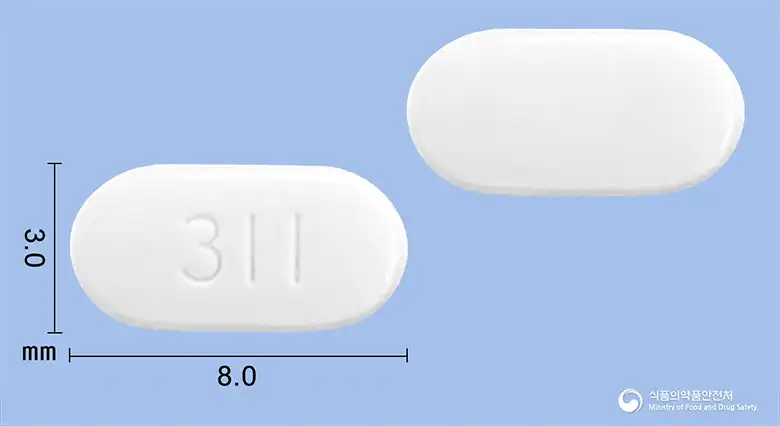 Combination
Simvastatin 10mg · Ezetimibe 10mg
Tablet · Prescription medication · Combination
Korea Organon Co., Ltd.
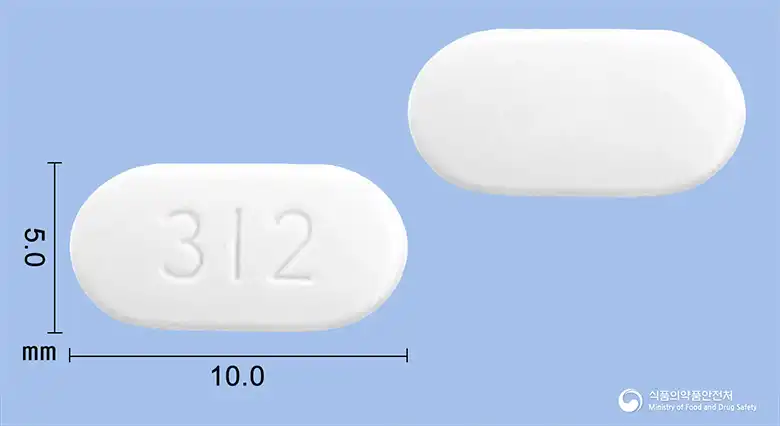 Combination
Simvastatin 20mg · Ezetimibe 10mg
Tablet · Prescription medication · Combination
Korea Organon Co., Ltd.
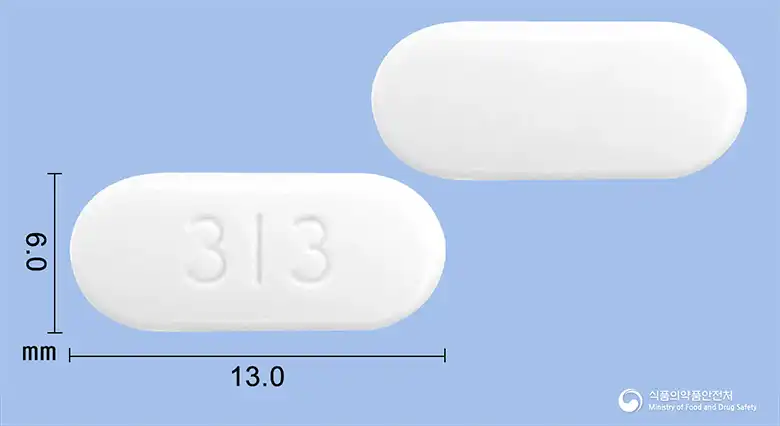 Combination
Simvastatin 40mg · Ezetimibe 10mg
Tablet · Prescription medication · Combination
Korea Organon Co., Ltd.
Ezetimibe 10mg · Simvastatin 10mg
Tablet · Prescription medication · Combination
Boryung Pharmaceutical Co., Ltd.
Ezetimibe 10mg · Simvastatin 20mg
Tablet · Prescription medication · Combination
Boryung Pharmaceutical Co., Ltd.
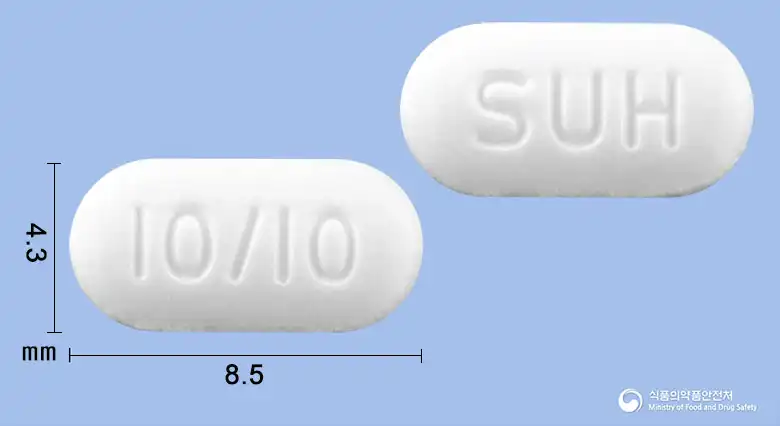 Combination
Ezetimibe 10mg · Simvastatin 10mg
Tablet · Prescription medication · Combination
Suhung Co., Ltd.
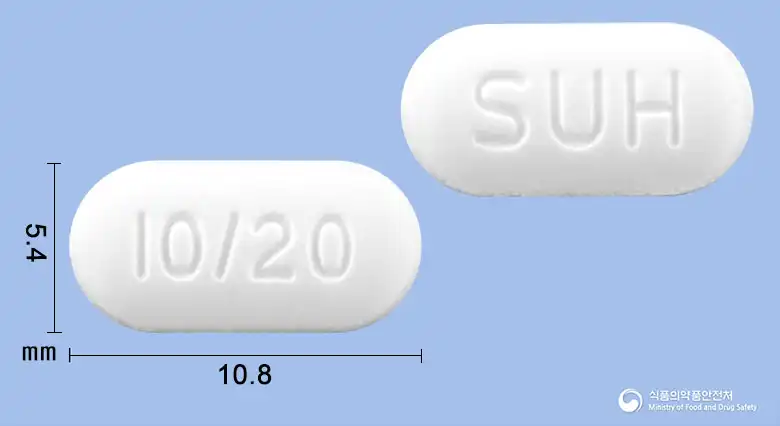 Combination
Ezetimibe 10mg · Simvastatin 20mg
Tablet · Prescription medication · Combination
Seohung Co., Ltd.
Even with the same ingredient, the dose and directions can differ by strength and dosage form. Talk to a doctor or pharmacist before switching from a medication you are already taking.
No questions yet.
For anything that needs medical judgment, consult a doctor or pharmacist.
This drug information is based on data provided by the Korea Ministry of Food and Drug Safety.
Consult a doctor or pharmacist for accurate dosage, administration, and usage instructions.