
 한국어
한국어 English
 日本語
日本語 中文(简体)
 Viewing nowCombination
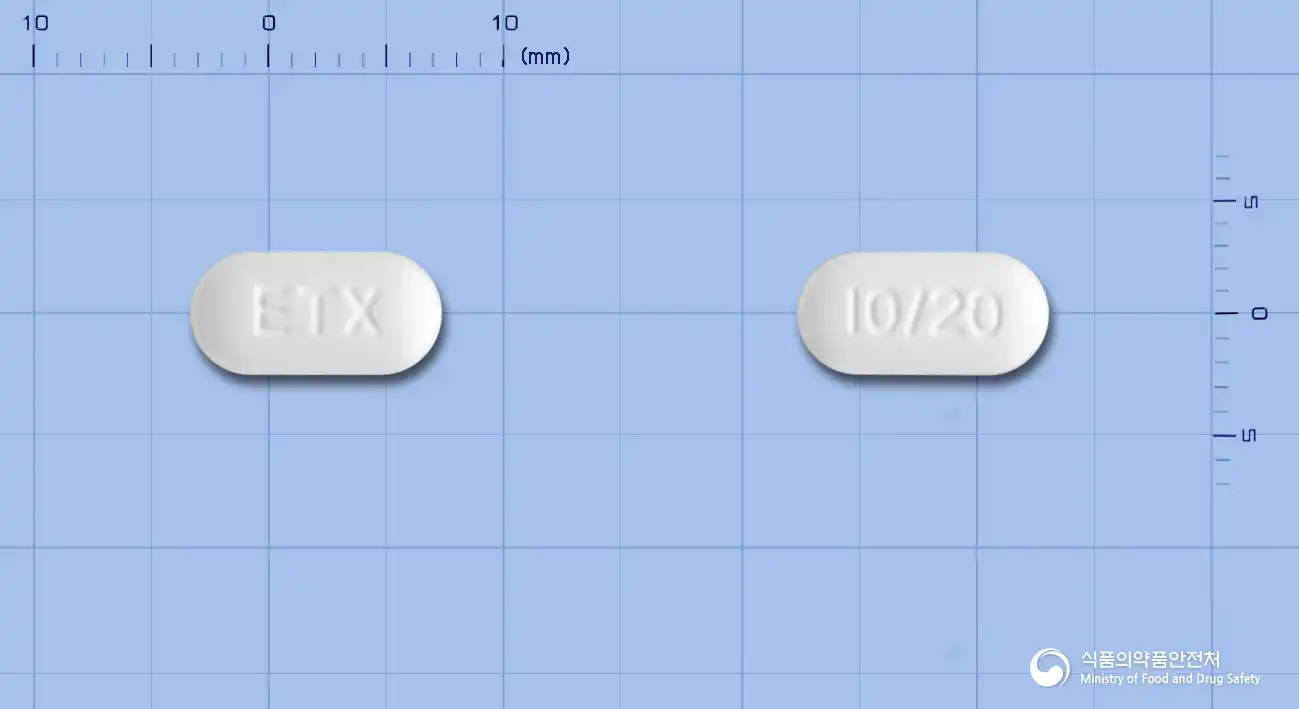
Impactwin Tablet 10/20mg
Ezetimibe 10mg · Simvastatin 20mg
Tablet · Prescription medication · Combination
Teragen Etex Co., Ltd.
MFDS item code 201600974 · Approved 2016.02.22 · Insurance code 698503340
Improvement of cholesterol and lipids in hypercholesterolemia (primary, homozygous familial) and mixed hyperlipidemia
This medication is used in conjunction with dietary therapy to lower total cholesterol, LDL cholesterol, Apo B, and triglycerides while increasing HDL cholesterol in patients with primary hypercholesterolemia, particularly heterozygous familial and non-familial mixed hyperlipidemia. It is also administered as an adjunct therapy or when other treatments are difficult in patients with homozygous familial hypercholesterolemia to reduce total cholesterol and LDL cholesterol. This medication is used when appropriate dietary and non-drug treatments have not been effective in patients at high risk of atherosclerotic vascular disease due to hypercholesterolemia, and the other causes of dyslipidemia should be identified and managed before treatment. To ensure effective treatment, lipid tests including total cholesterol, LDL cholesterol, HDL cholesterol, and triglycerides are required, and further tests may be needed in patients with high triglyceride levels. This medication helps improve these lipid values, thereby reducing cardiovascular risk and maintaining a healthy blood lipid state.
This medication is administered once daily in the evening, regardless of meals. For patients with primary hypercholesterolemia, the dosage range is 10/10mg to 10/40mg per day, and the generally recommended starting dose is 10/20mg daily. Patients with lesser needs for LDL cholesterol reduction may start at 10/10mg daily. After starting this medication or following dosage adjustments, lipid levels should be checked at intervals of 4 weeks or more for dosage adjustments. Due to the increased risk of muscle toxicity associated with the 10/80mg dosage, this dosage is only to be used in patients who have taken 10/80mg for more than 12 months without evidence of muscle toxicity (Refer to Precautions - 1. Warnings for Usage). For patients with homozygous familial hypercholesterolemia, the recommended dose is 10/40mg taken once daily in the evening. This medication is given as an adjunct to other lipid-lowering therapies (e.g., LDL Apheresis), or when other lipid-lowering treatments are not effective.
This medication can cause serious muscle-related side effects such as myopathy and rhabdomyolysis, so patients should consult a doctor immediately if they experience symptoms such as muscle pain or weakness. This medication should not be used in patients with certain liver diseases or in patients who show abnormally high liver enzyme levels on blood tests. Women who are pregnant or nursing should not take this medication, and women planning to become pregnant should consult a doctor, and if pregnancy is confirmed, should stop taking it immediately. This medication should be avoided with strong CYP3A4 inhibitors such as certain antifungals, antibiotics, and HIV medications, as they can increase the risk of myopathy. Additionally, this medication should not be taken with drugs such as gemfibrozil, cyclosporine, or danazol, and patients must inform their doctors or pharmacists about other medications to avoid potential interactions. Elderly patients, those with hypothyroidism, and those with weakened kidney function may have an increased risk of myopathy when taking this medication, requiring additional caution. Regular liver function and muscle-related tests are recommended while taking this medication, and any unusual symptoms should be reported to healthcare providers immediately. Grapefruit juice may increase the blood concentration of this medication, raising the risk of side effects, so it should be avoided while taking it. Common side effects reported in clinical trials and post-market studies include headaches, diarrhea, muscle pain, and cold symptoms, while rare side effects may include liver damage, allergic reactions, and severe skin reactions. This medication is not recommended for children under 10 years, and adolescents over 10 should take it under medical supervision. In the case of overdose, there is no specific antidote, so patients should visit a medical institution immediately for appropriate treatment. Patients taking this medication must inform healthcare providers when prescribed new medications and should be cautious of drug interactions.
Hives, severe swelling (edema), chest tightness, difficulty breathing, cold sweats, paleness, severe rash with high fever, blisters, skin peeling, pain in mouth/eye mucosa, shortness of breath or difficulty breathing, asthma attacks, respiratory distress accompanied by coughing and fever, yellowing of skin or eyes (jaundice), pervasive fatigue, sudden and severe headache, thunderclap headache, seizures, confusion, vision changes, paralysis, urination changes
Not everyone experiences these, and they can vary from person to person.
This medication should be stored in a tightly sealed container to protect it from air and moisture, and it is best kept at room temperature between 1°C and 30°C. Proper storage helps maintain the efficacy of the medication and prevent degradation.
White to off-white, biconvex, rectangular tablet
30 tablets (10 tablets/PTP X 3)
Even with the same ingredient, strength, dosage form and how it is taken can differ.
Viewing nowCombinationEzetimibe 10mg · Simvastatin 20mg
Tablet · Prescription medication · Combination
Teragen Etex Co., Ltd.
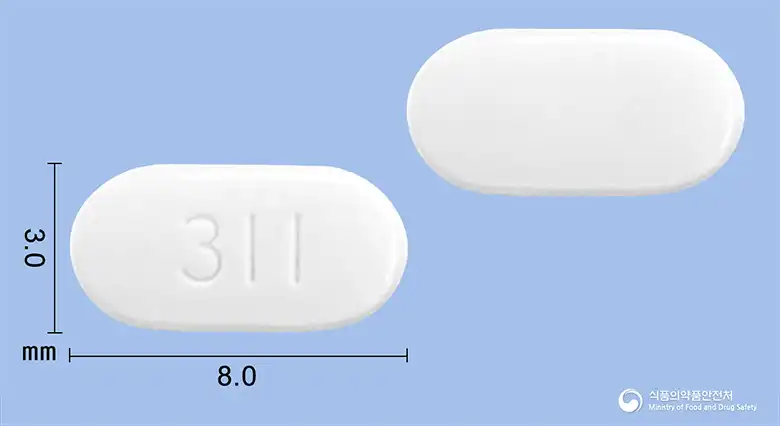 Combination
Simvastatin 10mg · Ezetimibe 10mg
Tablet · Prescription medication · Combination
Korea Organon Co., Ltd.
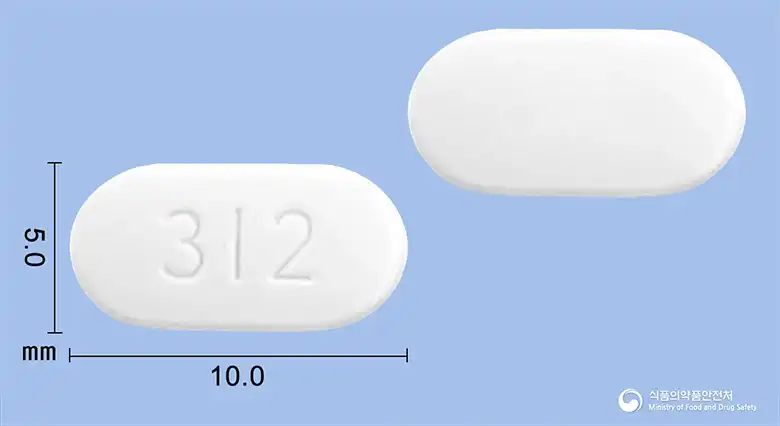 Combination
Simvastatin 20mg · Ezetimibe 10mg
Tablet · Prescription medication · Combination
Korea Organon Co., Ltd.
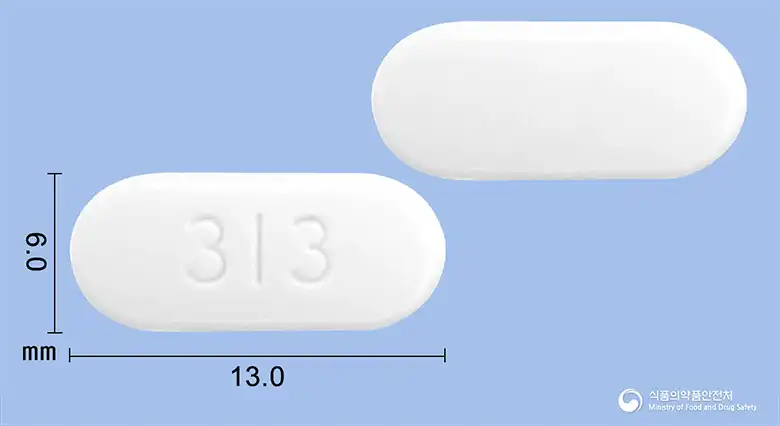 Combination
Simvastatin 40mg · Ezetimibe 10mg
Tablet · Prescription medication · Combination
Korea Organon Co., Ltd.
Ezetimibe 10mg · Simvastatin 10mg
Tablet · Prescription medication · Combination
Boryung Pharmaceutical Co., Ltd.
Ezetimibe 10mg · Simvastatin 20mg
Tablet · Prescription medication · Combination
Boryung Pharmaceutical Co., Ltd.
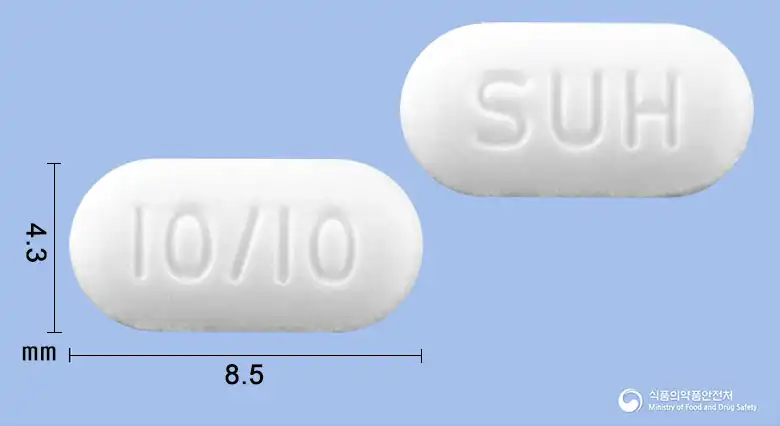 Combination
Ezetimibe 10mg · Simvastatin 10mg
Tablet · Prescription medication · Combination
Suhung Co., Ltd.
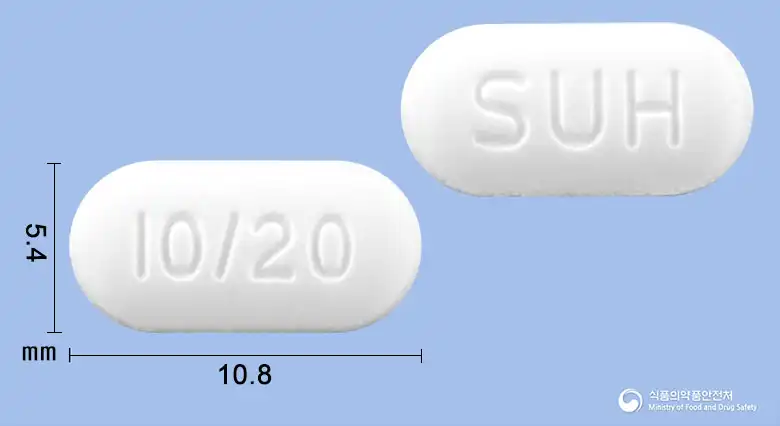 Combination
Ezetimibe 10mg · Simvastatin 20mg
Tablet · Prescription medication · Combination
Seohung Co., Ltd.
Even with the same ingredient, the dose and directions can differ by strength and dosage form. Talk to a doctor or pharmacist before switching from a medication you are already taking.
No questions yet.
For anything that needs medical judgment, consult a doctor or pharmacist.
This drug information is based on data provided by the Korea Ministry of Food and Drug Safety.
Consult a doctor or pharmacist for accurate dosage, administration, and usage instructions.