
 한국어
한국어 English
 日本語
日本語 中文(简体)
 Viewing nowCombination
Adinox Capsule
Dipyridamole 200mg · Aspirin 25mg
Prescription medication · Combination
Chodang Pharmaceutical Co., Ltd.
MFDS item code 201600889 · Approved 2016.02.16
Effect of reducing the risk of stroke recurrence
This medication is used to reduce the risk of stroke recurrence in patients who have experienced ischemic strokes caused by transient ischemia or thrombus in the brain.
1 capsule per dose, taken twice a day. 1 capsule in the morning and 1 capsule in the evening should be swallowed whole with food or after meals and should not be chewed.
It is recommended not to administer to children under 16 years of age.
This medication should not be taken by individuals who regularly consume more than three drinks a day, as it increases the risk of gastrointestinal bleeding. Consultation with a doctor or pharmacist is essential. Individuals allergic to any of the components of this medication, or those with peptic ulcers, duodenal ulcers, or severe bleeding tendencies should not take this medication. Patients with severe heart disease, aortic stenosis, asthma, allergic rhinitis, nasal polyps, and similar conditions should also avoid using this medication. Children under 16 years of age with viral infections are at risk for a serious side effect called Reye's syndrome when taking this medication, so it is recommended they do not use it. Patients with hemophilia, severe liver impairment, kidney impairment, heart failure, and pregnant women in the late stages of pregnancy should not take this medication. Patients with low blood pressure, recent myocardial infarction, coagulopathy, chronic gastrointestinal disorders, or impaired liver and kidney function should use this medication with caution and should always consult healthcare professionals before use. While taking this medication, abnormal symptoms such as headaches, dizziness, indigestion, gastrointestinal bleeding, skin rash, shortness of breath may occur; if these symptoms appear, immediately discontinue use and seek medical attention. This medication may interact with other drugs, so individuals taking anticoagulants, antihypertensives, and hypoglycemics should inform their healthcare providers. Pregnant or nursing women should consider the potential effects on the fetus or newborn and take this medication under the guidance of a doctor; use is prohibited in late pregnancy. Due to insufficient safety data in children, it is recommended that those under 16 years do not take this medication. In cases of overdose, severe cardiovascular and central nervous system symptoms may occur; therefore, it is imperative to adhere to the recommended dosage, and in cases of overdose, seek treatment immediately.
Not everyone experiences these, and they can vary from person to person.
This medication should be stored in a tightly sealed container to prevent air or moisture from entering, and it is best kept in a cool place between 1 and 25 degrees Celsius. Proper storage will help maintain the medication's effectiveness for a longer period.
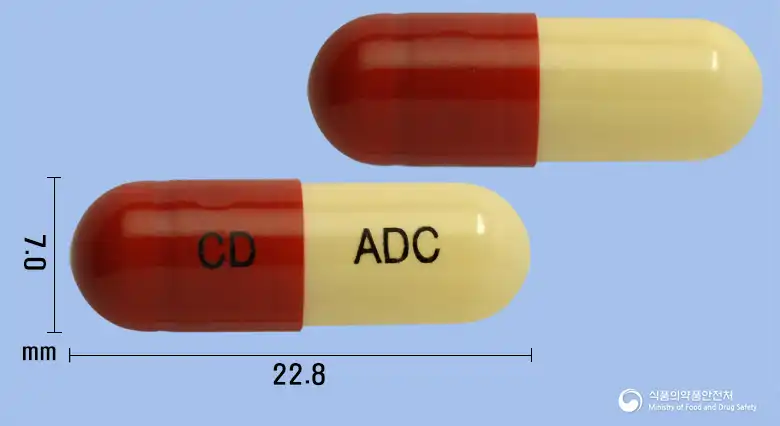
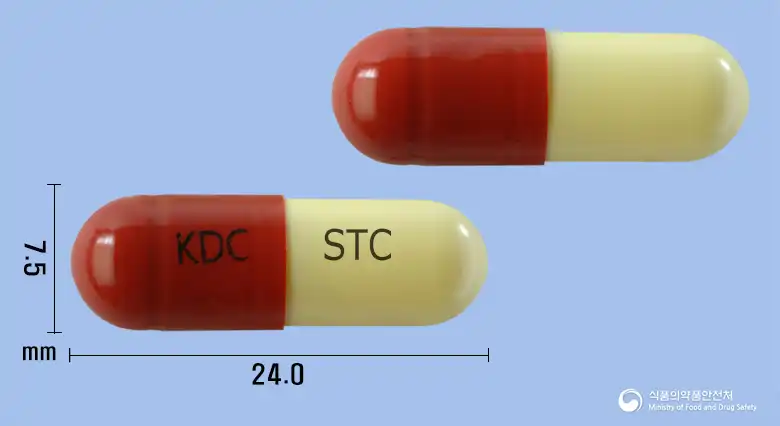
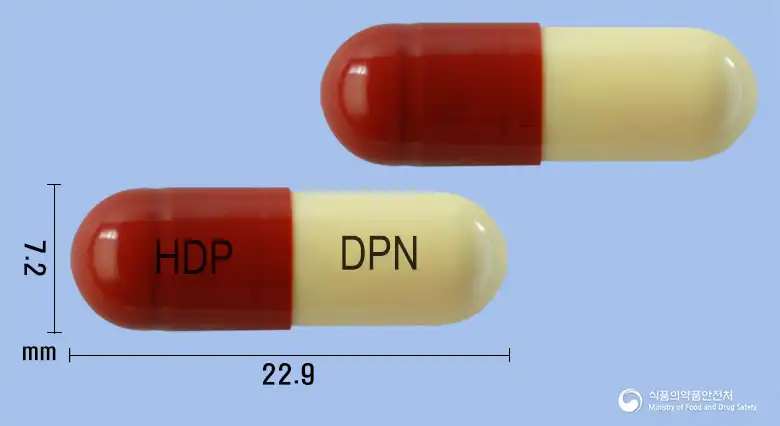
A brownish-red capsule with a light yellow lower half and containing a white to nearly white, biconvex, round aspirin tablet and bright yellow dipyridamole pellets.
60 capsules/bottle
Even with the same ingredient, strength, dosage form and how it is taken can differ.
Viewing nowCombinationDipyridamole 200mg · Aspirin 25mg
Prescription medication · Combination
Chodang Pharmaceutical Co., Ltd.
 Combination
Dipyridamole 200mg · Aspirin 25mg
Prescription medication · Combination
Korea Pharmaceutical Co., Ltd.
 Combination
Dipyridamole 200mg · Aspirin 25mg
Prescription medication · Combination
Hyundai Pharmaceutical Co., Ltd.
Dipyridamole 200mg · Aspirin 25mg
Prescription medication · Combination
Jeil Pharmaceutical Co., Ltd.
Even with the same ingredient, the dose and directions can differ by strength and dosage form. Talk to a doctor or pharmacist before switching from a medication you are already taking.
No questions yet.
For anything that needs medical judgment, consult a doctor or pharmacist.
This drug information is based on data provided by the Korea Ministry of Food and Drug Safety.
Consult a doctor or pharmacist for accurate dosage, administration, and usage instructions.