
 한국어
한국어 English
 日本語
日本語 中文(简体)
 Viewing now
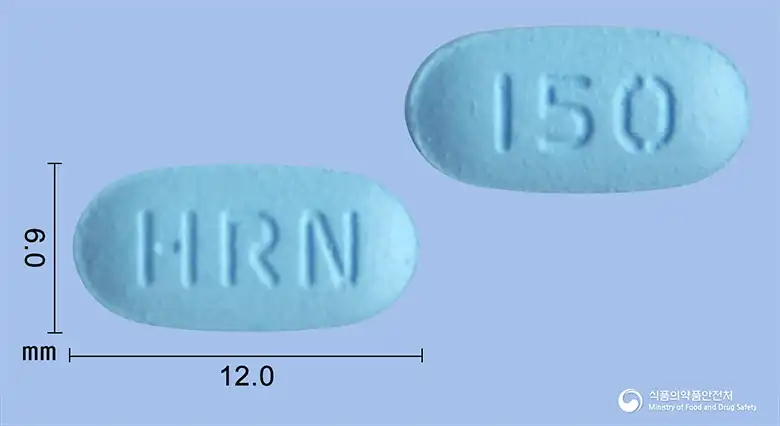
Hyutecs Risedronate Sodium 150 mg (Risedronate Sodium 2.5 Hydrate)
Risedronate Sodium 2.5 Hydrate 172.1mg
Tablet · Prescription medication
Hyutecs Pharmaceutical Co., Ltd.
MFDS item code 201600880 · Approved 2016.02.16 · Insurance code 649102980
Treatment and prevention of postmenopausal osteoporosis
This medication is used to treat and prevent osteoporosis, which is commonly seen in postmenopausal women. The decrease in female hormones due to menopause can lead to reduced bone density; this medication helps maintain bone health and reduce the risk of fractures. Therefore, it is highly effective in managing postmenopausal osteoporosis.
As risedronate sodium, take 150 mg orally once a month. Since food can interfere with the absorption of this medication, it should be taken at least 30 minutes before consuming any food or beverages other than water to ensure adequate absorption. This medication should be taken with enough pure water (170 to 230 mL) while in an upright position. Do not chew or suck on the tablet, and remain upright for at least 30 minutes afterward.
Safety and efficacy in children under 18 have not been established.
This medication is an oral bisphosphonate primarily used for the treatment of osteoporosis. It may irritate the gastrointestinal mucosa, so patients with upper gastrointestinal diseases such as Barrett's esophagus, dysphagia, esophageal disorders, gastritis, duodenitis, or ulcers should take it with special caution. After taking the medication, it must be taken with a sufficient amount of water and at least 30 minutes should be spent in an upright position, avoiding lying down, and should be taken a certain time before or after meals. Serious esophageal adverse reactions such as esophagitis, esophageal ulcers, and esophageal erosion may occur, so if symptoms like dysphagia, pain behind the sternum, or heartburn arise, stop taking the medication immediately and consult a doctor. This medication should not be administered to certain patients, such as those with esophageal stenosis, hypocalcemia, severe renal impairment, pregnant and breastfeeding women, and patients who cannot sit or stand for more than 30 minutes. Additionally, patients with genetic issues such as lactose intolerance should not take this medication. The absorption of this medication may be impaired when taken with drugs or foods containing divalent cations such as calcium, magnesium, iron, and aluminum, so caution should be taken to avoid taking these together. Before taking the medication, treating conditions such as hypocalcemia or vitamin D deficiency that can lead to bone and mineral metabolism disorders is important, along with ensuring adequate calcium and vitamin D intake. In rare cases, long-term use of this medication has been associated with serious side effects such as osteonecrosis of the jaw, atypical femoral fractures, and external auditory canal osteonecrosis, so if any unusual symptoms occur, seek medical attention immediately. Women who are pregnant or may become pregnant, and breastfeeding individuals should not take this medication, as it can affect fetal bone formation if taken during pregnancy. Safety in children under 18 has not been established, so it should not be administered to this age group. In cases of overdose, hypocalcemia may occur, and treatment with milk or calcium-containing antacids may be required, along with considering emergency treatments such as gastric lavage if necessary. This medication should be kept out of reach of children, and it is safe not to transfer it to another container.
Hives, severe swelling (edema), chest tightness, difficulty breathing, cold sweat, pale skin, severe rash with fever, blisters, peeling of skin, pain in mouth/eyes, shortness of breath or difficulty breathing, asthma attack, respiratory issues with cough and fever, yellowing of skin or eyes (jaundice), severe overall fatigue, sudden and severe headache, lightning headache, seizures, confusion, visual disturbances, paralysis, urination
Not everyone experiences these, and they can vary from person to person.
This medication should be stored in a tightly sealed container that does not allow air to enter, preferably at room temperature between 1 and 30 degrees Celsius. Storing it this way helps maintain the medication's effectiveness.
Bright blue oblong film-coated tablet
1 tablet/PTP packaging x 1
Even with the same ingredient, strength, dosage form and how it is taken can differ.
Viewing nowRisedronate Sodium 2.5 Hydrate 172.1mg
Tablet · Prescription medication
Hyutecs Pharmaceutical Co., Ltd.
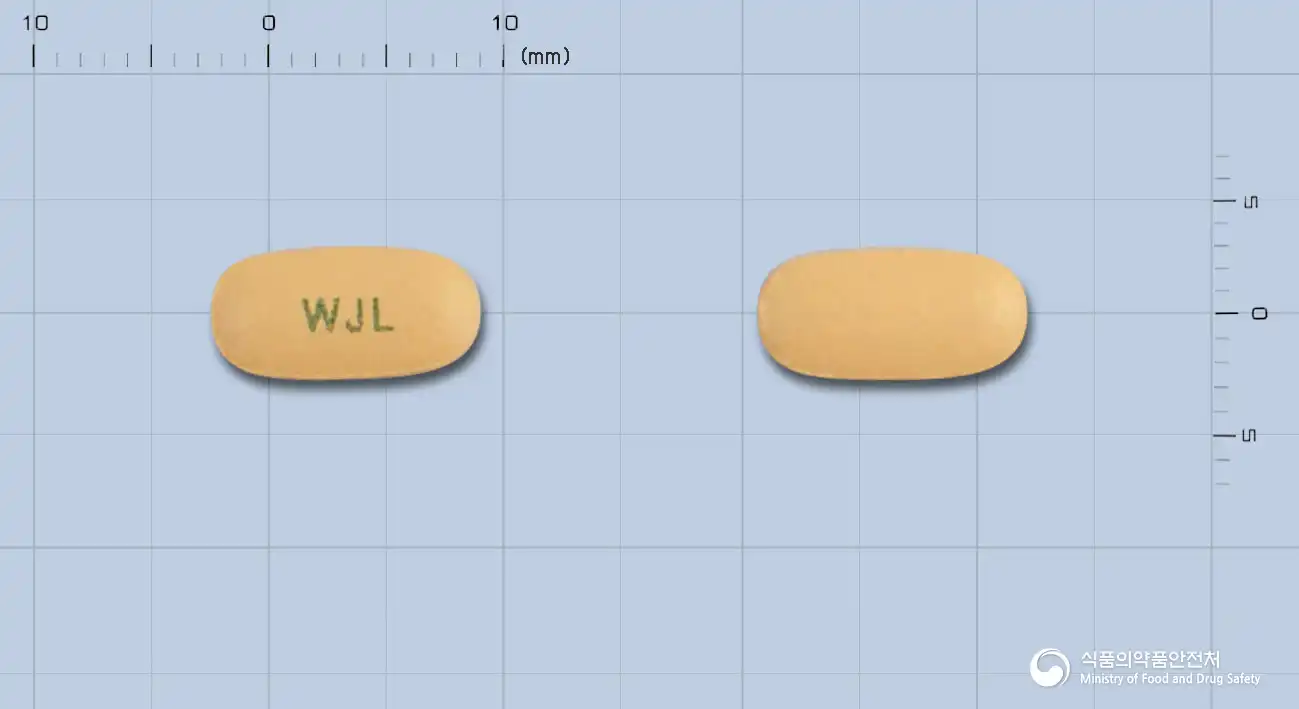
Risedronate Sodium 2.5 Hydrate 40.17mg
Tablet · Prescription medication
Austin Pharmaceutical Co., Ltd.
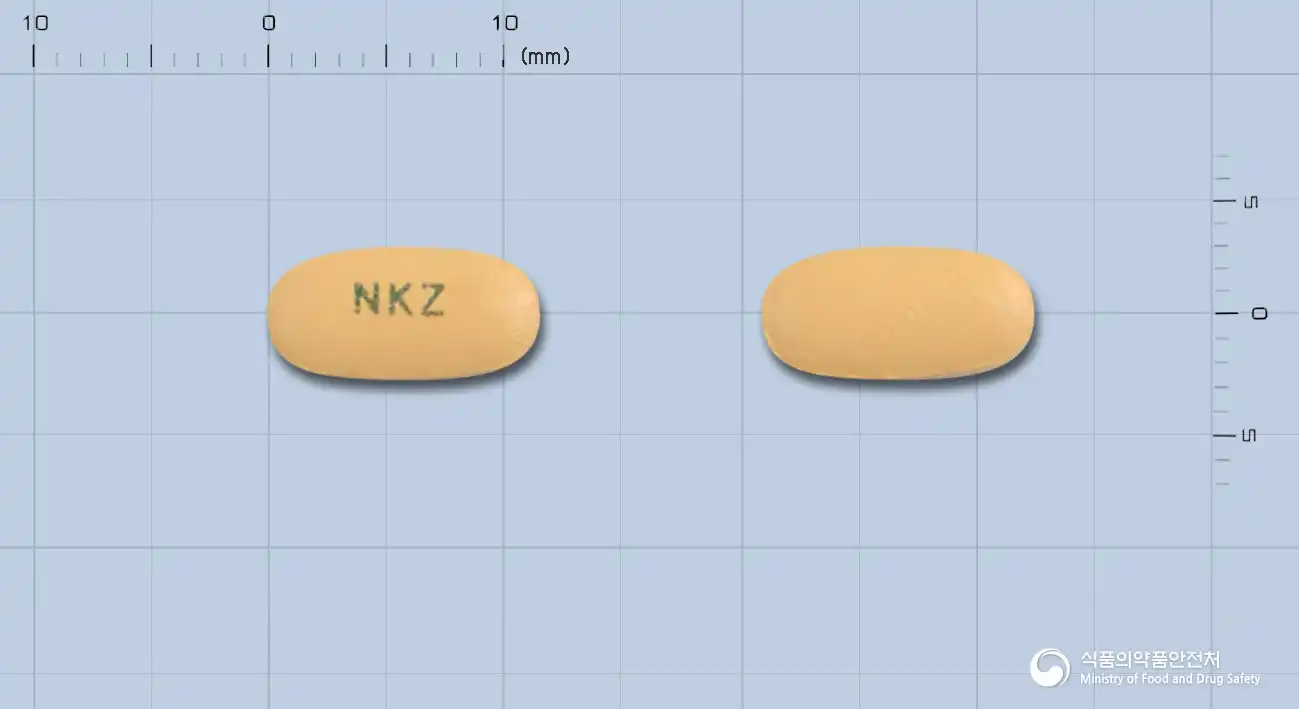
Risedronate Sodium 2.5 Hydrate 40.17mg
Tablet · Prescription medication
Nexpam Korea Co., Ltd.
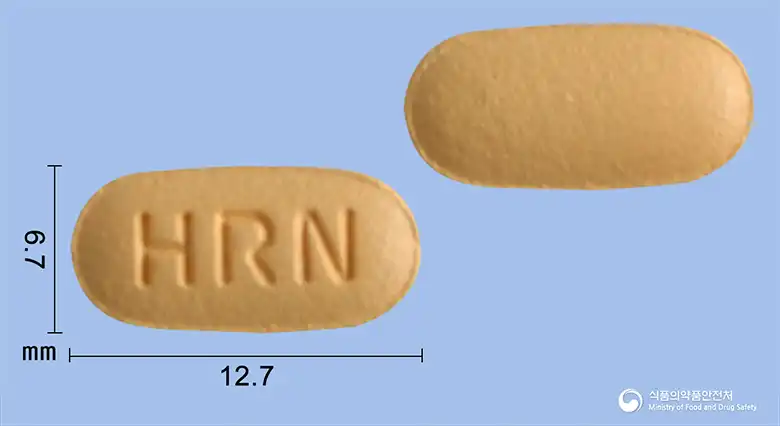
Risedronate Sodium 2.5 Hydrate 35mg
Tablet · Prescription medication
Hyutecs Pharmaceutical Co., Ltd.
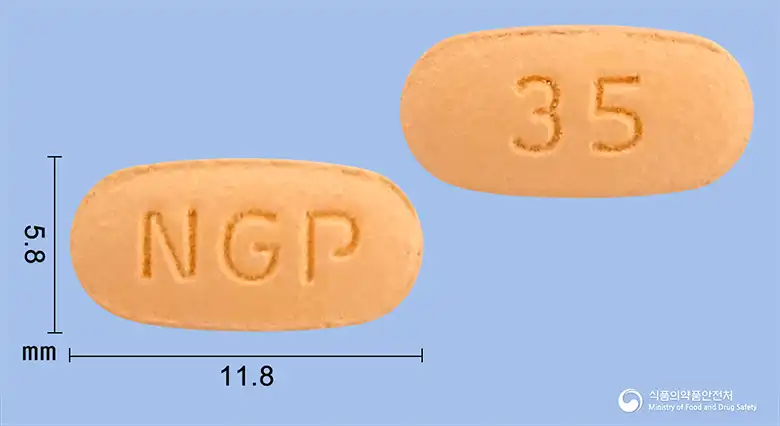
Risedronate Sodium 2.5 Hydrate 40.2mg
Tablet · Prescription medication
Celix Co., Ltd.
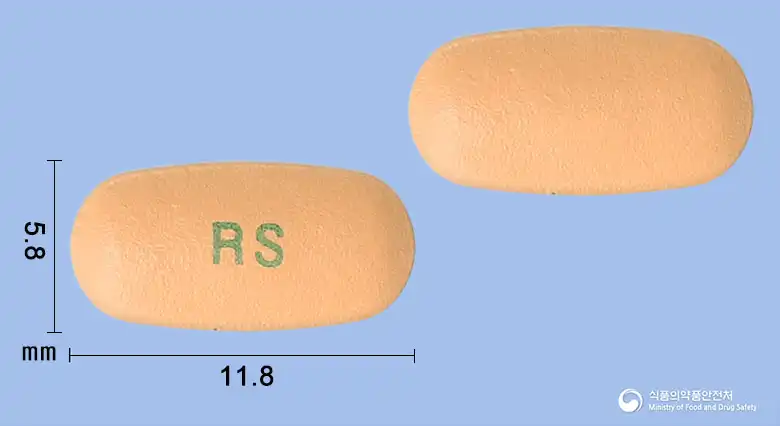
Risedronate Sodium 2.5 Hydrate 40.17mg
Tablet · Prescription medication
Myeongmun Pharmaceutical Co., Ltd.
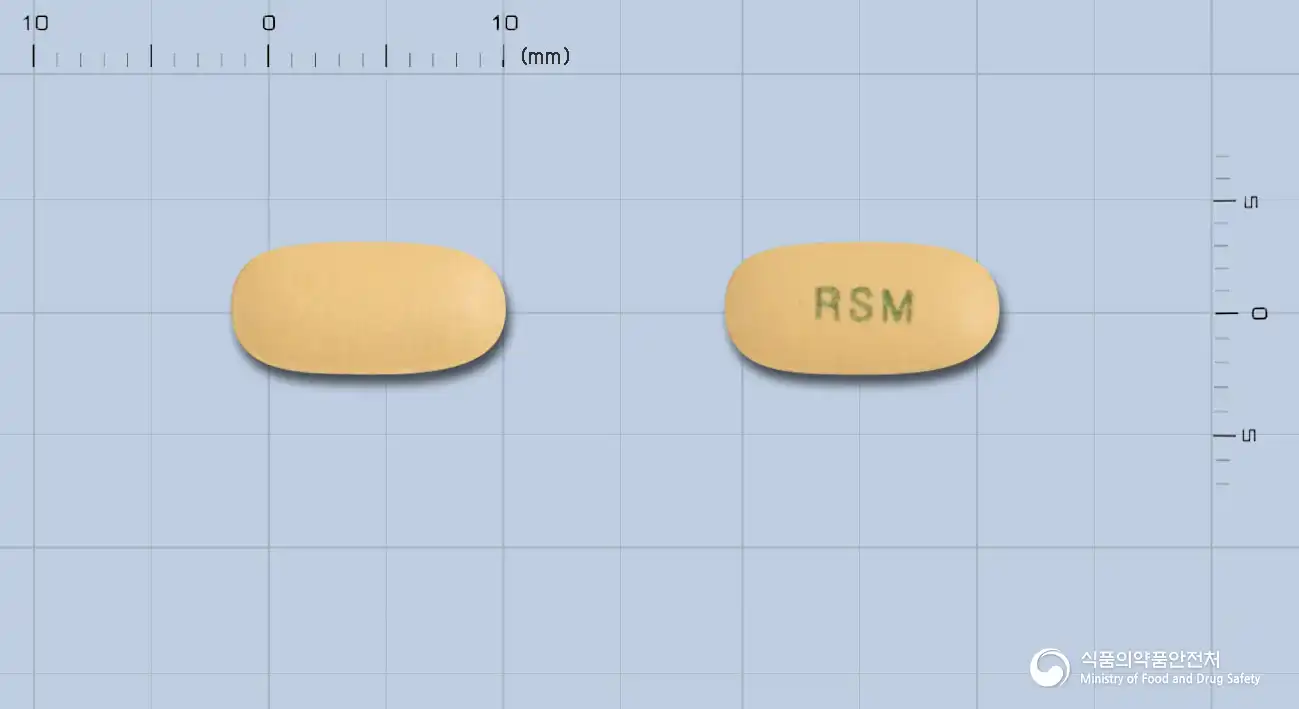
Risedronate Sodium 2.5 Hydrate 40.17mg
Tablet · Prescription medication
Korea United Pharmaceutical Co., Ltd.
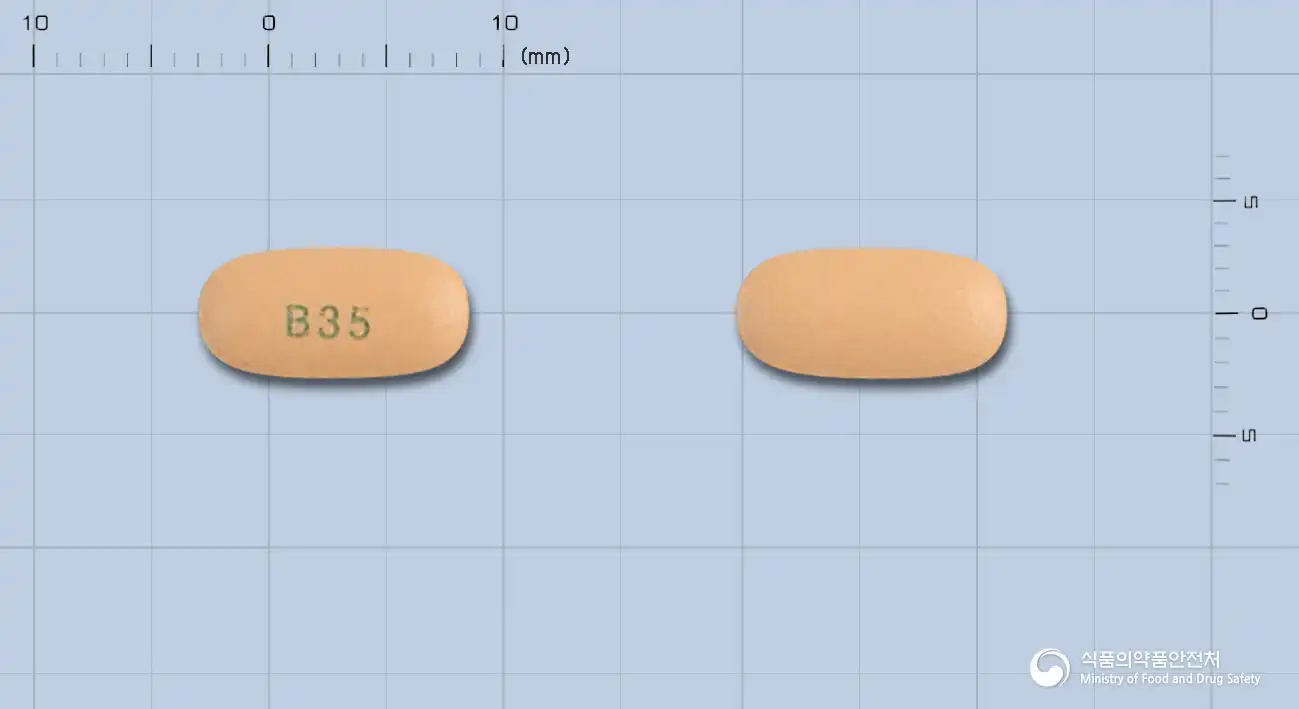
Risedronate Sodium 2.5 Hydrate 40.17mg
Tablet · Prescription medication
Shinpoong Pharmaceutical Co., Ltd.
Even with the same ingredient, the dose and directions can differ by strength and dosage form. Talk to a doctor or pharmacist before switching from a medication you are already taking.
No questions yet.
For anything that needs medical judgment, consult a doctor or pharmacist.
This drug information is based on data provided by the Korea Ministry of Food and Drug Safety.
Consult a doctor or pharmacist for accurate dosage, administration, and usage instructions.