
 한국어
 English
 日本語
 中文(简体)
 Viewing now
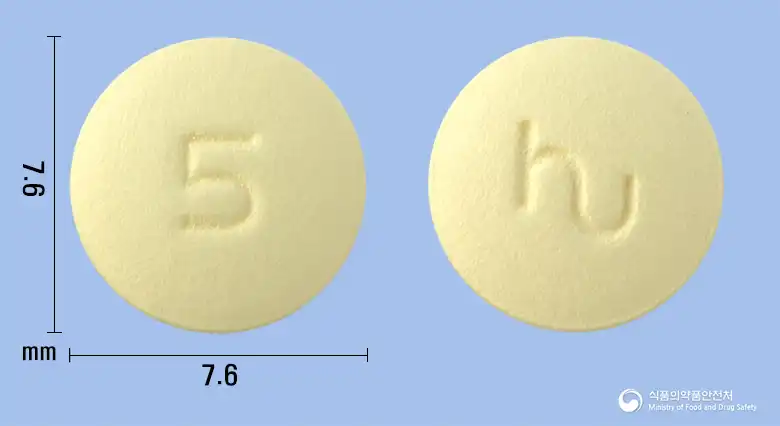
Hyosphenazine Tablet 5 mg (Solfenacin Succinate)
Solifenacin Succinate 5mg
Tablet · Prescription medication
Huons Co., Ltd.
MFDS item code 201600695 · Approved 2016.02.03
This product's status changed to Expired on 2026.02.03. It may no longer be sold, so consult a doctor or pharmacist before taking it.
Treatment of symptoms of overactive bladder (such as frequent urination and urinary urgency)
This medication is used to improve the major symptoms of overactive bladder such as urinary urgency, frequent urination, and urge incontinence. Overactive bladder refers to the sudden urge to urinate that is difficult to control, and this medication alleviates symptoms by controlling the involuntary muscle contractions of the bladder. This enhances the ability to hold urine and reduces discomfort in daily life. Patients should take this medication regularly to effectively manage overactive bladder symptoms. This medication helps treat the symptoms of overactive bladder.
The usual recommended dose for adults (including elderly patients) is 5mg once daily. If necessary, the dose may be increased to a maximum of 10mg once daily. This medicine may be taken with or without food and should be swallowed whole with water. Dosage adjustment is required for the following patients. 1. Patients with renal impairment No dose adjustment is necessary in patients with mild or moderate renal impairment (creatinine clearance>30ml/min). Use with caution in patients with severe renal impairment (creatinine clearance≤30ml/min), and do not exceed 5mg once daily. 2. Patients with hepatic impairment No dose adjustment is necessary in patients with mild hepatic impairment. Use with caution in patients with moderate hepatic impairment (Child-Pugh class B), and do not exceed 5mg once daily. 3. Patients receiving potent cytochrome P450 3A4 (CYP3A4) inhibitors For patients receiving ketoconazole or another potent CYP3A4 inhibitor (e.g., ritonavir, nelfinavir, itraconazole), limit the maximum daily dose to 5mg.
This medication should not be used in patients with urinary retention who have difficulty urinating. Furthermore, it should not be administered to patients with severe gastrointestinal diseases, myasthenia gravis, or angle-closure glaucoma. Patients with allergies to this medication or its ingredients should also avoid taking it. Patients undergoing hemodialysis or those with severe liver or kidney dysfunction may also be at risk when using this medication. In particular, patients with moderate to severe liver or kidney impairment should not take this medication along with certain potent drugs. Patients with genetic metabolic disorders should also refrain from taking this medication. Patients with a risk of urinary obstruction or gastrointestinal obstructive diseases should use this medication cautiously. Patients with impaired kidney or liver function should limit the dosage, and caution is also required when combined with strong CYP3A4 inhibitors. Patients with gastroesophageal reflux disease or esophagitis, as well as those with autonomic nervous system disorders, should also use this medication with care. Taking this medication may lead to dry mouth and constipation, and symptoms such as blurred vision or difficulty urinating may occur. These side effects may occur more frequently with higher doses. In severe cases, intestinal obstruction, angioedema, or allergic reactions may occur, so immediate consultation with a physician is necessary if symptoms worsen. This medication can rarely cause drowsiness or fatigue, so caution is essential when driving or operating machinery. Taking this medication with other anticholinergic drugs may enhance effects or worsen side effects, so caution is required. Additionally, it may reduce the effects of drugs that promote gastrointestinal motility. This medication is metabolized in the liver by specific enzymes (CYP3A4), so taking it with drugs that strongly inhibit this enzyme may increase drug concentration and heighten the risk of side effects. Therefore, dosage adjustments may be necessary if such drugs are being taken. The safety of this medication has not been established for pregnant women, so caution is advised during use, and nursing mothers should avoid using this medication as it may be transmitted through breast milk and affect the baby. The safety and efficacy of this medication have not been confirmed in children, so it should not be used in this population. In cases of overdose, symptoms such as headache, dizziness, drowsiness, and blurred vision may occur, and in more severe cases, professional treatment may be necessary. Before taking this medication, patients should inform healthcare professionals about any cardiovascular diseases, electrolyte imbalances, or other medications they are using, and report any adverse reactions promptly during treatment.
Not everyone experiences these, and they can vary from person to person.
This medication should be stored in a tightly closed container to protect it from air and moisture. It is recommended to maintain a storage temperature between 1 and 30 degrees Celsius.
Bright yellow round film-coated tablets
100 tablets (10 tablets/ PTP packaging x 10), 30 tablets/bottle, 100 tablets/bottle
Even with the same ingredient, strength, dosage form and how it is taken can differ.
Viewing nowSolifenacin Succinate 5mg
Tablet · Prescription medication
Huons Co., Ltd.
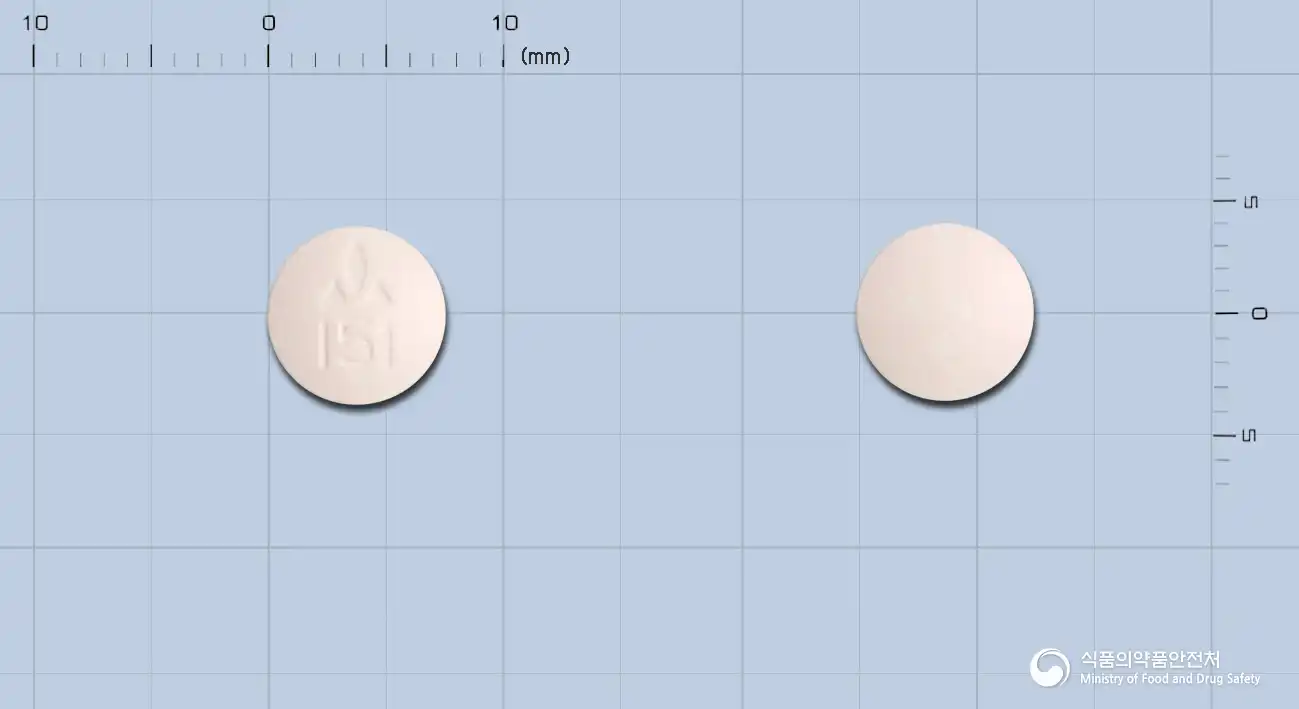
Solifenacin Succinate 10mg
Tablet · Prescription medication
Astellas Pharma Korea, Inc.
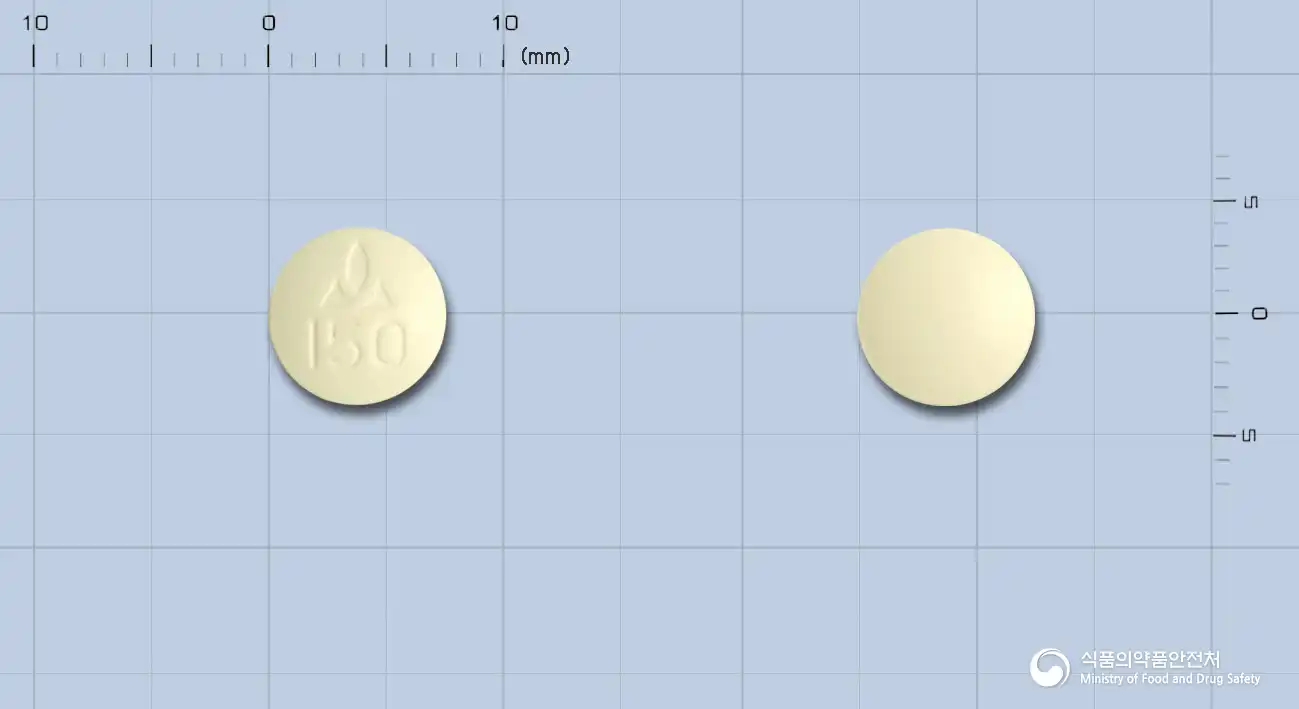
Solifenacin Succinate 5mg
Tablet · Prescription medication
Korea Astellas Pharma Co., Ltd.
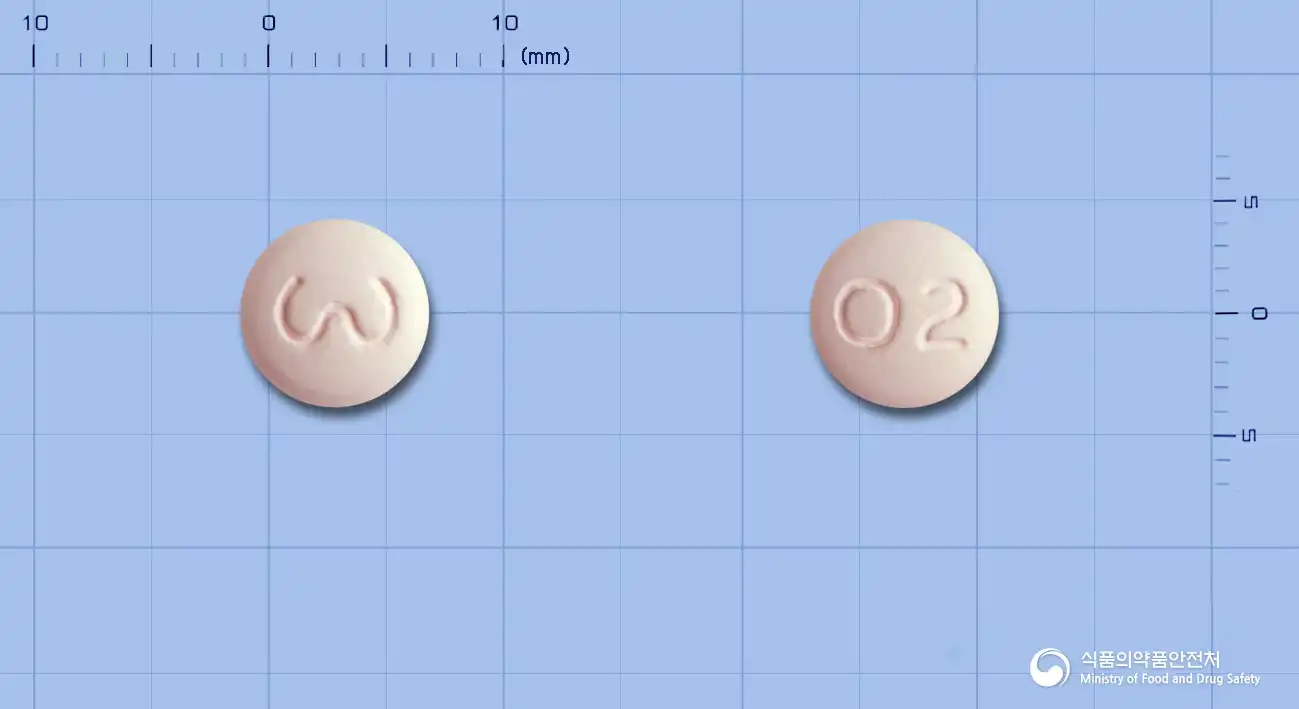
Solifenacin Succinate 10mg
Tablet · Prescription medication
Withus Pharmaceutical Co., Ltd.
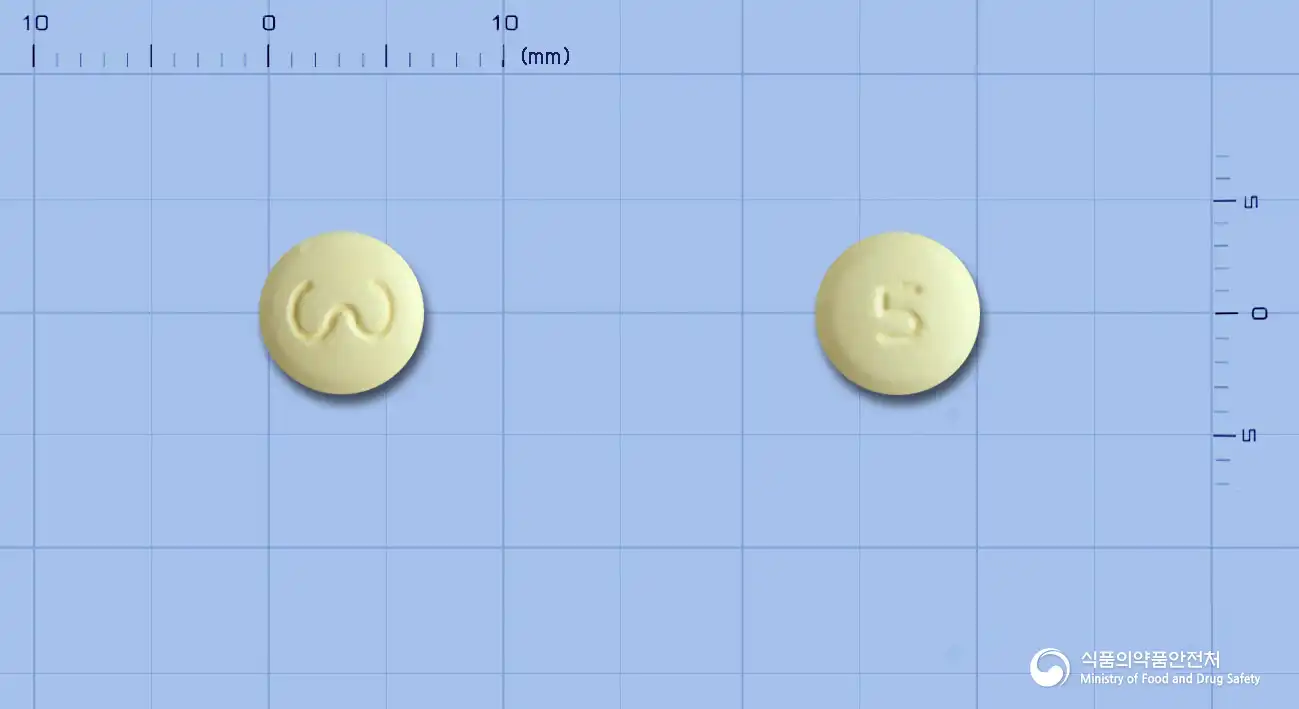
Solifenacin Succinate 5mg
Tablet · Prescription medication
Withus Pharmaceutical Co., Ltd.
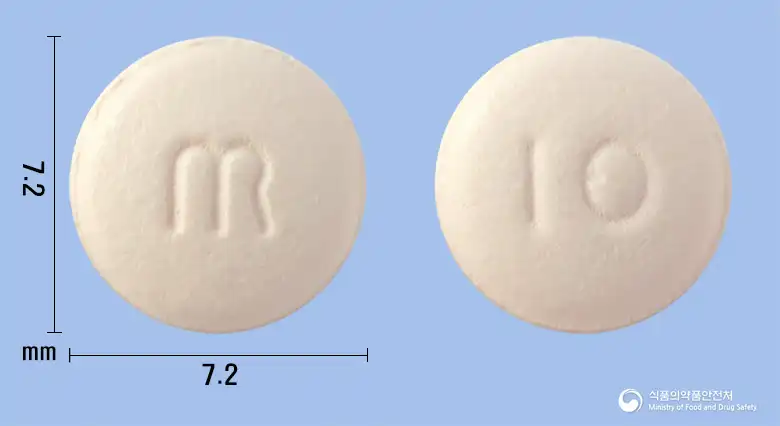
Solifenacin Succinate 10mg
Tablet · Prescription medication
Mothers Pharmaceutical Co., Ltd.
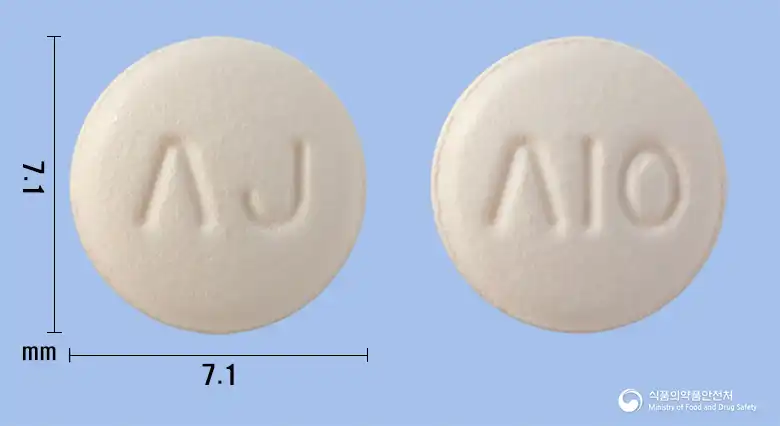
Solifenacin Succinate 10mg
Tablet · Prescription medication
Aju Pharmaceutical Co., Ltd.
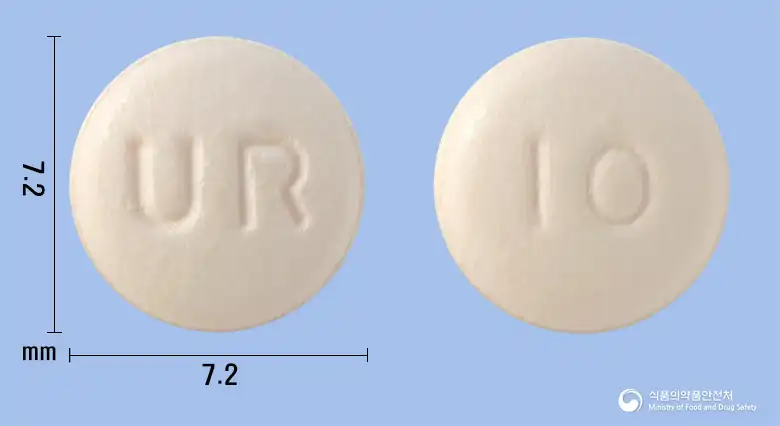
Solifenacin Succinate 10mg
Tablet · Prescription medication
Korea Hyutecs Pharmaceutical Co., Ltd.
Even with the same ingredient, the dose and directions can differ by strength and dosage form. Talk to a doctor or pharmacist before switching from a medication you are already taking.
No questions yet.
For anything that needs medical judgment, consult a doctor or pharmacist.
This drug information is based on data provided by the Korea Ministry of Food and Drug Safety.
Consult a doctor or pharmacist for accurate dosage, administration, and usage instructions.