
 한국어
한국어 English
 日本語
日本語 中文(简体)
 Viewing nowCombination
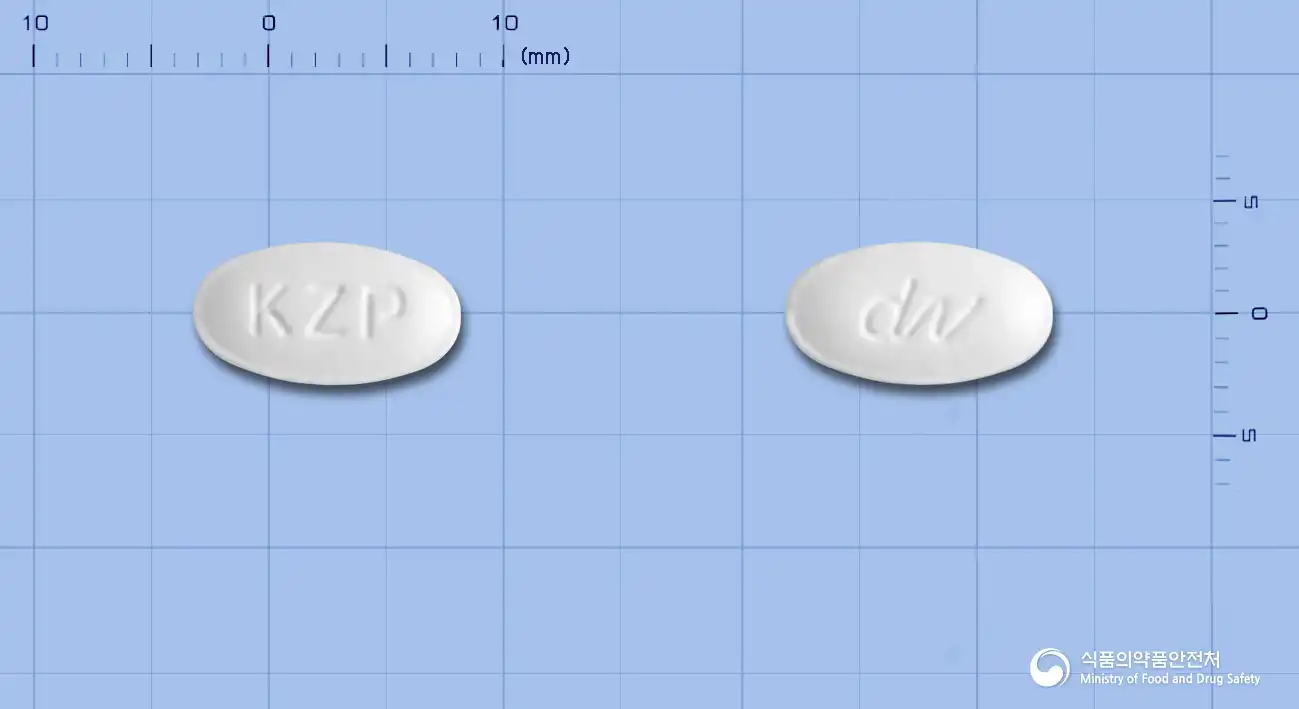
Carozaplus Tablet
Losartan Potassium 50mg · Hydrochlorothiazide 12.5mg
Tablet · Prescription medication · Combination
Daewoo Pharmaceutical Co., Ltd.
MFDS item code 201600623 · Approved 2016.02.01 · Insurance code 649604580
Improvement of blood pressure control in patients with uncontrolled hypertension as monotherapy
This medication is used for patients with hypertension who do not achieve adequate blood pressure control with monotherapy.
The usual dose of this medication is 50 mg of losartan potassium / 12.5 mg of hydrochlorothiazide taken once daily. Doses exceeding 100 mg of losartan potassium / 25 mg of hydrochlorothiazide per day are undesirable. If blood pressure is not controlled, the dosage may be increased up to a maximum of 100 mg of losartan potassium / 25 mg of hydrochlorothiazide taken once daily.
There is no experience in using this medication in children and adolescents (under 18 years old), so the losartan-hydrochlorothiazide combination should not be administered to children and adolescents.
This medication may cause serious harm to the fetus if taken during pregnancy, especially in the second and third trimesters; therefore, it should be discontinued immediately upon confirmation of pregnancy. This medication should not be administered to patients with certain conditions, such as anuria, severe liver impairment, severe kidney impairment, or sulfonamide allergy. Patients with hypotension or kidney function problems, those with hyperuricemia or diabetes, should use this medication with caution and under a doctor's direction. This medication lowers blood pressure, which may cause dizziness or drowsiness, so caution is needed when driving or operating machinery. The hydrochlorothiazide component may cause electrolyte imbalance, so sodium, potassium levels, etc., should be monitored regularly through blood tests. Patients on this medication should not take potassium supplements or potassium-containing medications without consulting a doctor, as there is a risk of increased blood potassium levels. Hydrochlorothiazide may react sensitively to sunlight, increasing the risk of skin rash or non-melanoma skin cancer; therefore, sun exposure should be avoided, and skin condition should be checked periodically. This medication can affect liver or kidney function; thus, patients with liver or kidney diseases require regular check-ups. If any unusual symptoms or allergic reactions occur while taking this medication, consult a doctor immediately. If symptoms of angioedema, particularly swelling of the lips or face, occur, discontinue use immediately. There is no experience in using this medication in children or adolescents, so it is considered safe not to administer it to them. Elderly patients may experience side effects more frequently, so caution is needed when taking this medication. This medication may interact with other antihypertensives, diuretics, blood sugar-lowering medications, etc.; therefore, any other medications being taken should be reported to a doctor.
Hives, severe swelling (edema), angioedema (swelling of lips and eyelids and facial rash), chest tightness, difficulty breathing, severe allergic reaction, visual disturbances, severe neurological symptoms, acute angle-closure glaucoma, acute respiratory distress syndrome (ARDS), severe acute respiratory toxicity, jaundice (intrahepatic cholestasis), renal failure, anuria, markedly reduced urine output, severe edema accompanying increased blood pressure, palpitations.
Not everyone experiences these, and they can vary from person to person.
This medication is sensitive to light and should be stored in a container that blocks light. Also, it is best to store it at room temperature between 1°C and 30°C. This way, the effectiveness of the medication can be well maintained.
White oval film-coated tablet
30 tablets/bottle, 100 tablets/bottle
Even with the same ingredient, strength, dosage form and how it is taken can differ.
Viewing nowCombinationLosartan Potassium 50mg · Hydrochlorothiazide 12.5mg
Tablet · Prescription medication · Combination
Daewoo Pharmaceutical Co., Ltd.
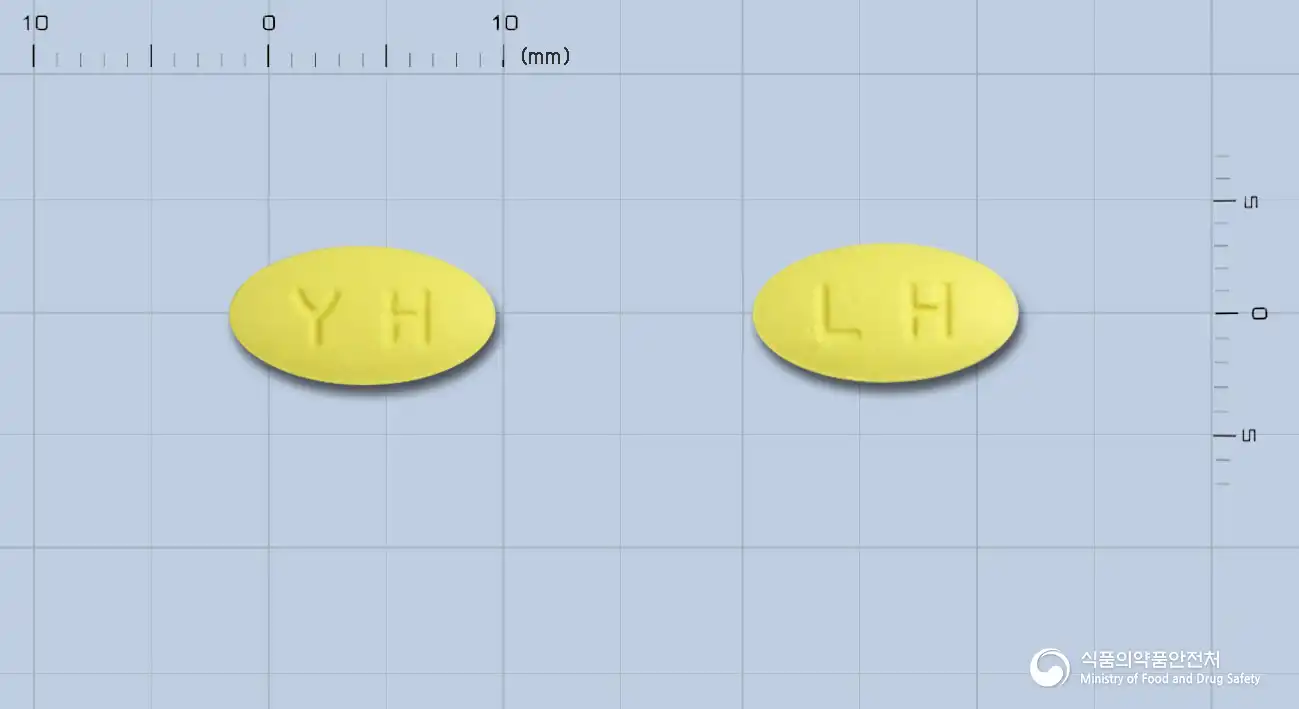 Combination
Losartan Potassium 50mg · Hydrochlorothiazide 12.5mg
Tablet · Prescription medication · Combination
(Co., Ltd.) Yuhan
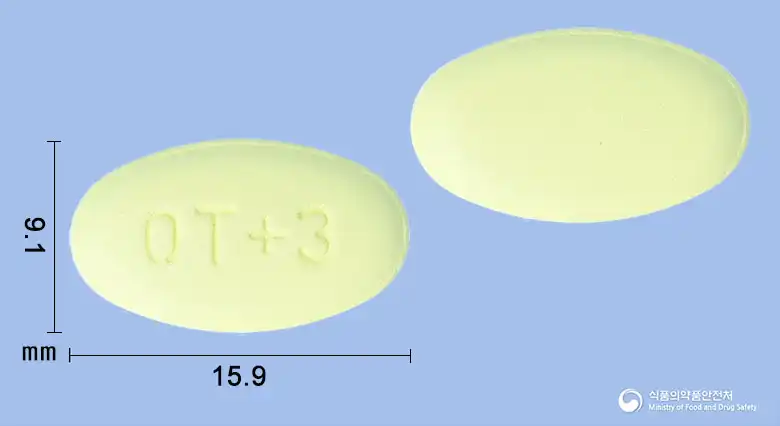 Combination
Losartan Potassium 100mg · Hydrochlorothiazide 25mg
Tablet · Prescription medication · Combination
Hanmi Pharmaceutical Co., Ltd.
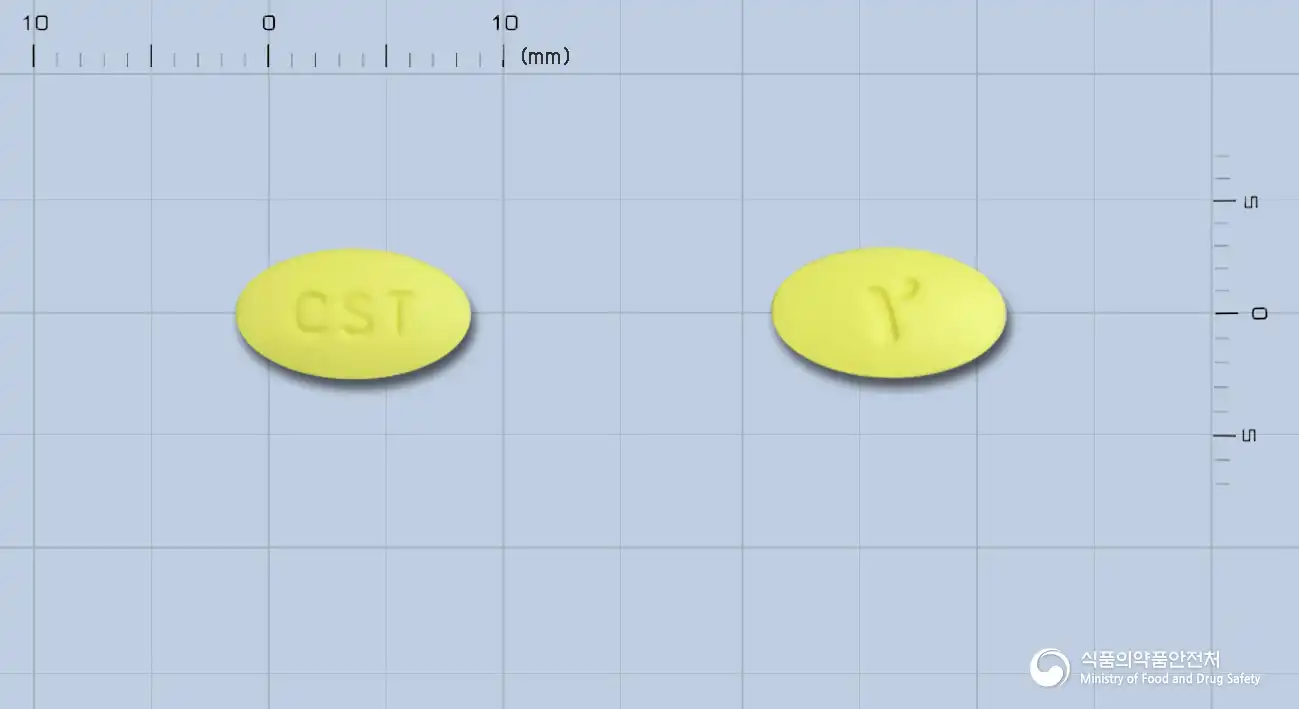 Combination
Losartan Potassium 50mg · Hydrochlorothiazide 12.5mg
Tablet · Prescription medication · Combination
(Co., Ltd. ) Yuyoung Pharmaceutical
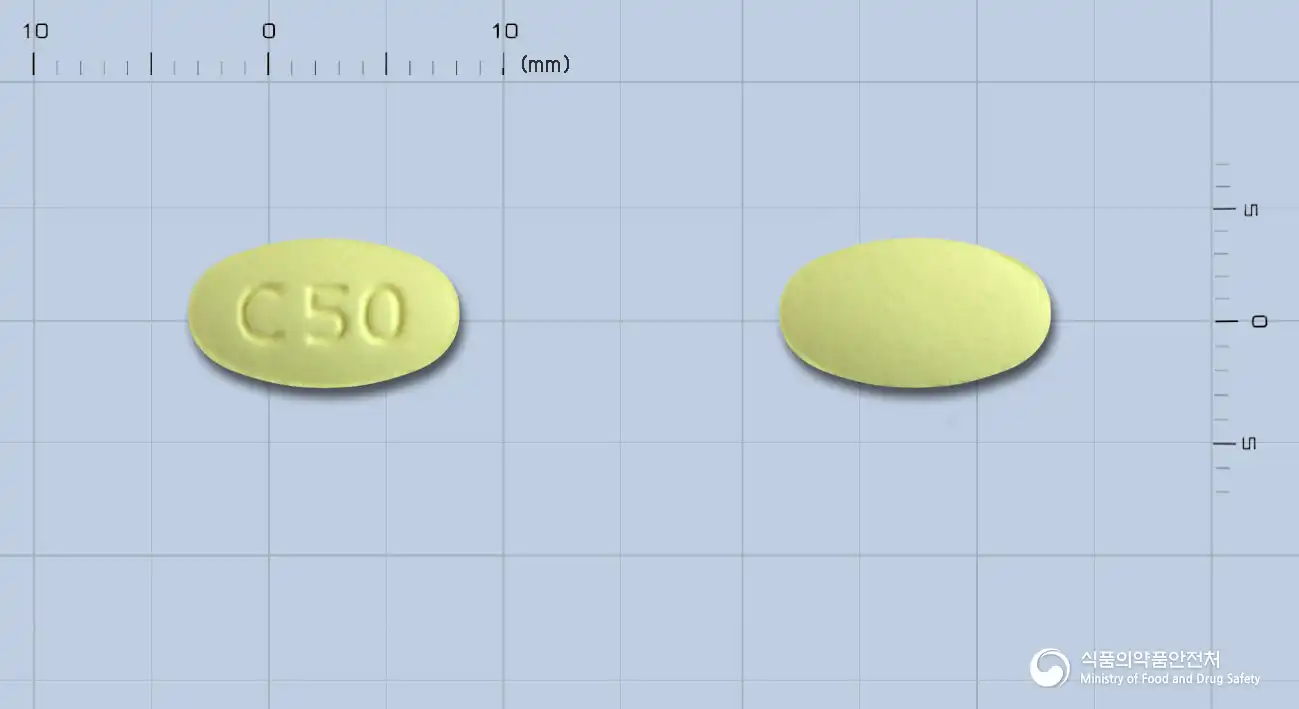 Combination
Losartan Potassium 50mg · Hydrochlorothiazide 12.5mg
Tablet · Prescription medication · Combination
Youngpoong Pharmaceutical Co., Ltd.
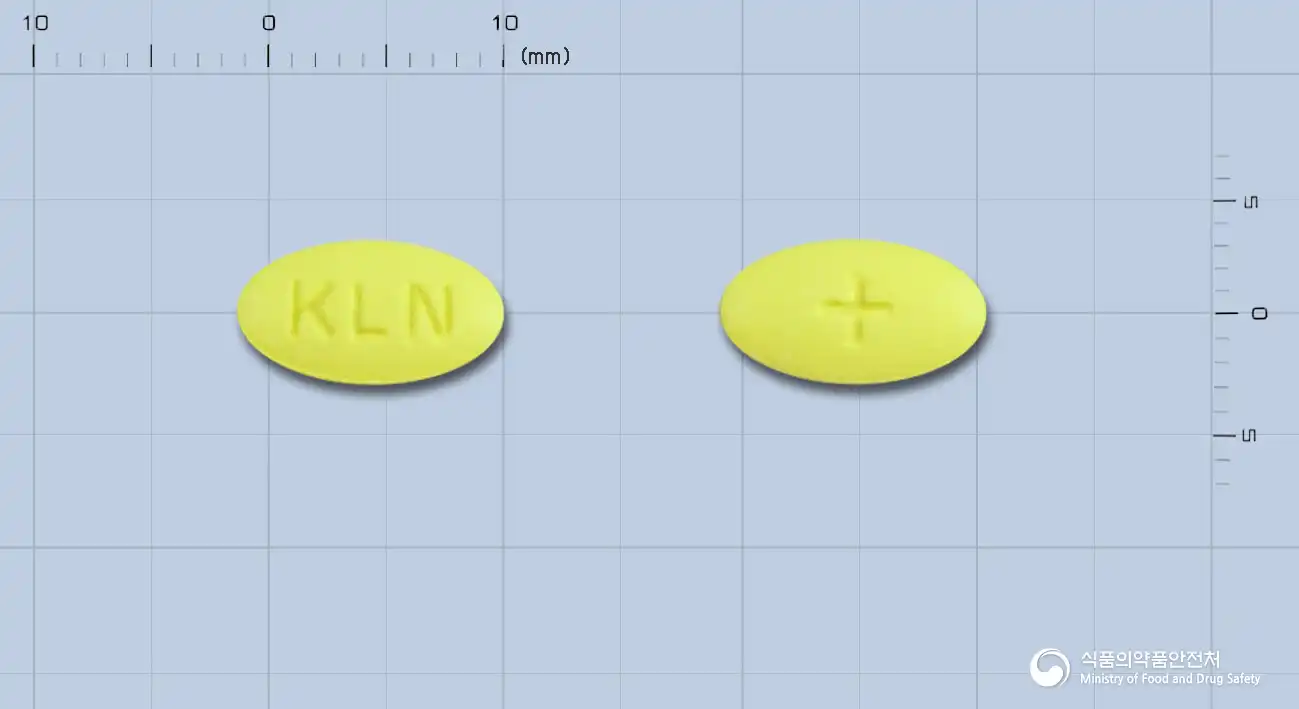 Combination
Losartan Potassium 50mg · Hydrochlorothiazide 12.5mg
Tablet · Prescription medication · Combination
Kolon Pharmaceutical Co., Ltd.
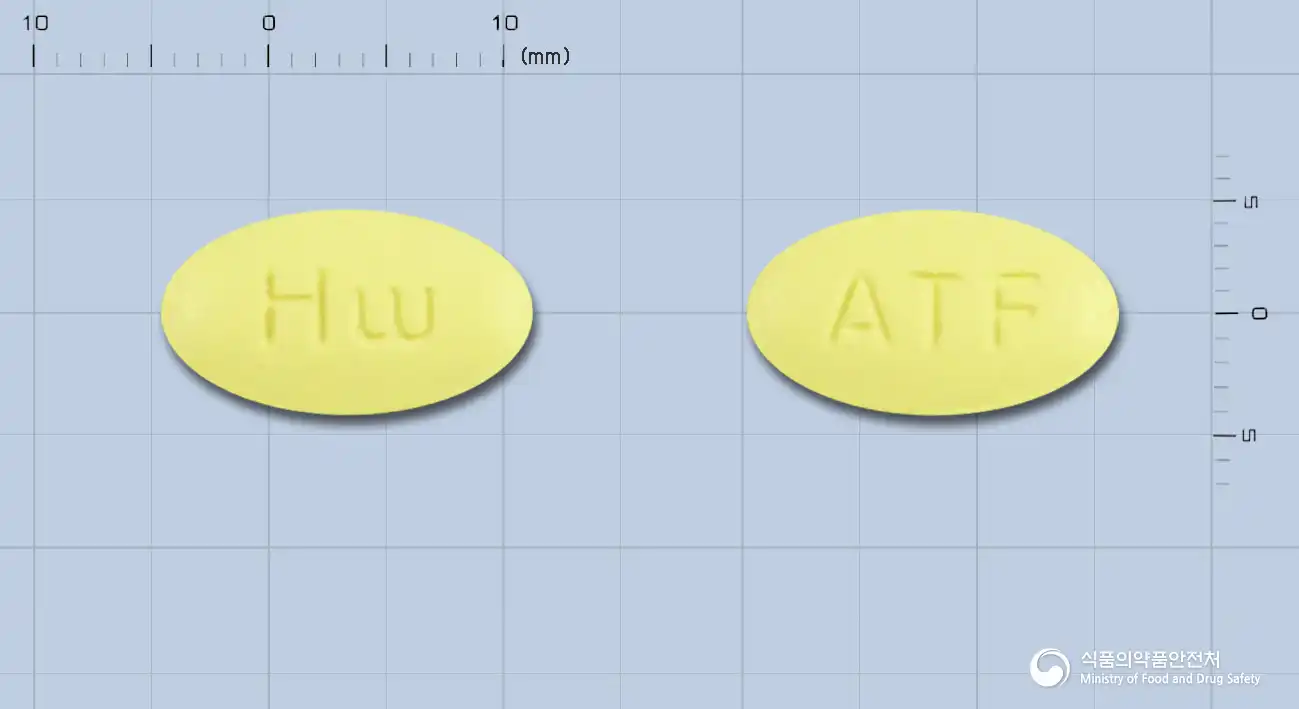 Combination
Losartan Potassium 100mg · Hydrochlorothiazide 25mg
Tablet · Prescription medication · Combination
NBK Pharmaceutical Co., Ltd.
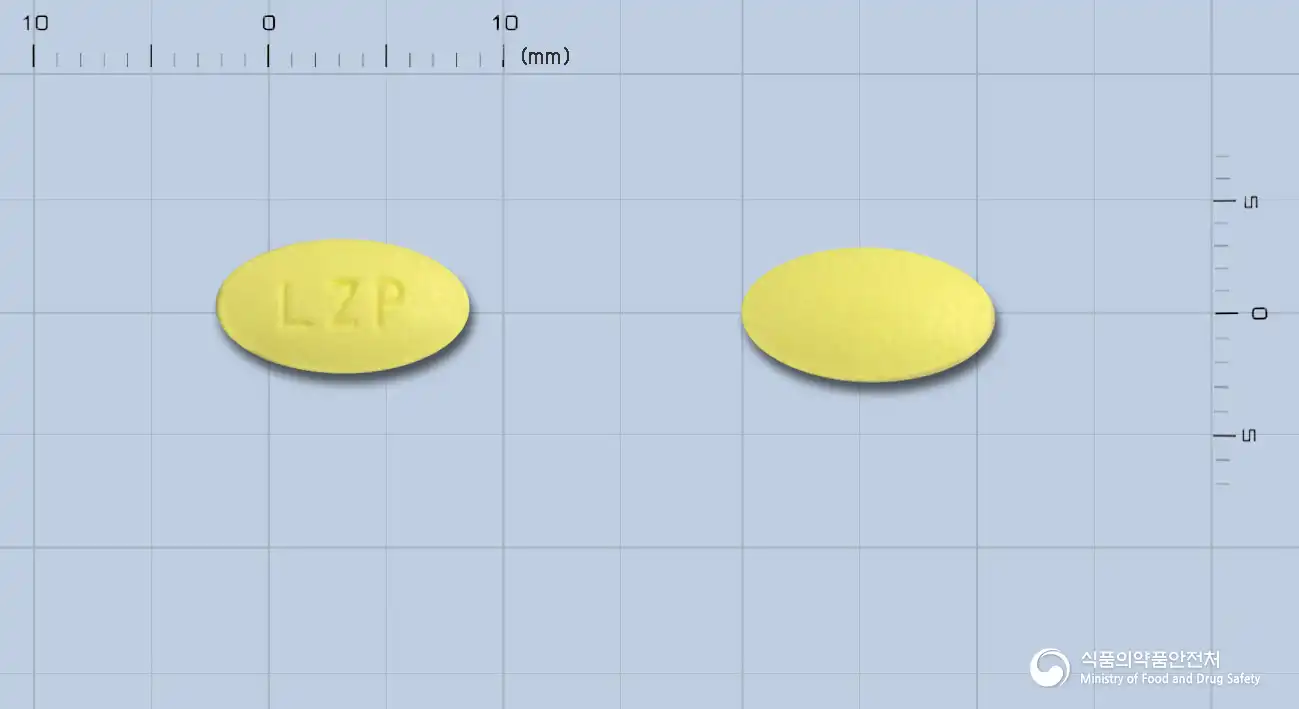 Combination
Losartan Potassium 50mg · Hydrochlorothiazide 12.5mg
Tablet · Prescription medication · Combination
Dongkwang Pharmaceutical Co., Ltd.
Even with the same ingredient, the dose and directions can differ by strength and dosage form. Talk to a doctor or pharmacist before switching from a medication you are already taking.
No questions yet.
For anything that needs medical judgment, consult a doctor or pharmacist.
This drug information is based on data provided by the Korea Ministry of Food and Drug Safety.
Consult a doctor or pharmacist for accurate dosage, administration, and usage instructions.