
 한국어
 English
 日本語
 中文(简体)
 Viewing now
Uridosin 4 mg (Silodosin)
Silodosin 4mg
Tablet · Prescription medication
Aju Pharmaceutical Co., Ltd.
MFDS item code 201600507 · Approved 2016.01.26 · Insurance code 654004720
Improvement of urinary symptoms associated with benign prostatic hyperplasia
This medication is used to improve urinary disorders caused by benign prostatic hyperplasia.
Adults: Take one 4mg tablet twice daily, after breakfast and dinner, or take two 4mg tablets (8mg) once daily with a meal. However, increased plasma concentrations of silodosin have been reported in patients with renal impairment, and plasma concentrations may also increase in patients with hepatic impairment. Therefore, monitor the patient's condition and adjust the dose as appropriate according to symptoms, including starting at a low dose (2mg per dose, twice daily).
This medication should not be used by certain patients. For example, those allergic to any of the ingredients of this medication, those with severe kidney dysfunction, those with severe liver dysfunction, and those taking certain potent medications should not take this medication. Additionally, patients with orthostatic hypotension or decreased liver or kidney function, as well as those taking certain antihypertensives, other alpha-blockers, or PDE5 inhibitors, should be more cautious when using this medication. Taking this medication may cause various side effects such as ejaculation disorders, dry mouth, diarrhea, dizziness, headache, nasal congestion, etc. Particularly, blood pressure may drop suddenly, leading to fainting or liver dysfunction, so it is important to consult healthcare professionals immediately if symptoms occur. During treatment, caution should be exercised regarding blood pressure changes, especially when changing positions, and care should be taken for dizziness while driving or working at heights. Overdose may lead to decreased blood pressure, so the prescribed dosage must be strictly adhered to. Prior to taking this medication, it is essential to notify healthcare providers if you are taking antihypertensives, and dosage adjustments or discontinuation may occur if blood pressure drops too low. This medication helps alleviate the symptoms of benign prostatic hyperplasia but is not a treatment for the underlying cause, so alternative treatment options should be considered if it is ineffective. In addition, patients taking this medication should confirm whether they have prostate cancer, and patients who have previously taken alpha-blockers must exercise special caution during cataract surgery. This medication is metabolized by specific enzymes, so taking it with potent enzyme inhibitors may increase drug concentrations, so concurrent use should be avoided. For elderly patients, given the potential for decreased liver and kidney function, treatment should begin at lower doses and be closely monitored.
Sexual dysfunction, dry mouth, diarrhea, loose stools, orthostatic dizziness, nasal congestion, dizziness, lightheadedness, headache, increased TG, increased CRP, increased ALT, increased AST, increased γ-GTP, syncope, loss of consciousness, liver dysfunction, jaundice, erectile dysfunction, urinary incontinence, stomatitis, gastric discomfort, constipation, vomiting, nausea, loss of appetite, abdominal pain, abdominal distension, upper abdominal discomfort, lower abdominal pain, gastric ulcer, gastritis, atrophic gastritis, heartburn, gastric burning, duodenal ulcer, increased flatulence, increased bowel movements, sensation of incomplete evacuation, anal discomfort, fatigue, shoulder stiffness, numbness in hands and feet, feeling of mental fog, drowsiness, decreased libido, heaviness, malaise, nasal bleeding, runny nose, cough, edema, atrial fibrillation, bradycardia, tachycardia, arrhythmia, loss of functional extrasystole, orthostatic hypotension, decreased blood pressure, increased blood pressure, rash, eczema, urticaria, itching, intraoperative pupillary relaxation syndrome, blurred vision, eye congestion, eye itching, conjunctival hemorrhage, increased total bilirubin, increased Al-P, increased LDH, increased BUN, increased creatinine, decreased white blood cell count, decreased red blood cell count, decreased hemoglobin, decreased hematocrit, increased white blood cell count, decreased platelet count, facial swelling, tongue swelling, pharyngeal swelling, gynecomastia, increased total cholesterol, increased urinary glucose, urinary sediment, facial flushing, tinnitus, bitter taste, chest pain, lower back pain, leg fatigue, sweating, increased serum potassium level, decreased total protein, increased prostate-specific antigen, increased uric acid, increased urinary protein, nasopharyngitis, urinary tract infection, urinary disturbances, excessive sedation, decreased orgasm, leg numbness, palpitations, itching, visual disturbances, fever, chills, leg fatigue, chest discomfort, shoulder pain, increased serum uric acid, increased serum creatinine, frequent urination, exacerbation of dry mouth, hematuria, herpes zoster
Not everyone experiences these, and they can vary from person to person.
This medication is sensitive to light, so it should be stored in a light-tight container. Moreover, it should be safely stored at room temperature between 1 and 30 degrees Celsius.
White round film-coated tablets
60 tablets (10 tablets/PTP × 6)
Even with the same ingredient, strength, dosage form and how it is taken can differ.
Viewing nowSilodosin 4mg
Tablet · Prescription medication
Aju Pharmaceutical Co., Ltd.
Silodosin 4mg
Hard capsule · Prescription medication
JW Pharmaceutical Corporation

Silodosin 4mg
Tablet · Prescription medication
JW Pharmaceutical Corp.

Silodosin 4mg
Hard capsule · Prescription medication
Bivoron Pharmaceutical Co., Ltd.
Silodosin 4mg
Hard capsule · Prescription medication
Aju Pharmaceutical Co., Ltd.
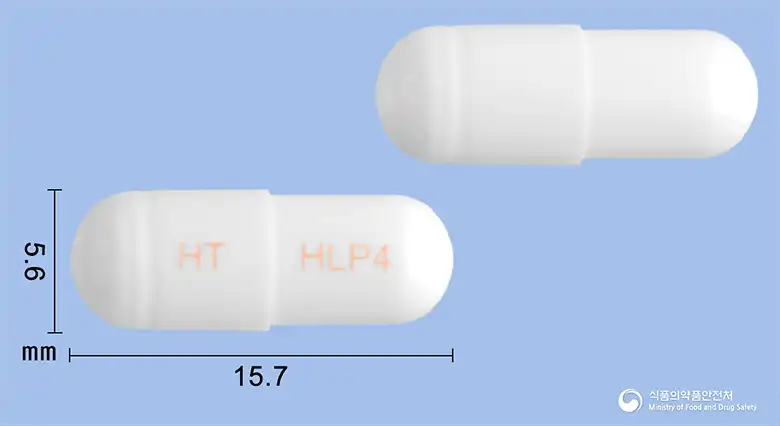
Silodosin 4mg
Hard capsule · Prescription medication
Korea Hyutex Pharmaceutical Co., Ltd.
Silodosin 4mg
Hard capsule · Prescription medication
Aprogen Biologics Co., Ltd.

Silodosin 8mg
Orally disintegrating Tablet · Prescription medication
JW Pharmaceutical Corp.
Even with the same ingredient, the dose and directions can differ by strength and dosage form. Talk to a doctor or pharmacist before switching from a medication you are already taking.
No questions yet.
For anything that needs medical judgment, consult a doctor or pharmacist.
This drug information is based on data provided by the Korea Ministry of Food and Drug Safety.
Consult a doctor or pharmacist for accurate dosage, administration, and usage instructions.