
 한국어
 English
 日本語
 中文(简体)
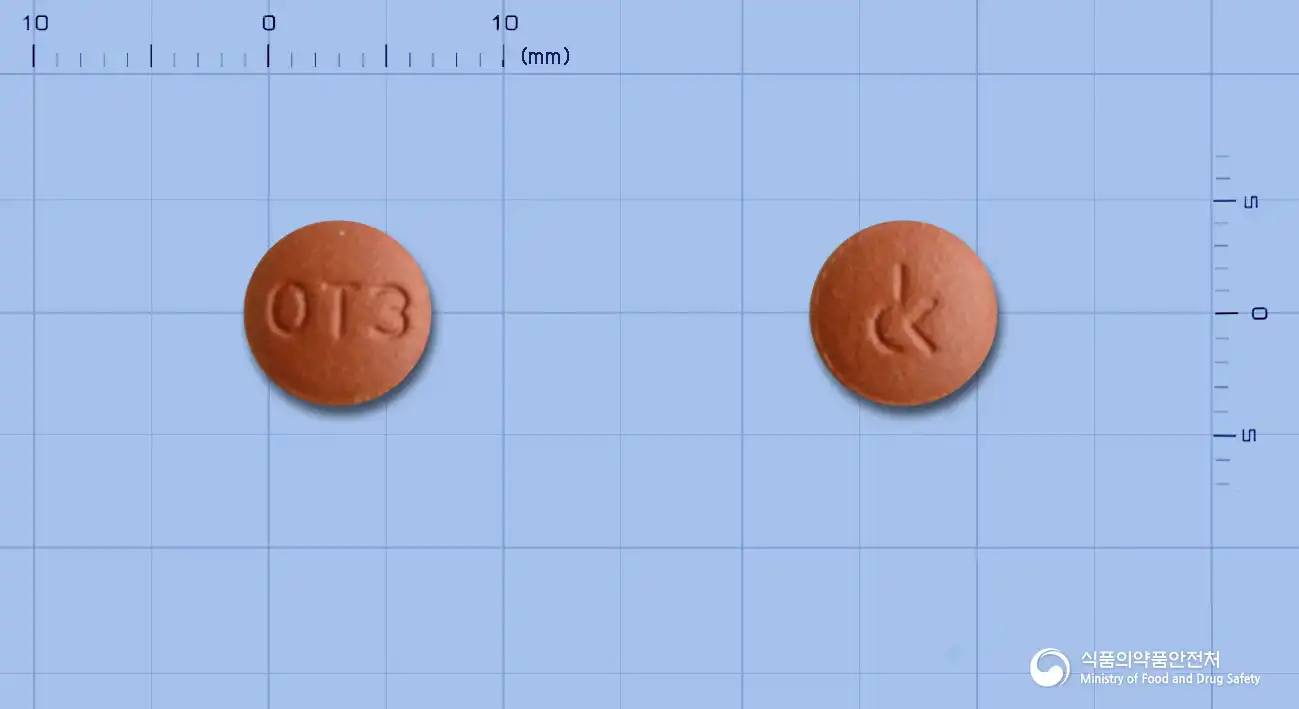 Viewing nowCombination
Olmesartan Medoxomil 5/40 mg Tablet
Olmesartan Medoxomil 40mg · S-Amlodipine Besylate 2.5 Hydrate 7.48mg
Tablet · Prescription medication · Combination
Dongkuk Pharmaceutical Co., Ltd.
MFDS item code 201600300 · Approved 2016.01.18 · Insurance code 653403520
Treatment of essential hypertension not controlled by monotherapy
This medicine is used to effectively manage blood pressure in patients with essential hypertension when blood pressure control is insufficient with monotherapy of S-Amlodipine (Amlodipine) or Olmesartan Medoxomil.
Take 1 tablet once daily with water, regardless of meals. It is recommended to take this medicine at the same time each day, if possible (e.g., in the morning). Before administering this medicine, it is recommended that the dose of each individual component (S-amlodipine (amlodipine) or olmesartan medoxomil) be adjusted. However, if blood pressure is not adequately controlled with monotherapy using the individual components, switching directly to this medicine may be considered. The maximum dose of this medicine is 5/40 milligrams. The maximum blood pressure-lowering effect occurs within 2 weeks after administration; therefore, adjust the dose at intervals of 2 weeks or more, taking the patient's blood pressure response into account. The recommended doses are as follows. - 2.5/20 milligrams: For patients whose blood pressure is not adequately controlled with monotherapy using S-amlodipine 2.5 milligrams (amlodipine 5 milligrams) or olmesartan medoxomil 20 milligrams. - 2.5/40 milligrams: For patients whose blood pressure is not adequately controlled with 2.5/20 milligrams. - 5/40 milligrams: For patients whose blood pressure is not adequately controlled with 2.5/40 milligrams. ○ Patients with renal impairment: This medicine has not been studied in patients with renal impairment. However, the maximum dose of olmesartan medoxomil in patients with mild or moderate renal impairment (creatine clearance 20-60mL/min) is 20 milligrams once daily, and use of this medicine is not recommended in patients with moderate to severe renal impairment (e.g., creatinine clearance < 20 mL/min) or in patients undergoing dialysis. Monitoring of potassium and creatinine levels is recommended in patients with moderate renal impairment. ○ Patients with reduced effective circulating blood volume: In patients who may have reduced effective circulating blood volume (Intravascular volume depletion) (e.g., patients taking diuretics, especially those with renal impairment), it is recommended to initiate treatment at a low dose with adequate monitoring of their condition. ○ Patients with hepatic impairment: Use with caution in patients with mild or moderate hepatic impairment. The recommended initial dose of olmesartan medoxomil in patients with moderate hepatic impairment is 10 milligrams once daily, and the maximum dose is 20 milligrams once daily. In patients with hepatic impairment who are already receiving other antihypertensive medicines and/or diuretics, blood pressure and renal function should be closely monitored. This medicine should not be administered to patients with severe hepatic impairment. (See section 2. Patients who should not receive this medicine under Precautions for Use.) ○ Elderly patients: In general, treatment should be initiated at a low dose. When adjusting the dose, the patient's renal or cardiac function and comorbidities should be considered. Blood pressure should be monitored closely and more frequently in elderly patients.
○ Children: The safety and efficacy of this medicine have not been established in pediatric patients under 18 years of age.
This medication can cause serious harm or death to the fetus and newborns, especially during the second and third trimesters of pregnancy. Therefore, it should be discontinued immediately upon confirmation of pregnancy. This medication should not be administered to individuals with allergies to the active ingredients or related components, pregnant women, nursing mothers, patients with severe liver disorders, severe aortic stenosis, biliary obstruction, renal dialysis patients, patients in shock, and certain diabetes patients. In patients with low blood pressure who are deficient in body fluids or salts, hypotension may occur at the beginning of treatment with this medication, so careful monitoring of the patient's condition is necessary, and appropriate measures should be taken if hypotension arises. Vascular dilation may lead to acute hypotension, so special care should be taken in patients with aortic stenosis. Patients with severe obstructive coronary artery disease may have an increased risk of angina or myocardial infarction when taking this medication, so caution is advised. This medication should be administered with caution in heart failure patients, and patients with decreased renal function need careful monitoring. Patients with liver disorders may have slowed metabolism of this medication, so caution is needed when prescribing. This medication can cause various adverse reactions, including dizziness, headache, hypotension, edema, dyspepsia, rash, and others. Particularly, serum potassium levels may increase, hence patients at risk of hyperkalemia should regularly test their serum potassium concentrations. This medication may interact with other drugs; therefore, any other medications being taken must be disclosed to the doctor or pharmacist. This medication should be avoided during pregnancy, and if planning to become pregnant, safe alternative treatments should be discussed. Nursing women should stop breastfeeding or discontinue this medication, as it may cause adverse reactions in the infant. Safety and efficacy have not been established for patients under 18 years of age, hence it is not recommended. Elderly patients may have altered drug metabolism due to decreased renal and hepatic function, so starting at a lower dose and careful monitoring is advisable. In case of overdose, symptoms such as hypotension and tachycardia may appear, and immediate medical attention is required. This medication should be stored out of the reach of children and kept away from moisture, heat, and direct sunlight. It is important to consult a doctor immediately if any adverse symptoms occur during medication use.
Drug hypersensitivity, hyperkalemia, decreased libido, dizziness, headache, orthostatic hypotension, drowsiness, paresthesia, decreased sensation, syncope, vertigo, palpitations, rapid pulse, hypotension, orthostatic hypotension, dyspnea, cough, nausea, vomiting, dyspepsia, diarrhea, constipation, dry mouth, abdominal pain, rash, urticaria, muscle tension, limb pain, low back pain, frequency of urination, erectile dysfunction, peripheral edema, edema, dependent edema, fatigue, asthenia, facial edema, decreased serum potassium, increased serum creatinine, increased serum uric acid, increased gamma-glutamyl transferase, decreased hemoglobin and hematocrit, low back pain, bronchitis, increased creatine phosphokinase, hematuria, hyperglycemia, hypertriglyceridemia, influenza-like symptoms, pharyngitis, rhinitis, sinusitis, asthenia, angioedema, chronic malabsorption syndrome-like intestinal diseases, intestinal vascular edema, rhabdomyolysis, acute renal failure, elevated serum creatinine, hair loss, itching, jaundice, elevated liver enzymes, leukopenia, thrombocytopenia, toxic epidermal necrolysis, flushing, fatigue, edema, palpitations, vertigo, headache, drowsiness, abdominal pain, nausea, gynecomastia, jaundice, elevated liver enzymes, hypotension, tachycardia, bradycardia
Not everyone experiences these, and they can vary from person to person.
This medication is sensitive to air and moisture, so it must be stored in a tightly sealed container. A storage temperature between 1 degree Celsius and 30 degrees Celsius at room temperature is recommended. Proper storage will help to maintain the efficacy and safety of the medication for a longer time.
Reddish-brown round film-coated tablet
30 tablets
Even with the same ingredient, strength, dosage form and how it is taken can differ.
Viewing nowCombinationOlmesartan Medoxomil 40mg · S-Amlodipine Besylate 2.5 Hydrate 7.48mg
Tablet · Prescription medication · Combination
Dongkuk Pharmaceutical Co., Ltd.
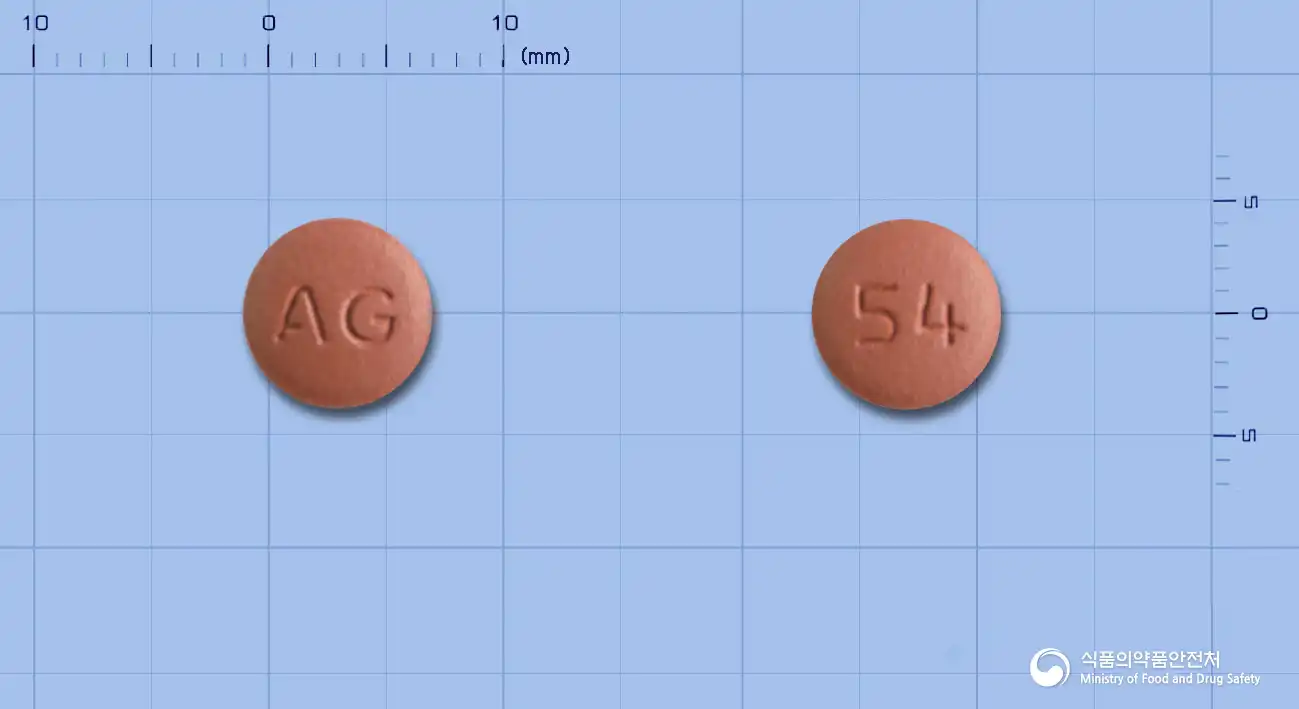 Combination
Olmesartan Medoxomil · S-Amlodipine Besylate 2.5 Hydrate
Prescription medication · Combination
Ahn-Guk Pharmaceutical Co., Ltd.
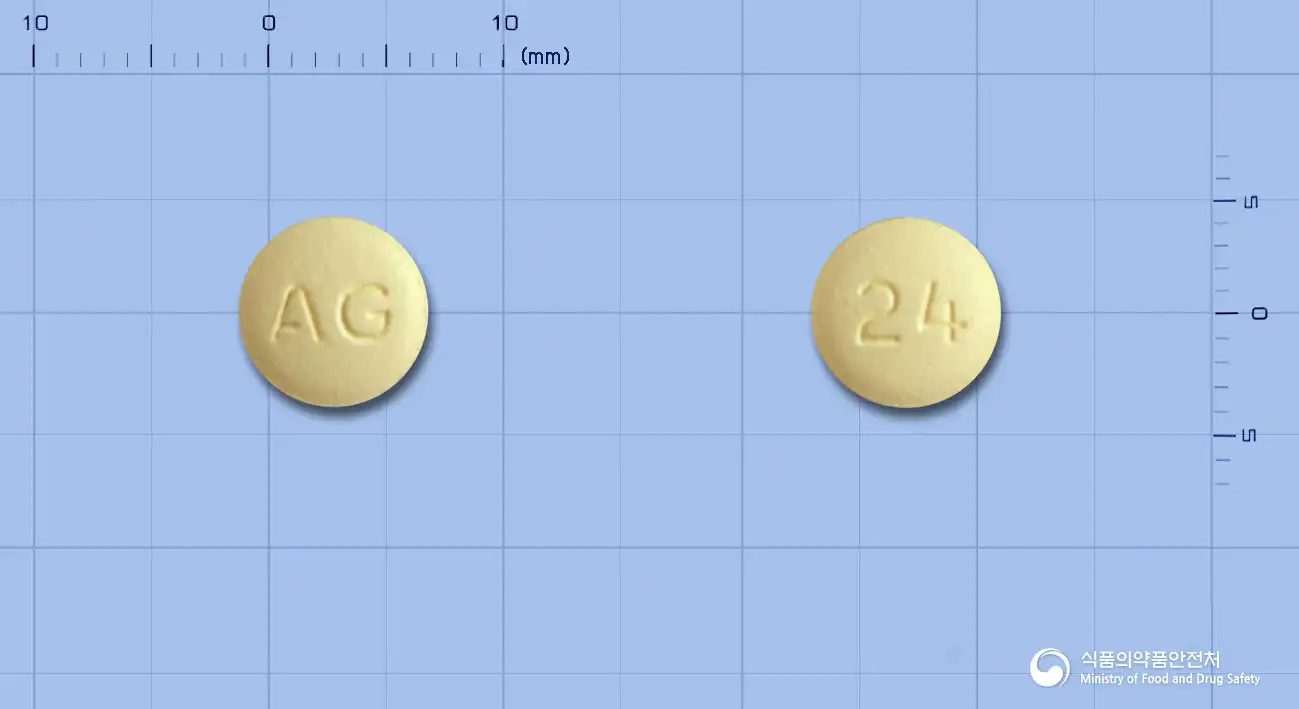 Combination
Olmesartan Medoxomil 40mg · S-Amlodipine Besylate 2.5 Hydrate 3.74mg
Tablet · Prescription medication · Combination
Ahn-Guk Pharmaceutical Co., Ltd.
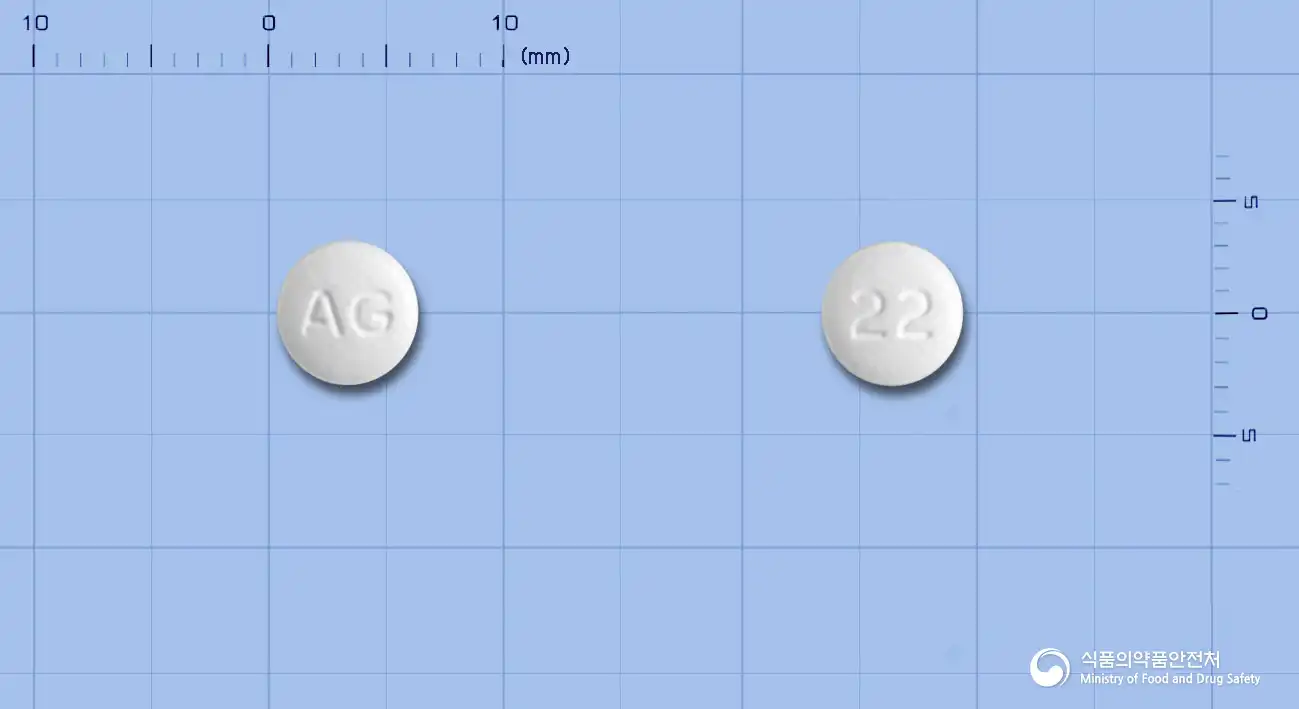 Combination
Olmesartan Medoxomil 20mg · S-Amlodipine Besylate 2.5 Hydrate 3.74mg
Tablet · Prescription medication · Combination
Anguk Pharmaceutical Co., Ltd.
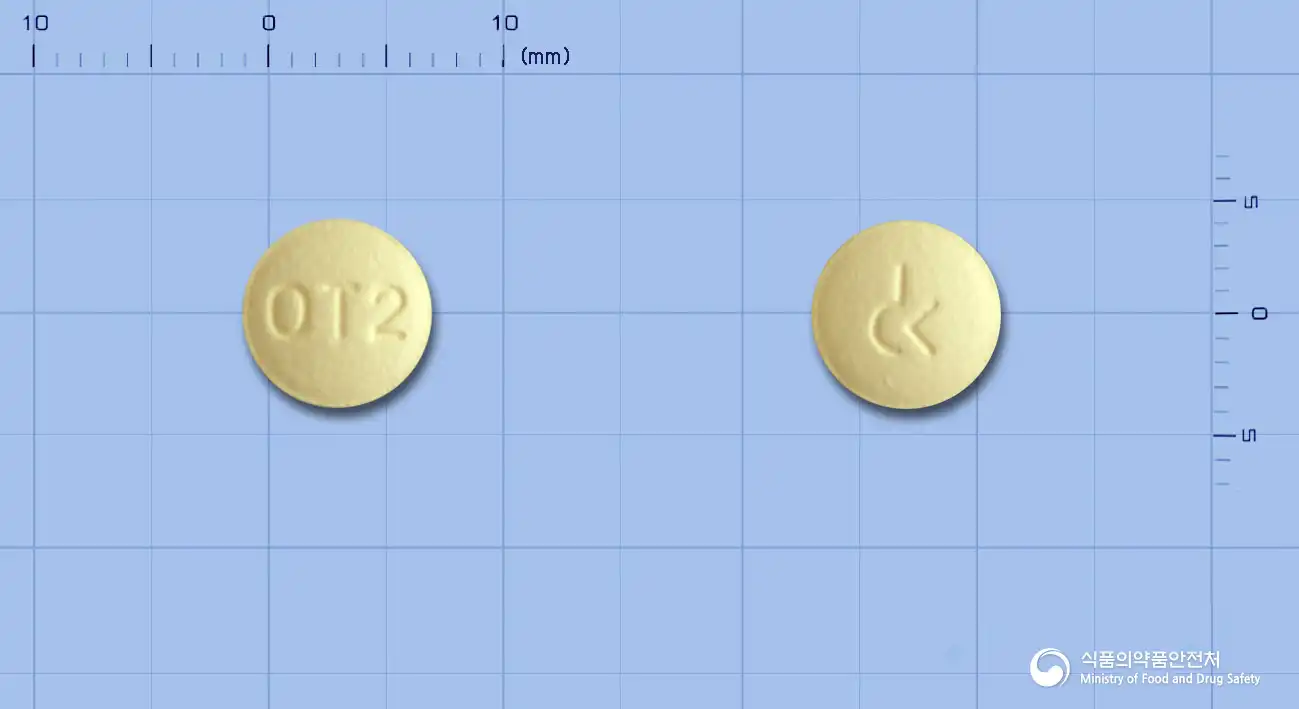 Combination
Olmesartan Medoxomil 40mg · S-Amlodipine Besylate 2.5 Hydrate 3.74mg
Tablet · Prescription medication · Combination
Dongkook Pharmaceutical Co., Ltd.
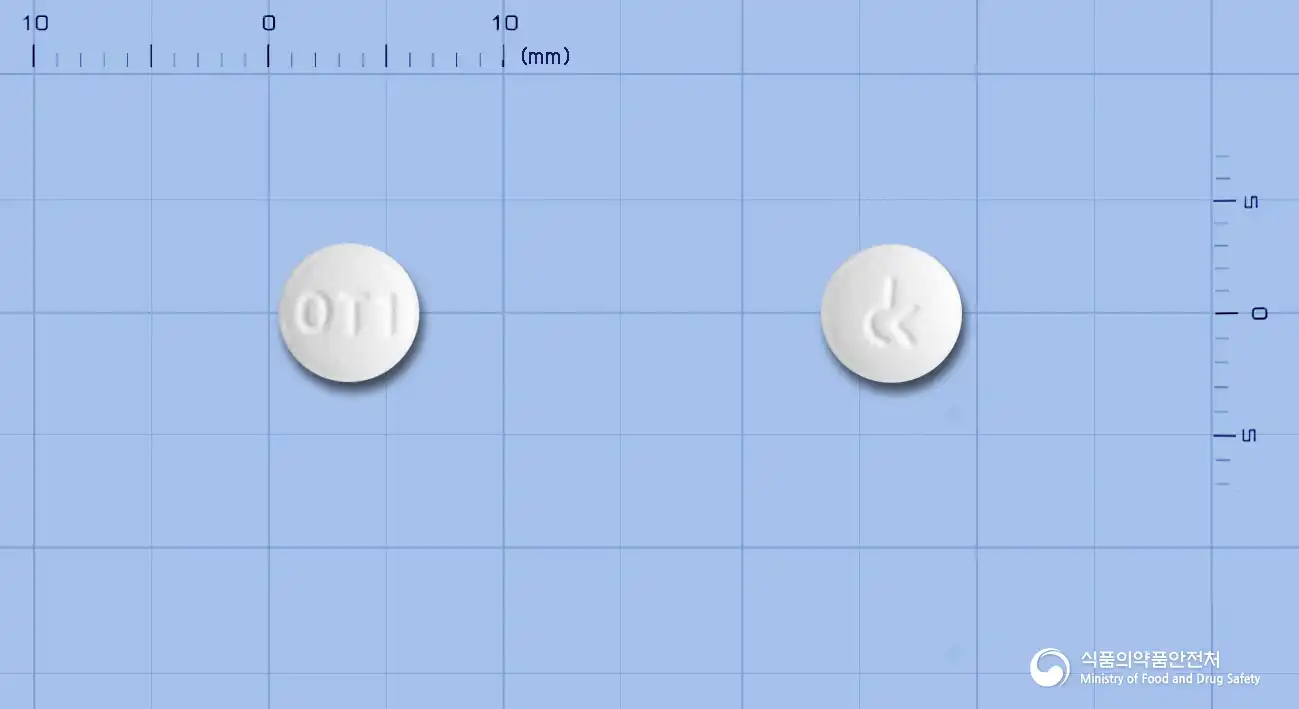 Combination
Olmesartan Medoxomil 20mg · S-Amlodipine Besylate 2.5 Hydrate 3.74mg
Tablet · Prescription medication · Combination
Dongkook Pharmaceutical Co., Ltd.
Even with the same ingredient, the dose and directions can differ by strength and dosage form. Talk to a doctor or pharmacist before switching from a medication you are already taking.
No questions yet.
For anything that needs medical judgment, consult a doctor or pharmacist.
This drug information is based on data provided by the Korea Ministry of Food and Drug Safety.
Consult a doctor or pharmacist for accurate dosage, administration, and usage instructions.