
 한국어
한국어 English
 日本語
日本語 中文(简体)
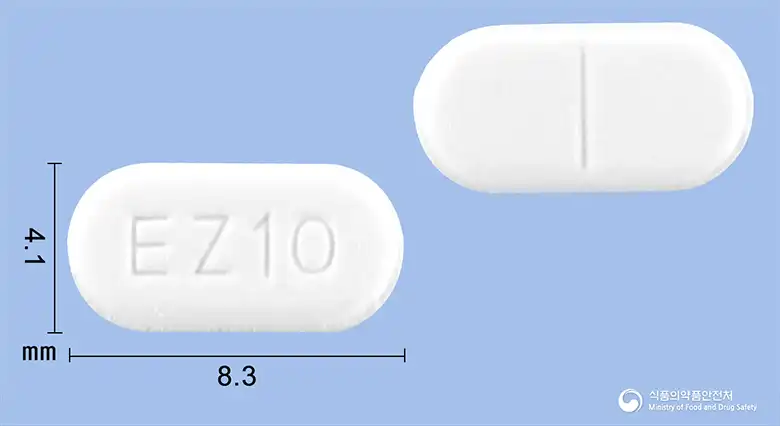 Viewing now
Ezetimibe 10 mg (Ezetimibe) Tablet
Ezetimibe 10mg
Tablet · Prescription medication
Hanmi Pharmaceutical Co., Ltd.
MFDS item code 201600217 · Approved 2016.01.12 · Insurance code 643507500
Reduction of cholesterol and lipid levels in hypercholesterolemia and sitosterolemia to alleviate the risk of cardiovascular disease
This medication helps lower elevated total cholesterol, low-density lipoprotein cholesterol (LDL-C), and apolipoprotein B levels in patients with primary hypercholesterolemia. It is especially used in patients with heterozygous familial and non-familial hypercholesterolemia in conjunction with dietary measures, either alone or in combination with HMG-CoA reductase inhibitors. In patients with mixed dyslipidemia, it is used alongside dietary measures and fenofibrate to reduce total cholesterol, LDL-C, apolipoprotein B, and non-high-density lipoprotein cholesterol (non-HDL-C). Additionally, in patients with homozygous familial hypercholesterolemia, it is used as an adjunct to other lipid-lowering therapies or given together with statins to enhance therapeutic effect. In patients with homozygous sitosterolemia, it helps lower elevated sitosterol and campesterol levels and is used in conjunction with appropriate dietary measures. This drug is quite effective in lowering the risk of dyslipidemia and related vascular diseases and is used to improve patients' cholesterol levels alongside dietary measures.
The recommended dosage of this medication is 10 mg once daily, taken regardless of meals. When used in conjunction with HMG-CoA reductase inhibitors, it should be initiated at the recommended starting dose of the HMG-CoA reductase inhibitor alongside this medication, and if a high dose of HMG-CoA reductase inhibitor is already being administered, it can be used together while maintaining the dose of the HMG-CoA reductase inhibitor. Fenofibrate
This medication should not be used in patients who are allergic to specific components. Patients with liver dysfunction or abnormally high liver enzyme levels should avoid the concomitant use of this medication with specific lipid-lowering agents. Pregnant or nursing women are advised against taking this drug or specific lipid-lowering agents, and they must consult with a physician. The use of this drug is not recommended in patients with moderate to severe liver impairment. While this drug is generally safe, side effects such as headaches, abdominal pain, diarrhea, fatigue, muscle pain, etc., may occur, and if any peculiar symptoms arise, consultation with healthcare personnel should be sought. If symptoms like muscle pain or weakness occur, notify a doctor immediately and get necessary tests. Patients with impaired kidney function can use this drug without special dose adjustment, but careful monitoring by healthcare personnel is necessary. Drug interactions may occur when used in combination with other drugs, so patients should inform their healthcare provider about any medications they are taking. Particularly, caution is required when taken with anticoagulants, immunosuppressants, or lipid-lowering agents. The safety of this drug during pregnancy has not been established, so consult a physician if planning to become pregnant or if pregnant. Nursing women should avoid using this medication as it may be excreted in breast milk. It is not recommended for children under 6 years of age, and dosing in children or adolescents should be followed as directed by healthcare personnel. Elderly patients can generally use it safely, but responses may differ based on individual health status, so caution is needed. In case of overdose, there is no specific antidote, and appropriate treatment should be administered based on symptoms; it should be kept out of reach of children.
Hives, hypersensitivity reactions including angioedema, anaphylaxis, skin and mucous membrane syndrome (Stevens-Johnson syndrome), toxic epidermal necrolysis (Lyell syndrome), drug reaction with eosinophilia and systemic symptoms (DRESS), severe skin reactions including erythema multiforme (SCARs), drug-induced liver injury, hepatitis, thrombocytopenia, pancreatitis, renal failure, myopathy, rhabdomyolysis
Not everyone experiences these, and they can vary from person to person.
This medication is sensitive to air and moisture, so it must be stored in a tightly sealed container. It is important to maintain storage temperatures between 1 and 30 degrees Celsius.
White to almost white oval-shaped tablets
30 tablets (10 tablets/PTPX3)/carton
Even with the same ingredient, strength, dosage form and how it is taken can differ.
Viewing nowEzetimibe 10mg
Tablet · Prescription medication
Hanmi Pharmaceutical Co., Ltd.
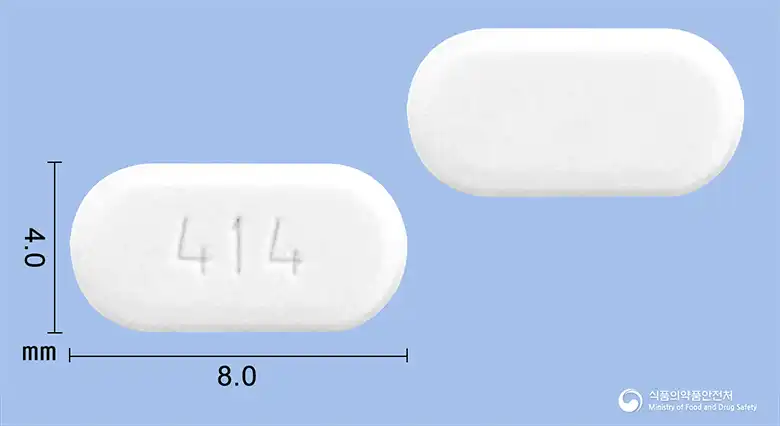
Ezetimibe 10mg
Tablet · Prescription medication
Korea Organon Co., Ltd.
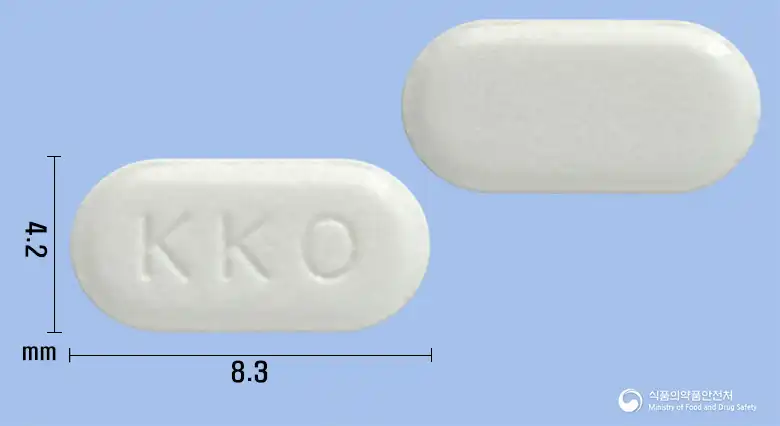
Ezetimibe 10mg
Tablet · Prescription medication
Genewon Science Co., Ltd.
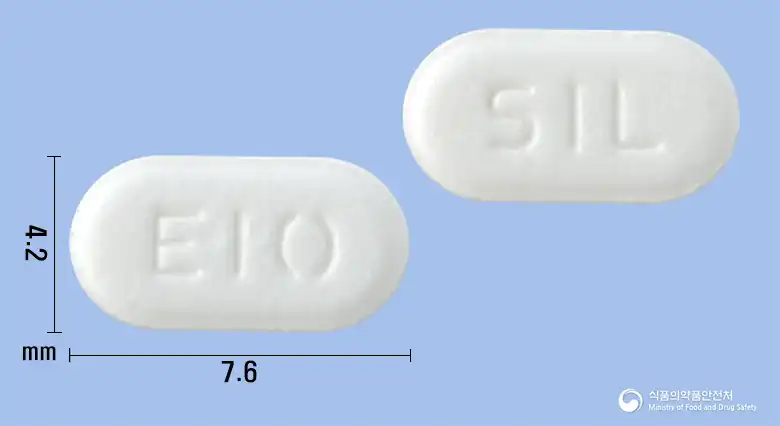
Ezetimibe 10mg
Tablet · Prescription medication
Shin Il Pharmaceutical Co., Ltd.
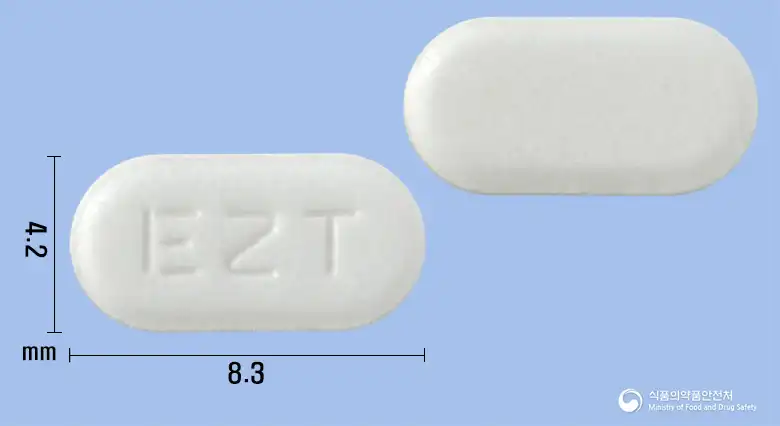
Ezetimibe 10mg
Tablet · Prescription medication
Korea Hutech Pharmaceutical Co., Ltd.
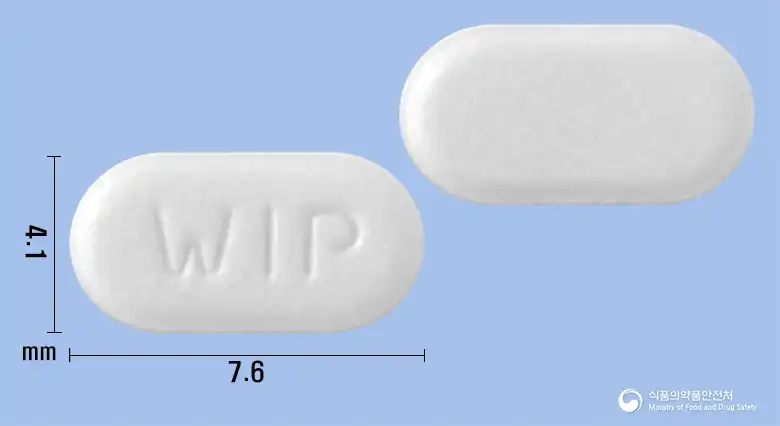
Ezetimibe 10mg
Tablet · Prescription medication
Hwanin Pharmaceutical Co., Ltd.
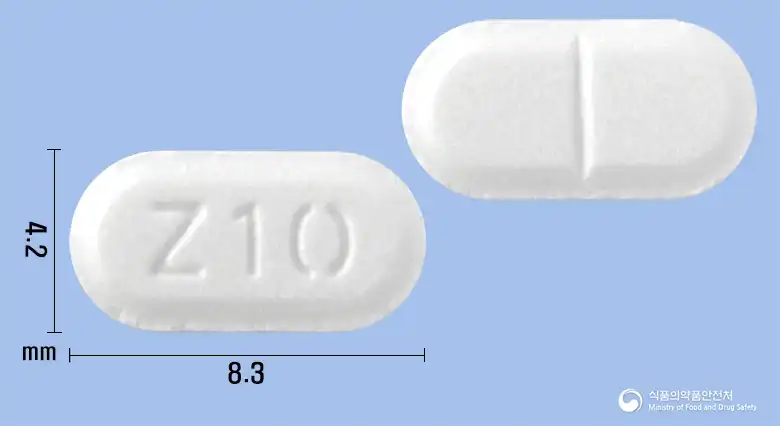
Ezetimibe 10mg
Tablet · Prescription medication
Jinyang Pharmaceutical Co., Ltd.
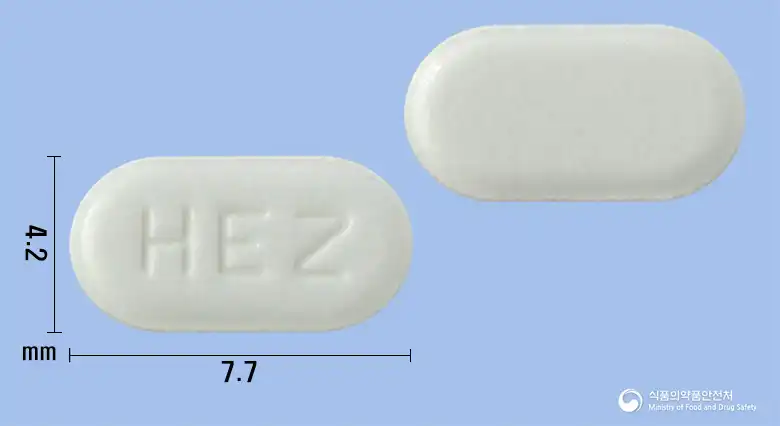
Ezetimibe 10mg
Tablet · Prescription medication
Hana Pharmaceutical Co., Ltd.
Even with the same ingredient, the dose and directions can differ by strength and dosage form. Talk to a doctor or pharmacist before switching from a medication you are already taking.
No questions yet.
For anything that needs medical judgment, consult a doctor or pharmacist.
This drug information is based on data provided by the Korea Ministry of Food and Drug Safety.
Consult a doctor or pharmacist for accurate dosage, administration, and usage instructions.