
 한국어
한국어 English
 日本語
日本語 中文(简体)
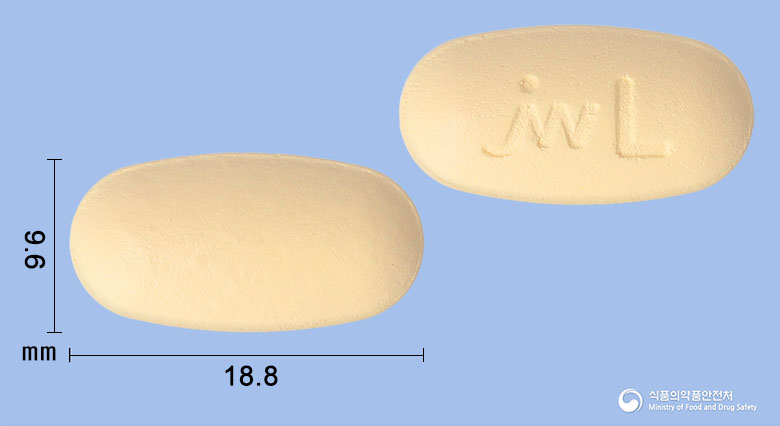 Viewing nowCombination
Gardemet Tablet 100/500 mg
Anagliptin 100mg · Metformin Hydrochloride 500mg
Tablet · Prescription medication · Combination
JW Pharmaceutical Corp.
MFDS item code 201600172 · Approved 2016.01.08 · Insurance code 644914130
Improvement of blood glucose control in adults with type 2 diabetes
This medication helps manage blood glucose levels in adults with type 2 diabetes that is not adequately controlled by diet and exercise alone, using a combination of anagliptin and metformin. It can enhance effectiveness when added to metformin monotherapy when blood glucose control is inadequate. It is also used for patients who are already using anagliptin and metformin together to switch to this medication, thereby improving blood glucose control and aiding diabetes management.
The dosage of this medication should be adjusted based on efficacy and tolerability, within the maximum recommended daily doses of anagliptin 200 mg and metformin 2000 mg for each component. The initial dosage of this medication is determined according to the patient’s current treatment regimen. This medication should be taken twice daily with meals to reduce gastrointestinal side effects associated with metformin, with dosage increases occurring gradually.
This medication contains ingredients used for diabetes treatment that are anagliptin and metformin. When taking this medication, one should be aware of the rare but serious condition known as lactic acidosis. Lactic acidosis can result from excessive accumulation of lactic acid in the blood, which can be dangerous and sometimes life-threatening. Additionally, when taken with insulin or sulfonylureas, symptoms of hypoglycemia may occur, so careful monitoring of blood glucose changes is necessary. Patients with moderate to severe renal impairment, heart failure, acute myocardial infarction, or sepsis, and those with severely impaired liver function should not take this medication. Particularly, if a test involving iodine contrast is planned, the medication should be stopped 48 hours before the test and can be resumed only after confirming normal kidney function. This medication is not recommended for pregnant women, women who may become pregnant, or breastfeeding mothers. During treatment, irregular meals, excessive exercise, or interactions with other medications may raise the risk of hypoglycemia or lactic acidosis, so caution is needed. If severe abdominal pain indicative of acute pancreatitis occurs, immediate consultation with healthcare personnel is required. Various side effects such as gastrointestinal disorders, hypoglycemia, constipation, rash, dizziness, etc. may occur. If symptoms are severe or persistent, inform healthcare personnel. Long-term use may lead to vitamin B12 deficiency, so regular blood tests are recommended. Elderly patients may have reduced renal function, thus requiring regular kidney function tests and potential dose adjustments. In the event of overdose, immediate hospital visit for appropriate treatment is necessary, and dialysis may be required. This medication should not be used in children as its safety and efficacy have not been established. During storage, keep it out of reach of children and do not transfer it to another container. Finally, it is important to avoid alcohol while taking this medication and to regularly monitor blood glucose and kidney function, as well as consult with healthcare personnel immediately if any abnormal symptoms arise.
Severe lactic acidosis, severe hypoglycemia, severe constipation, abdominal distension, persistent abdominal pain, vomiting, acute pancreatitis, bullous pemphigoid, severe allergic reactions, acute renal failure, liver function abnormalities (elevated ALT, AST, etc.), severe joint pain with disability.
Not everyone experiences these, and they can vary from person to person.
This medication should be stored in a sealed container to protect it from air and moisture. It is best to maintain a storage temperature between 1 and 30 degrees Celsius at room temperature to preserve its effectiveness.
Pale yellow oblong film-coated tablet
30 tablets (10 tablets/PTP packaging × 3), 60 tablets/bottle
Even with the same ingredient, strength, dosage form and how it is taken can differ.
Viewing nowCombinationAnagliptin 100mg · Metformin Hydrochloride 500mg
Tablet · Prescription medication · Combination
JW Pharmaceutical Corp.
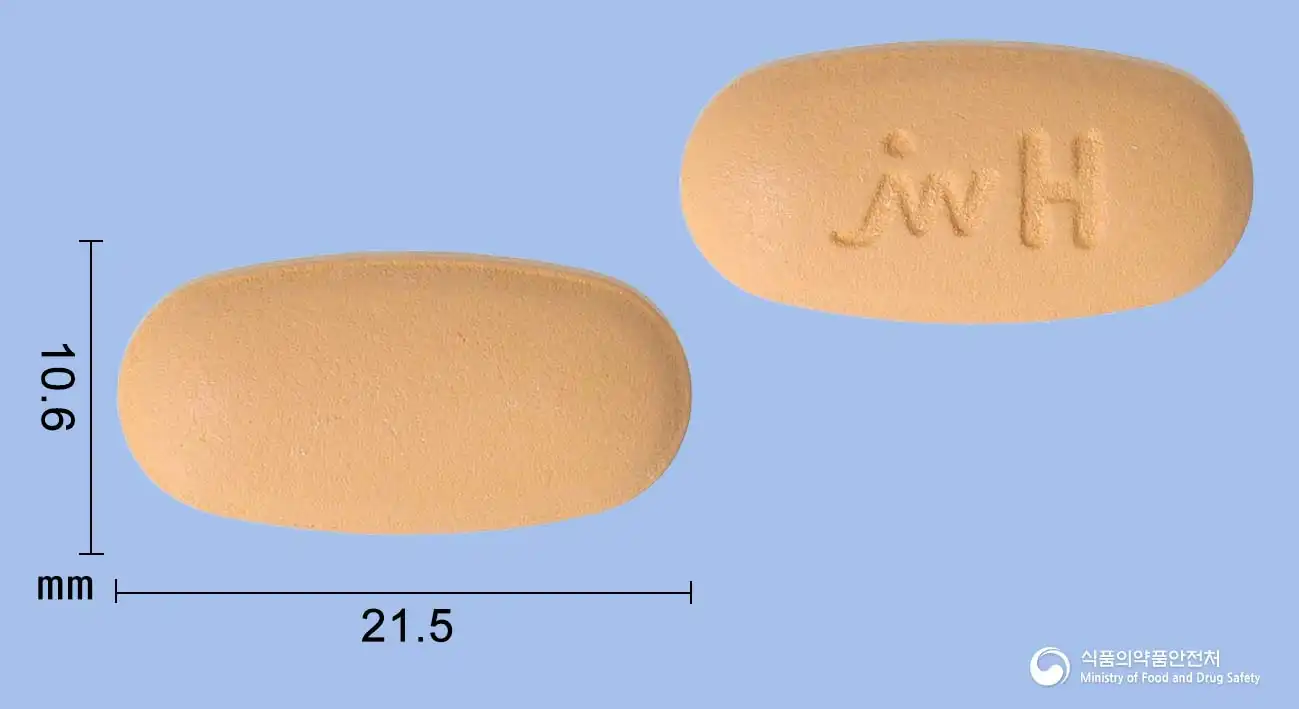 Combination
Anagliptin 100mg · Metformin Hydrochloride 1000mg
Tablet · Prescription medication · Combination
JW Pharmaceutical Co., Ltd.
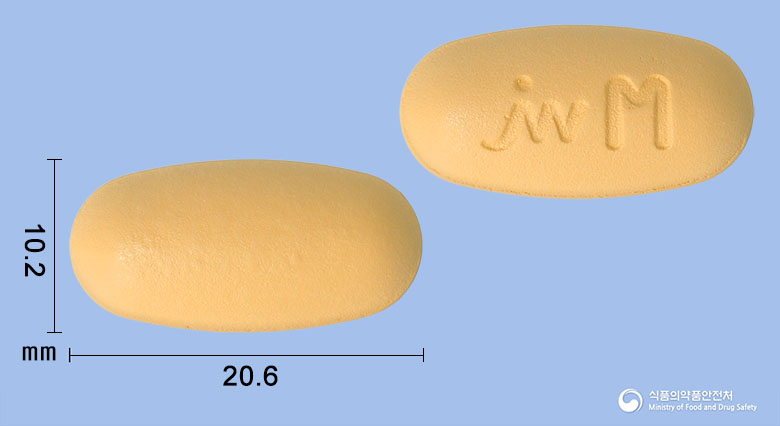 Combination
Anagliptin 100mg · Metformin Hydrochloride 850mg
Tablet · Prescription medication · Combination
JW Pharmaceutical Co., Ltd.
Even with the same ingredient, the dose and directions can differ by strength and dosage form. Talk to a doctor or pharmacist before switching from a medication you are already taking.
No questions yet.
For anything that needs medical judgment, consult a doctor or pharmacist.
This drug information is based on data provided by the Korea Ministry of Food and Drug Safety.
Consult a doctor or pharmacist for accurate dosage, administration, and usage instructions.