
 한국어
한국어 English
 日本語
日本語 中文(简体)
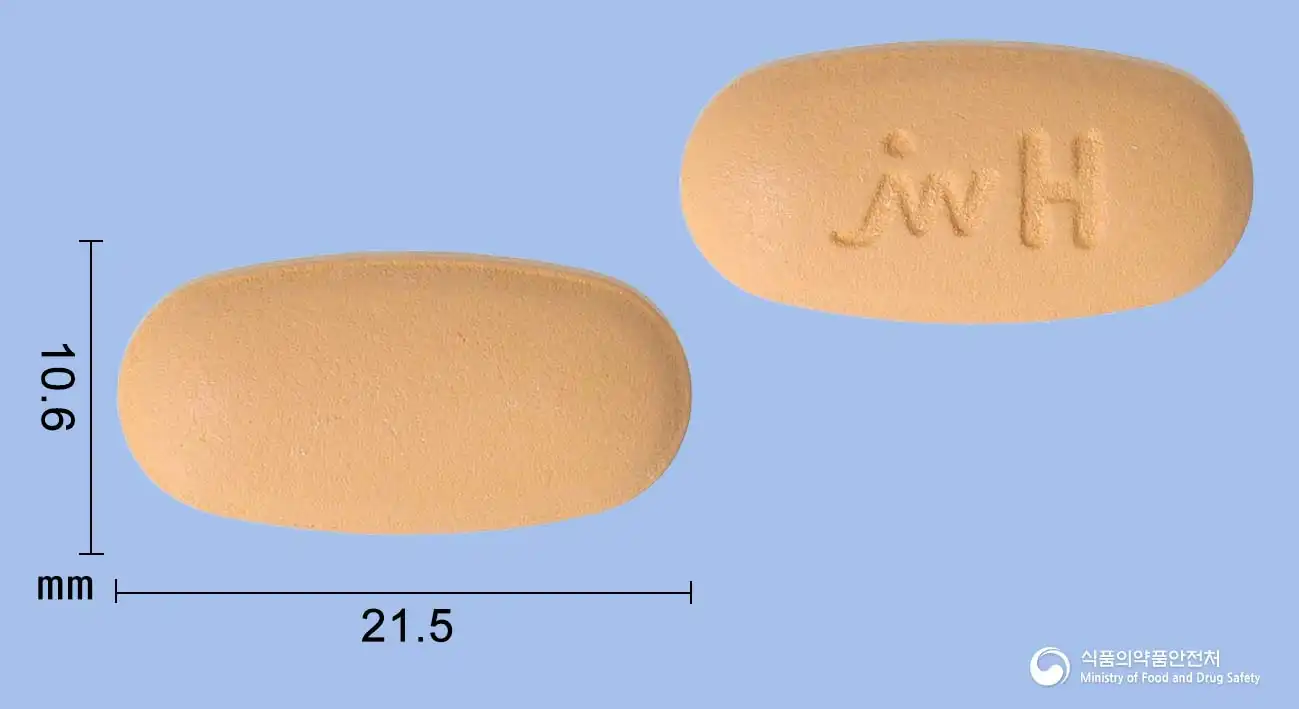 Viewing nowCombination
GardeMet Tablet 100/1000 mg
Anagliptin 100mg · Metformin Hydrochloride 1000mg
Tablet · Prescription medication · Combination
JW Pharmaceutical Co., Ltd.
MFDS item code 201600170 · Approved 2016.01.08 · Insurance code 644914120
Improvement of blood sugar control in adults with type 2 diabetes
This medication is used to assist in the control of blood sugar levels in adult patients with type 2 diabetes. It can enhance effectiveness when combined with metformin in cases where dietary and exercise regimens alone do not suffice, and can be used as a substitute for patients who were previously on a combination therapy of anagliptin and metformin. It contributes to more stable management of blood sugar levels.
The dosage of this medication should be adjusted based on its efficacy and tolerability, not exceeding the maximum recommended daily dosage of anagliptin 200 mg and metformin 2000 mg for each component. The initial dose should be determined based on the patient's current treatment regimen. To reduce gastrointestinal side effects related to metformin use, it is administered twice daily with meals, and the increase in dosage should be gradual. The tablets should be swallowed whole.
This medication is used for the treatment of diabetes and helps control blood sugar levels. Caution is required when taking this medication as there is a risk of rare but serious side effects, such as lactic acidosis. Lactic acidosis can lead to serious health issues due to the excessive accumulation of lactic acid in the body, particularly in patients with impaired kidney function or cardiovascular disease. Additionally, when taken with insulin or sulfonylurea medications, hypoglycemia may occur; therefore, patients should frequently check their blood sugar levels and be alert for symptoms. Patients with moderate to severe renal impairment, those with serious conditions such as heart failure, acute myocardial infarction, and sepsis, patients with liver dysfunction, or those who excessively consume alcohol should not take this medication. If surgery is planned or there are severe infections or trauma, the use of this medication should be temporarily stopped and discussed with a healthcare provider. It is also safer for women who are pregnant or breastfeeding not to take this medication. During treatment, patients should be cautious of irregular or insufficient food intake, intense exercise, or taking other medications, as there is a risk of hypoglycemia or lactic acidosis. Acute pancreatitis may occur, so if symptoms such as abdominal pain or vomiting arise, immediate consultation with healthcare personnel is necessary. This medication may cause side effects such as constipation, diarrhea, gastrointestinal discomfort, rash, dizziness, and hypoglycemia; if symptoms are severe, administration should be stopped, and a consultation with a physician is recommended. It is particularly important to regularly check for kidney function to ensure there are no abnormalities, and if renal function declines, immediate discontinuation of the medication is required. Alcohol consumption may increase the risk of lactic acidosis, so it is advisable to avoid drinking while on this medication. Vitamin B12 levels may decrease, so periodic blood tests are necessary to monitor levels, and appropriate treatment should be sought if a deficiency is suspected. Patients should immediately notify healthcare personnel if blood sugar control changes suddenly or if unusual symptoms occur during the administration of this medication. Elderly patients or those with impaired kidney function should exercise extra caution in taking this medication, and dosage adjustments may be necessary. In cases of overdose, immediate medical assistance should be sought, and blood dialysis may be required. This medication is not to be used in children as its safety has not been established. When taking this medication, it should be kept out of the reach of children, and it is preferable not to transfer it into a different container. Lastly, this medication may interact with other drugs, so it is essential to inform the physician or pharmacist of any medications currently being taken.
Severe hypoglycemia, acute pancreatitis, pseudoporphyria (including skin rash with water content and erosion), severe allergic reactions (hives, severe swelling, chest tightness, difficulty breathing, cold sweat, pallor), severe skin adverse reactions (severe rash, blisters, skin peeling, mucosal pain in mouth and eyes with fever), respiratory issues (shortness of breath or difficulty breathing, asthma attacks, respiratory issues accompanied by cough and fever), liver abnormalities (skin
Constipation, hypoglycemia, positive fecal occult blood, gastrointestinal symptoms (diarrhea, gastritis, abdominal bloating, abdominal pain, abdominal discomfort, nausea, vomiting, enteritis, flatulence, peptic ulcers), skin rash, itching, elevated ALT (GPT), elevated AST (GOT), elevated γ-GTP, dizziness, anemia, increased white blood cell count, nasopharyngitis, edema, elevated CK (CPK), positive urine blood, increased serum uric acid, pharyngitis, upper respiratory infections, headache
Not everyone experiences these, and they can vary from person to person.
Keep this medication in a sealed container to prevent exposure to air and moisture, and store it at room temperature between 1 degree and 30 degrees Celsius. This way of storage helps maintain the effectiveness of the medication and ensures safe use.
Dark yellow oval film-coated tablets
30 tablets (10 tablets/PTP packaging × 3), 60 tablets/bottle
Even with the same ingredient, strength, dosage form and how it is taken can differ.
Viewing nowCombinationAnagliptin 100mg · Metformin Hydrochloride 1000mg
Tablet · Prescription medication · Combination
JW Pharmaceutical Co., Ltd.
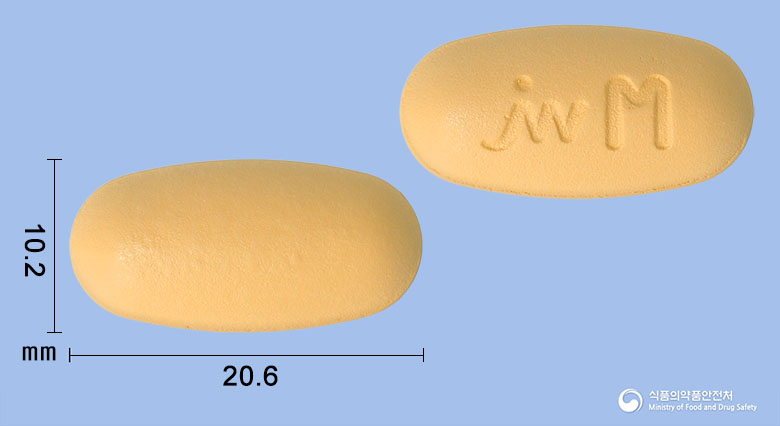 Combination
Anagliptin 100mg · Metformin Hydrochloride 850mg
Tablet · Prescription medication · Combination
JW Pharmaceutical Co., Ltd.
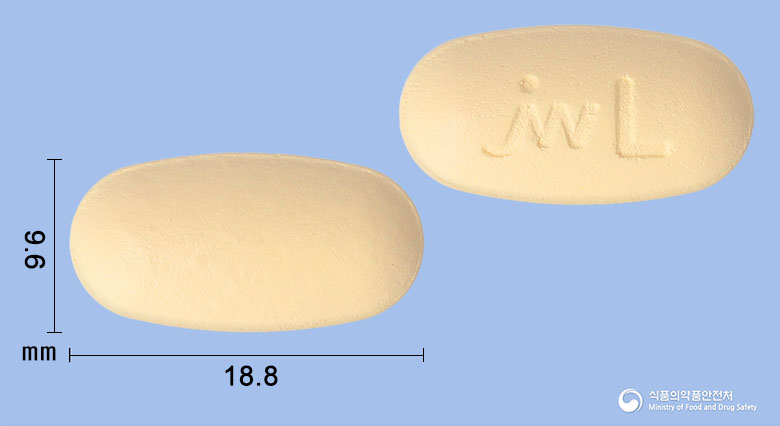 Combination
Anagliptin 100mg · Metformin Hydrochloride 500mg
Tablet · Prescription medication · Combination
JW Pharmaceutical Corp.
Even with the same ingredient, the dose and directions can differ by strength and dosage form. Talk to a doctor or pharmacist before switching from a medication you are already taking.
No questions yet.
For anything that needs medical judgment, consult a doctor or pharmacist.
This drug information is based on data provided by the Korea Ministry of Food and Drug Safety.
Consult a doctor or pharmacist for accurate dosage, administration, and usage instructions.