
 한국어
한국어 English
 日本語
日本語 中文(简体)
 Viewing nowCombination
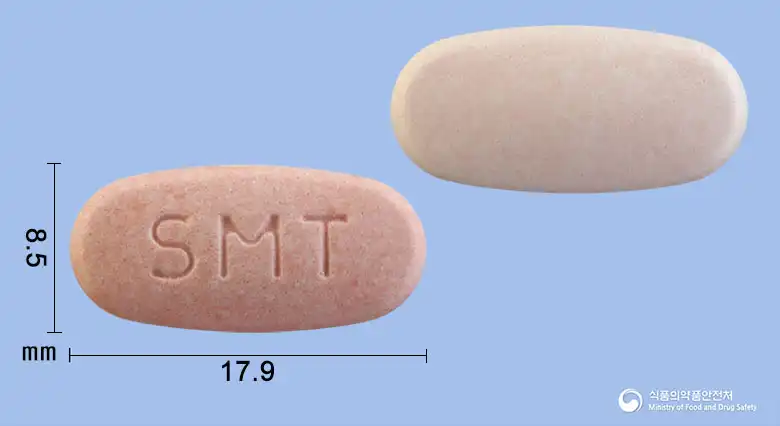
SugarMet Extended-Release Tablet 2.5/500 mg
Metformin Hydrochloride 500mg · Evogliptin Tartrate 3.4345mg
Tablet · Prescription medication · Combination
Dong-A ST Co., Ltd.
MFDS item code 201508555 · Approved 2015.12.31 · Insurance code 642507340
Improvement of blood glucose control in adults with type 2 diabetes.
This medicine is used for adult patients with type 2 diabetes who need blood glucose control in conjunction with dietary and exercise therapy. It is especially helpful when blood glucose control with metformin alone is difficult or as an alternative to combined therapy with evogliptin and metformin. This medicine is effective in improving blood glucose control and managing diabetes.
This medicine is generally administered once daily with the evening meal, and the dosage is adjusted gradually to reduce gastrointestinal side effects associated with metformin. The 5/1000 mg extended-release tablet is taken once daily, 1 tablet at a time. Patients taking the 2.5/500 mg extended-release tablet or 2.5/850 mg extended-release tablet should take 2 tablets at once, once daily. For patients who cannot achieve sufficient blood glucose control with metformin monotherapy, the initial dosage of this medicine should provide evogliptin 5 mg once daily along with the existing dosing of metformin. For patients transitioning from a combination therapy of evogliptin and metformin, the dosage of this medicine can start with the existing doses of evogliptin and metformin. When switching from immediate-release metformin to the extended-release form, blood glucose control should be closely monitored and dosage adjustments should be made appropriately. Studies evaluating the safety and efficacy of this medicine in patients previously treated with other oral hypoglycemic agents have not been conducted. Any changes in treatment for type 2 diabetes may induce changes in blood glucose control, thus careful monitoring is necessary. To maintain the extended-release characteristics, this medicine should not be split, crushed, ground, or chewed, but should be swallowed whole.
This medicine helps with blood glucose control and there are several precautions to take when using it. Firstly, although rare, a serious condition called lactic acidosis may occur, which is a dangerous state caused by an excessive buildup of lactic acid in the body. This condition has a higher risk of occurrence in patients with impaired kidney function or heart problems; therefore, caution is advised. Additionally, hypoglycemia may occur when used with insulin or other diabetes medications, so blood glucose levels should be monitored closely. Patients with moderate to severe renal impairment, heart failure, acute heart issues or severe infections, liver dysfunction, and women who are pregnant or breastfeeding should not use this medicine. Patients scheduled for surgery should discontinue this medicine 48 hours prior to surgery and resume it only after confirming normal kidney function post-surgery. Caution should also be taken when this medicine is used by patients with irregular or insufficient food intake, those undergoing vigorous exercise, or those taking specific medications concurrently. If abdominal pain or sudden severe abdominal pain occurs during treatment, pancreatitis may be a possibility, so immediate consultation with a doctor is necessary. This medicine should be swallowed whole without breaking or chewing, and the shell may be expelled in the stool, which is normal. If health status changes due to renal impairment, liver dysfunction, excessive alcohol intake, dehydration, severe infections, etc., the use of this medicine should be stopped and medical consultation sought. Moreover, this medicine may lower vitamin B12 levels, so regular blood tests to monitor this are recommended. In case of overdose, immediate hospital treatment is required, and if necessary, blood dialysis can be used to remove the drug. Finally, children and the elderly should have their kidney function monitored regularly when using this medicine, and elderly patients should avoid maximum dosage for safety.
Various gastrointestinal disorders (constipation, gastric disorder, nausea, abdominal pain, discomfort in the upper abdomen, gastric atony, gastroesophageal reflux disease, dyspepsia, diarrhea, malaise, vomiting), bronchitis, dizziness, gait disturbance, periodontal disease, nasopharyngitis, erectile dysfunction, arthralgia, dental pain, contact dermatitis, myalgia, headache, abnormal olfaction, insomnia, palpitations, epistaxis, renal impairment, sexual dysfunction
Not everyone experiences these, and they can vary from person to person.
This medicine may be sensitive to air and moisture, so it should be stored in a tightly closed container. It is recommended to maintain storage temperatures between 1°C and 30°C to preserve the efficacy of the medicine for a longer period.
Soft pink oval film-coated tablet consisting of immediate-release and extended-release layers.
30 tablets/bottle
Even with the same ingredient, strength, dosage form and how it is taken can differ.
Viewing nowCombinationMetformin Hydrochloride 500mg · Evogliptin Tartrate 3.4345mg
Tablet · Prescription medication · Combination
Dong-A ST Co., Ltd.
 Combination
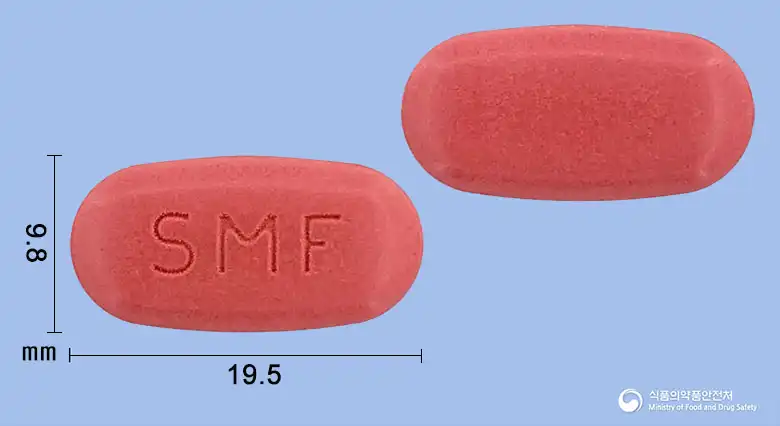
Evogliptin Tartrate 6.869mg · Metformin Hydrochloride 70.08mg
Tablet · Prescription medication · Combination
Dong-A ST Co., Ltd.
 Combination
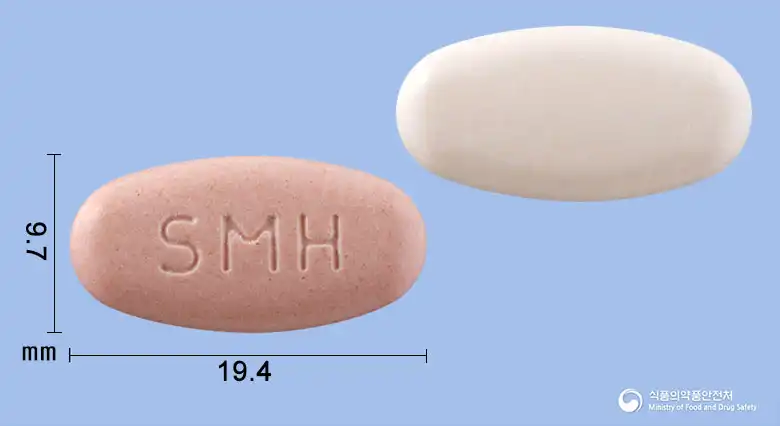
Metformin Hydrochloride 850mg · Evogliptin Tartrate 3.4345mg
Tablet · Prescription medication · Combination
Dong-A ST Co., Ltd.
Even with the same ingredient, the dose and directions can differ by strength and dosage form. Talk to a doctor or pharmacist before switching from a medication you are already taking.
No questions yet.
For anything that needs medical judgment, consult a doctor or pharmacist.
This drug information is based on data provided by the Korea Ministry of Food and Drug Safety.
Consult a doctor or pharmacist for accurate dosage, administration, and usage instructions.