
 한국어
한국어 English
 日本語
日本語 中文(简体)
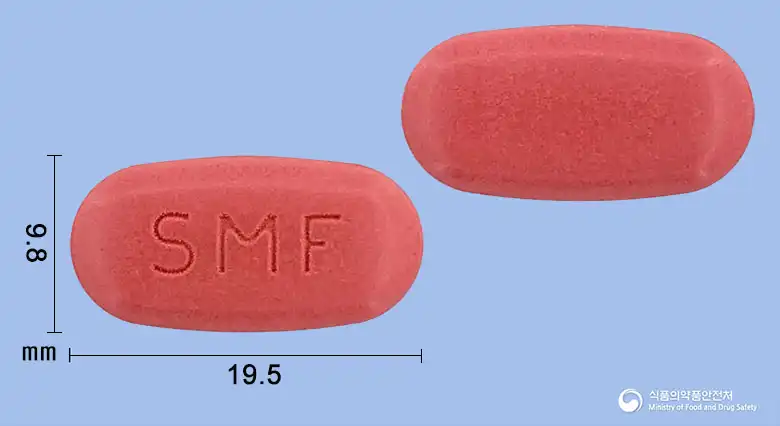 Viewing nowCombination
Sugamet Extended-Release Tablet 5/1000 mg
Evogliptin Tartrate 6.869mg · Metformin Hydrochloride 70.08mg
Tablet · Prescription medication · Combination
Dong-A ST Co., Ltd.
MFDS item code 201508553 · Approved 2015.12.31 · Insurance code 642507360
Improvement of blood sugar control in type 2 diabetes
This medication is used to improve blood sugar control in adult patients with type 2 diabetes, in conjunction with diet and exercise. It is particularly suitable for patients who cannot achieve adequate blood sugar control with metformin alone and is also used as an alternative therapy for patients previously on a combination of ebogliflozin and metformin. This medication helps maintain health in diabetic patients by improving blood sugar management.
This medication is generally administered once daily with the evening meal; the 5/1000 mg extended-release tablet is to be taken as one tablet once daily. Patients taking the 2.5/500 mg or 2.5/850 mg extended-release tablets should take two tablets simultaneously once daily. For patients where adequate blood sugar control is not achieved with metformin monotherapy, the initial dose is 5 mg of ebogliflozin once daily along with the existing dose of metformin.
This medication is used in diabetes treatment to help lower blood sugar. However, it can rarely cause a serious condition called lactic acidosis, so immediate medical attention should be sought if symptoms appear. Additionally, caution should be exercised when used with insulin or sulfonylureas as hypoglycemia may occur. Patients with moderate to severe renal impairment or severe heart disease or liver dysfunction should not use this medication. Specifically, if undergoing examination with radiographic contrast agents, this medication should be discontinued 48 hours prior to the examination and only restarted once kidney function is confirmed to be normal. It is also safer for women who are pregnant or nursing to avoid this medication. Patients who eat irregularly or engage in vigorous exercise, or take this medication with other drugs should use this medication carefully. If persistent abdominal pain or symptoms of acute pancreatitis occur while taking this medication, use should be stopped immediately and the physician consulted. This medication may cause side effects such as gastrointestinal disturbances, dizziness, and infections, and may rarely cause skin rashes, headaches, or myalgia. Regular blood tests are necessary as vitamin B12 levels may decrease. Alcohol consumption may increase the risk of side effects from this medication, so avoiding it is advisable. This medication should be temporarily stopped if surgery is forthcoming or if there are severe infections, trauma or poor physical condition. This medication should be swallowed whole and not crushed or chewed, and the tablet coating appearing in the stool is normal. Informing the physician or pharmacist about potential interactions with other medications is crucial, especially since older adults with reduced kidney function need to be particularly cautious. In case of overdose, seek emergency medical treatment and it may require blood dialysis. This medication is not used in children as safety and effectiveness have not been established.
Hives, severe swelling (angioedema), headache (severe headache, lightning headache), severe allergic reactions, liver abnormalities (including liver dysfunction and jaundice), lactic acidosis (muscle pain, malaise, difficulty breathing, abdominal pain, low body temperature, low blood pressure, bradyarrhythmia), hypoglycemia (severe hypoglycemia), acute pancreatitis (persistent and severe abdominal pain), bullous pemphigoid, severe and disabling joint pain, difficulty breathing, shortness of breath
Gastrointestinal disturbances (constipation, gastric disturbance, nausea, abdominal pain, discomfort in the upper abdomen, gastric atony, gastroesophageal reflux disease, dyspepsia, diarrhea, vomiting), abnormal liver function tests, decreased renal creatinine clearance, weight loss, decreased blood urea, appetite loss, hypouricemia, bronchitis, dizziness, gait disturbance, rhinitis, erectile dysfunction, periodontitis, joint pain, headache, altered sense of smell, muscle pain, palpitations, insomnia
Not everyone experiences these, and they can vary from person to person.
This medication should be stored in a tightly closed container to prevent air or moisture from entering, ideally at a temperature between 1 degree and 30 degrees Celsius. Storing it this way helps maintain the medication's effectiveness and safety.
Dark pink rectangular film-coated tablet
30 tablets/bottle
Even with the same ingredient, strength, dosage form and how it is taken can differ.
Viewing nowCombinationEvogliptin Tartrate 6.869mg · Metformin Hydrochloride 70.08mg
Tablet · Prescription medication · Combination
Dong-A ST Co., Ltd.
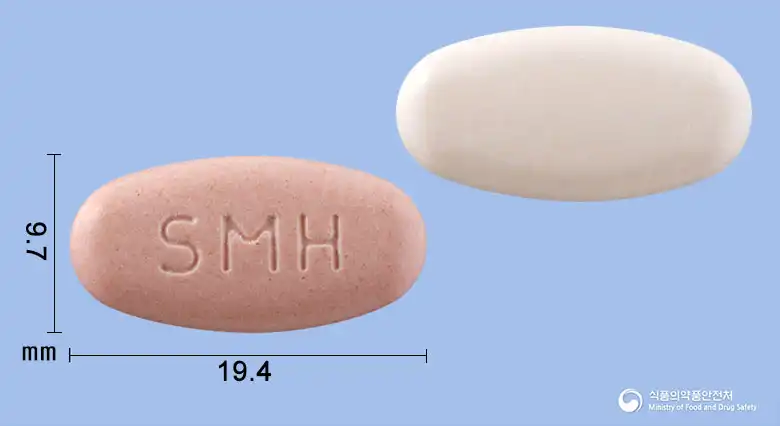 Combination
Metformin Hydrochloride 850mg · Evogliptin Tartrate 3.4345mg
Tablet · Prescription medication · Combination
Dong-A ST Co., Ltd.
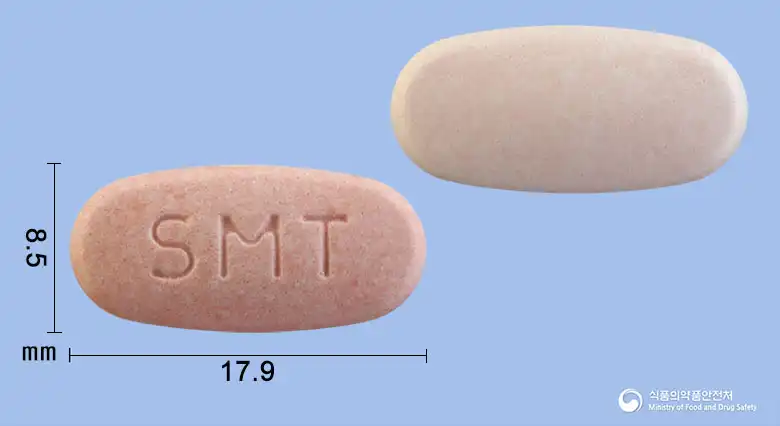 Combination
Metformin Hydrochloride 500mg · Evogliptin Tartrate 3.4345mg
Tablet · Prescription medication · Combination
Dong-A ST Co., Ltd.
Even with the same ingredient, the dose and directions can differ by strength and dosage form. Talk to a doctor or pharmacist before switching from a medication you are already taking.
No questions yet.
For anything that needs medical judgment, consult a doctor or pharmacist.
This drug information is based on data provided by the Korea Ministry of Food and Drug Safety.
Consult a doctor or pharmacist for accurate dosage, administration, and usage instructions.