
 한국어
 English
 日本語
 中文(简体)
Dosage form image
Viewing nowEspas Tablet 4 mg (Silodosin)
Silodosin 4mg
Tablet · Prescription medication
Samchundang Pharmaceutical Co., Ltd.
MFDS item code 201508426 · Approved 2015.12.24
This product's status changed to Expired on 2025.12.24. It may no longer be sold, so consult a doctor or pharmacist before taking it.
Improvement of urinary disorders associated with benign prostatic hyperplasia
This medication is used to improve urination disorders caused by benign prostatic hyperplasia.
Adults: Administer orally either 1 tablet of 4mg twice daily after breakfast and dinner, or 2 tablets of 4mg (8mg) once daily with a meal. However, increased plasma concentrations of silodosin have been reported in patients with renal impairment, and plasma concentrations may also increase in patients with hepatic impairment. Therefore, monitor the patient's condition and adjust the dose as appropriate according to symptoms, including initiating treatment at a low dose (2mg per dose, twice daily).
This medication should not be used by patients with known allergies to any of its components, severe renal impairment, or severe hepatic dysfunction. Additionally, patients taking strong CYP3A4 enzyme inhibitors should avoid concomitant use. Caution is advised when administering to patients with orthostatic hypotension symptoms or those with slight impairment of liver or kidney function. Patients taking antihypertensives, other alpha-blockers, and PDE5 inhibitors should be cautious as blood pressure may drop excessively when taken together. During the use of this medication, side effects such as ejaculation disorders, dizziness, headaches, dry mouth, diarrhea, nasal congestion may occur; if any abnormalities present, consult a medical professional immediately. In particular, there may be instances of sudden blood pressure drop causing fainting, hence care is required with changes in position, and caution is advised when driving or performing hazardous tasks. Overdose may lead to hypotension, thus prescribed doses should be strictly adhered to, and blood pressure should be carefully monitored when taken with other antihypertensive medications. While this medication helps alleviate symptoms of benign prostatic hyperplasia, as symptoms may resemble those of prostate cancer, evaluation for the presence of prostate cancer should be conducted before administration. Patients planning cataract surgery must inform their healthcare provider about this medication, and it is not to be used in patients with severe liver dysfunction. This medication should be kept out of the reach of children, and transferring to another container should be avoided as it may affect the medication's quality. In elderly patients, starting with a lower dose is recommended, considering liver and kidney function, and careful observation should be maintained during dosage.
Not everyone experiences these, and they can vary from person to person.
This medication should be stored in a tightly sealed container that protects it from light and kept at room temperature between 1°C and 30°C. Storing it in this way helps maintain its efficacy over time.
White round film-coated tablet
60 tablets (10 tablets/PTP x 6)
Even with the same ingredient, strength, dosage form and how it is taken can differ.
Silodosin 4mg
Tablet · Prescription medication
Samchundang Pharmaceutical Co., Ltd.
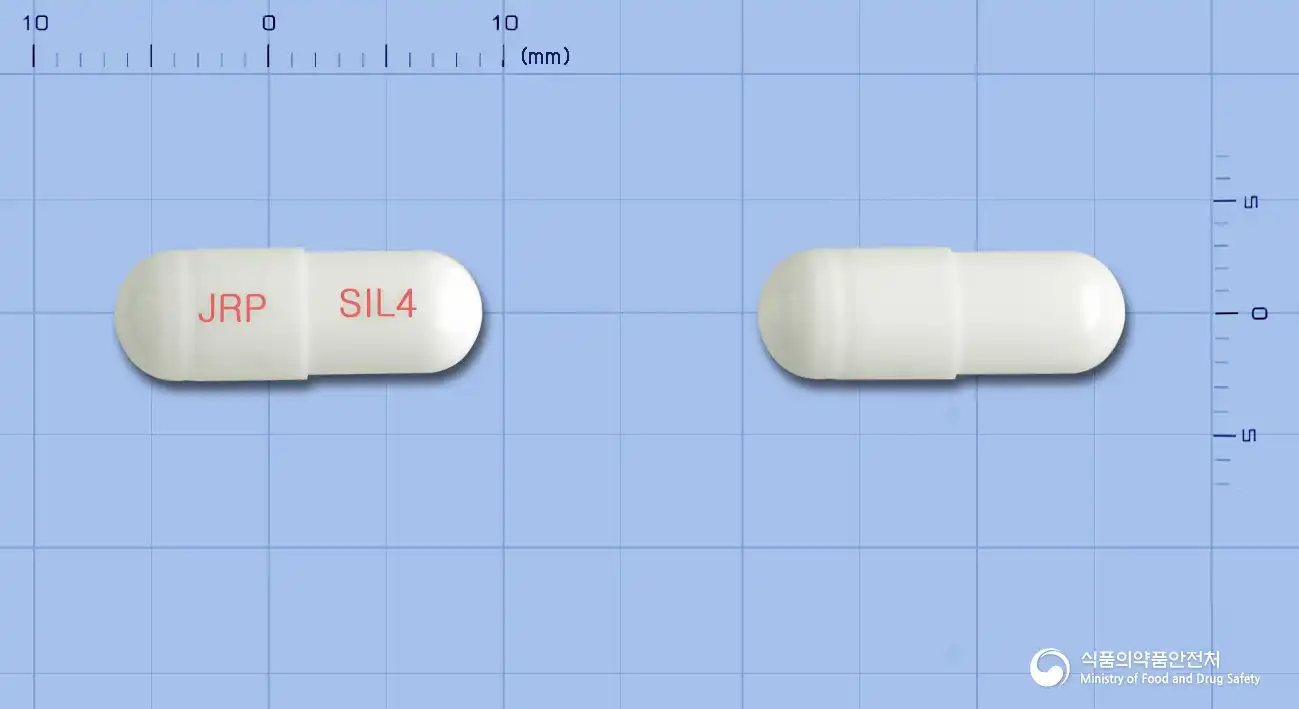
Silodosin 4mg
Hard capsule · Prescription medication
JW Pharmaceutical Corporation
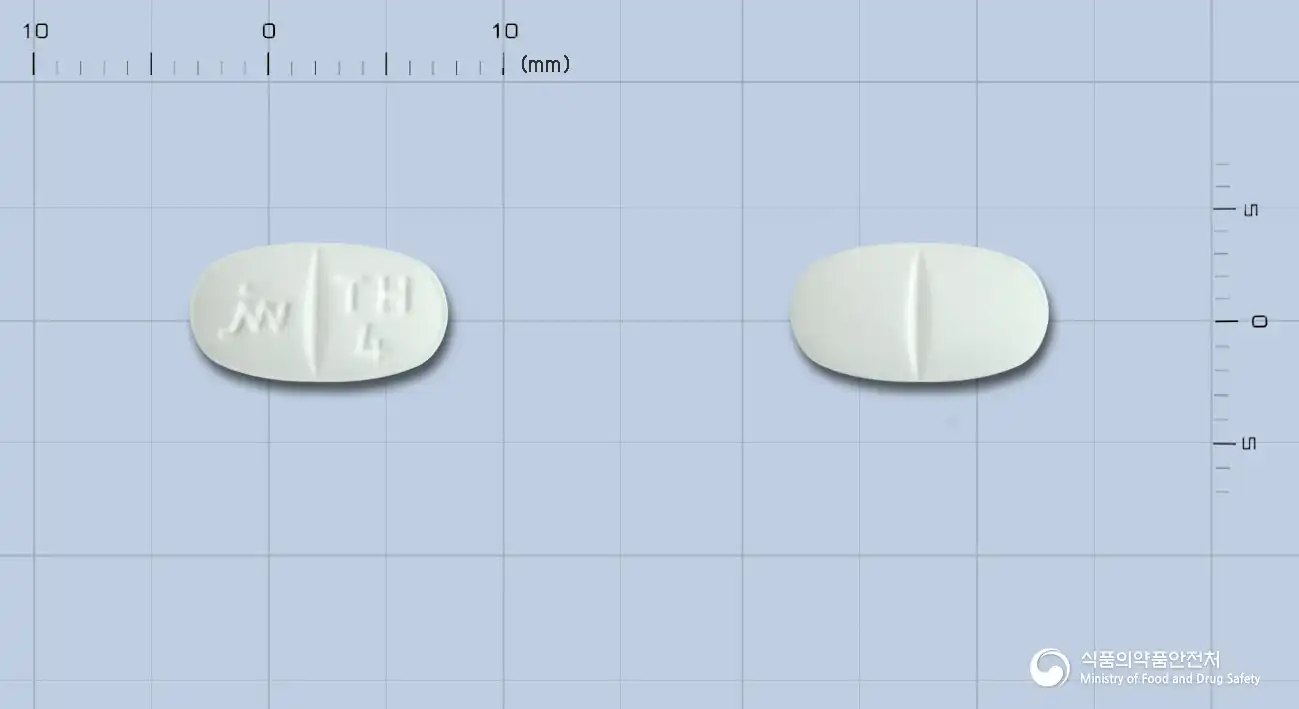
Silodosin 4mg
Tablet · Prescription medication
JW Pharmaceutical Corp.
Silodosin 4mg
Hard capsule · Prescription medication
Bivoron Pharmaceutical Co., Ltd.
Silodosin 4mg
Hard capsule · Prescription medication
Aju Pharmaceutical Co., Ltd.
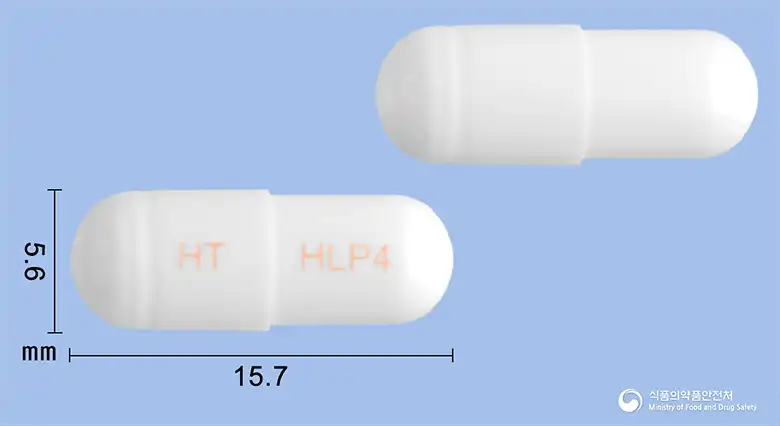
Silodosin 4mg
Hard capsule · Prescription medication
Korea Hyutex Pharmaceutical Co., Ltd.
Silodosin 4mg
Hard capsule · Prescription medication
Aprogen Biologics Co., Ltd.
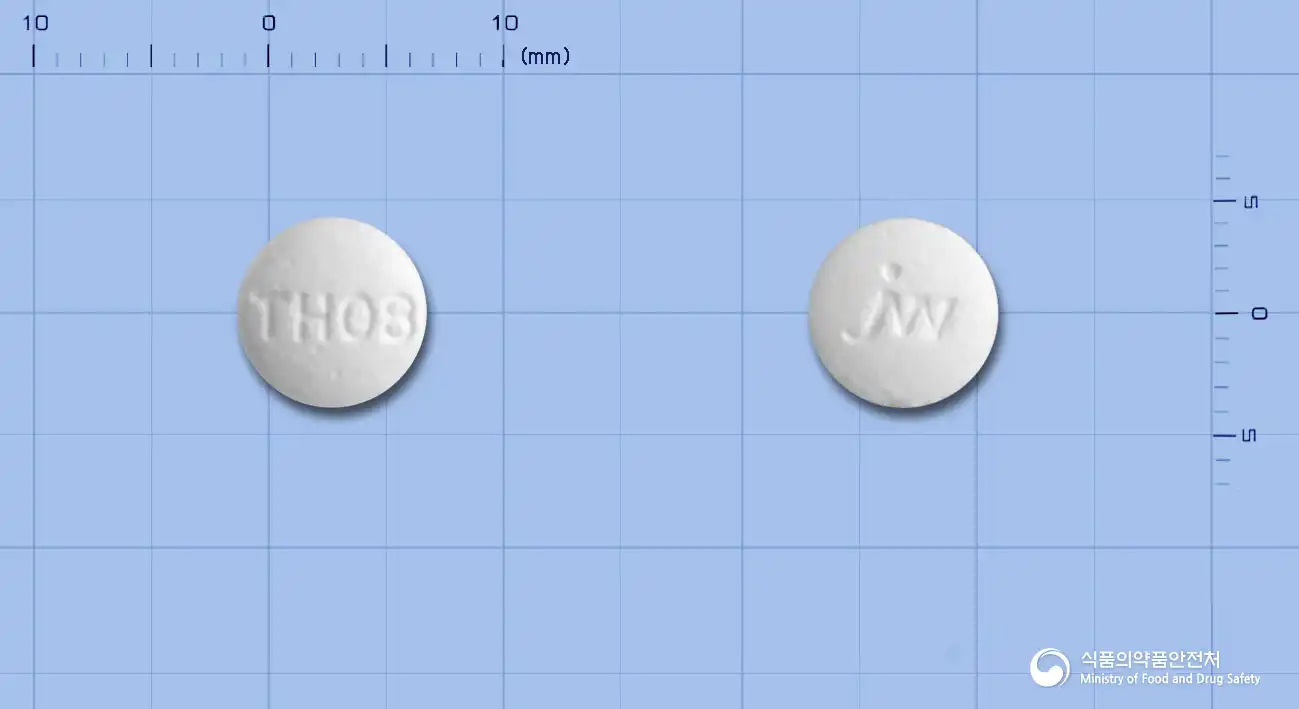
Silodosin 8mg
Orally disintegrating Tablet · Prescription medication
JW Pharmaceutical Corp.
Even with the same ingredient, the dose and directions can differ by strength and dosage form. Talk to a doctor or pharmacist before switching from a medication you are already taking.
No questions yet.
For anything that needs medical judgment, consult a doctor or pharmacist.
This drug information is based on data provided by the Korea Ministry of Food and Drug Safety.
Consult a doctor or pharmacist for accurate dosage, administration, and usage instructions.