
 한국어
 English
 日本語
 中文(简体)
Dosage form image
Viewing nowAbilify Maintena Injection 400 mg (Aripiprazole Monohydrate)
Aripiprazole Monohydrate 416mg
Prescription medication
Otsuka Pharmaceutical Co., Ltd.
MFDS item code 201508423 · Approved 2015.12.23 · Insurance code 649900421
Treatment of schizophrenia; monotherapy maintenance treatment of bipolar I disorder
This medication is used to improve and treat the symptoms of schizophrenia. It is also used alone in the maintenance treatment of bipolar disorder type 1 to prevent relapse and help maintain a stable condition. Therefore, it is effectively used in the treatment of schizophrenia and bipolar disorder.
1. Adults: This medicine is for intramuscular injection only. In patients who have never taken aripiprazole, establish tolerability with oral aripiprazole before initiating treatment with this medicine. Due to the half-life of oral aripiprazole, tolerability should be adequately assessed for 2 weeks. The starting dose may be administered using one of the following two initiation regimens. ‧ 1-injection initiation regimen: On the day of initiation, continue taking oral aripiprazole (10-20mg) for 14 days, with the dose appropriately adjusted from the previously taken dose, to achieve therapeutic concentrations of aripiprazole. In patients whose tolerability to aripiprazole has already been established and who are stabilized on another oral antipsychotic, continue the antipsychotic medication they are taking for 14 days after starting this medicine to maintain therapeutic antipsychotic drug concentrations. ‧ 2-injection initiation regimen: On the day of initiation, administer 2 injections of this medicine 400mg at separate injection sites (see section ‘4. Method of administration’), together with a single dose of oral aripiprazole 20mg. The 2-injection initiation regimen may be used when switching to this medicine in patients who are receiving a stable dose of oral aripiprazole. The recommended maintenance dose of this medicine is 400mg monthly (the interval between doses must be at least 26 days). If adverse reactions occur with the 400mg dose, consider reducing the dose to 300mg. 2. Missed doses 1) If the second or third dose is missed, ‧ If 4 weeks or more but less than 5 weeks have elapsed since the last dose, administer the dose as soon as possible. ‧ If 5 weeks or more have elapsed since the last dose, with the next dose, resume concomitant oral aripiprazole for 14 days, or administer 2 injections at separate injection sites together with a single dose of oral aripiprazole 20mg. Thereafter, resume the monthly injection schedule. 2) If the fourth or a subsequent dose is missed, ‧ If 4 weeks or more but less than 6 weeks have elapsed since the last dose, administer the dose as soon as possible. ‧ If 6 weeks or more have elapsed since the last dose, with the next dose, resume concomitant oral aripiprazole for 14 days, or administer 2 injections at separate injection sites together with a single dose of oral aripiprazole 20mg. Thereafter, resume the monthly injection schedule. 3. Dose adjustment considering CYP450 interactions Dose adjustment is required in CYP2D6 poor metabolizers because their blood concentrations of aripiprazole are increased. A dose adjustment to 300mg is recommended when CYP2D6 poor metabolizers and patients receiving this medicine 400mg use a strong CYP2D6 inhibitor or a strong CYP3A4 inhibitor concomitantly for more than 14 days (Table 1). Concomitant use of a strong CYP3A4 inhibitor or a strong CYP2D6 inhibitor with this medicine for more than 14 days should be avoided because it may increase aripiprazole concentrations (except when a patient receiving this medicine 400mg uses a strong CYP2D6 inhibitor or a strong CYP3A4 inhibitor concomitantly) (Table 1). If a CYP3A4 or CYP2D6 inhibitor is discontinued, the dose of this medicine may need to be increased. Concomitant use of a CYP3A4 inducer with this medicine for more than 14 days should be avoided because it may decrease blood concentrations of aripiprazole to below the effective concentration. Dose adjustment is not recommended for patients using a CYP3A4 inhibitor, CYP2D6 inhibitor, or CYP3A4 inducer concomitantly for 14 days or less. Table 1. Dose adjustment for CYP2D6 poor metabolizers and patients receiving a CYP2D6 inhibitor or CYP3A4 inhibitor and/or CYP3A4 inducer concomitantly for more than 14 days Dose adjustment factor Dose CYP2D6 poor metabolizer CYP2D6 poor metabolizer 300mg CYP2D6 poor metabolizer using a CYP3A4 inhibitor concomitantly Avoid use Patients receiving this medicine 400mg Strong CYP2D6 or strong CYP3A4 inhibitor 300mg CYP2D6 and CYP3A4 inhibitors Avoid use CYP3A4 inducer Avoid use Patients receiving this medicine 300mg Strong CYP2D6 or CYP3A4 inhibitor Avoid use CYP2D6 and CYP3A4 inhibitors Avoid use CYP3A4 inducer Avoid use 4. Method of administration For intramuscular injection into the deep deltoid or gluteal muscle only. Do not administer intravenously or subcutaneously. Take care to avoid accidental injection into a blood vessel. After reconstitution, immediately inject the entire contents of the syringe once monthly. For the next injection, alternate to the opposite deltoid or gluteal muscle. When initiating this medicine using the 2-injection initiation regimen, inject at 2 separate sites in 2 different muscles. Do not administer 2 injections simultaneously into the same deltoid or gluteal muscle (see section ‘Precautions for use’).
This medication should not be used in elderly patients with dementia due to an increased risk of serious cerebrovascular incidents such as stroke. Additionally, suicidal impulses or behaviors may occur during the use of this medication, especially in children, adolescents, and young adults, so special caution is required. There is a risk of severe symptoms such as neuroleptic malignant syndrome, including high fever, muscle rigidity, and altered consciousness; if these symptoms occur, medical staff should be informed immediately. Long-term use may lead to irreversible extrapyramidal symptoms, so consideration should be given to discontinuing the medication if symptoms occur. Due to the risk of elevated blood sugar or worsened diabetes, diabetic patients should regularly monitor their blood sugar levels. It's necessary to exercise caution in patients at risk of thrombosis due to possible blood circulation problems. Patients who have had hypersensitivity or allergic reactions should not use this medication. Careful use is necessary in patients with orthostatic hypotension, a history of seizures, cognitive impairment, swallowing difficulties, a tendency towards suicide, severely impaired liver function, pregnant women, and nursing mothers. This medication may enhance sedative effects when taken with other central nervous system drugs or alcohol, so caution is advised. Use during pregnancy can affect the fetus, so it should only be used under a doctor's instructions, and nursing mothers should consider stopping breastfeeding or discontinuing the medication due to its potential effects on an infant. Safety in children has not been established, so it is best to avoid use. In elderly patients, starting at the lowest dose is recommended due to possible declines in liver, kidney, and heart functions, and regular monitoring of their condition is necessary. In case of overdose, immediate medical assistance should be sought for an ECG and appropriate symptomatic treatment, as dialysis may not be effective. When administering an injection, it must be given intramuscularly at the designated site and should not be injected intravenously or subcutaneously.
Stroke, transient ischemic attack, somnolence, drowsiness, incontinence, excessive salivation, dizziness, weight gain, inability to sit still, injection site pain, sedation, constipation, dry mouth, diarrhea, vomiting, abdominal discomfort, upper respiratory infection, weight loss, arthralgia, back pain, myalgia, musculoskeletal pain, tremor, congestion, thrombocytopenia, tachycardia, bradycardia, sinus tachycardia, hypoprolactinemia, blurred vision, ocular movement seizures, upper abdominal pain, dyspepsia, nausea, swollen tongue, fatigue, injection site reaction, chest discomfort, gait disturbance, hyperactivity, fever, drug-induced liver injury, drug hypersensitivity, nasopharyngitis, elevated serum creatine phosphokinase, hypotension, elevated liver enzymes, abnormal liver function tests, QT prolongation on electrocardiogram, decreased triglycerides, decreased cholesterol, abnormal T wave on electrocardiogram, decreased appetite, obesity, hyperinsulinemia, joint rigidity, muscle spasms, jaw-opening difficulties, rhabdomyolysis, extrapyramidal symptoms, hypersomnia, slowed motor activity, convulsions, taste disorder, memory disturbance, tension in the submandibular muscles, anxiety, insomnia, restlessness, agitation, teeth grinding, psychotic disorder, suicidal thoughts, aggression, hypersexuality, panic attacks, diabetes, frequent urination, urinary incontinence, delayed ejaculation, hypertension, agitation, psychosis, personality disorder, aggressive reactions, uncontrollable laughter, talking to oneself, stuttering, muscle tone disorder, erythema, palpitations, cardiopulmonary failure, myocardial infarction, cardiac arrest, heart block, premature contractions, angina, myocardial ischemia, atrial flutter, supraventricular tachycardia, ventricular tachycardia, glare, diplopia, eyelid edema, photopsia, gastroesophageal reflux disease, esophagitis, pancreatitis, gastric discomfort, toothache, weakness, peripheral edema, chest pain, facial edema, vascular edema, hypothermia, pain, hepatitis, jaundice, hypersensitivity, heat stroke, elevated serum prolactin, elevated serum urea, elevated serum creatinine, elevated serum bilirubin, increased lactate dehydrogenase, increased glycated hemoglobin, poor appetite, hyponatremia, hypoglycemia, diabetic ketoacidosis, muscle rigidity, muscle weakness, muscle tone, reduced movement, musculoskeletal stiffness, limb pain, muscle cramps, coordination and movement abnormalities, speech disorders, decreased motor function, decreased muscle tone, hypertrophic myopathy, akinesia, ballism, sexual dysfunction, suicide attempt, hostility, increased libido, anger, sexual arousal disorder, delirium, intentional self-harm, suicide, tic, thoughts of homicide, tension, sleepwalking, urinary retention, polyuria, nocturia, menstrual irregularities, erectile dysfunction, amenorrhea, chest pain, gynecomastia, priapism, congestion, dyspnea, pharyngodynia, cough, rash, hyperhidrosis, pruritus, photosensitivity reaction, hair loss, urticaria, anaphylactic reaction, vascular edema, laryngeal spasm, oropharyngeal spasm, blood glucose fluctuation, pathological gambling, hiccups, eosinophilia, drug reactions accompanied by systemic symptoms, restless legs syndrome, syncope, fainting, orthostatic hypotension, syncope, orthostatic hypotension, aspiration pneumonia, acidosis, aggressiveness, increased aspartate aminotransferase, atrial fibrillation, coma, confusional state, seizures, elevated serum creatine phosphokinase, decreased consciousness, hypertension, hypokalemia, hypotension, somnolence, loss of consciousness, QRS prolongation, QT prolongation, aspiration pneumonia, respiratory arrest, status epilepticus, tachycardia
Not everyone experiences these, and they can vary from person to person.
This medication should be stored in a sealed container that blocks light and at a room temperature between 1 degrees and 30 degrees Celsius. This storage will help maintain the drug's efficacy and safety.
A white to light whitish freeze-dried product contained in a colorless, transparent glass container in a prefilled syringe.
2.0 mL prefilled syringe X 1
Even with the same ingredient, strength, dosage form and how it is taken can differ.
Aripiprazole Monohydrate 416mg
Prescription medication
Otsuka Pharmaceutical Co., Ltd.

Aripiprazole 5mg
Tablet · Prescription medication
Otsuka Pharmaceutical Co., Ltd.

Aripiprazole 10mg
Tablet · Prescription medication
Otsuka Pharmaceutical Co., Ltd.

Aripiprazole 15mg
Tablet · Prescription medication
Otsuka Pharmaceutical Co., Ltd.

Aripiprazole 2mg
Tablet · Prescription medication
Korea Otsuka Pharmaceutical Co., Ltd.
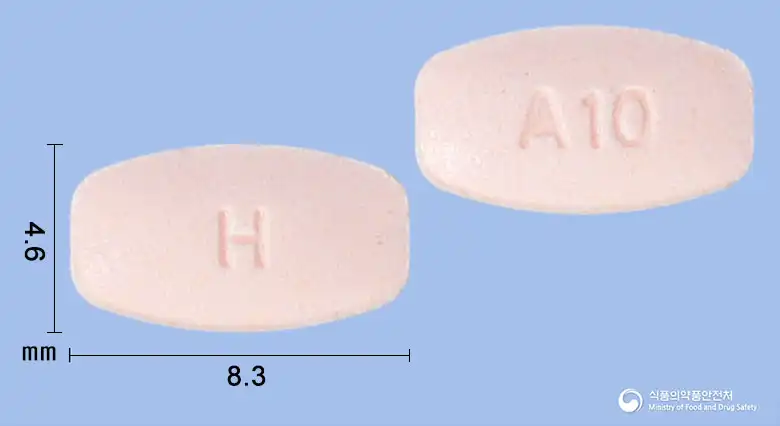
Aripiprazole 10mg
Tablet · Prescription medication
Hyundai Pharmaceutical Co., Ltd.

Aripiprazole 5mg
Tablet · Prescription medication
Hyundai Pharmaceutical Co., Ltd.

Aripiprazole 15mg
Tablet · Prescription medication
Hyundai Pharmaceutical Co., Ltd.
Even with the same ingredient, the dose and directions can differ by strength and dosage form. Talk to a doctor or pharmacist before switching from a medication you are already taking.
No questions yet.
For anything that needs medical judgment, consult a doctor or pharmacist.
This drug information is based on data provided by the Korea Ministry of Food and Drug Safety.
Consult a doctor or pharmacist for accurate dosage, administration, and usage instructions.