
 한국어
 English
 日本語
 中文(简体)
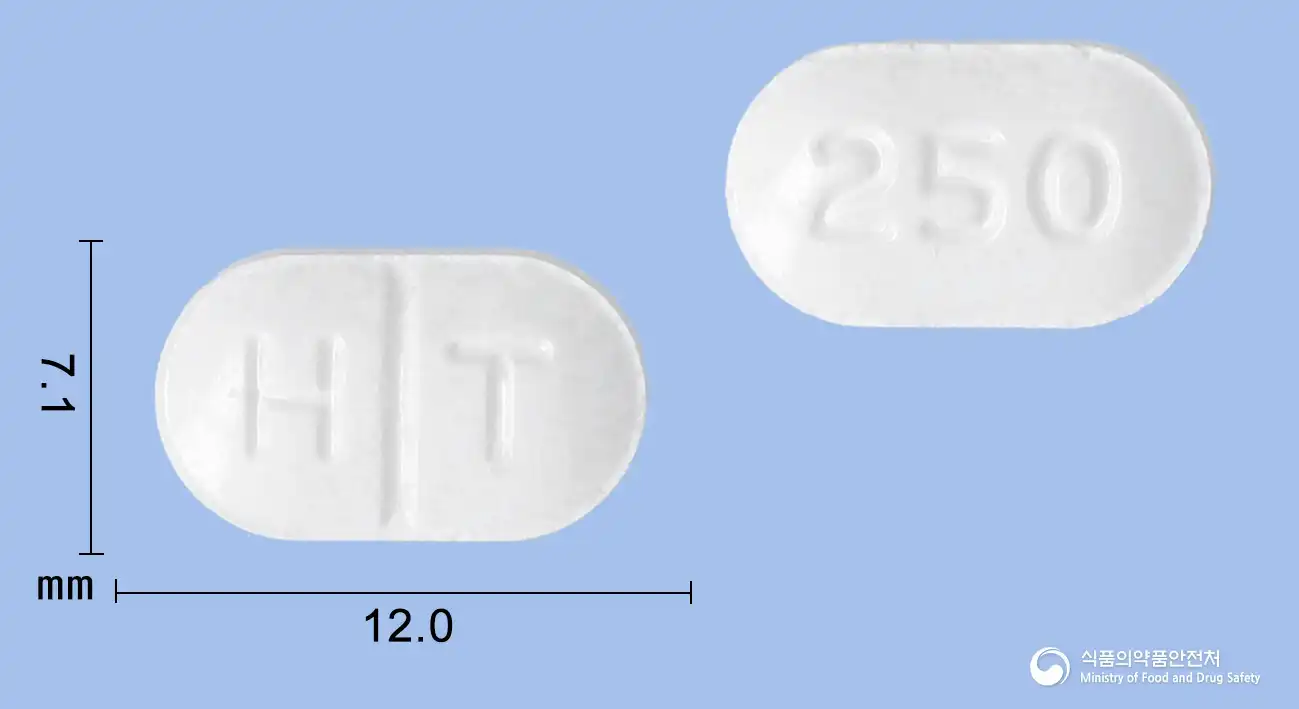 Viewing now
Doxibecyl Tablet 250 Milligrams (Doxylamine Calcium Hydrate)
Dobesilate Calcium Hydrate 250mg
Tablet · Prescription medication
Korea Hutex Pharmaceutical Co., Ltd.
MFDS item code 201508220 · Approved 2015.12.11 · Insurance code 662503300
Relief of capillary disorders, venous disorders (such as venous insufficiency and peripheral edema), and hemorrhoids
This medication is used for vascular damage due to increased capillary rupture and permeability disorders, diabetic capillary disorders, diabetic retinopathy, venous insufficiency, post-thrombotic syndrome, peripheral congestion edema, and hemorrhoids.
Adults: Administer the following doses of calcium dobesilate orally. 1. Vascular damage and retinopathy: 500-1000mg daily 2. Venous disease: Administer 750mg daily for 1-3 weeks, followed by 500mg daily. Take after meals with plenty of fluids. Adjust the dose as appropriate according to age and symptoms.
This medication should not be used in patients who are allergic to this medication or its components. It also contains lactose, so it should not be prescribed to patients with genetic issues such as galactose intolerance, lactase deficiency, or glucose-galactose malabsorption. Caution is required for patients with impaired kidney function as the safety and efficacy of this medication have not been sufficiently studied. In particular, if renal failure is severe and dialysis is required, the dosage of this medication may need to be reduced. The safety of this medication has also not been established in patients with impaired liver function, so care should be taken during use, and if liver function tests show elevated levels, the benefits of treatment should be reassessed. This medication contains sulfites, which can cause allergic reactions or asthma attacks in patients allergic to sulfites or with asthma, so caution is required. During treatment, symptoms such as headache, abdominal pain, nausea, diarrhea, vomiting, arthralgia, and myalgia may occur, which typically improve upon discontinuation of the medication. If there are symptoms such as skin rash, fever, arthralgia, or abnormal blood test results, the medication should be stopped immediately, and a physician should be consulted. This medication can rarely cause serious side effects such as a decrease in blood cell count, so if high fever or symptoms of infection occur, it is important to go to the hospital immediately for a blood test. If hypersensitivity reactions occur, the medication should be stopped immediately, and emergency measures should be taken. The effects of this medication on driving or operating machinery are unknown, so caution is advised. Use of this medication during pregnancy is limited, and it is advisable to avoid its use if possible. Additionally, this medication is secreted in small amounts in breast milk, so it should be avoided during breastfeeding, or breastfeeding should be stopped. Safety in children has not been sufficiently studied, so caution is needed. There are no specific precautions for the elderly, but their general health condition should be considered. This medication may affect certain test results, so it is advisable to have blood tests done before taking the medication. There are no specific symptoms reported for overdose, but general emergency treatment should be provided.
Not everyone experiences these, and they can vary from person to person.
This medication may be sensitive to air or moisture, so it should be stored in a tightly sealed container. It is recommended to store at room temperature between 1 degree and 30 degrees. This will help maintain the efficacy of the medication for a longer period.
White rectangular tablet
90 tablets (10 tablets/PTP X 9)
Even with the same ingredient, strength, dosage form and how it is taken can differ.
Viewing nowDobesilate Calcium Hydrate 250mg
Tablet · Prescription medication
Korea Hutex Pharmaceutical Co., Ltd.
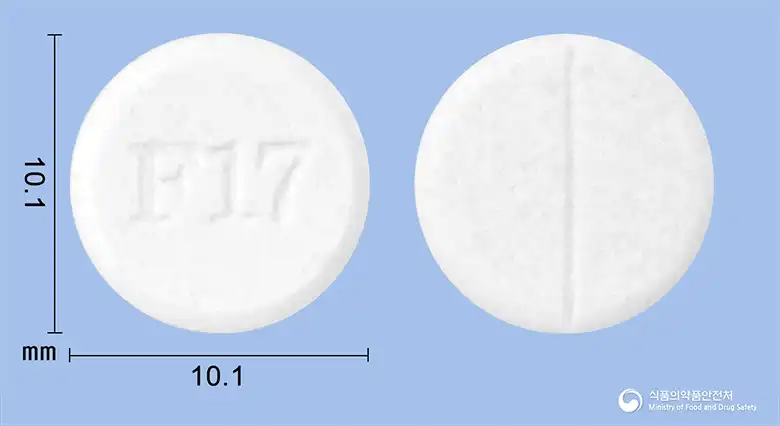
Dobesilate Calcium Hydrate 250mg
Tablet · Prescription medication
Ilseong IS Co., Ltd.
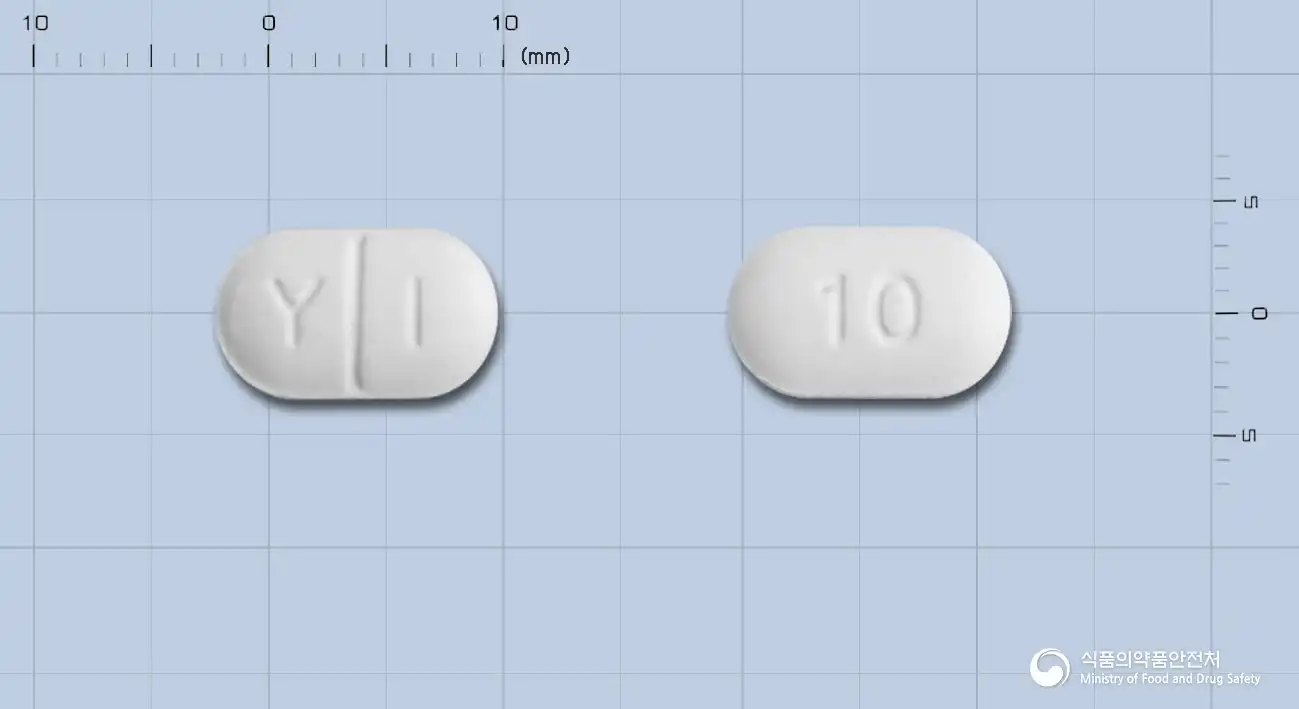
Dobesilate Calcium Hydrate 250mg
Tablet · Prescription medication
Youngil Pharmaceutical Co., Ltd.
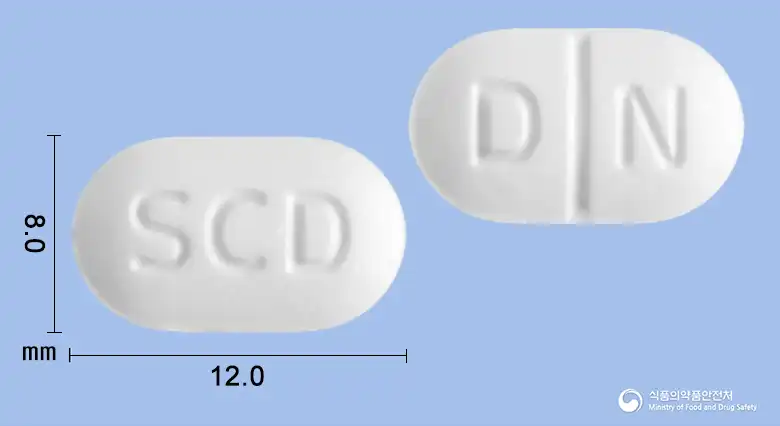
Dobesilate Calcium Hydrate 250mg
Tablet · Prescription medication
Samchundang Pharmaceutical Co., Ltd.
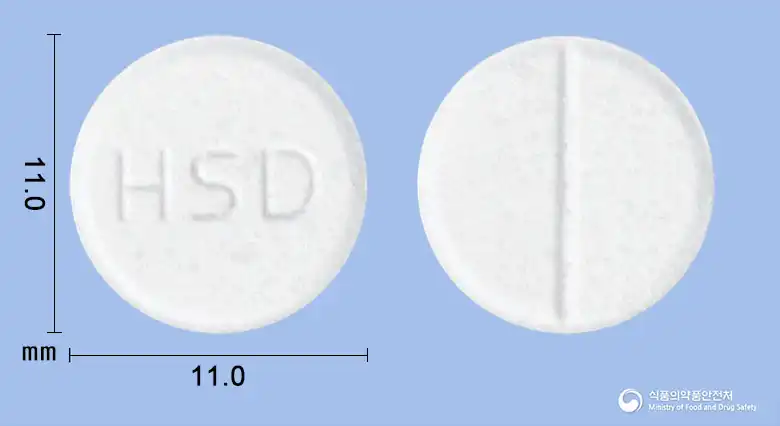
Dobesilate Calcium Hydrate 250mg
Tablet · Prescription medication
JW Pharmaceutical Co., Ltd.
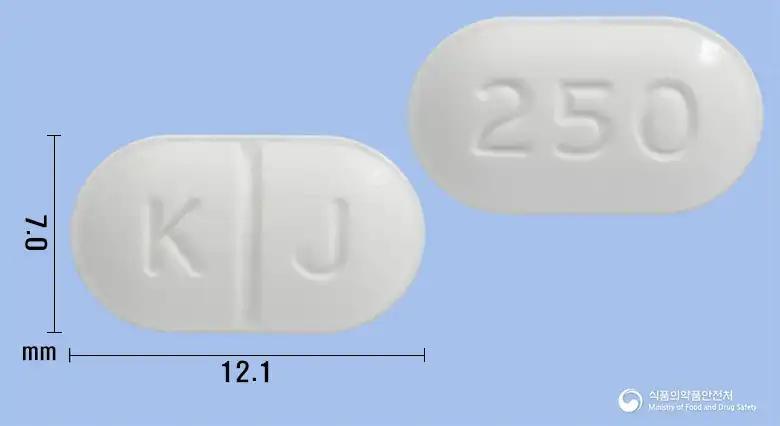
Dobesilate Calcium Hydrate 250mg
Tablet · Prescription medication
International Pharmaceutical Co., Ltd.
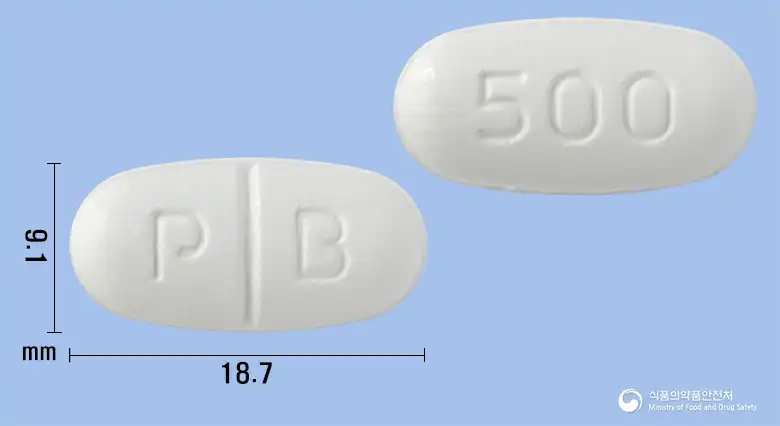
Dobesilate Calcium Hydrate 500mg
Tablet · Prescription medication
Korea Pharma Bio Co., Ltd.
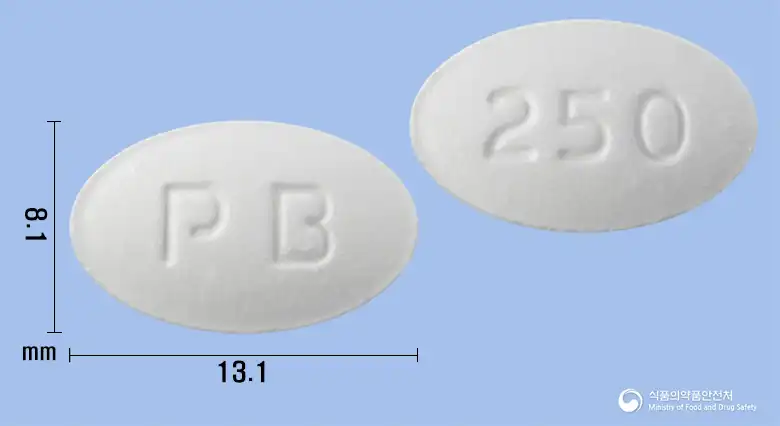
Dobesilate Calcium Hydrate 250mg
Tablet · Prescription medication
Hanmi Pharm Co., Ltd.
Even with the same ingredient, the dose and directions can differ by strength and dosage form. Talk to a doctor or pharmacist before switching from a medication you are already taking.
No questions yet.
For anything that needs medical judgment, consult a doctor or pharmacist.
This drug information is based on data provided by the Korea Ministry of Food and Drug Safety.
Consult a doctor or pharmacist for accurate dosage, administration, and usage instructions.