
 한국어
한국어 English
 日本語
日本語 中文(简体)
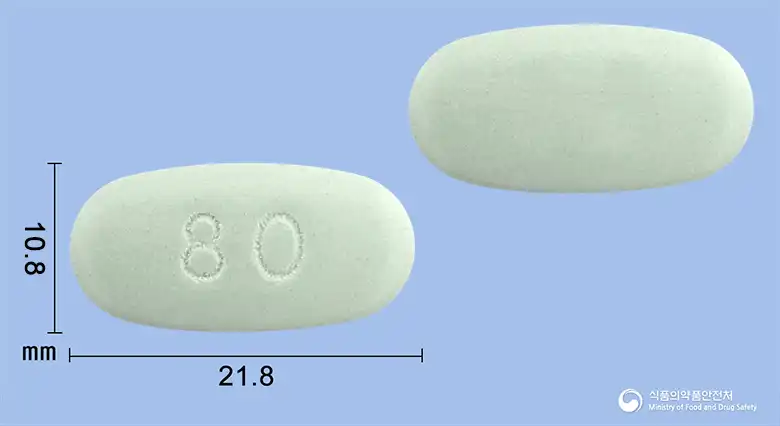
Dosage form image
Viewing nowCombinationSitagliptin and Metformin Tablets 50/850 mg
Sitagliptin Phosphate · Metformin Hydrochloride
Prescription medication · Combination
Aliko Pharmaceutical Co., Ltd.
MFDS item code 201507992 · Approved 2015.11.27
This product's status changed to Approval withdrawn on 2023.05.18. It may no longer be sold, so consult a doctor or pharmacist before taking it.
Improvement of blood sugar control in type 2 diabetes
This medication is used to assist in blood sugar control for patients with type 2 diabetes. It is administered along with dietary and exercise therapy and is effective for patients who have not experienced diabetes medication treatment or who have difficulty controlling blood sugar with monotherapy. Additionally, it can be used when monotherapy with metformin or sitagliptin is insufficient or as a substitute for combination therapy of both drugs. Patients may also receive this medication in conjunction with metformin when blood sugar control is challenging despite treatment with sulfonylureas or thiazolidinediones. If insulin and metformin therapy are not effective, this medication can enhance blood sugar control when used together. This medication helps to improve blood sugar management.
This medication is generally taken twice daily with food, and the dosage may be gradually increased to reduce gastrointestinal adverse effects related to metformin. 1. Patients not currently receiving treatment with metformin: - Initial dosage is 50/500 mg twice daily, taking 1 tablet at a time. - For dosage escalation, 50/1000 mg twice daily, taking 1 tablet at a time. 2. Patients currently receiving metformin treatment: -
This medication is used for diabetes treatment and contains two active ingredients. The first ingredient helps in controlling blood sugar, while the second ingredient promotes insulin secretion to reduce blood sugar levels. Before taking this medication, it is essential to verify if there have been any allergic reactions in the past. If symptoms such as skin rash, hives, or difficulty breathing occur, discontinue use immediately and consult a doctor. Severe pancreatic disease known as acute pancreatitis may occur, so it is important to inform healthcare personnel immediately if symptoms include abdominal pain, vomiting, or nausea during treatment. Patients with severely impaired kidney function or specific health conditions such as severe infection, dehydration, or heart failure should not take this medication. Before tests involving radiologic contrast agents, the use of this medication should be temporarily suspended, and it should be restarted only after confirming normal kidney function post-examination. It is advisable for pregnant or potentially pregnant women, as well as nursing mothers, to refrain from using this medication. This medication may cause hypoglycemia; hence, blood sugar levels should be closely monitored in cases of irregular meals, excessive exercise, or concomitant use with other hypoglycemic agents. During treatment, gastrointestinal symptoms such as diarrhea, nausea, vomiting, and headache can occur, and severe joint pain or skin blistering may also arise as adverse reactions. Alcohol consumption may increase the risk of side effects from this medication, so it is recommended to avoid drinking while on treatment. Patients taking this medication should have regular blood tests and kidney function evaluations, including periodic checks of vitamin B12 levels. In cases of overdose, individuals should visit a medical institution immediately for appropriate treatment, as some ingredients may be removed through hemodialysis. Patients on this medication should be cautious of hypoglycemic symptoms while driving or operating machinery and may need to consult their doctor for dosage adjustments.
Hives, angioedema, anaphylaxis, exfoliative skin diseases (including Stevens-Johnson syndrome), acute pancreatitis, acute renal failure, difficulty breathing, severe swelling (edema), severe and disabling joint pain, vesicular pemphigoid, thrombocytopenia, elevated liver enzyme levels, acute renal failure, difficulty breathing, unstable angina, acute renal failure, lactic acidosis, cold sweats, pallor
Not everyone experiences these, and they can vary from person to person.
Store this medication in a tightly sealed container to prevent exposure to air or moisture, and keep it at a temperature between 1 and 30 degrees Celsius. This will help maintain the medication's efficacy and ensure safe use.
Pink oval film-coated tablet
28 tablets (14 tablets/PTP × 2)
Even with the same ingredient, strength, dosage form and how it is taken can differ.
Sitagliptin Phosphate · Metformin Hydrochloride
Prescription medication · Combination
Aliko Pharmaceutical Co., Ltd.
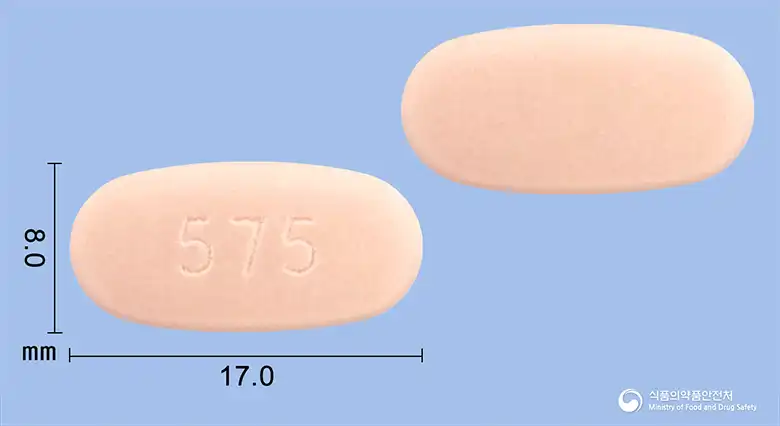 Combination
Sitagliptin Phosphate Hydrate 64.25mg · Metformin Hydrochloride 500mg
Tablet · Prescription medication · Combination
Jongkun Dang Co., Ltd.
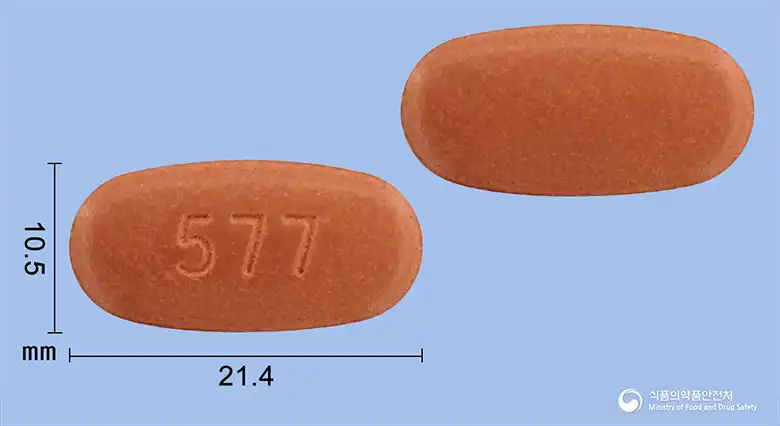 Combination
Sitagliptin Phosphate Hydrate 64.25mg · Metformin Hydrochloride 1000mg
Tablet · Prescription medication · Combination
Jongkundang Co., Ltd.
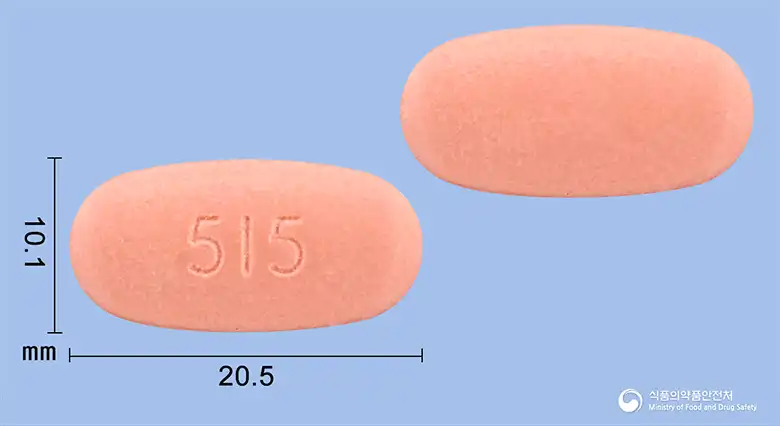 Combination
Sitagliptin Phosphate Hydrate 64.25mg · Metformin Hydrochloride 850mg
Tablet · Prescription medication · Combination
Jongkundang Co., Ltd.
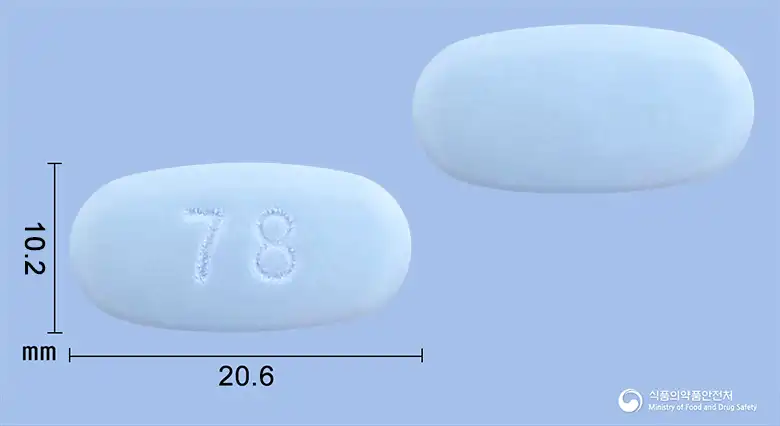 Combination
Metformin Hydrochloride 500mg · Sitagliptin Phosphate Hydrate 64.25mg
Tablet · Prescription medication · Combination
Jong Kun Dang Co., Ltd.
 Combination
Metformin Hydrochloride 1000mg · Sitagliptin Phosphate Hydrate 64.25mg
Tablet · Prescription medication · Combination
JongKeunDang Co., Ltd.
 Combination
Metformin Hydrochloride 1000mg · Sitagliptin Phosphate Hydrate 128.5mg
Tablet · Prescription medication · Combination
Jongkundang Co., Ltd.
Sitagliptin Phosphate 62.04mg · Metformin Hydrochloride 500mg
Tablet · Prescription medication · Combination
Yuyu Pharmaceutical Co., Ltd.
Even with the same ingredient, the dose and directions can differ by strength and dosage form. Talk to a doctor or pharmacist before switching from a medication you are already taking.
No questions yet.
For anything that needs medical judgment, consult a doctor or pharmacist.
This drug information is based on data provided by the Korea Ministry of Food and Drug Safety.
Consult a doctor or pharmacist for accurate dosage, administration, and usage instructions.