
 한국어
 English
 日本語
 中文(简体)
Dosage form image
Viewing nowAcelong CR Tablet (Aceclofenac)
Aceclofenac 100mg
Tablet · Prescription medication
Dongkwang Pharmaceutical Co., Ltd.
MFDS item code 201507975 · Approved 2015.11.27 · Insurance code 645905970
This product's status changed to Expired on 2025.11.27. It may no longer be sold, so consult a doctor or pharmacist before taking it.
Relief of arthritis, ankylosing spondylitis, and musculoskeletal pain (such as lower back pain and sciatica)
This medication is used to relieve symptoms of various joint and muscle pain, such as degenerative joint diseases like rheumatoid arthritis, ankylosing spondylitis, osteoarthritis, periartritis of the scapulohumeral joint, as well as low back pain and sciatica. It is also effective in treating pain caused by non-articular rheumatism. By improving inflammation and pain in multiple joints and adjacent tissues, it provides patients with a more comfortable daily life.
○ Adults: Take 200 mg of aceclofenac once daily. Take this medication whole; do not chew or crush it. To minimize cardiovascular adverse reactions, use the lowest effective dose for the shortest possible duration.
This medication should be used with caution in individuals who regularly consume more than three drinks a day, as it increases the risk of gastrointestinal bleeding; consultation with a healthcare professional is essential. It may increase the risk of cardiovascular disease, so patients with a history or risk factors for cardiac or cerebrovascular diseases should carefully consider whether to take it. Serious gastrointestinal issues such as bleeding, ulcers, and perforations may occur with prolonged use, especially in the elderly. Do not use it if there is an active peptic ulcer or bleeding, a history of allergy to this drug or similar medications, asthma, or severe heart failure. Patients with impaired kidney or liver function, hypertension, the elderly, and pregnant women should use this medication with greater caution and follow their doctor's instructions. Various side effects such as dizziness, skin rash, gastrointestinal disturbances, and liver function abnormalities may occur, and any unusual symptoms should be reported to a healthcare provider immediately. This medication interacts with many other drugs, so consult with a doctor if taking other medications, especially when using anticoagulants, diuretics, antidiabetic medications, lithium, or methotrexate. It should not be used in the late stages of pregnancy as it can be harmful to the fetus; breastfeeding women should also consult a physician before use or discontinue breastfeeding while taking this medication. Safety in children and adolescents has not been established, so it is best not to use it in this population. The risk of side effects such as gastrointestinal bleeding is higher in the elderly, so special care should be taken when using it. Overdose may cause gastrointestinal irritation, hypotension, respiratory depression, and seizures; immediate medical attention is required. This medication should be stored out of reach of children, and transferring it to another container is not advisable to maintain its quality.
Not everyone experiences these, and they can vary from person to person.
This medication should be stored in a tightly closed container, protected from air and moisture. It is important to maintain a storage temperature between 1 degree and 30 degrees Celsius at room temperature to preserve the effectiveness and safety of the medication.
White, bilaterally convex, rectangular film-coated tablet
30 tablets/bottle, 100 tablets/bottle
Even with the same ingredient, strength, dosage form and how it is taken can differ.
Aceclofenac 100mg
Tablet · Prescription medication
Dongkwang Pharmaceutical Co., Ltd.
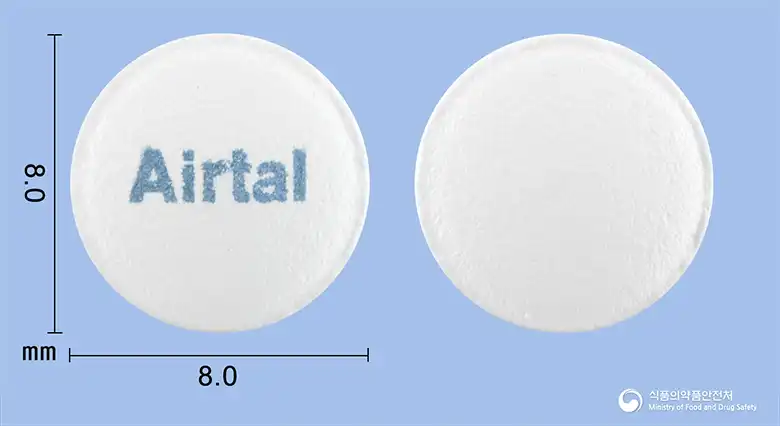
Aceclofenac 100mg
Tablet · Prescription medication
Daewoong Pharmaceutical Co., Ltd.
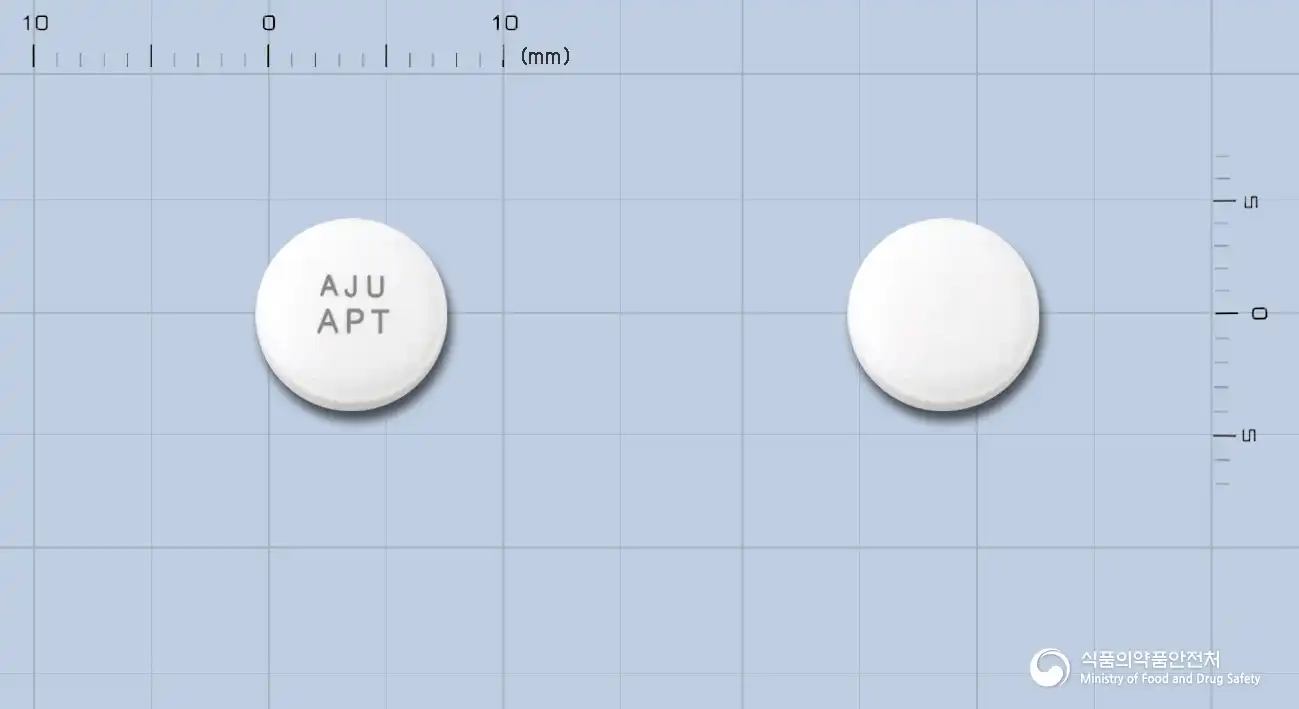
Aceclofenac 100mg
Tablet · Prescription medication
Aju Pharm Co., Ltd.
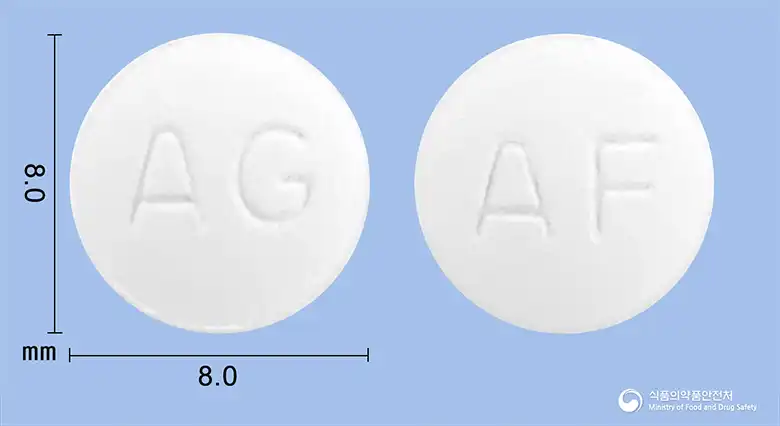
Aceclofenac 100mg
Tablet · Prescription medication
Angkuk Pharmaceutical Co., Ltd.
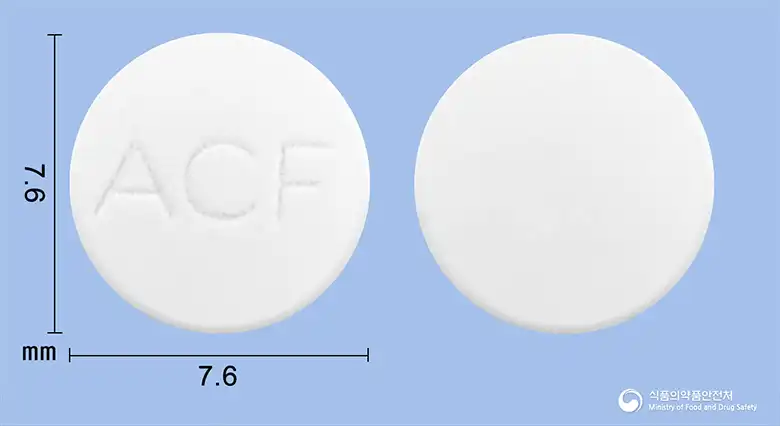
Aceclofenac 100mg
Tablet · Prescription medication
Dong-A ST Co., Ltd.
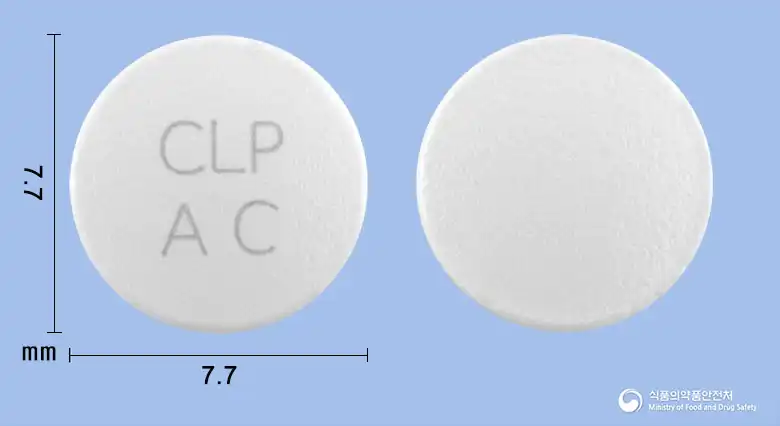
Aceclofenac 100mg
Tablet · Prescription medication
Celltrion Pharmaceutical Co., Ltd.
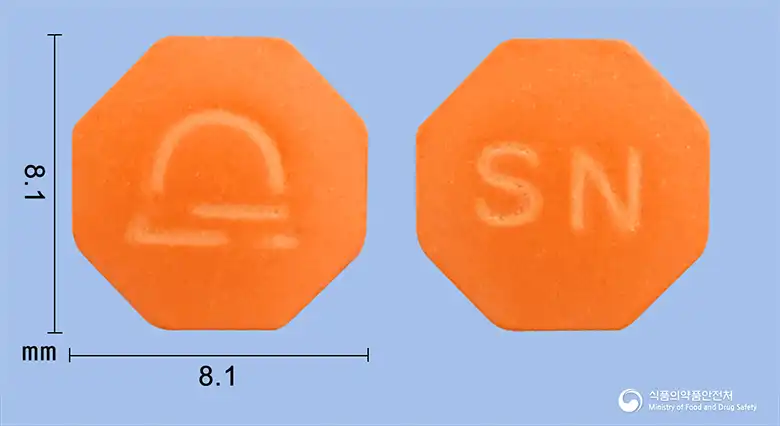
Aceclofenac 100mg
Tablet · Prescription medication
Daewon Pharmaceutical Co., Ltd.
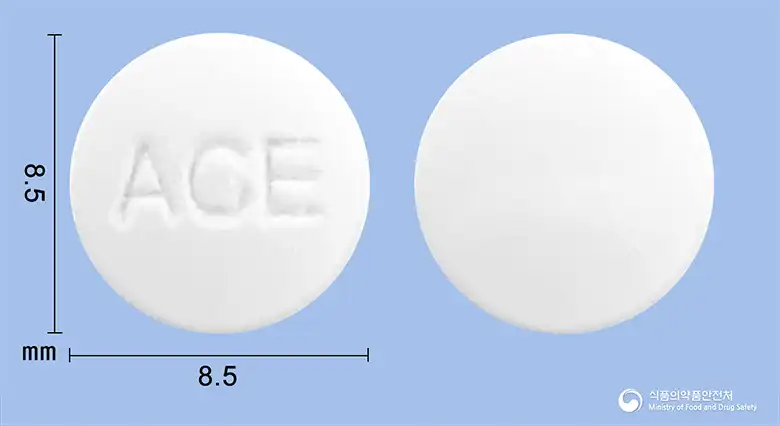
Aceclofenac 100mg
Tablet · Prescription medication
Kyungdong Pharmaceutical Co., Ltd.
Even with the same ingredient, the dose and directions can differ by strength and dosage form. Talk to a doctor or pharmacist before switching from a medication you are already taking.
No questions yet.
For anything that needs medical judgment, consult a doctor or pharmacist.
This drug information is based on data provided by the Korea Ministry of Food and Drug Safety.
Consult a doctor or pharmacist for accurate dosage, administration, and usage instructions.