
 한국어
 English
 日本語
 中文(简体)
 Viewing now
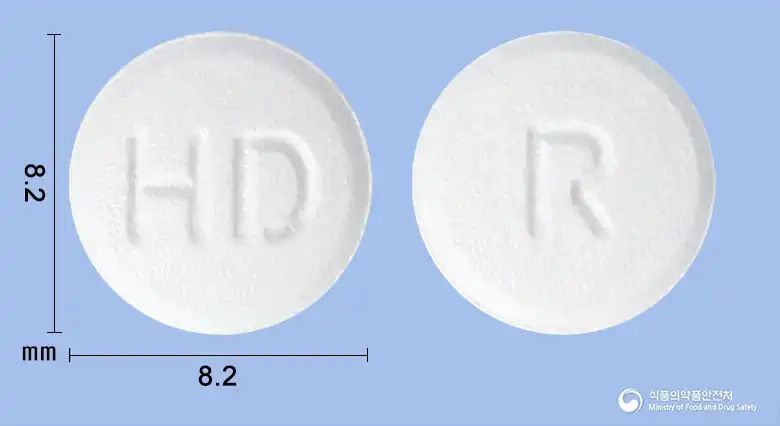
Hyundai Rebamipide Tablets
Rebamipide 100mg
Tablet · Prescription medication
Hyundai Pharmaceutical Co., Ltd.
MFDS item code 201507640 · Approved 2015.11.09 · Insurance code 642003680
Improvement of gastric mucosal lesions in gastritis (acute and during exacerbations of chronic gastritis); treatment of gastric ulcers
This medication is used to improve gastric mucosal lesions caused by acute exacerbations of gastric ulcers and acute and chronic gastritis, namely symptoms such as erosions, bleeding, redness, and swelling.
Adults: Administer rebamipide 100 mg orally per dose, 3 times daily. However, for gastric ulcers, administer in the morning, evening, and at bedtime.
This medication should not be used in individuals who have a history of allergic reactions to any of its components. While using this medication, serious allergic reactions such as shock or anaphylaxis may rarely occur, so if symptoms arise, treatment should be stopped immediately and appropriate medical care should be sought. Additionally, white blood cell and platelet counts may decrease, so it is important to regularly monitor the condition through blood tests. Liver function may be impaired, and liver enzyme levels may increase or jaundice symptoms may appear, hence monitoring liver health is essential. If allergic symptoms such as hives, rashes, or itching occur, the medication should be discontinued. This medication may cause neurological symptoms such as dizziness, drowsiness, or paralysis, so caution is required when driving or operating machinery. Gastrointestinal symptoms such as dry mouth, constipation, abdominal pain, diarrhea, nausea, vomiting, heartburn, belching, and taste disturbances may occur; if discomfort persists, consult a doctor. Women who are pregnant or may become pregnant should carefully consider the benefits and risks of taking this medication. In cases of breastfeeding, it is advisable to avoid breastfeeding as the medication may be transmitted through breast milk. Caution is advised when using this medication in children, especially in low birth weight infants or neonates, as its safety has not been sufficiently confirmed. In the elderly, the frequency of adverse reactions is not significantly different from that in adults; however, since bodily functions may be weakened, particular attention should be paid to gastrointestinal symptoms and other side effects. This medication should be kept out of reach of children, and transferring it to other containers should be avoided as it may pose a risk of accidents and decrease quality.
Not everyone experiences these, and they can vary from person to person.
This medication is sensitive to light, so it should be stored in a container that does not allow light in. Additionally, the temperature should be maintained between 1 and 30 degrees Celsius, avoiding extreme heat or cold. Proper storage will help maintain the medication's effectiveness.
White round film-coated tablets
Bottle - 30 tablets/bottle, Bottle - 300 tablets/bottle
Even with the same ingredient, strength, dosage form and how it is taken can differ.
Viewing nowRebamipide 100mg
Tablet · Prescription medication
Hyundai Pharmaceutical Co., Ltd.
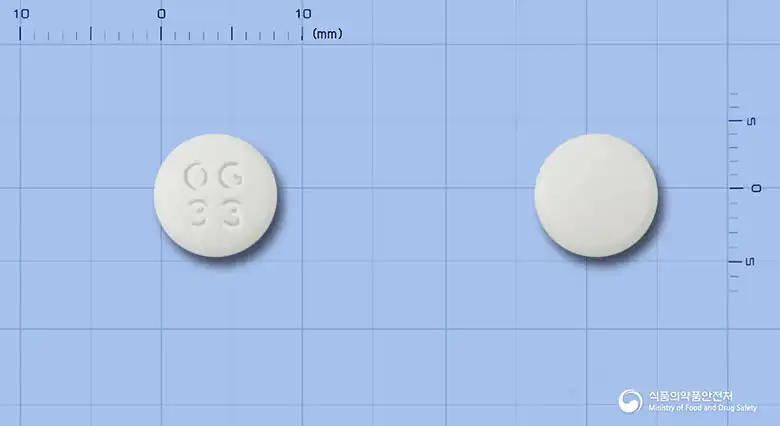
Rebamipide 100mg
Tablet · Prescription medication
Korea Otsuka Pharmaceutical Co., Ltd.
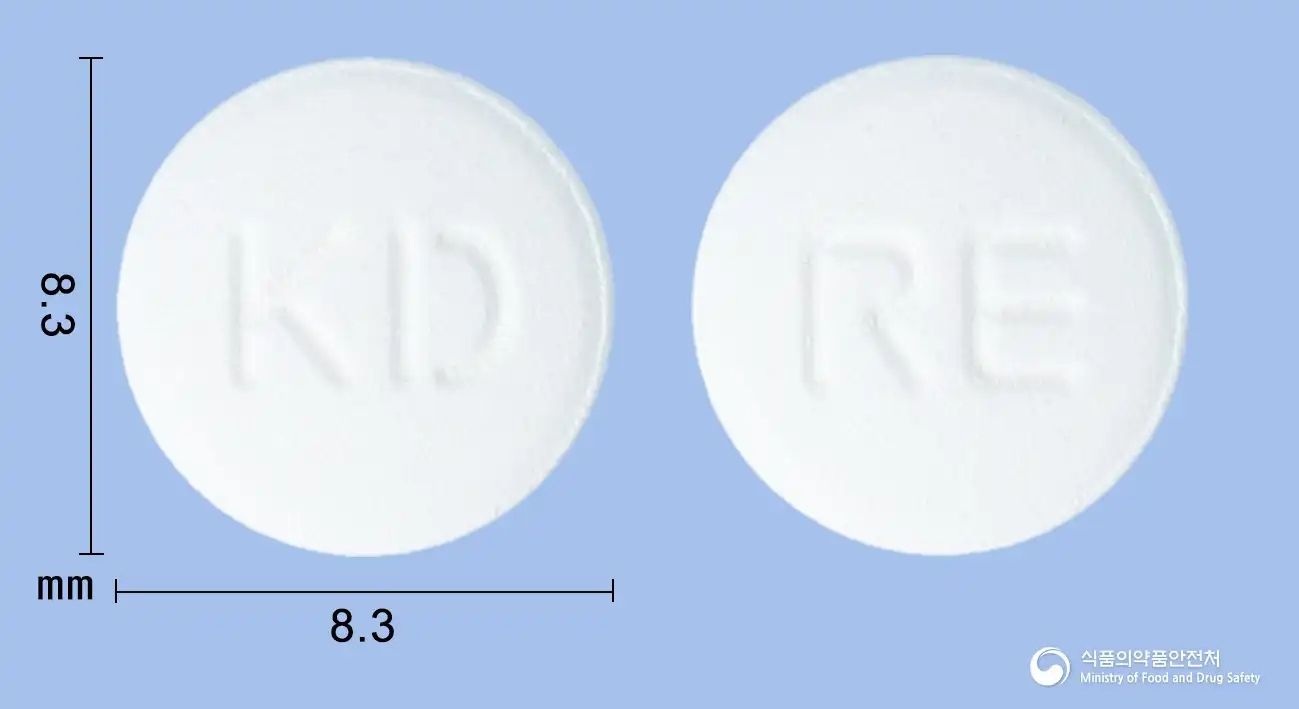
Rebamipide 100mg
Tablet · Prescription medication
Kyungdong Pharmaceutical Co., Ltd.
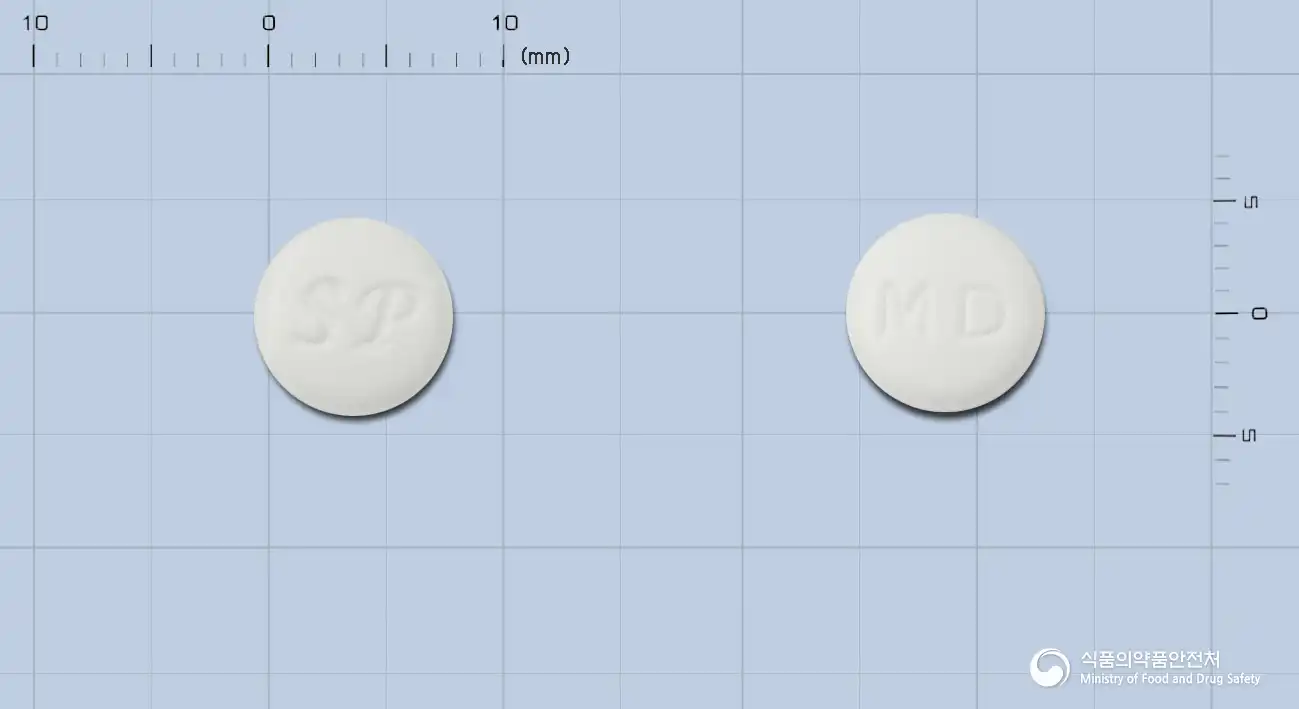
Rebamipide 100mg
Tablet · Prescription medication
Sinphong Pharmaceutical Co., Ltd.
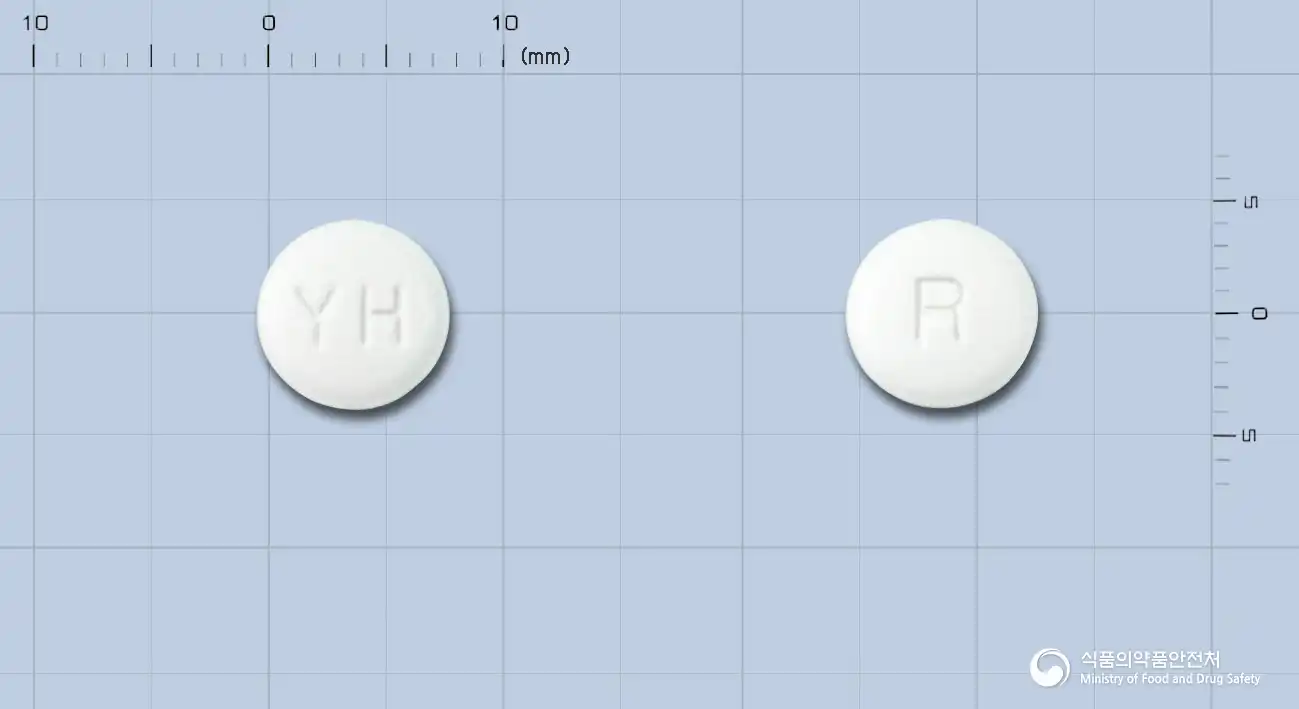
Rebamipide 100mg
Tablet · Prescription medication
Yuhan Corporation
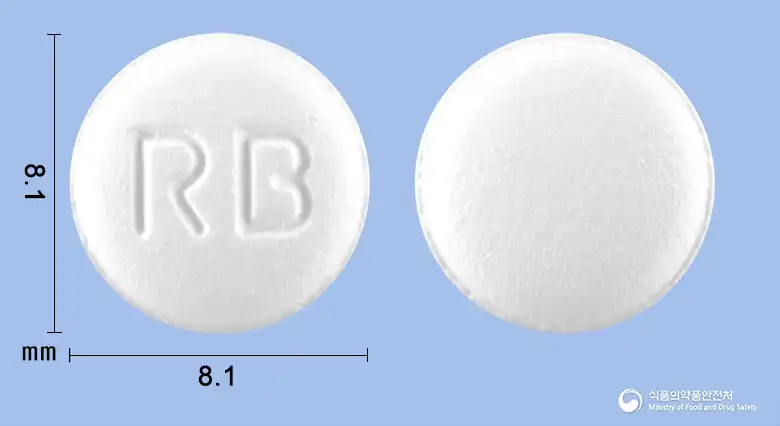
Rebamipide 100mg
Tablet · Prescription medication
Jongkundang Corporation
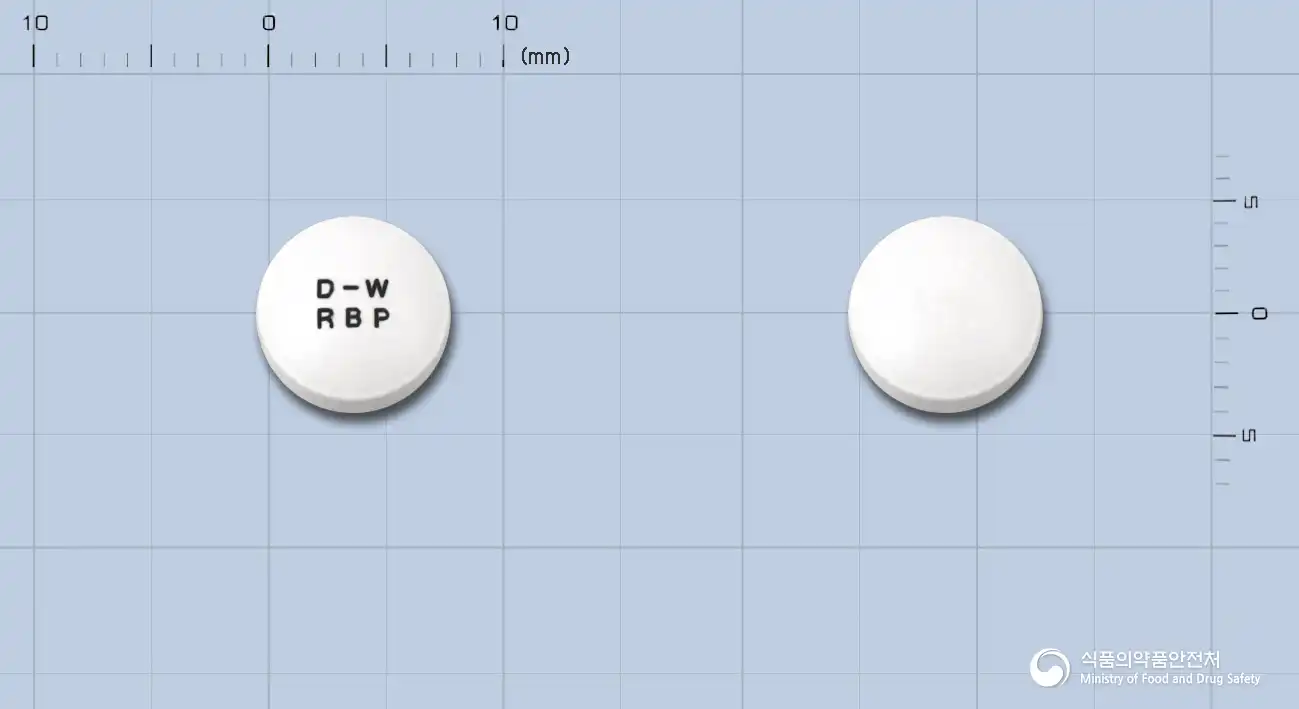
Rebamipide 100mg
Tablet · Prescription medication
Donghwa Pharmaceutical Co., Ltd.
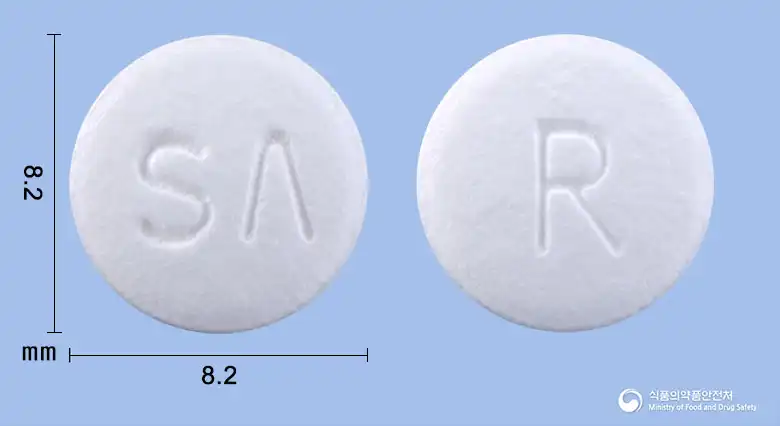
Rebamipide 100mg
Tablet · Prescription medication
Sama Pharmaceutical Co., Ltd.
Even with the same ingredient, the dose and directions can differ by strength and dosage form. Talk to a doctor or pharmacist before switching from a medication you are already taking.
No questions yet.
For anything that needs medical judgment, consult a doctor or pharmacist.
This drug information is based on data provided by the Korea Ministry of Food and Drug Safety.
Consult a doctor or pharmacist for accurate dosage, administration, and usage instructions.