
 한국어
한국어 English
 日本語
日本語 中文(简体)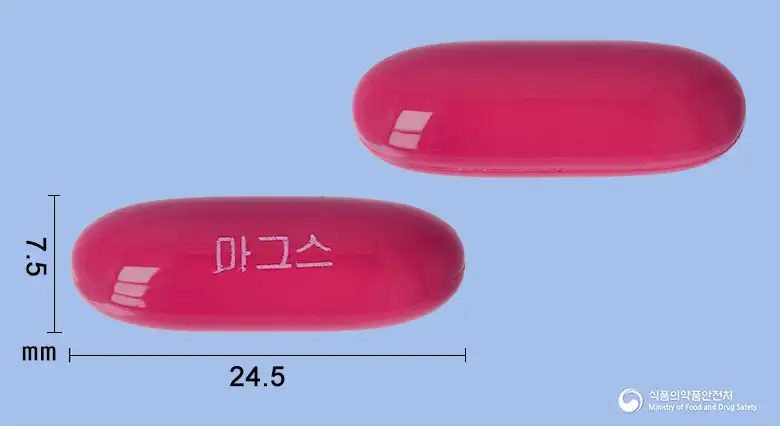
Summary
- Main use
- Vitamin E (relief of peripheral circulation disorders, alleviation of menopausal symptoms), Vitamin B1 (relief of neuralgia and myalgia), Vitamin B6 (improvement of stomatitis and dermatitis) effects
- Who takes it
- Adults · Children
- Adult dose
- Take 1 capsule twice daily or 2 capsules once daily.
- Child dose
- Children over 12 years: Take 1 capsule twice daily or 2 capsules once daily.
Ingredients
- Magnesium Oxide250mg / 1 capsule
- Tocopherol Acetate60mg / 1 capsule
- Pyridoxine Hydrochloride30mg / 1 capsule
- Thiamine Nitrate30mg / 1 capsule
- Nicotinamide5mg / 1 capsule
- Manufacturer
- 조아제약(주)
Efficacy & effects
Vitamin E (relief of peripheral circulation disorders, alleviation of menopausal symptoms), Vitamin B1 (relief of neuralgia and myalgia), Vitamin B6 (improvement of stomatitis and dermatitis) effects
- Physical fatigue
- lack of energy
- shoulder stiffness
- neck stiffness
- numbness and coldness of hands and feet
- neuralgia
- myalgia
- arthralgia
- beriberi
- eye fatigue
- angular cheilitis
- cheilitis
View approved original textHide original text
The vitamins B1, B6, and E contained in this medicine are used to help replenish energy in cases of physical fatigue, during pregnancy and lactation, after illnesses, and in the elderly. Vitamin E helps to relieve symptoms of peripheral blood circulation disorders and discomfort in the shoulders, neck, hands, and feet due to menopause. Vitamin B1 contributes to relieving pain such as neuralgia, myalgia, and arthralgia, and is also effective in improving eye fatigue. Vitamin B6 improves oral inflammations such as angular cheilitis, cheilitis, stomatitis, and glossitis, as well as eczema and dermatitis, and alleviates muscle cramps caused by magnesium deficiency. These vitamins are used for the alleviation of various symptoms and enhancement of physical strength.
How to take
Adult dose
Take 1 capsule twice daily or 2 capsules once daily.
Child dose
Children over 12 years: Take 1 capsule twice daily or 2 capsules once daily.
Precautions
This medicine should not be taken by individuals who are allergic to specific ingredients, infants under 12 months of age, patients with severe kidney dysfunction, or those allergic to soybean oil, soybeans, or peanuts. It is important to avoid taking this medicine with phosphates, calcium salts, oral tetracycline antibiotics, antacids, and drugs like levodopa during treatment. Patients with issues in fat metabolism such as hyperlipidemia, diabetic dyslipidemia, or pancreatitis should use this medicine with caution. Infants under 1 year old, patients currently undergoing treatment, pregnant or potentially pregnant women, nursing mothers, premature infants, patients with heart or circulatory diseases, individuals with weakened kidney function, and patients with hypoproteinemia must consult a doctor or pharmacist before taking this medicine. If symptoms such as dyspepsia, diarrhea, constipation, rash, nausea, vomiting, loss of appetite, abdominal bloating, arrhythmias, or central nervous system impairment occur during treatment, discontinue use immediately and consult a professional. Additionally, pay close attention for unusual symptoms such as menstrual changes, prolonged bleeding, increased risk of thrombosis, neurological symptoms, worsening of peptic ulcers, glucose regulation disorders, liver damage, edema, and hyperkalemia. Consult a professional if you take this medicine for a long time or in excess, and discontinue use if symptoms do not improve after 1 month and seek consultation. Patients at risk of fat overload should regularly monitor blood lipid levels to adjust the dosage of this medicine, and when using other lipid-injectable medications, the total lipid content should be considered in the dosage adjustment. This medicine must be taken according to the prescribed method and dosage, and supervision by a guardian is required when administered to children. During use, it is advisable to avoid teas containing tannins, such as green tea or black tea. Store this medicine in a tightly sealed container to avoid exposure to air or moisture. It is advisable to maintain a storage temperature between 1 degree and 30 degrees Celsius.
Side effects and when to seek care immediately
Serious side effects
Cardiac arrest (heart rhythm cessation), central nervous system impairment.
Mild side effects
Dyspepsia, diarrhea, constipation, rash, redness, nausea, vomiting, loose stools, loss of appetite, abdominal bloating, red spots, early or increased menstrual flow, prolonged bleeding, sensory neuropathy or neurological symptoms, impairment of glucose tolerance, hyperuricemia, liver damage, gastrointestinal symptoms such as nausea and vomiting, hypernatremia, congestive heart failure, edema.
Not everyone experiences these, and they can vary from person to person.
Interactions
Drug interactions
This medicine should not be taken with phosphates, calcium salts, oral tetracycline preparations, antacids, or levodopa. If taken with estrogen-containing oral contraceptives, anti-aldosterone agents, or triamterene, consult a doctor or pharmacist.
Food interactions
This medicine should be avoided with teas containing tannins, such as green tea or black tea during or after taking.
Storage
This medicine must be stored in a tightly sealed container to avoid exposure to air or moisture. It is recommended to maintain a storage temperature between 1 degree and 30 degrees Celsius.
Appearance and packaging
Appearance
Red oval soft capsule containing white contents
Package unit
60 C, 120 C / PTP, 10C/PTP
Questions about this medicine
No questions yet.
For anything that needs medical judgment, consult a doctor or pharmacist.