
 한국어
한국어 English
 日本語
日本語 中文(简体)
Dosage form image
Viewing nowCombinationVigliptin Duo Tablets 50/850 mg
Sitagliptin Phosphate Hydrate 64.25mg · Metformin Hydrochloride 850mg
Tablet · Prescription medication · Combination
Bionex Co., Ltd.
MFDS item code 201507538 · Approved 2015.11.03
This product's status changed to Approval withdrawn on 2024.10.10. It may no longer be sold, so consult a doctor or pharmacist before taking it.
Improvement in blood sugar control in type 2 diabetes
This medication is used to assist in improving blood sugar control in patients with type 2 diabetes in conjunction with dietary and exercise therapy. It may be administered to patients who have no previous experience with diabetes medication and find it difficult to control blood sugar with monotherapy. Additionally, it can be used instead of or in conjunction with monotherapy using metformin or sitagliptin when adequate control is not achieved. It can also be administered together with metformin when blood sugar control is difficult despite combination therapy with sulfonylurea, or with metformin and thiazolidinedione. This medication is also effective in achieving better blood sugar control when used with insulin and metformin when control is insufficient. It is used to improve blood sugar control in diabetes through various treatment methods and combinations.
This medication is generally taken twice a day with food; the dosage should be gradually increased to reduce gastrointestinal adverse effects associated with metformin. 1. For patients currently not receiving treatment with metformin: The initial dose is 50/500 mg taken twice a day, one tablet at a time; it can be increased to 50/1000 mg taken twice a day, one tablet at a time. 2. For patients receiving treatment with metformin:
This medication is used for the treatment of diabetes and aids in blood sugar control. During the course of taking this medication, allergic reactions may occur; if symptoms such as skin rash, itching, or swelling occur, immediately discontinue use and consult a physician. Severe inflammation of the pancreas, known as acute pancreatitis, may occur; if symptoms such as abdominal pain, nausea, or vomiting arise, seek medical attention immediately. Patients with severely impaired kidney function, heart failure, acute myocardial infarction, or serious infections should not use this medication. Before and after examinations using contrast agents, interruption of this medication is required due to the risk of renal function deterioration and lactic acidosis, for a certain period around the tests. It is safer for women who are pregnant, potentially pregnant, or lactating not to take this medication. During treatment, be aware of the rare but potentially fatal metabolic condition called lactic acidosis; if symptoms such as muscle pain, weakness, difficulty breathing, or abdominal pain arise, promptly inform medical personnel. This medication can cause hypoglycemia, so particularly when taken in conjunction with insulin or sulfonylureas, blood sugar levels should be regularly checked, and symptoms of hypoglycemia should be closely monitored. Elderly patients or those with reduced kidney function may need to undergo regular kidney function tests, and dose adjustments may be necessary. Alcohol consumption may increase the risk of lactic acidosis; therefore, avoid excessive drinking during treatment. If surgery is planned, discontinue use of this medication 48 hours prior to the procedure, and restart only after normal oral intake is achieved and kidney function is confirmed. During treatment, regular blood tests, kidney function tests, and monitoring of vitamin B12 levels are necessary; consult a physician immediately if abnormal symptoms occur. There may be drug interactions; if taking other medications, it is essential to inform healthcare professionals, especially when combining with drugs affecting renal excretion.
Hives, severe swelling (angioedema), anaphylaxis, severe allergic reactions, Stevens-Johnson syndrome, skin rash, skin desquamation, pain in mucous membranes of mouth/eyes, severe skin reactions, difficulty breathing, respiratory distress, asthma attack, acute pancreatitis, liver abnormalities (jaundice), acute kidney failure, worsening of renal function due to acute kidney failure, severe edema, edema accompanied by increased blood pressure, severe headache, seizures, confusion, visual disturbances
Not everyone experiences these, and they can vary from person to person.
This medication should be stored in a tightly sealed container that does not allow air in, at room temperature between 1 and 30 degrees Celsius. This storage method helps to maintain the medication's effectiveness over time.
Pink, oval-shaped film-coated tablets
30 tablets/bottle
Even with the same ingredient, strength, dosage form and how it is taken can differ.
Sitagliptin Phosphate Hydrate 64.25mg · Metformin Hydrochloride 850mg
Tablet · Prescription medication · Combination
Bionex Co., Ltd.
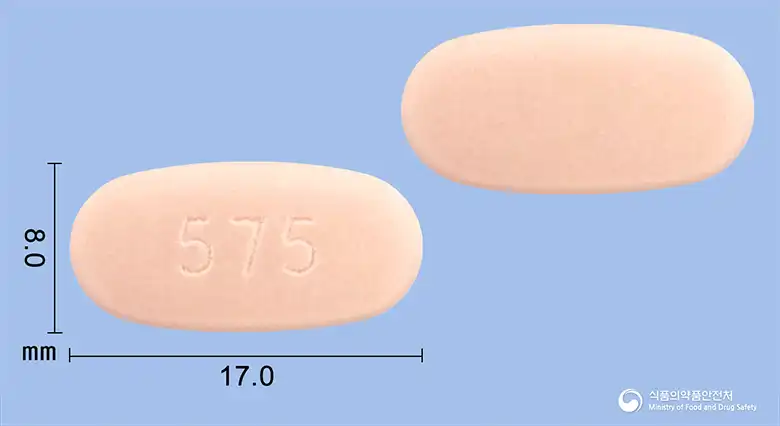 Combination
Sitagliptin Phosphate Hydrate 64.25mg · Metformin Hydrochloride 500mg
Tablet · Prescription medication · Combination
Jongkun Dang Co., Ltd.
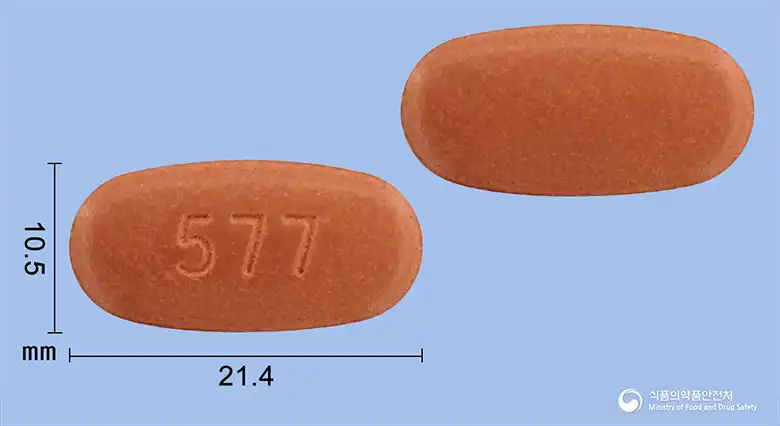 Combination
Sitagliptin Phosphate Hydrate 64.25mg · Metformin Hydrochloride 1000mg
Tablet · Prescription medication · Combination
Jongkundang Co., Ltd.
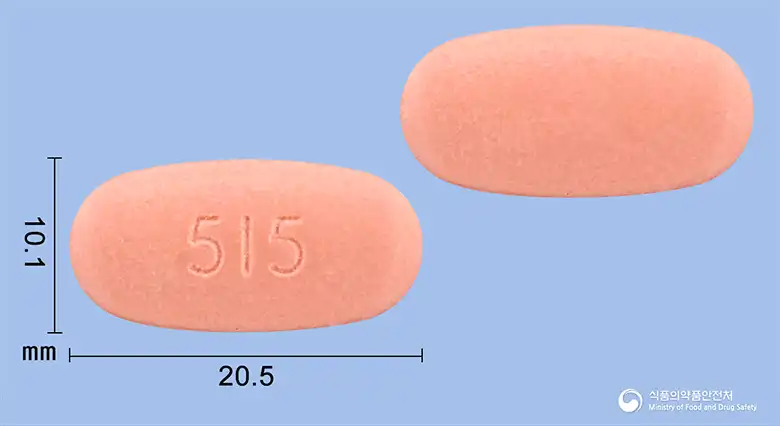 Combination
Sitagliptin Phosphate Hydrate 64.25mg · Metformin Hydrochloride 850mg
Tablet · Prescription medication · Combination
Jongkundang Co., Ltd.
 Combination
Metformin Hydrochloride 500mg · Sitagliptin Phosphate Hydrate 64.25mg
Tablet · Prescription medication · Combination
Jong Kun Dang Co., Ltd.
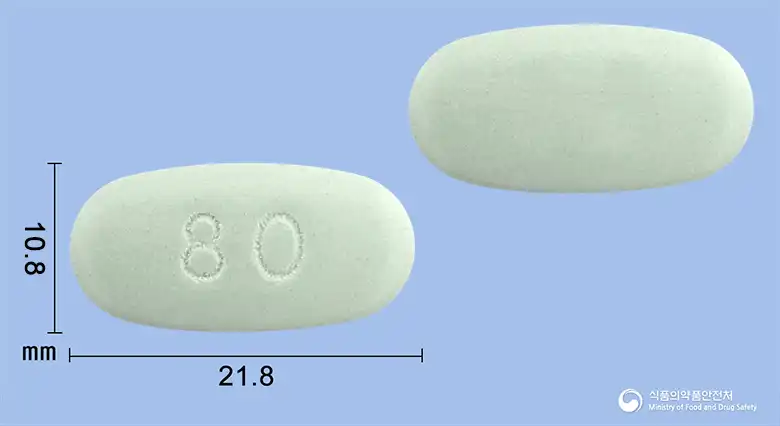 Combination
Metformin Hydrochloride 1000mg · Sitagliptin Phosphate Hydrate 64.25mg
Tablet · Prescription medication · Combination
JongKeunDang Co., Ltd.
 Combination
Metformin Hydrochloride 1000mg · Sitagliptin Phosphate Hydrate 128.5mg
Tablet · Prescription medication · Combination
Jongkundang Co., Ltd.
Sitagliptin Phosphate 62.04mg · Metformin Hydrochloride 500mg
Tablet · Prescription medication · Combination
Yuyu Pharmaceutical Co., Ltd.
Even with the same ingredient, the dose and directions can differ by strength and dosage form. Talk to a doctor or pharmacist before switching from a medication you are already taking.
No questions yet.
For anything that needs medical judgment, consult a doctor or pharmacist.
This drug information is based on data provided by the Korea Ministry of Food and Drug Safety.
Consult a doctor or pharmacist for accurate dosage, administration, and usage instructions.