
 한국어
 English
 日本語
 中文(简体)
 Viewing now
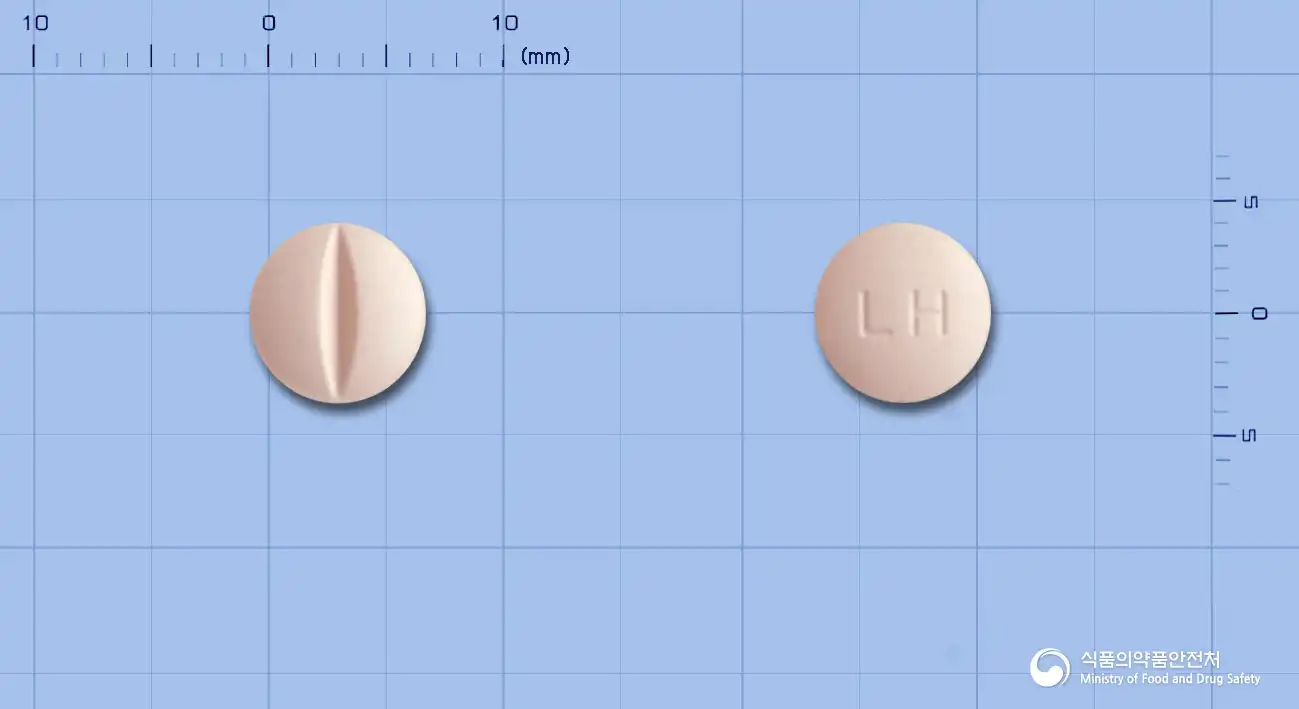
Myungin Lithium Carbonate Tablet 150 mg
Lithium Carbonate 150mg
Tablet · Prescription medication
Myungin Pharmaceutical Co., Ltd.
MFDS item code 201507389 · Approved 2015.10.27 · Insurance code 651904260
Treatment of mania and bipolar disorder, and preventive maintenance treatment
This medication is used not only for the treatment of mania and bipolar disorder but also for maintenance therapy to prevent the recurrence of these symptoms. It helps stabilize mood changes in patients and prevents the worsening of symptoms.
Adults: Administer 0.6-1.8g of lithium carbonate orally per day in 3 divided doses. The dose may be adjusted as appropriate according to age and symptoms.
This drug has a very close relationship between blood lithium levels and toxicity, so during treatment, it must be managed in facilities that can measure blood lithium levels rapidly and accurately. While taking this medication, abnormalities in an electrocardiogram may occur; therefore, particularly for patients suspected of Brugada syndrome, the administration should be decided cautiously after consulting with a cardiologist. Patients with organic brain disorders or abnormal EEG, cardiovascular diseases, renal function impairment, dehydration, fever or diarrhea, which makes it easier for the body to retain lithium, should not take this medication. Women who are pregnant or may become pregnant, patients with Addison's disease, and those with genetic issues such as lactose intolerance should not take this medication. Patients with a history of heart disease, renal function issues, elderly patients, patients with liver dysfunction, and those with thyroid dysfunction should take this medication carefully, with close monitoring of blood lithium levels and symptoms. Symptoms of lithium toxicity may include nausea, vomiting, diarrhea, movement disorders, confusion, dizziness, and if these symptoms occur, immediate consultation with a physician is necessary to adjust or discontinue the medication. This medication can cause side effects such as dizziness or drowsiness, so patients should avoid driving or operating hazardous machinery while taking it. There are many drug interactions, especially when used with diuretics, antiepileptic drugs, antipsychotic medications, and antidepressants; blood lithium levels and symptoms should be meticulously monitored during concurrent use. Pregnant or breastfeeding women should avoid taking this medication, and if unavoidable, should consult with a specialist to decide carefully. Safety in children has not been sufficiently established; thus, it should only be administered when the therapeutic benefits outweigh the risks. Elderly patients may have elevated lithium levels due to renal function decline, so it should be administered with careful monitoring of their condition. Finally, this medication should be stored out of reach of children and should not be transferred to other containers; care should be taken to maintain its quality during storage.
Nausea, vomiting, diarrhea, anorexia, dysphagia, tremor, muscle spasm, movement disorder, ataxia, weakness, hypokinesia, lethargy, dizziness, fever, sweating, speech disorder, confusion, headache, tinnitus, blurred vision, strabismus, nystagmus, hypertonia, hypotonia, signs of increased tension, anxiety, delirium, consciousness disorder, memory disorder, incontinence, seizure, EEG abnormality, arrhythmia, hypotension, ECG abnormality, leukocytosis, urinary retention, oliguria, dehydration, stupor, coma, EEG abnormality, dizziness, fever, headache, sensory disturbance, lethargy, insomnia, speech disorder, amnesia, memory disorder, restlessness, urinary incontinence, scotoma, chills, tinnitus, drowsiness, dysuria, seizure, hypokinesia, emotional unrest, confusion, stupor, coma, tremor, hypertonia, hypotonia, signs of increased tension, myoclonus, chorea-like athetosis, ECG abnormality, hypotension, tachycardia, arrhythmia, peripheral circulation disorder, Brugada syndrome, polyuria, dysuria, oliguria, frequent urination, proteinuria, diabetes, renal dysfunction, hepatic dysfunction, thirst, abdominal pain, gastrointestinal disorder, constipation, excessive salivation, leukocytosis, rash, pruritus, folliculitis, leg ulcers, anesthesia, hair dryness and tapering, systemic eosinophilia, decreased T3, decreased T4, decreased PBI, increased uptake of thyroid 131I, enhanced TSH secretion response after TRH loading, non-toxic goiter, myxedema, hyperthyroidism, primary hyperparathyroidism, parathyroid adenoma, hypercalcemia, blurred vision, baseline wave confusion, increased slow waves, reversible dullness, T wave inversion, weakness, fatigue, weight gain, weight loss, edema, scotoma, decreased libido, elevated blood glucose, dehydration
Not everyone experiences these, and they can vary from person to person.
This medication should be stored in a sealed container to prevent air or moisture from entering and should ideally be kept at room temperature between 1 degrees and 30 degrees Celsius. Storing it this way helps maintain the efficacy of the medication and prevents degradation.
Pink round tablet
500 tablets/bottle
Even with the same ingredient, strength, dosage form and how it is taken can differ.
Viewing nowLithium Carbonate 150mg
Tablet · Prescription medication
Myungin Pharmaceutical Co., Ltd.
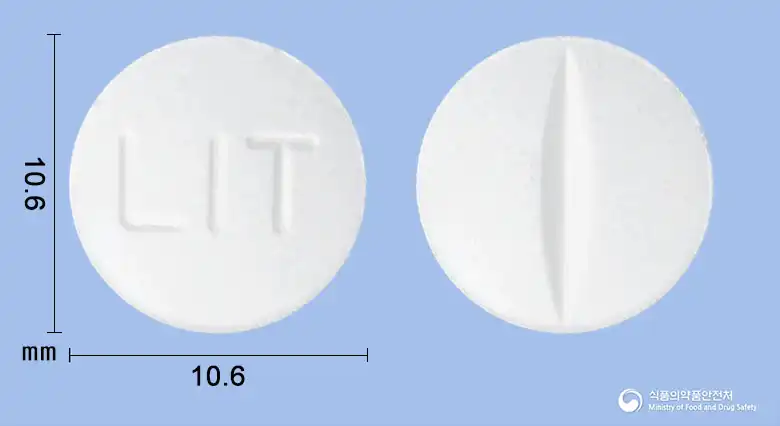
Lithium Carbonate 300mg
Tablet · Prescription medication
Bukwang Pharm Co., Ltd.

Lithium Carbonate 300mg
Tablet · Prescription medication
Myeongin Pharmaceutical Co., Ltd.
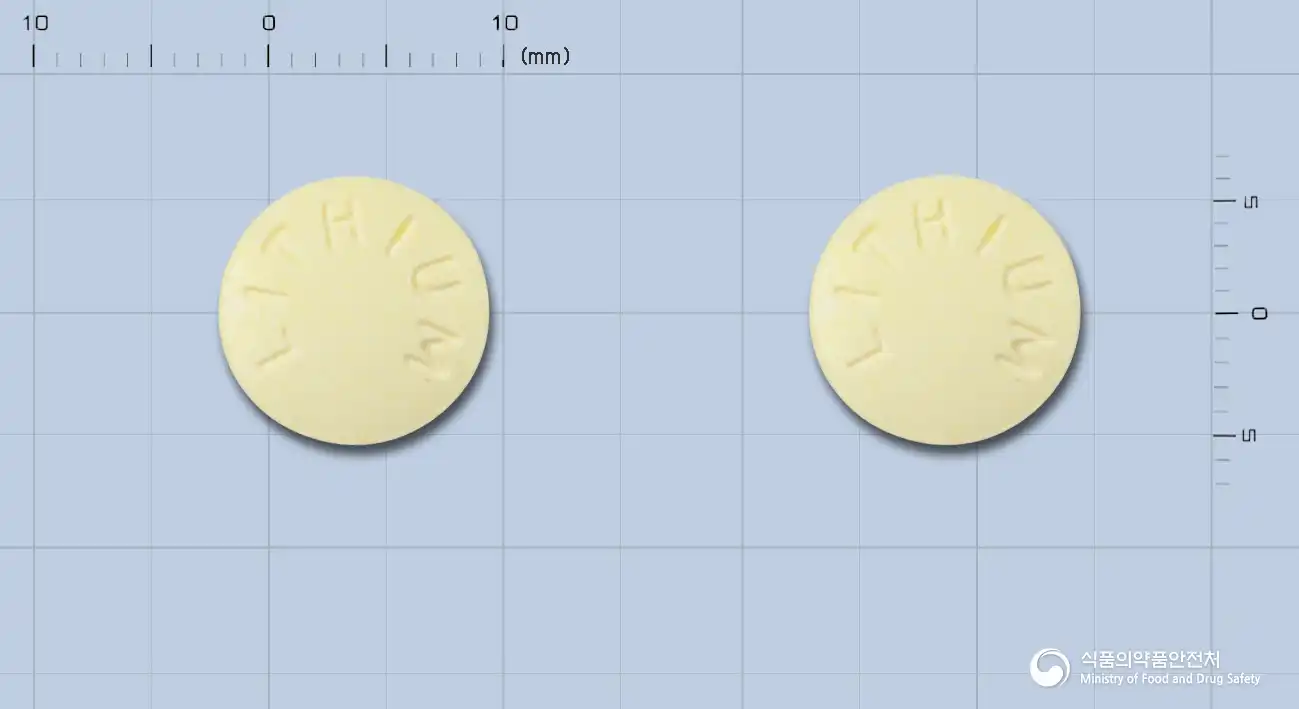
Lithium Carbonate 300mg
Tablet · Prescription medication
Hwanin Pharmaceutical Co., Ltd.
Even with the same ingredient, the dose and directions can differ by strength and dosage form. Talk to a doctor or pharmacist before switching from a medication you are already taking.
No questions yet.
For anything that needs medical judgment, consult a doctor or pharmacist.
This drug information is based on data provided by the Korea Ministry of Food and Drug Safety.
Consult a doctor or pharmacist for accurate dosage, administration, and usage instructions.