
 한국어
한국어 English
 日本語
日本語 中文(简体)
 Viewing now
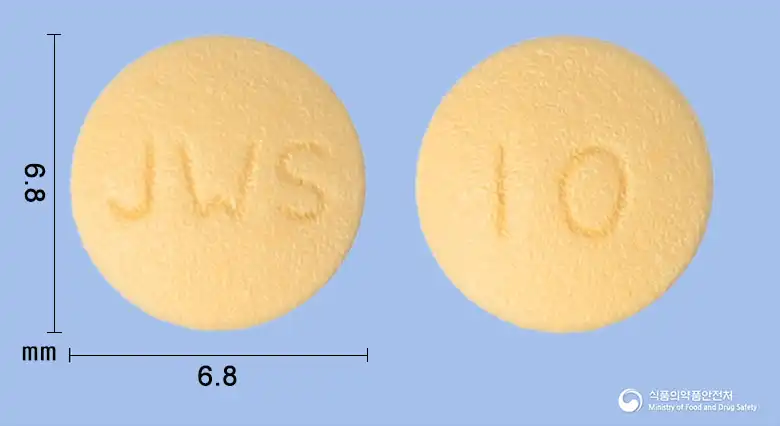
Laberose Tablet 10 mg (Lansoprazole Sodium)
Rabeprazole Sodium 10mg
Tablet · Prescription medication
JW Pharmaceutical Co., Ltd.
MFDS item code 201507195 · Approved 2015.10.15 · Insurance code 644102760
Treatment of gastric ulcer and duodenal ulcer, relief of symptoms of gastroesophageal reflux disease and other digestive disorders
This medication is effective in treating gastric ulcer and duodenal ulcer, and is used to relieve symptoms of erosive or ulcerative gastroesophageal reflux disease. It is also used for long-term maintenance therapy of gastroesophageal reflux disease to prevent recurrence. For patients with gastrointestinal ulcers infected with Helicobacter pylori, it enhances therapeutic efficacy when combined with antibiotics. It helps treat conditions of excessive gastric acid secretion, such as Zollinger-Ellison syndrome. Thus, it is used to improve and treat various symptoms related to gastric and esophageal disorders.
For gastric ulcer and duodenal ulcer: Administer 10 mg orally once a day. Depending on symptoms, 20 mg may be taken orally once a day, with gastric ulcers treated for up to 8 weeks and duodenal ulcers for up to 6 weeks. For erosive or ulcerative gastroesophageal reflux disease: Administer 10 mg or 20 mg orally once a day for 4 to 8 weeks. If not treated adequately, 10 mg or 20 mg may be taken orally twice a day for 8 weeks.
This medication should not be used in certain patients. For example, patients who are allergic to this medication or its ingredients, those who have hypersensitivity to certain antibiotics, pregnant or breastfeeding women, and patients taking certain antivirals should not take this medication. Patients with impaired liver function, the elderly, and those with a history of drug allergies should use this medication with caution. Regular blood tests and liver function tests are required while taking this medication, and if any abnormal symptoms occur, a doctor should be consulted immediately. This medication can cause various side effects such as skin rashes, itching, blood abnormalities, liver function disorders, gastrointestinal issues, and neurological symptoms. If allergic reactions like rashes, hives, or respiratory distress occur, it should be discontinued immediately and healthcare personnel should be notified. Long-term use may increase the risk of fractures due to osteoporosis, so patients taking it for more than a year should undergo periodic bone density tests. Additionally, since this medication suppresses gastric acid secretion, it may lead to vitamin B12 absorption disorders with prolonged use. This medication may interact with other drugs, so it is essential to inform healthcare personnel about any medications currently being taken. Special caution is needed when combined with anticoagulants, certain antibiotics, or antivirals, as the effects of some drugs may decrease or side effects may increase. Pregnant or breastfeeding women should not take this medication, and safety in children has not been confirmed. This medication should not be chewed or crushed but must be swallowed whole, and it should be stored out of reach of children. Moreover, patients taking this medication for a long time should follow their doctor's instructions for regular check-ups and consult immediately if any abnormal symptoms occur.
Hives, chest tightness, severe swelling (edema), severe allergic reactions, severe skin adverse reactions (toxic epidermal necrolysis, Stevens-Johnson syndrome), respiratory distress, asthma attacks, liver abnormalities (jaundice), sudden and severe headache, lightning headache, seizures, confusion of consciousness, vision abnormalities, paralysis, markedly decreased urine output, severe edema with increased blood pressure, acute interstitial nephritis, anaphylaxis, shock, angioedema
Not everyone experiences these, and they can vary from person to person.
This medication should be stored in a tightly sealed container to protect it from air and moisture. It is best to store the medication at room temperature, which should not be too cold or too hot, ideally between 1 and 30 degrees Celsius.
Pale yellow round enteric-coated film-coated tablet
28 tablets (7 tablets/Alu-Alu×4)
Even with the same ingredient, strength, dosage form and how it is taken can differ.
Viewing nowRabeprazole Sodium 10mg
Tablet · Prescription medication
JW Pharmaceutical Co., Ltd.
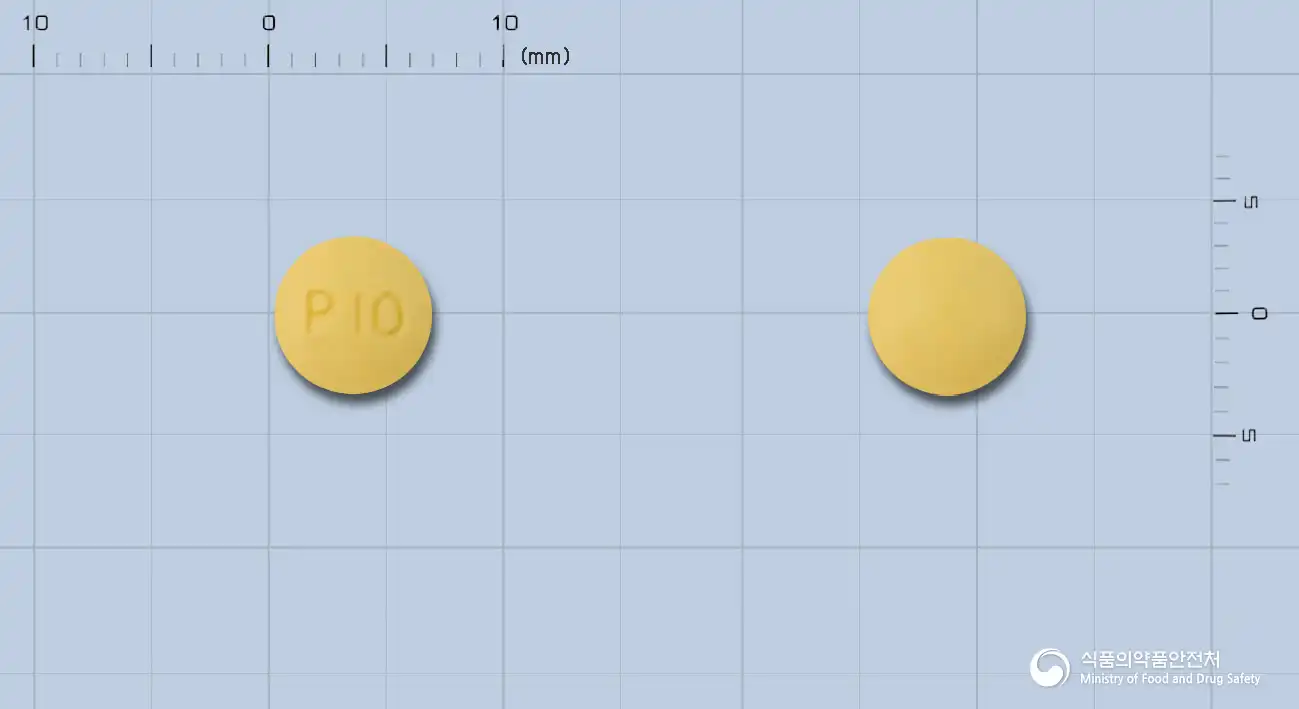
Rabeprazole Sodium 10mg
Tablet · Prescription medication
Genewon Sciences Co., Ltd.
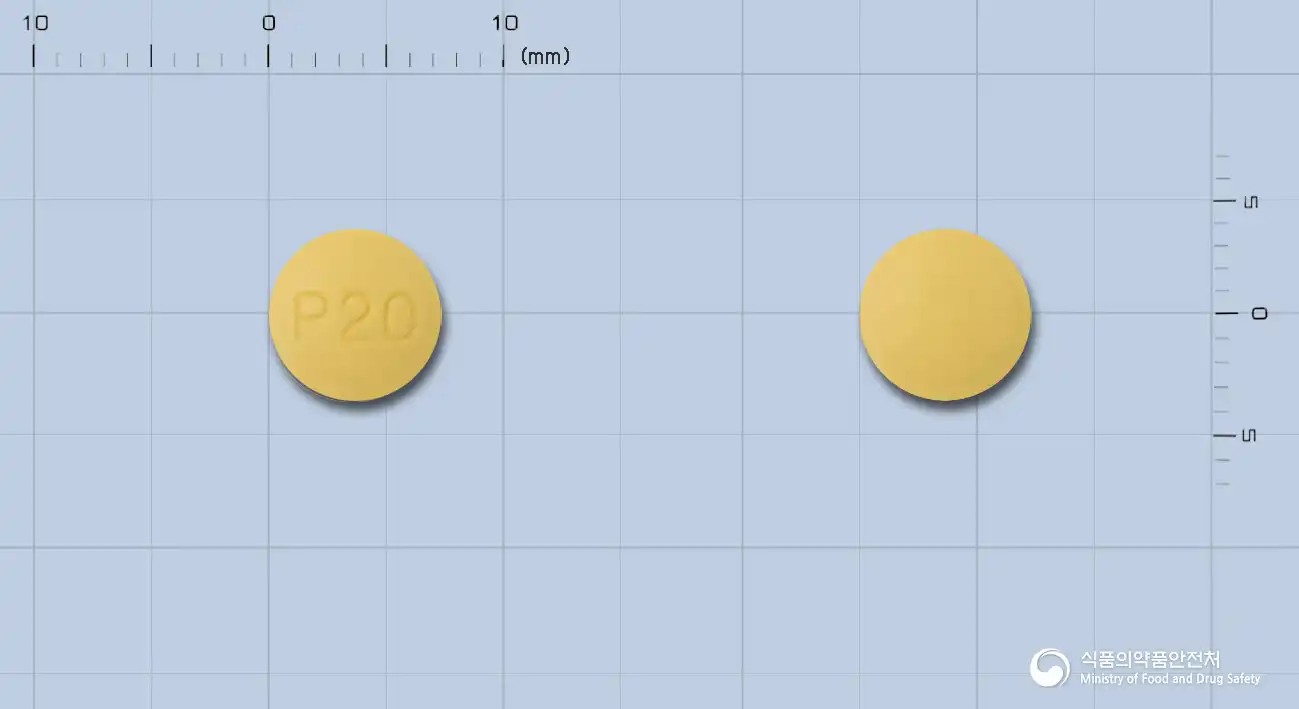
Rabeprazole Sodium 20mg
Tablet · Prescription medication
Genewell Science Co., Ltd.
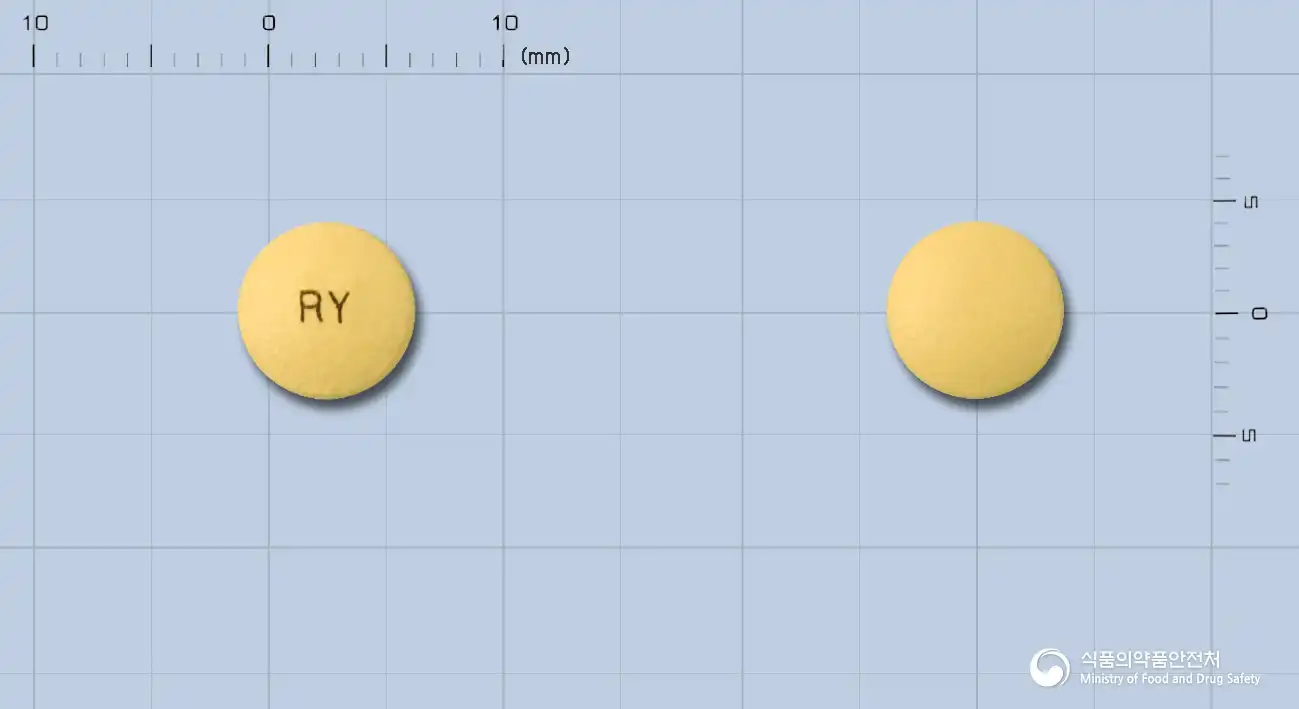
Rabeprazole Sodium 20mg
Tablet · Prescription medication
Ilyun Pharmaceutical Co., Ltd.

Rabeprazole Sodium 10mg
Tablet · Prescription medication
Shinpoong Pharm. Co., Ltd.
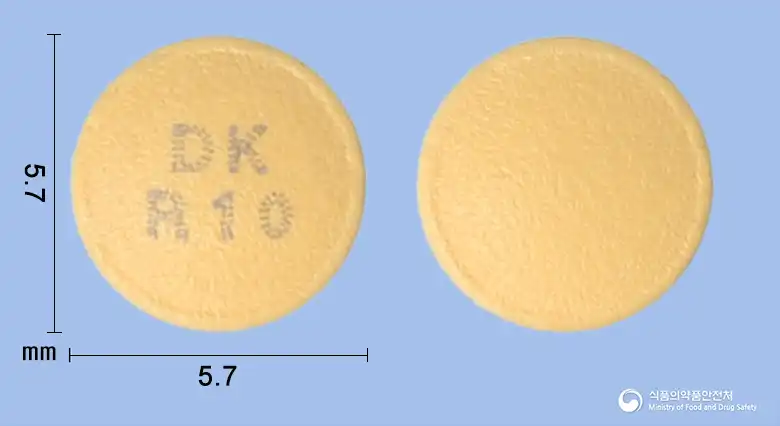
Rabeprazole Sodium 10mg
Tablet · Prescription medication
Dongkuk Pharmaceutical Co., Ltd.
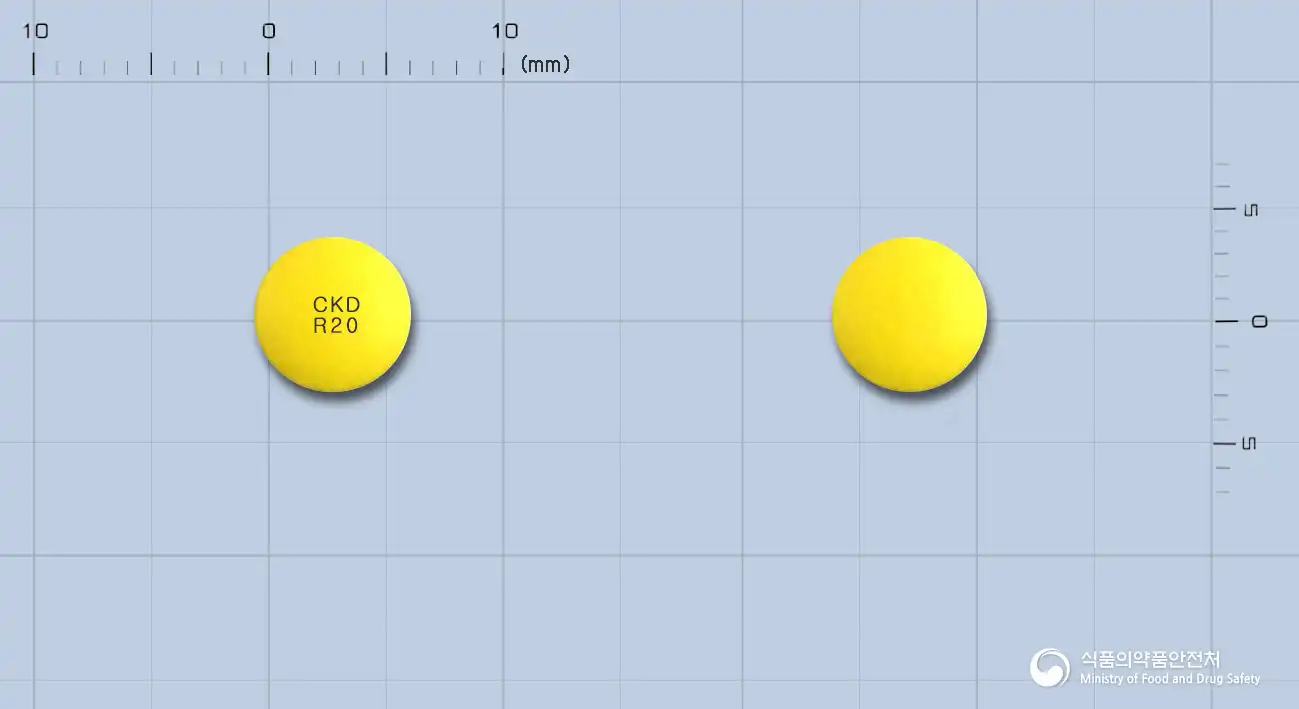
Rabeprazole Sodium 20mg
Tablet · Prescription medication
Jongkundang Co., Ltd.
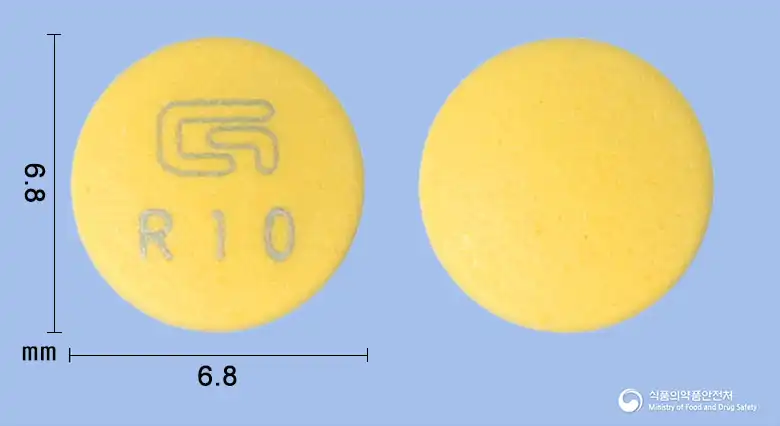
Rabeprazole Sodium 10mg
Tablet · Prescription medication
Donggwang Pharmaceutical Co., Ltd.
Even with the same ingredient, the dose and directions can differ by strength and dosage form. Talk to a doctor or pharmacist before switching from a medication you are already taking.
No questions yet.
For anything that needs medical judgment, consult a doctor or pharmacist.
This drug information is based on data provided by the Korea Ministry of Food and Drug Safety.
Consult a doctor or pharmacist for accurate dosage, administration, and usage instructions.