
 한국어
한국어 English
 日本語
日本語 中文(简体)
 Viewing nowCombination
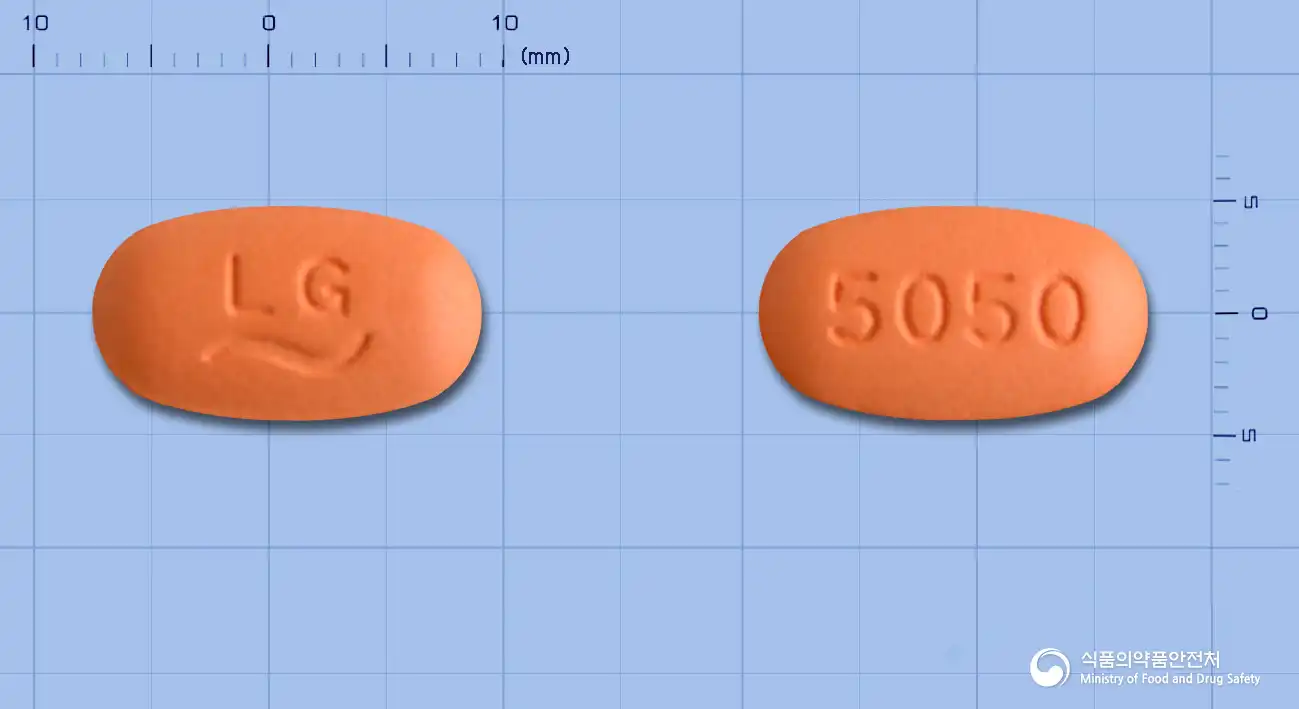
Gemimet Extended-Release Tablet 50/500 mg
Gemigliptin Tartrate Sesquihydrate 68.9mg · Metformin Hydrochloride 500mg
Tablet · Prescription medication · Combination
(LG Chem Ltd.)
MFDS item code 201507099 · Approved 2015.10.12 · Insurance code 668902990
Improvement of blood sugar control in type 2 diabetes
This medication is used to help control blood sugar levels in patients with type 2 diabetes when taken in combination with gemigliptin and metformin. It can effectively improve blood sugar levels when combined with dietary and exercise therapy. Therefore, it is a suitable treatment for diabetic patients who require blood sugar management.
This medication is generally administered with the evening meal, at a dose of 1 tablet once daily or 2 tablets once daily at the same time. To reduce gastrointestinal side effects related to metformin, the dose is increased gradually. The recommended starting dose is Gemigliptin 50mg/Metformin 500mg extended-release tablet once daily. The maximum recommended daily dose is Gemigliptin 50mg and extended-release Metformin 2000mg. This medication should be swallowed whole.
This medication is used for diabetes treatment and can rarely cause a severe metabolic complication called lactic acidosis. Lactic acidosis is a condition where lactic acid accumulates excessively in the body, and symptoms such as difficulty breathing, muscle pain, and weakness may appear, so caution is warranted. This medication should not be used in patients with poor kidney function, heart failure, or those in serious conditions such as acute myocardial infarction or sepsis. Additionally, patients receiving iodine contrast agents for radiological examinations should stop taking this medication 48 hours before the exam and only resume after confirming normal kidney function. It is not recommended for pregnant or breastfeeding women, and alcohol consumption should be avoided as it may increase the risk of side effects from this medication. During treatment, regular kidney and liver function tests should be conducted, and particularly elderly patients or those with decreased kidney function should be monitored more closely. This medication may cause hypoglycemia, so careful monitoring of blood glucose changes is necessary when used with insulin or sulfonylureas. Additionally, if symptoms of acute pancreatitis, such as severe abdominal pain, occur, medical attention should be sought immediately. During the use of this medication, rare skin rashes, hives, or severe allergic reactions may occur; if any symptoms arise, the medication should be discontinued immediately and a doctor consulted. For surgeries requiring food and drink restrictions, this medication should be stopped at least 48 hours prior to the procedure and resumed only after confirming normal kidney function after surgery. The tablet shell of this medication may be excreted in the stool, but this is due to the inactive ingredients of the medication and does not require concern. However, if it is repeatedly found in the stool, it is advisable to inform a healthcare professional.
Hives, severe swelling (angioedema), chest tightness, difficulty breathing, cold sweat, paleness, fever with severe rash, blisters, skin peeling, pain in mouth/eye mucosa, shortness of breath or difficulty breathing, asthma attacks, respiratory abnormalities associated with cough and fever, yellowing of skin or eyes (jaundice), generalized extreme fatigue, sudden and severe headache, lightning headache, seizures, altered consciousness, visual disturbances, paresis, etc.
Joint pain, nasopharyngitis, bacteriuria, upper respiratory tract infection, increased blood CPK levels, increased blood amylase levels, increased lipase levels, fever, diarrhea, urinary tract infections, dizziness, nausea, weakness, muscle pain, headache, dyspepsia, constipation, hypoglycemia when administered alone or in combination with insulin, hypersensitivity, itching, rash, abdominal pain, gastroesophageal reflux, unspecified gastrointestinal disorders, gastroenteritis, cough, rhinitis, bronchitis, etc.
Not everyone experiences these, and they can vary from person to person.
This medication should be stored in a tightly sealed container to prevent air or moisture from entering. It is important to maintain a storage temperature between 1 degree and 30 degrees Celsius. Proper storage can help maintain the effectiveness of the medication for an extended period.
Orange oval film-coated tablet
Bottle - 30 tablets/bottle, Bottle - 100 tablets/bottle, PTP - 28 tablets/PTP [14 tablets/PTP×2], PTP - 56 tablets/PTP [14 tablets/PTP×4]
Even with the same ingredient, strength, dosage form and how it is taken can differ.
Viewing nowCombinationGemigliptin Tartrate Sesquihydrate 68.9mg · Metformin Hydrochloride 500mg
Tablet · Prescription medication · Combination
(LG Chem Ltd.)
 Combination
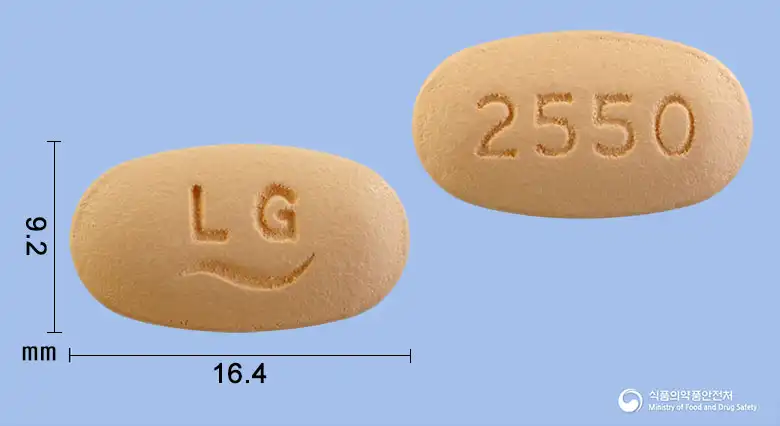
Gemigliptin Tartrate Sesquihydrate 34.45mg · Metformin Hydrochloride 500mg
Tablet · Prescription medication · Combination
LG Chem, Ltd.
 Combination
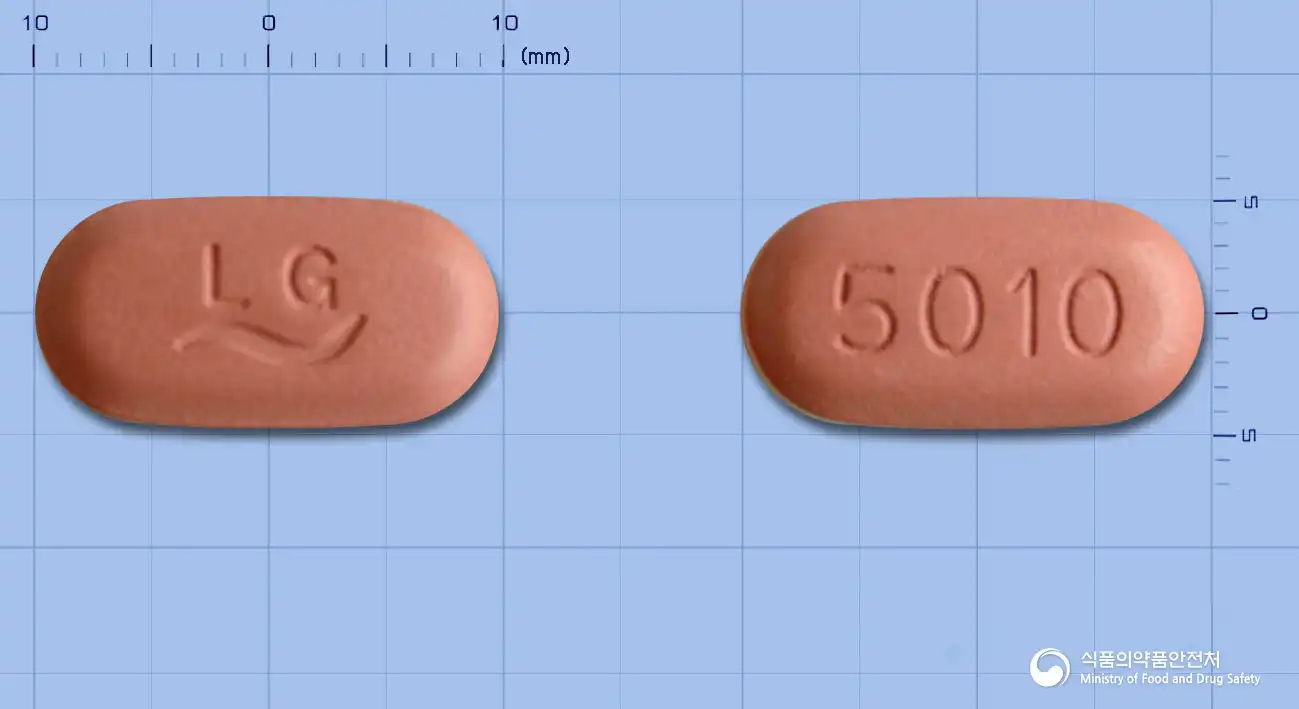
Gemigliptin Tartrate Sesquihydrate 68.9mg · Metformin Hydrochloride 1000mg
Tablet · Prescription medication · Combination
LG Chem, Ltd.
Even with the same ingredient, the dose and directions can differ by strength and dosage form. Talk to a doctor or pharmacist before switching from a medication you are already taking.
No questions yet.
For anything that needs medical judgment, consult a doctor or pharmacist.
This drug information is based on data provided by the Korea Ministry of Food and Drug Safety.
Consult a doctor or pharmacist for accurate dosage, administration, and usage instructions.