
 한국어
한국어 English
 日本語
日本語 中文(简体)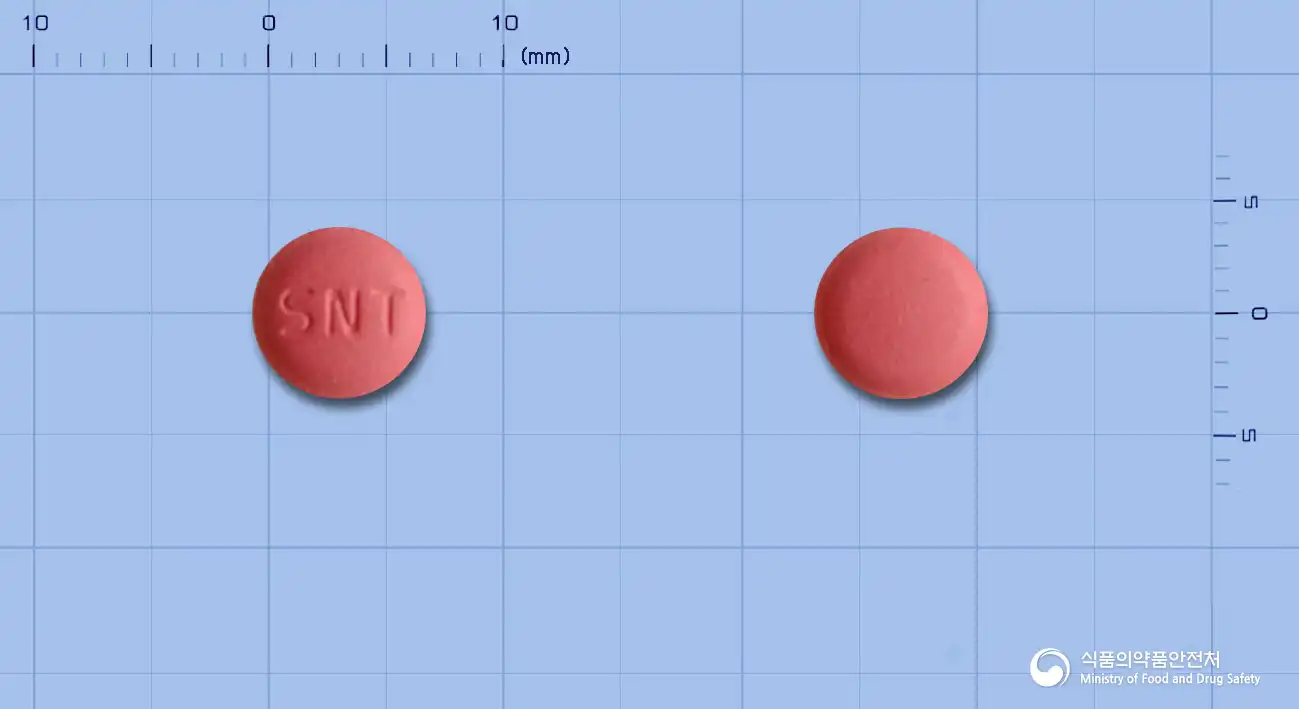
Summary
- Main use
- Improvement of blood glucose control in type 2 diabetes
- Who uses it
- Adults
- Adult dosage
- This medication is administered once daily at a dose of 5 mg for monotherapy or combination therapy, with a maximum daily dose of 5 mg. It can be taken regardless of meals.
Ingredients
- Manufacturer
- 동아에스티(주)
Efficacy & effects
Improvement of blood glucose control in type 2 diabetes
View approved original textHide original text
This medication is used to help patients with type 2 diabetes control their blood sugar levels. It can be taken alone or in combination with other medications along with dietary and exercise therapy. This helps improve blood sugar management and is effective in alleviating diabetes symptoms. This medication is used to enhance blood glucose control.
Dosage and Administration
Adult dosage
This medication is administered once daily at a dose of 5 mg for monotherapy or combination therapy, with a maximum daily dose of 5 mg. It can be taken regardless of meals.
Precautions
This medication should not be administered to certain patients. For example, it is not used in patients who have had severe allergic reactions to this medication or other DPP-4 inhibitors, or in type 1 diabetes patients. Caution is needed when used in heart failure patients, especially in those with severe heart failure. In patients with decreased kidney function, the drug concentration may increase, and careful observation is necessary for patients undergoing hemodialysis. It should also be used with caution in patients with severely impaired liver function. Acute pancreatitis may occur during treatment with this medication, so if symptoms like severe abdominal pain appear, usage should be stopped immediately and a doctor should be consulted. Common side effects that may occur with this medication include gastritis, pharyngitis, and arthralgia, while rare cases of skin rash, headaches, and dizziness have also been reported. Additionally, symptoms of hypoglycemia may occur, so dose adjustments may be necessary when used with insulin or insulin secretagogues. If symptoms of severe arthralgia or skin blistering occur, the doctor should be notified immediately, and the medication should be discontinued. This medication generally does not have significant interactions with most other medications; however, caution is warranted when used with certain antibiotics or drugs that affect liver metabolism. It is advisable not to use this medication in pregnant or lactating women, and safety in children has not yet been established. Elderly patients should be closely observed during usage, as liver and kidney function may decline. In case of overdose, it is important to remove the drug from the gastrointestinal tract, monitor conditions such as electrocardiograms, and receive necessary treatment.
Side effects and when to seek care immediately
Serious side effects
Urticaria, severe swelling (angioedema), difficulty breathing, chest tightness, severe rash along with high fever, blisters, skin peeling, pain in oral/ocular mucous membranes, sudden and severe headaches, thunderclap headaches, seizures, confusion, visual disturbances, paralysis, noticeably reduced urine output, generalized severe swelling, elevated blood pressure, severe arthralgia accompanied by disability, bullous pemphigoid, acute pancreatitis, liver dysfunction (jaundice), heart failure
Mild side effects
- Gastritis
- periodontitis
- pharyngitis
- erectile dysfunction
- dyspepsia
- arthralgia
- toothache
- contact dermatitis
- diarrhea
- pruritus
Show 21 moreCollapse
- constipation
- chronic gastritis
- colon polyps
- gastric ulcer
- gastroesophageal reflux disease
- hemorrhoids
- vaginal infections
- shingles
- cystitis
- myalgia
- rotator cuff syndrome
- intervertebral disc disorders
- diabetic retinopathy
- ligament sprains
- foot fractures
- dizziness
- headaches
- breast pain
- pruritus
- sensorineural hearing loss
- hypertension
Not everyone experiences these, and they can vary from person to person.
Storage
This medication must be stored in a tightly sealed container to protect it from air and moisture. Additionally, it should be kept at room temperature that is not too hot or too cold, preferably between 1 degree and 30 degrees Celsius.
Appearance and packaging
Appearance
Pink round film-coated tablets
Package unit
30 tablets/PTP
Questions about this medicine
No questions yet.
For anything that needs medical judgment, consult a doctor or pharmacist.