
 한국어
한국어 English
 日本語
日本語 中文(简体)
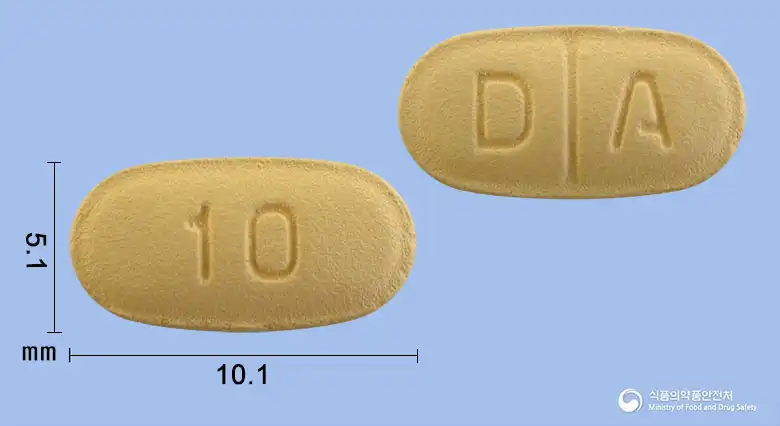 Viewing nowCombination
DuoNonjeong 10/10 mg
Rosuvastatin Calcium 10.4mg · Ezetimibe 10mg
Tablet · Prescription medication · Combination
Dong-A ST Co., Ltd.
MFDS item code 201506798 · Approved 2015.09.24 · Insurance code 642507330
Improvement of lipid levels in hypercholesterolemia (primary, mixed type) and reduction of the risk of atherosclerotic vascular disease
This medication helps to control blood cholesterol and related lipid levels within the normal range for patients with primary hypercholesterolemia and mixed dyslipidemia. Specifically, it lowers total cholesterol, LDL-cholesterol, apolipoprotein B, triglycerides, and non-HDL cholesterol levels, while increasing HDL cholesterol, the 'good' cholesterol. It is important that this medication be used alongside dietary measures, such as limiting saturated fat and cholesterol intake, and is added as an adjunct when dietary measures alone do not yield sufficient results. Additionally, it is advisable to check and treat other conditions that may be secondary causes of dyslipidemia, such as diabetes or hypothyroidism. Regular testing of blood lipid levels will be conducted to monitor treatment effects. This medication reduces the risk of atherosclerotic vascular disease due to hypercholesterolemia and contributes to overall cardiovascular health improvement.
This medication is taken once daily regardless of meals. The dosage range is 10/5 mg to 10/20 mg per day, with a recommended initial dose of 10/5 mg per day. For patients requiring more significant LDL cholesterol reduction, the dosage may be adjusted. After starting treatment or adjusting the dosage, blood lipid levels should be checked at intervals of at least 4 weeks to adjust the dosage, with a maximum daily dosage of 10/20 mg.
This medication may rarely cause rhabdomyolysis, which can result in serious kidney dysfunction due to damage to muscle tissue. Therefore, patients with acute severe muscle diseases or reduced kidney function should discontinue or temporarily pause its use. Patients with allergies to the active ingredient or components of this medication, those with severely impaired liver function, patients with muscle diseases, those taking specific immunosuppressants, patients with very low kidney function, pregnant women or women who may become pregnant, and nursing mothers should not take this medication. Patients at high risk for muscle diseases, alcoholics, patients with a history of liver disease, elderly patients, and those taking specific medications should use this medication with caution and should consult a doctor immediately if symptoms of muscle pain or drug side effects occur. Regular checks of liver function and muscle condition are required during the use of this medication, and if liver enzyme levels become abnormally high or symptoms such as muscle pain and weakness arise, the medication should be stopped immediately and medical advice sought. Pregnant or breastfeeding women should not take this medication, and fertile women should use appropriate contraception during treatment. This medication is not recommended for children as safety and effectiveness have not been sufficiently verified. As this medication may interact with other drugs, patients taking other medications must inform their doctor or pharmacist, particularly caution is needed when used in conjunction with certain antibiotics, antivirals, anticoagulants, and fibrates. In case of overdose, there are no specific antidotes, so appropriate treatment and supportive measures based on symptoms should be received, and monitoring of kidney function and muscle enzyme levels should be conducted. When storing this medication, keep it out of reach of children and do not transfer it to another container. Caution should be taken when driving or operating machinery as dizziness may occur.
Urticaria, severe swelling (edema), chest tightness, difficulty breathing, cold sweat, pallor, severe rash with fever, blisters, exfoliation of skin, pain in oral/ocular mucosa, shortness of breath or difficulty breathing, asthma attack, cough with fever accompanied respiratory abnormalities, jaundice (yellowing of skin or eyes), extreme fatigue, sudden and severe headache, thunderclap headache, seizure, confusion, visual disturbances, paralysis, urinary changes
Nasopharyngitis, dyspepsia, headache, dizziness, abdominal pain, diarrhea, fatigue, itching, rash, arthralgia, myalgia, weakness, chest pain, dry mouth, elevated blood sugar, increased serum lactate dehydrogenase levels, pruritus, urticaria, hair loss, sensory disturbances, nausea, abdominal distension, loss of appetite, syncope, myalgia, muscle cramps, gout, erectile dysfunction, bronchitis, rhinitis, cystitis, dermatitis, skin burning sensation, nasal congestion, oropharyngeal pain
Not everyone experiences these, and they can vary from person to person.
This medication may be sensitive to air or moisture, so it must be stored in a tightly sealed container. The storage temperature should be maintained between 1 degree and 30 degrees Celsius at room temperature. Proper storage will help maintain the medication's effectiveness and safety for a long time.
Yellow, oval film-coated tablet
30 tablets (10 tablets/PTP × 3), 30 tablets/bottle, 100 tablets/bottle
Even with the same ingredient, strength, dosage form and how it is taken can differ.
Viewing nowCombinationRosuvastatin Calcium 10.4mg · Ezetimibe 10mg
Tablet · Prescription medication · Combination
Dong-A ST Co., Ltd.
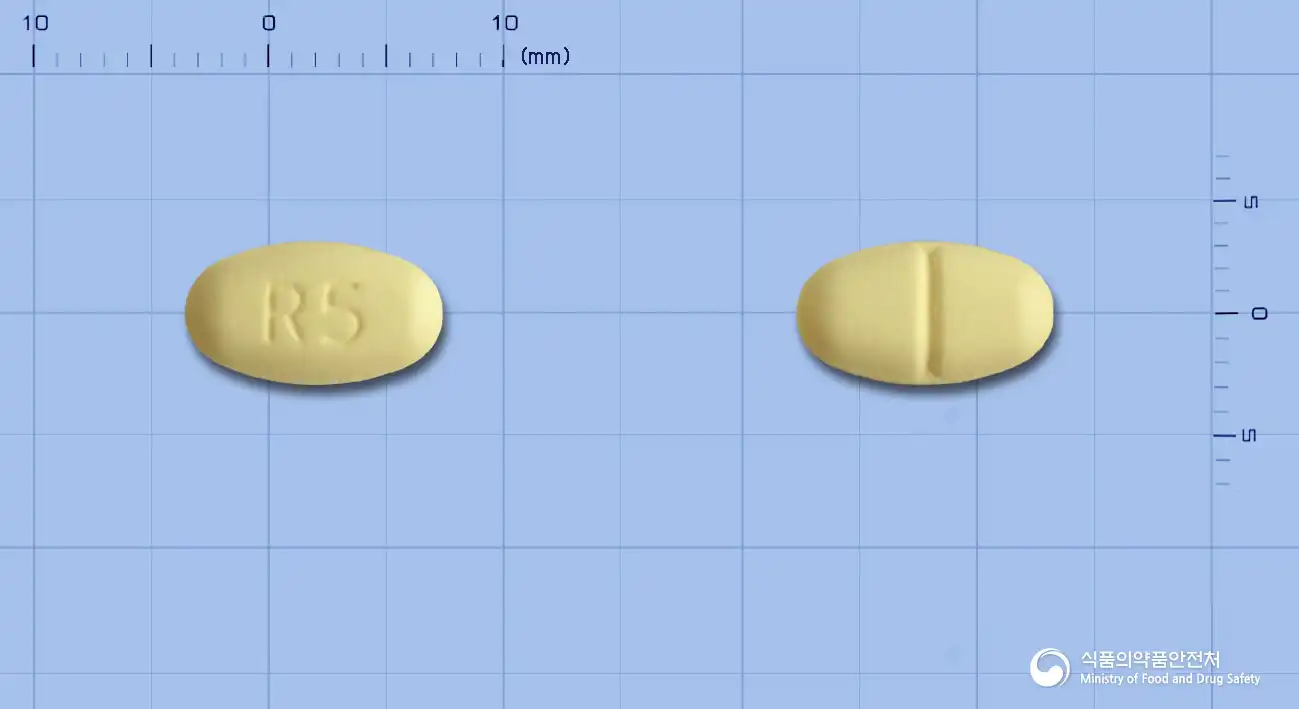 Combination
Rosuvastatin Calcium 5.2mg · Ezetimibe 10mg
Tablet · Prescription medication · Combination
Hanmi Pharmaceutical Co., Ltd.
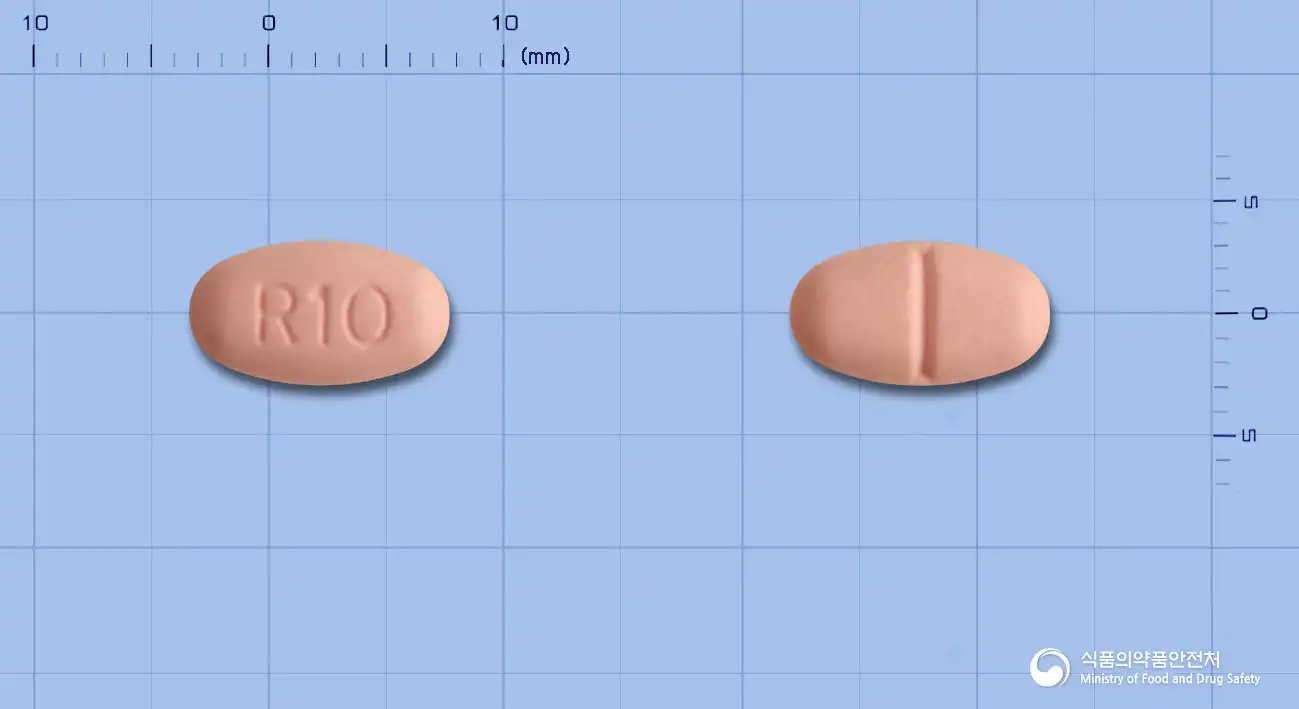 Combination
Rosuvastatin Calcium 10.4mg · Ezetimibe 10mg
Tablet · Prescription medication · Combination
Hanmi Pharmaceutical Co., Ltd.
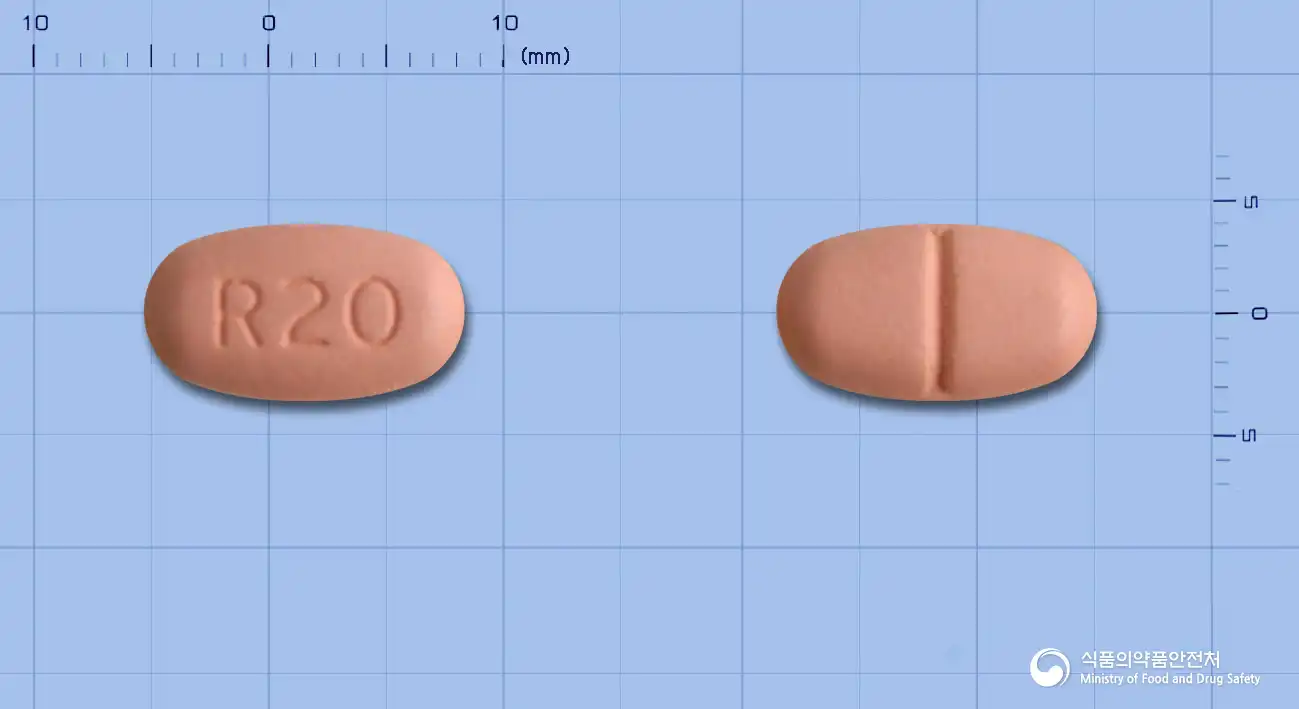 Combination
Ezetimibe 10mg · Rosuvastatin Calcium 20.8mg
Tablet · Prescription medication · Combination
Hanmi Pharmaceutical Co., Ltd.
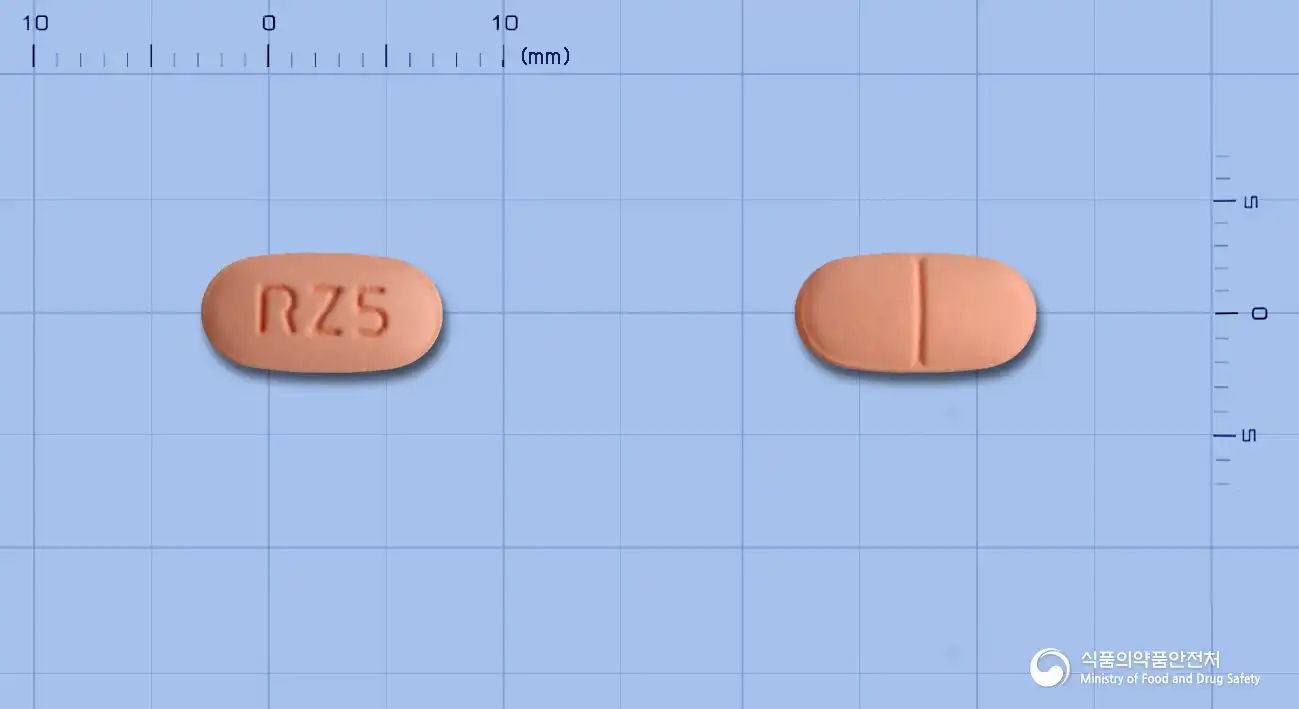 Combination
Rosuvastatin Calcium 5.2mg · Ezetimibe 10mg
Tablet · Prescription medication · Combination
Albozen Korea Co., Ltd.
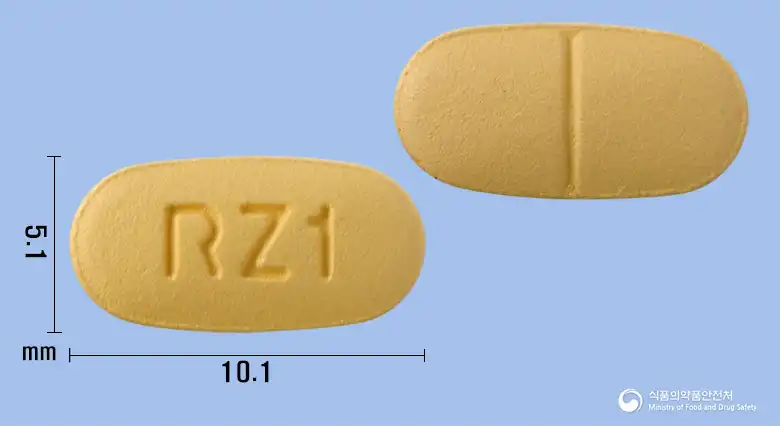 Combination
Rosuvastatin Calcium 10.4mg · Ezetimibe 10mg
Tablet · Prescription medication · Combination
Albogen Korea Co., Ltd.
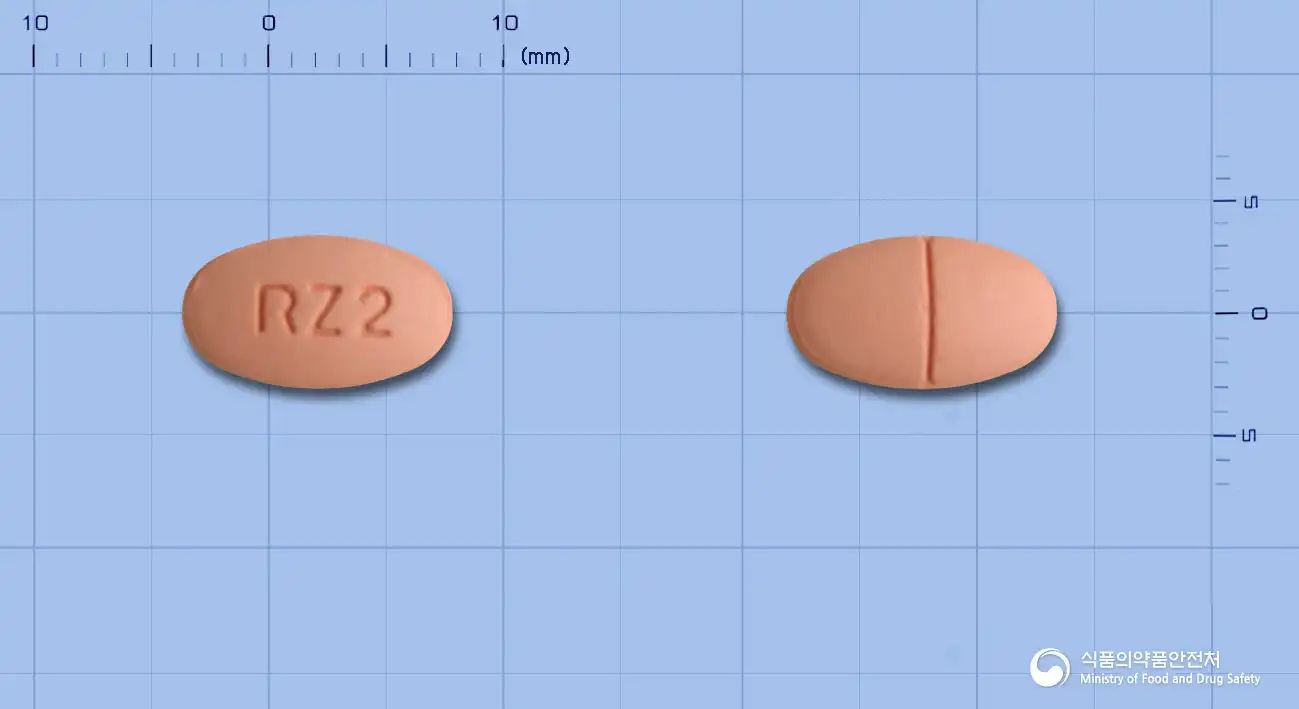 Combination
Rosuvastatin Calcium 20.8mg · Ezetimibe 10mg
Tablet · Prescription medication · Combination
Albogene Korea Co., Ltd.
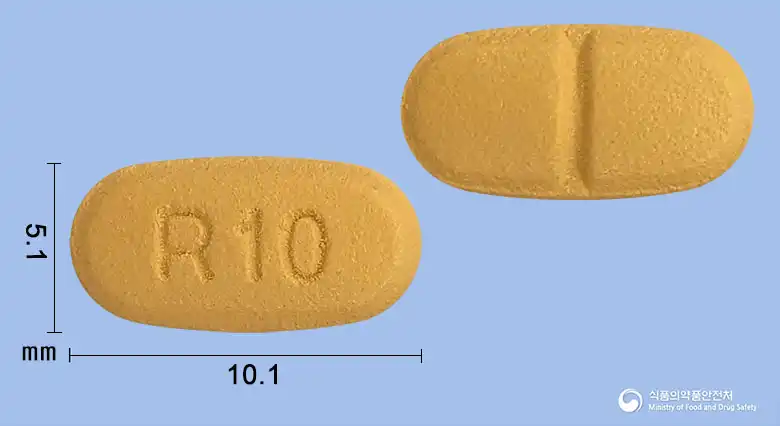 Combination
Rosuvastatin Calcium 10.4mg · Ezetimibe 10mg
Tablet · Prescription medication · Combination
Daewoong Pharmaceutical Co., Ltd.
Even with the same ingredient, the dose and directions can differ by strength and dosage form. Talk to a doctor or pharmacist before switching from a medication you are already taking.
No questions yet.
For anything that needs medical judgment, consult a doctor or pharmacist.
This drug information is based on data provided by the Korea Ministry of Food and Drug Safety.
Consult a doctor or pharmacist for accurate dosage, administration, and usage instructions.