
 한국어
한국어 English
 日本語
日本語 中文(简体)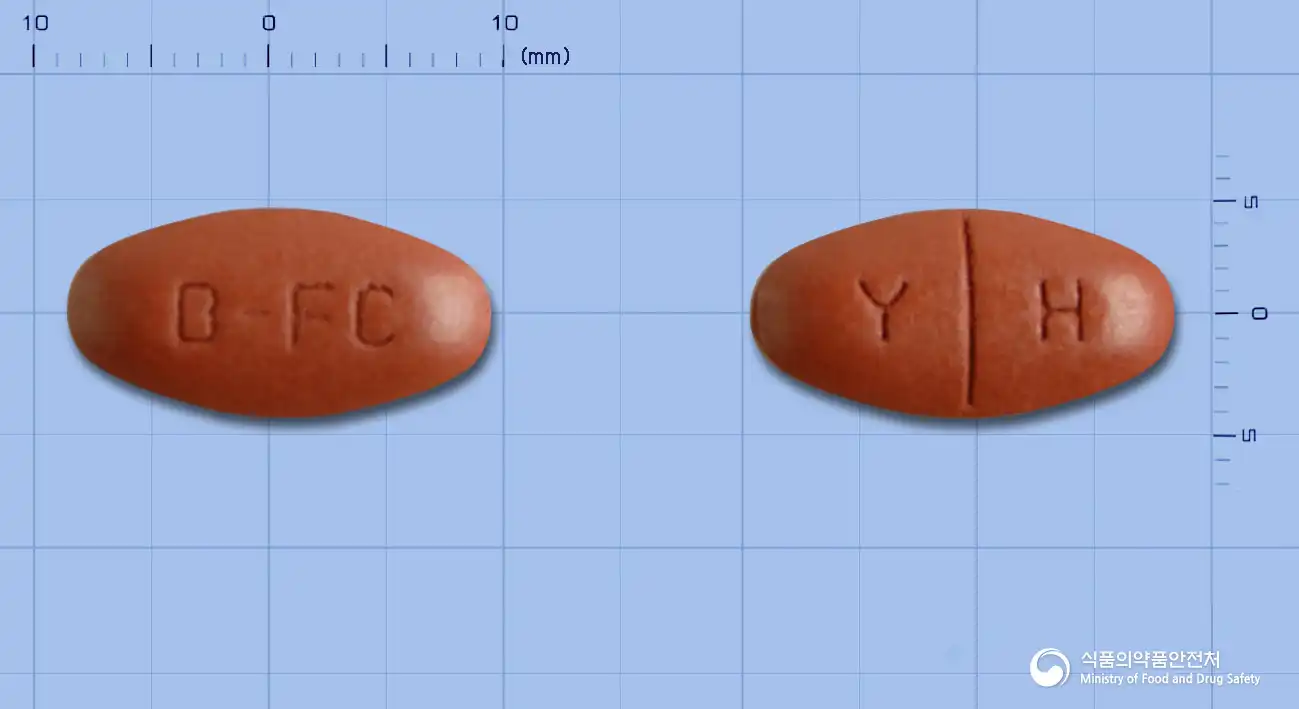
Summary
- Main use
- Vitamin A (relief of dry eyes, night blindness), Vitamin D (improvement of bone development issues, prevention of rickets), Vitamin B1 (relief of neuralgia, etc.), Vitamin B2·B6 (relief of stomatitis, etc.)
- Who takes it
- Adults
- Adult dose
- Aged 12 years and older: Take 1 tablet, 1 to 2 times a day.
Ingredients
- Beta-Carotene Granules 20%18mg / 1 tablet
- Benfotiamine50mg / 1 tablet
- Pyridoxine Hydrochloride50mg / 1 tablet
- Cyanocobalamin Powder 1%10mg / 1 tablet
- Ascorbic Acid Granules 97%103.1mg / 1 tablet
- Cholecalciferol Concentrate Powder4mg / 1 tablet
- Riboflavin30mg / 1 tablet
- D-Biotin 1%10mg / 1 tablet
- Dibasic Calcium Phosphate Hydrate215mg / 1 tablet
- Precipitated Calcium Carbonate125mg / 1 tablet
- Royal Jelly10mg / 1 tablet
- Magnesium Oxide165.9mg / 1 tablet
- Zinc Oxide18.7mg / 1 tablet
- Choline Tartrate50mg / 1 tablet
- Manufacturer
- (주)유한양행
Efficacy & effects
Vitamin A (relief of dry eyes, night blindness), Vitamin D (improvement of bone development issues, prevention of rickets), Vitamin B1 (relief of neuralgia, etc.), Vitamin B2·B6 (relief of stomatitis, etc.)
- Physical fatigue
- decreased stamina
- dry eyes
- night blindness
- poor bone development
- poor dental development
- neuralgia
- muscle pain
- joint pain
- beriberi
- eye fatigue
- angular cheilitis
View approved original textHide original text
This medication is used to supply vitamins A, D, B1, B2, B6, C, and zinc in cases of physical fatigue, during pregnancy and breastfeeding, when body strength decreases due to illness, during growth periods, and in old age. Vitamin A helps relieve dry eyes and night blindness. Vitamin D is effective in improving bone and dental development deficiencies and in preventing rickets. Vitamin B1 is used for relieving neuralgia, muscle pain, and joint pain, as well as fatigue in the eyes and beriberi. Vitamins B2 and B6 help relieve symptoms of inflammation around the mouth and dermatitis. Zinc contributes to the enhancement of immune function and wound healing.
How to take
Adult dose
Aged 12 years and older: Take 1 tablet, 1 to 2 times a day.
Precautions
This medication should be used with caution in women within the first three months of pregnancy or who could become pregnant, as taking more than 5,000 IU of Vitamin A may pose a risk of congenital malformations in the fetus. This medication should not be taken by patients with hypercalcemia (high calcium levels in the blood), sarcoidosis (a systemic inflammatory disease of unknown origin), kidney disease patients, and those with kidney stones or serious kidney failure. Those who are allergic to any of the ingredients in this medication or infants under 12 months old should also avoid taking it. During use, this medication should not be taken with phosphates, calcium salts, oral tetracycline antibiotics, antacids, or levodopa, as interactions could lead to side effects. Additionally, individuals receiving medical treatment or those with hyperoxaluria, pregnant or breastfeeding women, premature infants, patients with heart and kidney dysfunctions, patients with hypoproteinemia, digoxin users, gout patients, or those with a history of kidney stones should consult a doctor or pharmacist before use. If symptoms like nausea, vomiting, skin itching, dry skin, joint swelling, diarrhea, constipation, hypotension, facial flushing, irregular heartbeat, skin rash, red spots, central nervous system dysfunction, gastrointestinal disturbances, pulmonary edema, etc., occur during use, discontinue the medication immediately and consult a specialist. Long-term high-dose use may lead to tolerance, neurological symptoms, hematological adverse reactions, hypernatremia, congestive heart failure, edema, increased risk of hypercalcemia and nephrolithiasis, and osteoporosis, so caution is advised. Always adhere to the prescribed dosage and regimen, and it is essential to consult a doctor or pharmacist. Vitamin A in this medication can also be adequately consumed through regular meals, hence it should not exceed 5,000 IU when used as a supplementary therapy. This medication may affect urine test results, and it is advisable to avoid tannin-containing teas like green tea and black tea during use. Lastly, keep this medication out of the reach of children and store it in a cool place, away from direct sunlight and moisture, in a tightly sealed container. For quality preservation and to prevent misuse, it is safest not to transfer it to another container.
Side effects and when to seek care immediately
Mild side effects
Nausea, vomiting, itching, dry and rough skin, painful joint swelling, diarrhea, loose stools, constipation, hypotension, facial flushing, irregular heartbeat, skin rash, red spots, central nervous system dysfunction, gastrointestinal disorders, digestive problems, upper abdominal pain, pulmonary edema, sensory neuropathy or neurological symptoms, hypernatremia, congestive heart failure, edema, increased risk of osteoporosis in postmenopausal women, hyperkalemia, hematological abnormal reactions, urine test
Not everyone experiences these, and they can vary from person to person.
Interactions
Drug interactions
Do not take this medication with phosphates, calcium salts, oral tetracycline preparations, antacids, or levodopa. Consult a doctor or pharmacist when taking it together with cardiac glycosides, anti-aldosterone agents, or trimethoprim.
Food interactions
This medication interacts with tannin-containing teas such as green tea and black tea. Avoid these teas during or before and after taking this medication.
Storage
This medication is sensitive to air and moisture, so it must be stored in a sealed container. It is important to maintain storage temperatures between 1 to 30 degrees Celsius to safely preserve the drug's effectiveness.
Appearance and packaging
Appearance
Brownish-red oval film-coated tablet
Package unit
60 tablets/bottle, 120 tablets/box [60 tablets/bottle X 2]
Questions about this medicine
No questions yet.
For anything that needs medical judgment, consult a doctor or pharmacist.