
 한국어
한국어 English
 日本語
日本語 中文(简体)
 Viewing now
Carcon Tablet (Policarbophil Calcium)
Calcium Polycarbophil 625mg
Tablet · Prescription medication
Ilyun Pharmaceutical Co., Ltd.
MFDS item code 201506591 · Approved 2015.09.16 · Insurance code 658603320
Improvement of chronic constipation and diarrhea (irritable bowel syndrome, etc.) as an adjunct therapy
This medication is used to alleviate symptoms of chronic constipation and nonspecific diarrhea, as well as constipation and diarrhea symptoms associated with irritable bowel syndrome. It effectively controls both constipation and diarrhea, improving the intestinal environment. Particularly, it normalizes bowel movements to help relieve symptoms, contributing to enhanced quality of life for patients. Therefore, it is actively utilized in the treatment of chronic constipation and irritable bowel syndrome.
This medication is to be administered orally with at least 250 mL of water or liquid. 1250 mg of Policarbophil Calcium once, 1 to 4 times a day. The recommended initial adult dosage is 1250 to 2500 mg per day, and it can be increased to a maximum of 5000 mg per day. Effects of the medication appear within 12 to 72 hours. Do not take right before bedtime, and ensure at least 1 hour for digestion.
This medication is to be administered orally with at least 250 mL of water or liquid. Children (6 to 12 years): 625 mg of Policarbophil Calcium once, 1 to 3 times a day. For children under 6 years
This medication should not be used in specific patients. Firstly, patients who are allergic to this drug or any of its ingredients should not take it. Also, patients with unexplained rectal bleeding and severe dehydration symptoms should not be given this medication. Patients with difficulty swallowing, or those at risk of aspiration, such as those needing to lie down, should also avoid this medication. Patients with colonic inertia, defecatory dysfunction, acute abdominal diseases, intestinal obstruction, or strictures should refrain from using this drug. Patients with hypercalcemia or those with kidney stones, severe renal failure (except those on dialysis), and patients with severe abdominal pain, nausea, or vomiting should not receive this medication. This drug should be used cautiously in patients who need to limit calcium intake or those taking active forms of vitamin D preparations. Patients taking cardiac glycosides should exercise caution, and patients with poor gastric conditions or those who have undergone gastric resection should also be careful as the efficacy may be reduced. Furthermore, patients on dialysis or with mild renal failure should be cautious as this drug may cause tissue calcification. Allergic reactions such as rash or itching may occur while taking this medication; if such symptoms arise, patients should stop taking it immediately and consult a doctor. Gastrointestinal symptoms such as nausea, vomiting, abdominal pain, diarrhea, and constipation may occur, and liver function tests may indicate elevated levels. Symptoms such as intestinal obstruction, edema, headaches, and hematuria have also been reported, so if any unusual symptoms occur, they should consult a healthcare professional. When taking this drug, it should be swallowed with enough water. Taking it without water may cause choking or a risk of aspiration. If any symptoms like chest pain, difficulty in swallowing, or shortness of breath occur, the patient should stop taking the medication immediately and consult a doctor or pharmacist. This drug is a treatment for symptom relief; if symptoms do not improve after 7 days of use, it should be discontinued, and a healthcare professional should be consulted. Long-term use beyond 3 months should be monitored for any adverse reactions. This medication may inhibit the absorption of other medications while remaining in the intestines, so a minimum of 2 hours should be allowed when taking other medications. In particular, patients should be cautious when taking it with tetracycline antibiotics or fluoroquinolone antibacterial agents, as absorption may be reduced. Caution is also required when used in conjunction with active forms of vitamin D preparations due to an increased risk of hypercalcemia. Excessive calcium intake may occur when taken with other calcium-containing drugs, and this can reduce the efficacy of this drug. Additionally, the action of cardiac glycosides may be enhanced, leading to side effects such as arrhythmias, so caution is advised for combined use. The effect can be diminished when taken with drugs that reduce acidity in the stomach. Pregnant women should only use this medication when the therapeutic benefits are deemed to outweigh the risks, as safety during pregnancy has not been established. The safety of this drug has not been adequately confirmed for children, so caution is recommended for use. Older adults should adjust the dosage carefully as renal function may be impaired, and hypercalcemia may occur more readily. This drug should be stored out of reach of children and kept in a cool, dry place at room temperature. It should be stored in its original container; transferring it to another container may lead to misuse or quality degradation.
Not everyone experiences these, and they can vary from person to person.
This drug should be stored in a tightly sealed container to prevent air or moisture from entering, and it is recommended to keep it at room temperature between 1 to 30 degrees Celsius. Storing it this way helps maintain the drug's efficacy over a longer period.
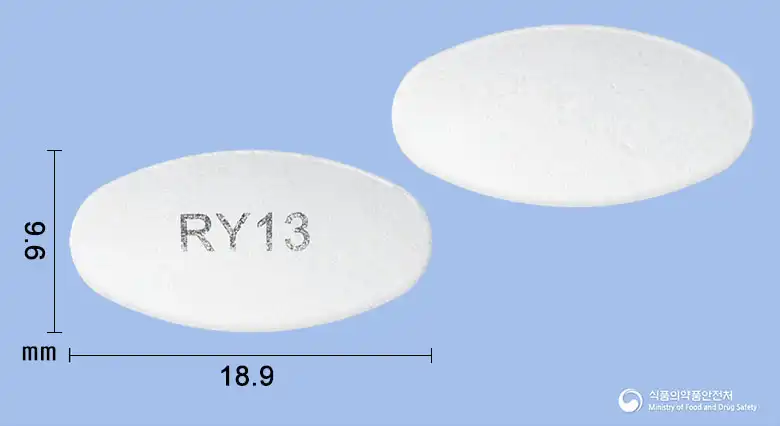
White oval film-coated tablets
30 tablets/bottle, 500 tablets/bottle
Even with the same ingredient, strength, dosage form and how it is taken can differ.
Viewing nowCalcium Polycarbophil 625mg
Tablet · Prescription medication
Ilyun Pharmaceutical Co., Ltd.
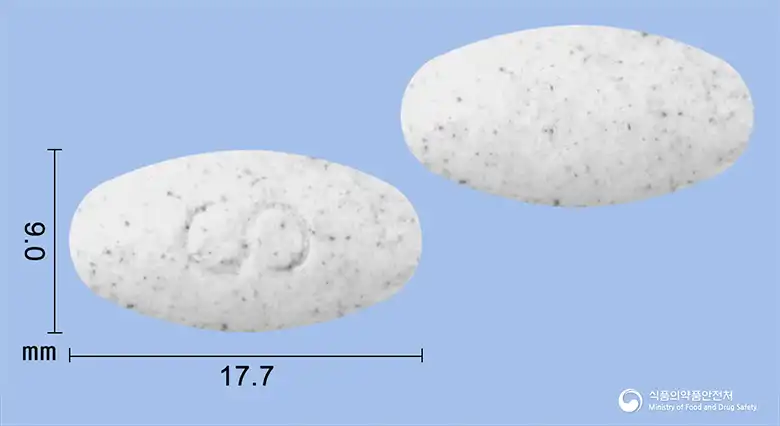
Calcium Polycarbophil 625mg
Tablet · Prescription medication
Myungmoon Pharmaceutical Co., Ltd.
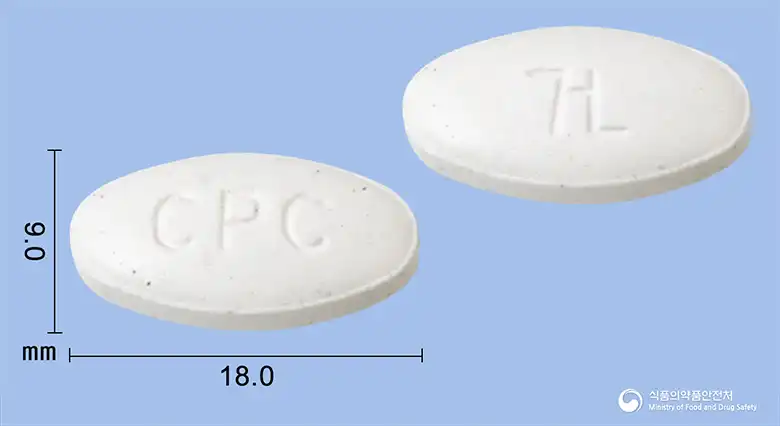
Calcium Polycarbophil 625mg
Tablet · Prescription medication
Geonil Pharmaceutical Co., Ltd.
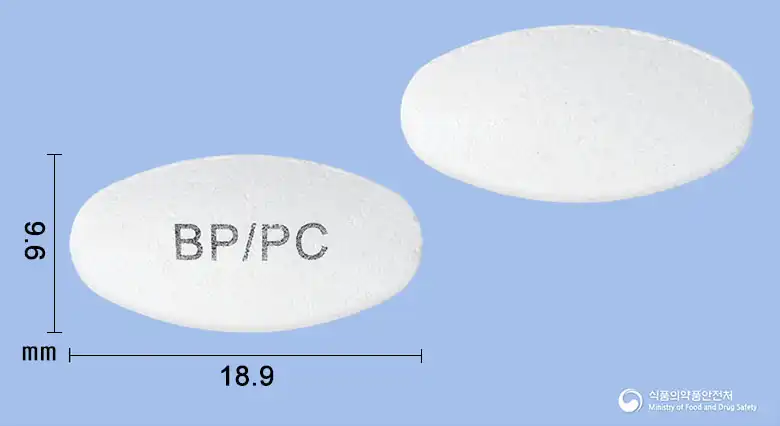
Calcium Polycarbophil 625mg
Tablet · Prescription medication
Genupharm Co., Ltd.
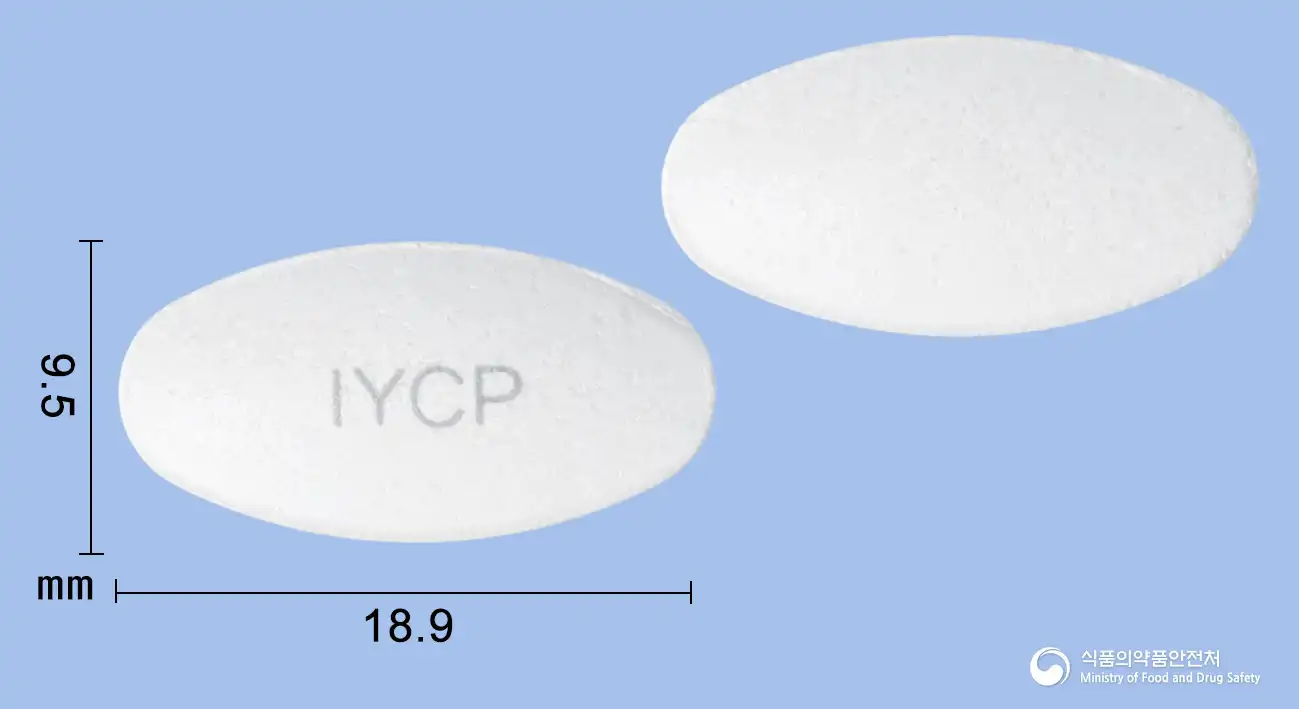
Calcium Polycarbophil 625mg
Tablet · Prescription medication
Il Yang Pharmaceutical Co., Ltd.
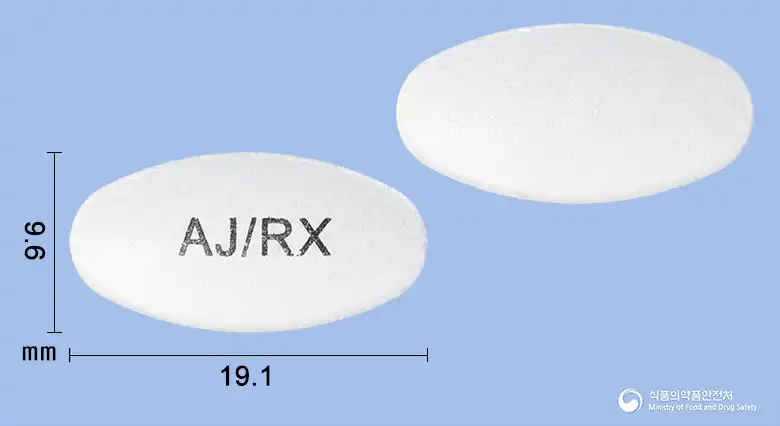
Calcium Polycarbophil 625mg
Tablet · Prescription medication
Ajou Pharmaceutical Co., Ltd.
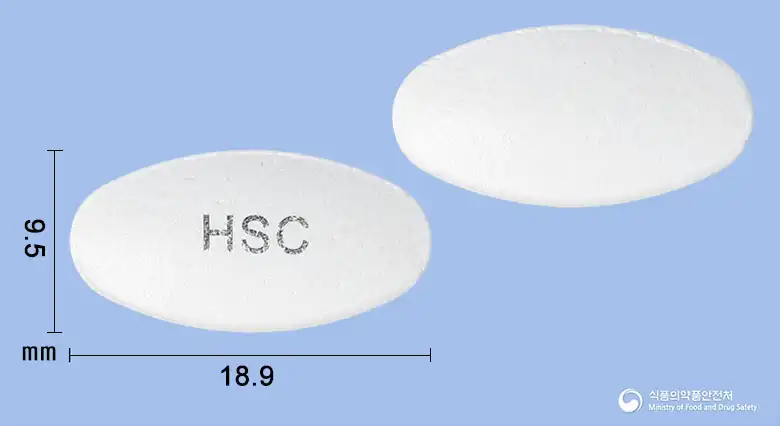
Calcium Polycarbophil 625mg
Tablet · Prescription medication
Heeon Pharmaceutical Co., Ltd.
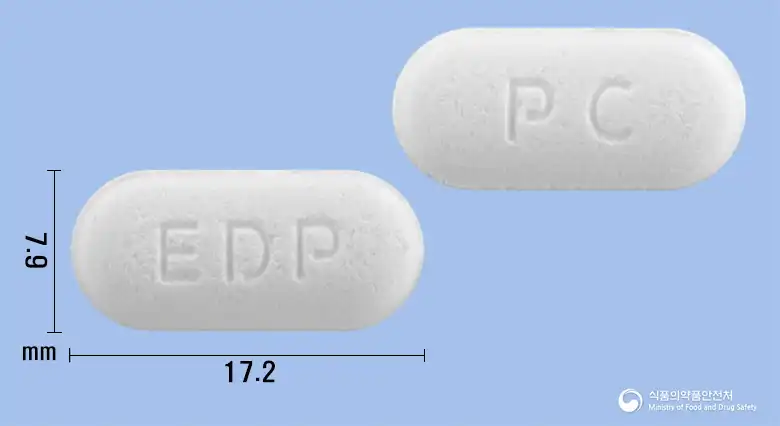
Calcium Polycarbophil 625mg
Tablet · Prescription medication
Eden Pharma Co., Ltd.
Even with the same ingredient, the dose and directions can differ by strength and dosage form. Talk to a doctor or pharmacist before switching from a medication you are already taking.
No questions yet.
For anything that needs medical judgment, consult a doctor or pharmacist.
This drug information is based on data provided by the Korea Ministry of Food and Drug Safety.
Consult a doctor or pharmacist for accurate dosage, administration, and usage instructions.