
 한국어
한국어 English
 日本語
日本語 中文(简体)
Dosage form image
Viewing nowCombinationTeramet Tablet 50/1000 mg
Sitagliptin Phosphate Hydrate 64.25mg · Metformin Hydrochloride 1000mg
Tablet · Prescription medication · Combination
Teragen Etex Co., Ltd.
MFDS item code 201505938 · Approved 2015.08.25
This product's status changed to Expired on 2025.08.25. It may no longer be sold, so consult a doctor or pharmacist before taking it.
Improvement of blood sugar control in type 2 diabetes
This medication is used to assist in blood sugar control for patients with type 2 diabetes. It primarily functions by combining Sitagliptin and Metformin to support meal and exercise therapies. It is particularly effective for patients whose blood sugar is not well controlled, aiding in the improvement of blood sugar levels. Continuous use and lifestyle changes can enhance treatment efficacy. This medication improves blood sugar control in patients with type 2 diabetes.
The dosage for each component is determined within the limits of the maximum recommended daily doses of Sitagliptin 100 mg and Metformin 2000 mg, considering each patient's treatment regimen, efficacy, and tolerability. Generally, it is taken twice daily with meals, and the dosage should be gradually increased to reduce gastrointestinal adverse reactions associated with Metformin. 1. Patients not previously treated with Metformin: The initial dose is 50/500 mg twice a day.
This medication is used for the treatment of diabetes. First, serious allergic reactions may occur during the course of this medication; if you experience symptoms such as rash, hives, difficulty breathing, or swelling of the face or lips, you must immediately stop taking the medication and consult a doctor. Additionally, there is a risk of pancreatitis, which is inflammation of the pancreas; if symptoms such as abdominal pain, nausea, or vomiting occur, promptly inform your healthcare provider. One of the ingredients in this medication can cause a rare complication known as severe lactic acidosis, which is a dangerous condition where lactic acid builds up excessively in the body. If sudden fatigue, muscle pain, difficulty breathing, or abdominal pain occurs, immediate medical treatment is required. Patients with poor kidney function or those with diseases affecting kidney function, such as severe infection, dehydration, or heart failure, should not take this medication. Furthermore, this medication should be temporarily discontinued prior to specific tests or surgeries, and it should be resumed as per the physician's instructions. Use is not recommended for pregnant or breastfeeding women, or for children under 18 years of age. This medication may cause hypoglycemia, so caution is advised if skipping meals or engaging in sudden intense physical activity. If taken alongside other blood sugar-lowering agents, dose adjustments may be necessary under medical guidance. Regular monitoring of blood sugar levels, kidney function, and vitamin B12 levels should be performed during treatment. Alcohol may increase the risk of side effects from this medication, so it is advisable to avoid drinking while on this medication. Finally, if sudden joint pain or skin blistering occurs during treatment, report it to a physician immediately.
Hives, angioedema, anaphylaxis, rash, cutaneous vasculitis, Stevens-Johnson syndrome, bullous pemphigoid, acute pancreatitis, acute renal failure, difficulty breathing, unstable angina, severe hypoglycemia, severe joint pain accompanied by disability, increased liver enzymes, rhabdomyolysis, acute renal failure, jaundice, lactic acidosis
Not everyone experiences these, and they can vary from person to person.
This medication should be stored in a tightly sealed container to keep out air, at room temperature between 1 and 30 degrees Celsius. This helps maintain the medication's effectiveness over time.
Dark red oval film-coated tablet
In-house packaging unit
Even with the same ingredient, strength, dosage form and how it is taken can differ.
Sitagliptin Phosphate Hydrate 64.25mg · Metformin Hydrochloride 1000mg
Tablet · Prescription medication · Combination
Teragen Etex Co., Ltd.
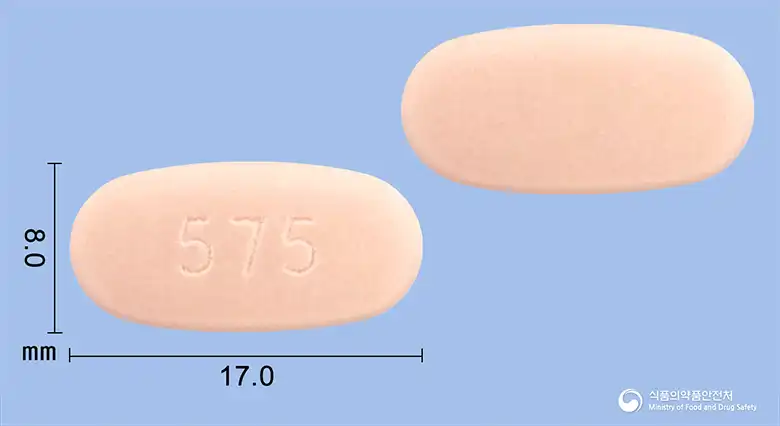 Combination
Sitagliptin Phosphate Hydrate 64.25mg · Metformin Hydrochloride 500mg
Tablet · Prescription medication · Combination
Jongkun Dang Co., Ltd.
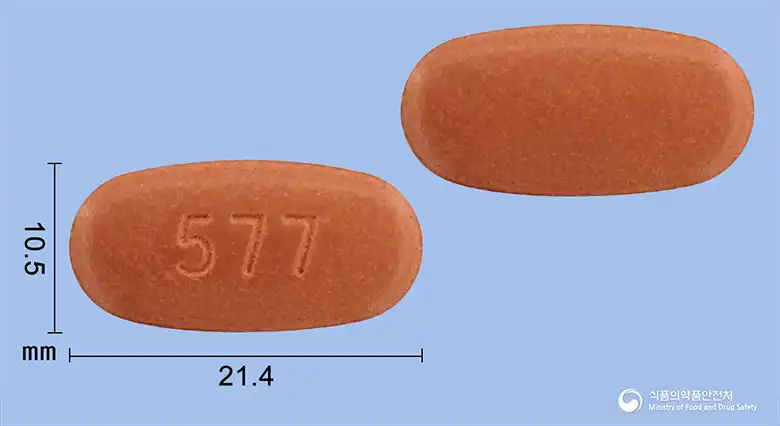 Combination
Sitagliptin Phosphate Hydrate 64.25mg · Metformin Hydrochloride 1000mg
Tablet · Prescription medication · Combination
Jongkundang Co., Ltd.
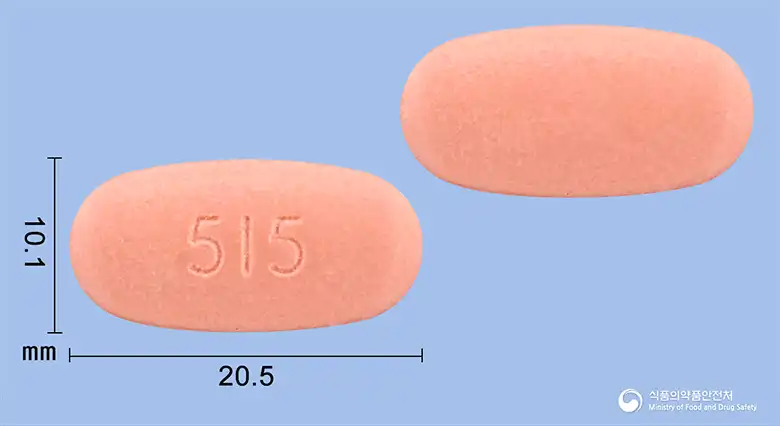 Combination
Sitagliptin Phosphate Hydrate 64.25mg · Metformin Hydrochloride 850mg
Tablet · Prescription medication · Combination
Jongkundang Co., Ltd.
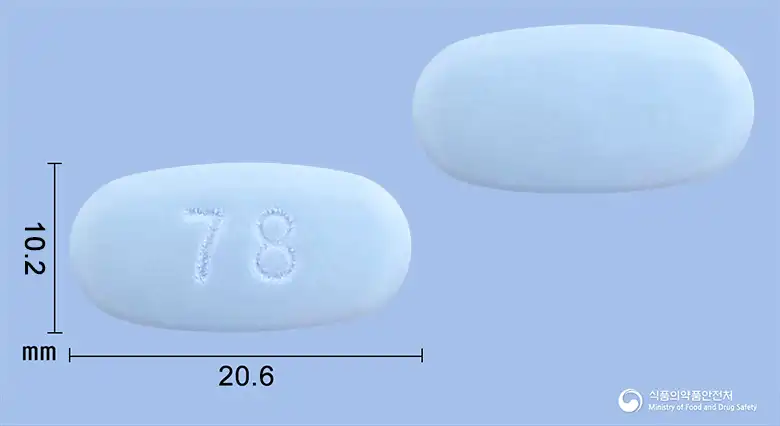 Combination
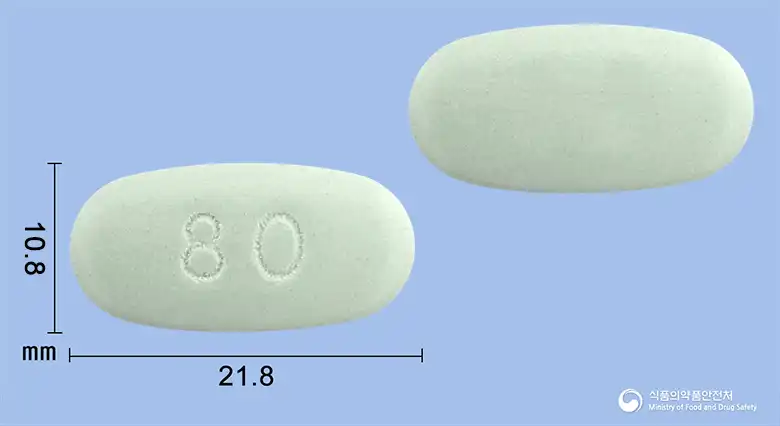
Metformin Hydrochloride 500mg · Sitagliptin Phosphate Hydrate 64.25mg
Tablet · Prescription medication · Combination
Jong Kun Dang Co., Ltd.
 Combination
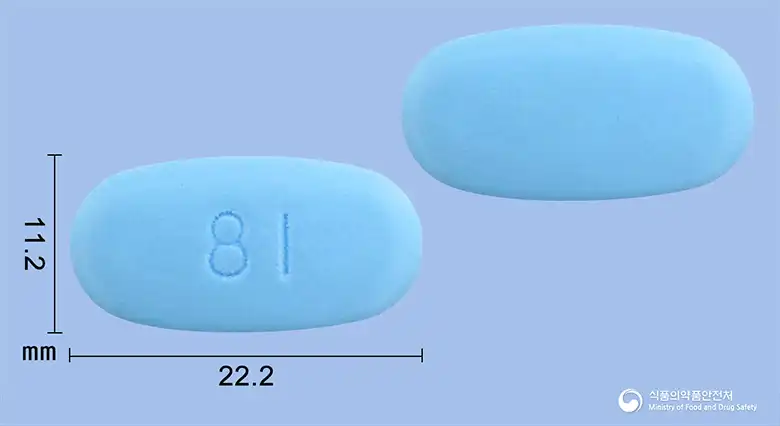
Metformin Hydrochloride 1000mg · Sitagliptin Phosphate Hydrate 64.25mg
Tablet · Prescription medication · Combination
JongKeunDang Co., Ltd.
 Combination
Metformin Hydrochloride 1000mg · Sitagliptin Phosphate Hydrate 128.5mg
Tablet · Prescription medication · Combination
Jongkundang Co., Ltd.
Sitagliptin Phosphate 62.04mg · Metformin Hydrochloride 500mg
Tablet · Prescription medication · Combination
Yuyu Pharmaceutical Co., Ltd.
Even with the same ingredient, the dose and directions can differ by strength and dosage form. Talk to a doctor or pharmacist before switching from a medication you are already taking.
No questions yet.
For anything that needs medical judgment, consult a doctor or pharmacist.
This drug information is based on data provided by the Korea Ministry of Food and Drug Safety.
Consult a doctor or pharmacist for accurate dosage, administration, and usage instructions.