
 한국어
한국어 English
 日本語
日本語 中文(简体)
Dosage form image
Viewing nowCombinationGlubiacombi Tablets 50/850 mg
Sitagliptin Phosphate Hydrate 64.25mg · Metformin Hydrochloride 850mg
Tablet · Prescription medication · Combination
Hanol Biopharma Co., Ltd.
MFDS item code 201505860 · Approved 2015.08.20
This product's status changed to Approval withdrawn on 2023.12.18. It may no longer be sold, so consult a doctor or pharmacist before taking it.
Improvement of blood glucose control in type 2 diabetes
This medication is used in conjunction with diet and exercise to help control blood sugar in patients with type 2 diabetes. It can be used in individuals who have not previously taken diabetes medications or when sufficient blood glucose control is not achievable with monotherapy. Additionally, it can be used as a substitute or in combination when blood glucose control is inadequate with monotherapies of metformin or sitagliptin. If there is insufficient efficacy with the combination of metformin and sulfonylurea, or metformin and thiazolidinedione therapies, this medication can also be added. When blood glucose control is challenging under combinations of insulin and metformin, this medication can be used alongside to improve blood sugar levels. This medication effectively improves blood glucose control in various scenarios.
This medication is generally taken orally in two doses daily with meals, with gradual increases in dosage to minimize gastrointestinal side effects associated with metformin. The initial dosage is determined according to the patient's current treatment regimen. 1. For patients not currently treated with metformin: Take this medication 50/500 mg twice a day, 1 tablet per dose; may increase to 50/1000 mg twice a day, 1 tablet per dose. 2. For patients currently treated with metformin: - The recommended initial dosage of this medication for those unable to achieve sufficient blood sugar control with metformin monotherapy is sitagliptin 50 mg twice daily (a total of 100 mg daily) alongside the previously prescribed dose of metformin. - Patients transitioning to this medication will start based on existing dosages of both sitagliptin and metformin. 3. For patients unable to achieve sufficient blood sugar control through combination therapies of metformin and sulfonylurea, metformin and insulin, or metformin and thiazolidinedione: The initial dosage for this medication is sitagliptin 50 mg twice daily (totaling 100 mg daily), and the initiation of metformin dose should take into account the patient's blood glucose levels and previous dosages. To minimize gastrointestinal side effects, gradual increments in dosage are advised. When administered together with sulfonylurea or insulin, a reduction of dosages of these agents may be considered to decrease the risk of hypoglycemia (refer to precautions regarding general advisories). The safety and efficacy of switching from other oral antidiabetic agents to this medication have not been studied. Any changes in type 2 diabetes treatment can lead to variations in blood glucose control; hence careful monitoring is necessary. Renal impairment: This medication may be used in patients with moderate renal impairment stage 3a (creatinine clearance [CrCl] ≥ 45 and < 60 mL/min or estimated glomerular filtration rate [eGFR] ≥ 45 and < 60 mL/min/1.73m²) when accompanied by no additional risk factors for lactic acidosis under certain dosage adjustments. The starting dosage of metformin should be 500 mg or 850 mg once daily; thus, treatment initiation should not occur with this medication. The maximum recommended dosage of metformin is 500 mg twice daily. Renal function must be monitored closely every 3-6 months. If CrCl < 45 mL/min or eGFR < 45 mL/min/1.73m², this medication must be discontinued immediately. Liver impairment: This medication should not be used in patients with liver dysfunction due to the metformin component (refer to precautions regarding who should not be administered this medication).
This medication contains two active components for the treatment of diabetes. The first component helps to control blood sugar but can rarely cause serious allergic reactions, so careful observation is necessary initially after administration. Moreover, this medication can induce pancreatitis, an inflammatory condition of the pancreas, so if symptoms like abdominal pain or vomiting occur during use, inform your physician immediately. The second component may pose risks for patients with renal impairment and should not be used in patients with severe renal dysfunction or in acute settings. This medication can cause serious side effects such as hypoglycemia and lactic acidosis, so special caution is required in situations like irregular meals, excessive exercise, or alcohol consumption. Additionally, it must be temporarily discontinued before certain tests or surgeries, and regular renal function assessments should be conducted. Women who are pregnant or breastfeeding, children under 18 years of age, and patients with specific heart or liver diseases should not take this medication. For the elderly, as the risk of renal function deterioration is higher, dose adjustments and regular kidney function tests are necessary. While using this medication, it may interact with other antidiabetic agents or specific medications; therefore, inform your physician or pharmacist about any medications being taken. Side effects may include diarrhea, headache, upper respiratory tract infections, and hypoglycemia; immediate consultation with healthcare professionals should occur if severe joint pain or skin rashes develop. In case of overdose, seek immediate medical attention for necessary treatment, as this medication may be partially removed by hemodialysis. Regular blood sugar checks and kidney function tests while using this medication are crucial to monitor health status continuously.
Hives, severe swelling (edema), chest tightness, difficulty breathing, cold sweat, paleness, anaphylaxis, angioedema, Stevens-Johnson syndrome, severe rash with fever, blisters, skin peeling, pain in oral/eye mucosa, shortness of breath or difficulty breathing, asthma attacks, cough and fever accompanying respiratory issues, yellowing of skin or eyes (jaundice), extreme lethargy, sudden and severe headaches, lightning-like pains
Not everyone experiences these, and they can vary from person to person.
This medication should be stored in a sealed container to prevent air exposure, ideally at temperatures between 1°C and 30°C. Storing it this way helps maintain the effectiveness of the medication.
Pink oval film-coated tablets
56 tablets (14 tablets/PTP*4)
Even with the same ingredient, strength, dosage form and how it is taken can differ.
Sitagliptin Phosphate Hydrate 64.25mg · Metformin Hydrochloride 850mg
Tablet · Prescription medication · Combination
Hanol Biopharma Co., Ltd.
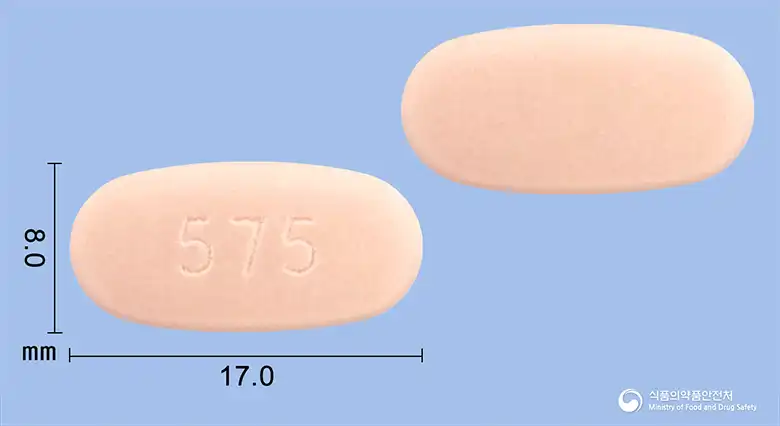 Combination
Sitagliptin Phosphate Hydrate 64.25mg · Metformin Hydrochloride 500mg
Tablet · Prescription medication · Combination
Jongkun Dang Co., Ltd.
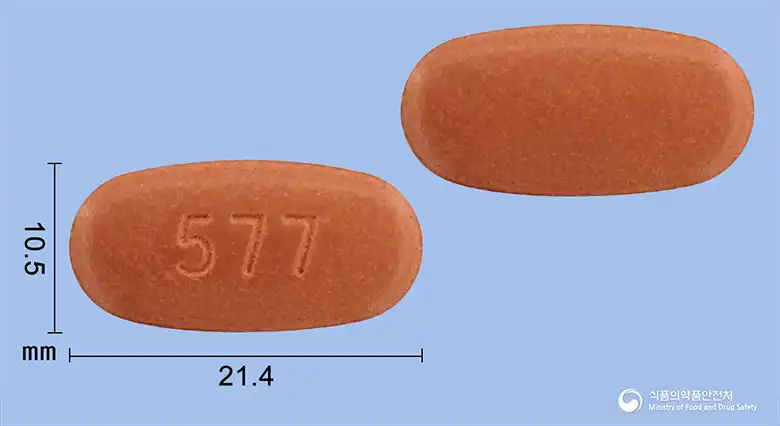 Combination
Sitagliptin Phosphate Hydrate 64.25mg · Metformin Hydrochloride 1000mg
Tablet · Prescription medication · Combination
Jongkundang Co., Ltd.
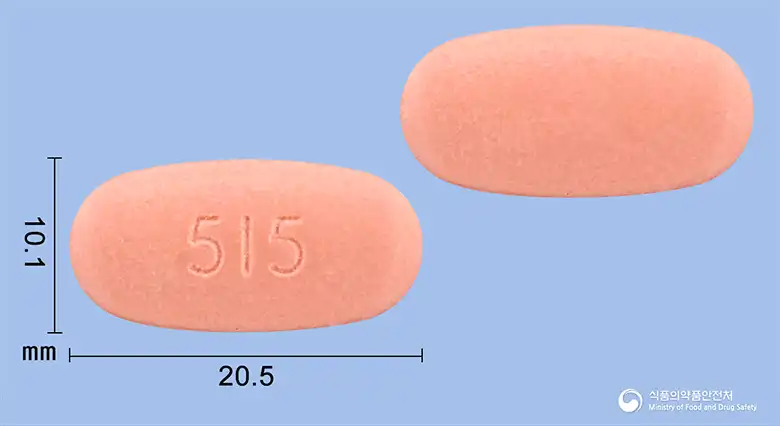 Combination
Sitagliptin Phosphate Hydrate 64.25mg · Metformin Hydrochloride 850mg
Tablet · Prescription medication · Combination
Jongkundang Co., Ltd.
 Combination
Metformin Hydrochloride 500mg · Sitagliptin Phosphate Hydrate 64.25mg
Tablet · Prescription medication · Combination
Jong Kun Dang Co., Ltd.
 Combination
Metformin Hydrochloride 1000mg · Sitagliptin Phosphate Hydrate 64.25mg
Tablet · Prescription medication · Combination
JongKeunDang Co., Ltd.
 Combination
Metformin Hydrochloride 1000mg · Sitagliptin Phosphate Hydrate 128.5mg
Tablet · Prescription medication · Combination
Jongkundang Co., Ltd.
Sitagliptin Phosphate 62.04mg · Metformin Hydrochloride 500mg
Tablet · Prescription medication · Combination
Yuyu Pharmaceutical Co., Ltd.
Even with the same ingredient, the dose and directions can differ by strength and dosage form. Talk to a doctor or pharmacist before switching from a medication you are already taking.
No questions yet.
For anything that needs medical judgment, consult a doctor or pharmacist.
This drug information is based on data provided by the Korea Ministry of Food and Drug Safety.
Consult a doctor or pharmacist for accurate dosage, administration, and usage instructions.