
 한국어
한국어 English
 日本語
日本語 中文(简体)
Dosage form image
Viewing nowCombinationLinumaet Tablet 50/500 mg
Sitagliptin Phosphate Hydrate 64.25mg · Metformin Hydrochloride 500mg
Tablet · Prescription medication · Combination
(Co., Ltd) Medica Korea
MFDS item code 201505828 · Approved 2015.08.20
This product's status changed to Expired on 2025.08.20. It may no longer be sold, so consult a doctor or pharmacist before taking it.
Improvement in blood sugar control in type 2 diabetes
This medication helps control blood sugar in patients with type 2 diabetes by using sitagliptin and metformin together. When used alongside dietary management and exercise, it can effectively manage blood sugar levels. Thus, it helps improve blood sugar levels and manage diabetes symptoms.
This medication is typically taken twice a day with food, and the dose is gradually increased to reduce gastrointestinal side effects caused by metformin. 1. Patients not undergoing treatment with metformin: Take this medication 50/500 mg, 1 tablet twice daily, and it can be increased to 50/1000 mg, 1 tablet twice daily. 2. Patients undergoing treatment with metformin: Total daily dosage of
This medication is composed of sitagliptin and metformin and is primarily used for treating type 2 diabetes. When taking this medication, severe allergic reactions may occur, such as anaphylaxis or skin rashes; if such symptoms appear, discontinue use immediately and consult a physician. Pancreatitis may develop, so if symptoms such as abdominal pain, vomiting, or loss of appetite occur, notify a healthcare professional promptly. The metformin component may rarely cause a serious metabolic condition called lactic acidosis; if symptoms such as difficulty breathing, muscle pain, or fatigue occur, discontinue use immediately and seek medical attention. Patients with impaired kidney function or severe infections and dehydration may be at risk when taking this medication; if such conditions exist, it should not be used. In particular, if a patient is scheduled for tests using iodine contrast agents, they must stop taking this medication before and after the tests and only resume after confirming normal kidney function. It is advisable for women who are pregnant or may become pregnant, and for nursing mothers, to avoid using this medication. During use, hypoglycemia may occur, so it is vital to avoid skipping meals or excessive exercise, and to pay attention to the symptoms of low blood sugar. This medication can impact liver and kidney function, so regular blood tests and kidney function tests should be conducted. Alcohol may increase the risk of side effects of this medication, so it is preferable to avoid drinking while using it. Patients scheduled for surgery should discontinue this medication 48 hours before the procedure and only resume after confirming normal kidney function post-surgery. During treatment with this medication, dietary management and regular exercise, as well as routine blood sugar and kidney function monitoring, are essential, and administration should be according to the physician's directions.
Hives, severe swelling (angioedema), chest tightness, difficulty breathing, cold sweat, pallor, severe allergic reactions (including anaphylaxis, angioedema, Stevens-Johnson syndrome), severe rash with fever, blisters, skin peeling, pain in oral/ocular mucosa, severe skin adverse reactions, difficulty breathing, asthma attacks, respiratory distress accompanied by cough and fever, yellowing of the skin or eyes (jaundice), systemic lethargy, liver issues
Not everyone experiences these, and they can vary from person to person.
Store this medication in a sealed container to prevent air exposure and keep it at room temperature between 1 to 30 degrees Celsius. This way, the effectiveness of the medication can be maintained for a long time.
Pink oval film-coated tablet
28 tablets (14 tablets/PTPX2), 56 tablets (14 tablets/PTPX4)
Even with the same ingredient, strength, dosage form and how it is taken can differ.
Sitagliptin Phosphate Hydrate 64.25mg · Metformin Hydrochloride 500mg
Tablet · Prescription medication · Combination
(Co., Ltd) Medica Korea
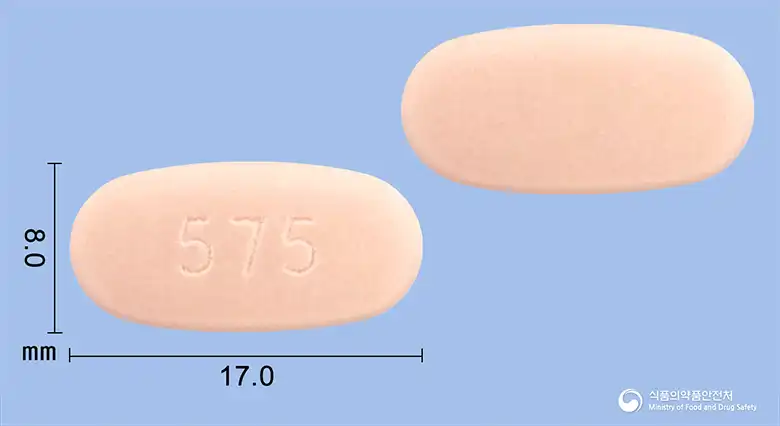 Combination
Sitagliptin Phosphate Hydrate 64.25mg · Metformin Hydrochloride 500mg
Tablet · Prescription medication · Combination
Jongkun Dang Co., Ltd.
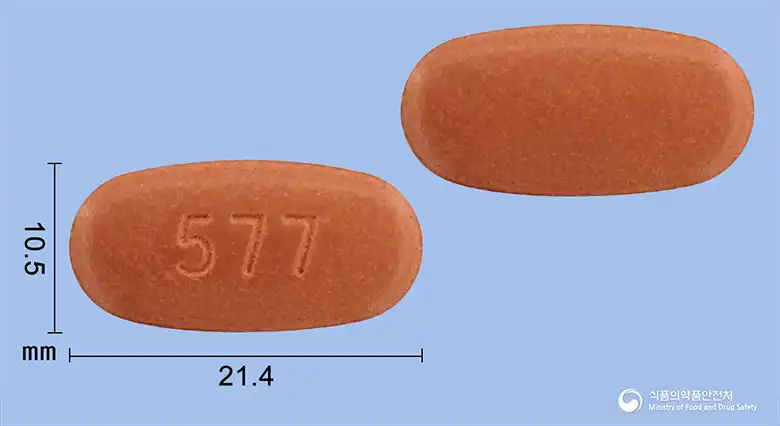 Combination
Sitagliptin Phosphate Hydrate 64.25mg · Metformin Hydrochloride 1000mg
Tablet · Prescription medication · Combination
Jongkundang Co., Ltd.
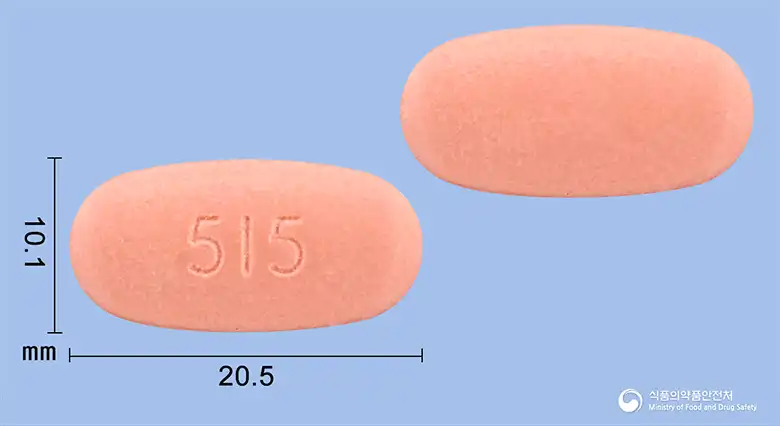 Combination
Sitagliptin Phosphate Hydrate 64.25mg · Metformin Hydrochloride 850mg
Tablet · Prescription medication · Combination
Jongkundang Co., Ltd.
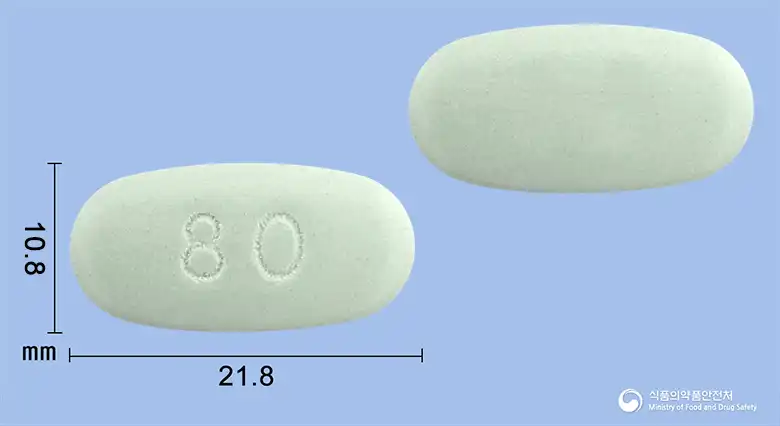
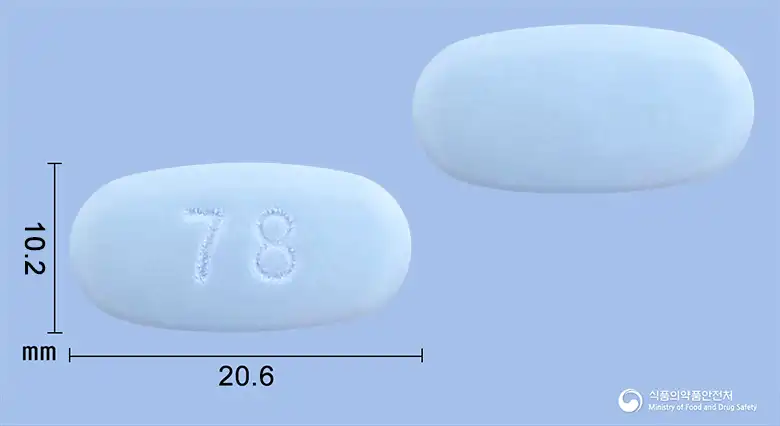 Combination
Metformin Hydrochloride 500mg · Sitagliptin Phosphate Hydrate 64.25mg
Tablet · Prescription medication · Combination
Jong Kun Dang Co., Ltd.
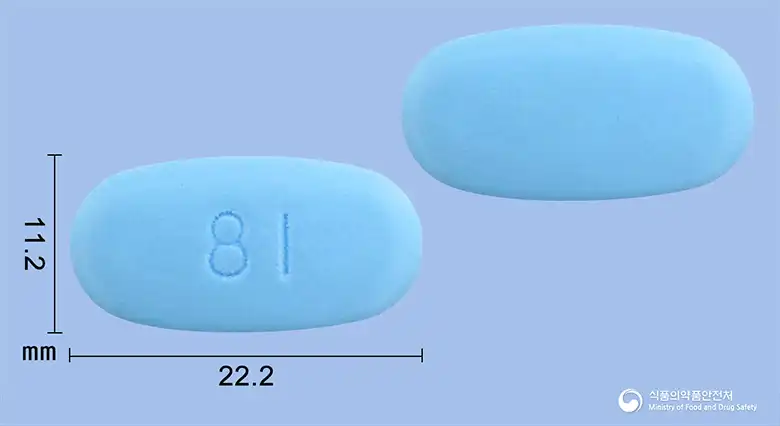
 Combination
Metformin Hydrochloride 1000mg · Sitagliptin Phosphate Hydrate 64.25mg
Tablet · Prescription medication · Combination
JongKeunDang Co., Ltd.
 Combination
Metformin Hydrochloride 1000mg · Sitagliptin Phosphate Hydrate 128.5mg
Tablet · Prescription medication · Combination
Jongkundang Co., Ltd.
Sitagliptin Phosphate 62.04mg · Metformin Hydrochloride 500mg
Tablet · Prescription medication · Combination
Yuyu Pharmaceutical Co., Ltd.
Even with the same ingredient, the dose and directions can differ by strength and dosage form. Talk to a doctor or pharmacist before switching from a medication you are already taking.
No questions yet.
For anything that needs medical judgment, consult a doctor or pharmacist.
This drug information is based on data provided by the Korea Ministry of Food and Drug Safety.
Consult a doctor or pharmacist for accurate dosage, administration, and usage instructions.