
 한국어
한국어 English
 日本語
日本語 中文(简体)
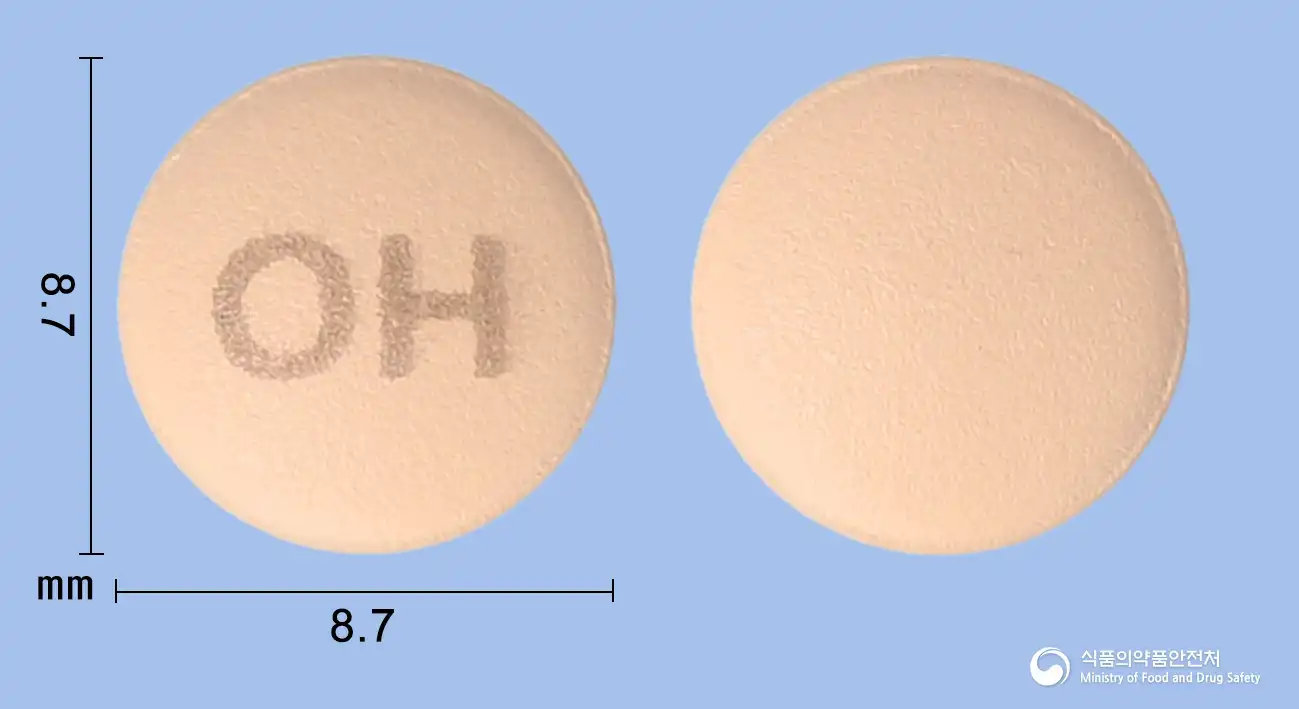 Viewing nowCombination
Selmetec Plus Tablets 20/12.5 mg
Olmesartan Medoxomil 20mg · Hydrochlorothiazide 12.5mg
Tablet · Prescription medication · Combination
Seltrion Pharmaceutical Co., Ltd.
MFDS item code 201505105 · Approved 2015.07.27 · Insurance code 693901760
Treatment for the regulation of primary hypertension
Olmesartan medoxomil and hydrochlorothiazide are used for the treatment of primary hypertension, especially effective in patients whose blood pressure is not adequately controlled with monotherapy. The combination of these two drugs facilitates better blood pressure control, reducing the risk of cardiovascular complications. This medication aids in stabilizing blood pressure, thus used for the treatment of primary hypertension.
This medication is administered once daily, with one tablet regardless of meals, after adjusting the dose of olmesartan medoxomil or hydrochlorothiazide alone when blood pressure control is inadequate. The dosage should be adjusted at intervals of 2 to 4 weeks based on the patient's blood pressure response. For elderly patients, start at the lowest dose and adjust dosage with caution considering kidney function, heart function, comorbidities, and concomitant medications.
Safety and efficacy in pediatric patients have not been established.
This medication can cause serious harm to the fetus and newborn if taken during the second and third trimesters of pregnancy; therefore, it should be discontinued immediately upon confirmation of pregnancy. Patients with allergies to the ingredients of this medication or those who have had hypersensitivity reactions to certain diuretics and sulfonamide medications should not take this medication. Patients with severely impaired kidney function, severe liver disease, or biliary obstruction should not take this medication for safety. Patients with electrolyte imbalances in the blood or symptoms of hypotension should be closely monitored before administering this medication and take appropriate actions if necessary. As this medication has blood pressure-lowering effects, symptoms like dizziness and orthostatic hypotension may occur, hence caution is advised when driving or operating hazardous machinery. It is important to regularly check for any abnormalities in blood pressure, kidney function, and electrolyte levels while taking this medication. Additionally, this medication may interact with other medications, so if you are taking other medications, it is essential to inform your healthcare provider. Breastfeeding women should be cautious as this medication may pass into breast milk and affect the baby, and it is recommended to either stop breastfeeding or discontinue this medication. Safety and efficacy in pediatric patients have not been established, so it should be administered to children with caution. Elderly patients may have decreased liver, kidney, and heart function, so it is advised to start at the lowest dose and manage carefully. In case of overdose, symptoms such as hypotension, electrolyte disturbances, and dehydration may occur, so immediate medical attention is required. If any unusual lesions appear on the skin or symptoms such as eye pain and vision impairment occur while taking this medication, consult a doctor immediately. Also, it is advisable to avoid excessive exposure to sunlight and undergo regular skin examinations to reduce the risk of skin cancer.
Urticaria, severe swelling (edema), angioedema, chest tightness, difficulty breathing, anaphylactic reactions, severe rashes with fever, blisters, skin peeling, mucosal pain in the mouth/eyes, intrahepatic cholestatic jaundice, jaundice, acute renal failure, acute respiratory distress syndrome (ARDS), severe hypotension, acute angle-closure glaucoma, choroidal effusion, severe edema, hypokalemia, hyponatremia, systemic edema accompanied by increased blood pressure, serious.
Not everyone experiences these, and they can vary from person to person.
This medication should be stored in a tightly closed container to protect it from air and moisture. Additionally, avoid places that are too hot or too cold, and it is recommended to store it at room temperature between 1 to 25 degrees Celsius.
Pale orange round film-coated tablet
30 tablets/bottle, 300 tablets/bottle
Even with the same ingredient, strength, dosage form and how it is taken can differ.
Viewing nowCombinationOlmesartan Medoxomil 20mg · Hydrochlorothiazide 12.5mg
Tablet · Prescription medication · Combination
Seltrion Pharmaceutical Co., Ltd.
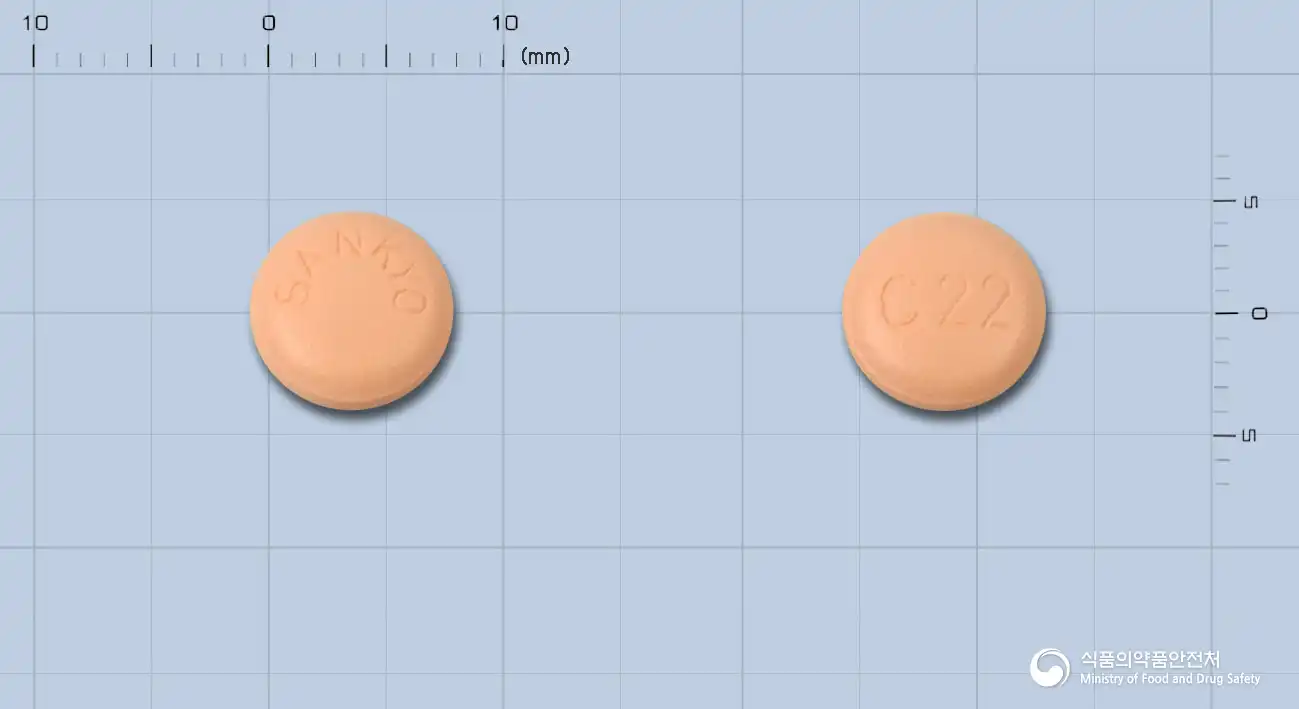 Combination
Olmesartan Medoxomil 20mg · Hydrochlorothiazide 12.5mg
Tablet · Prescription medication · Combination
Daewoong Pharmaceutical Co., Ltd.
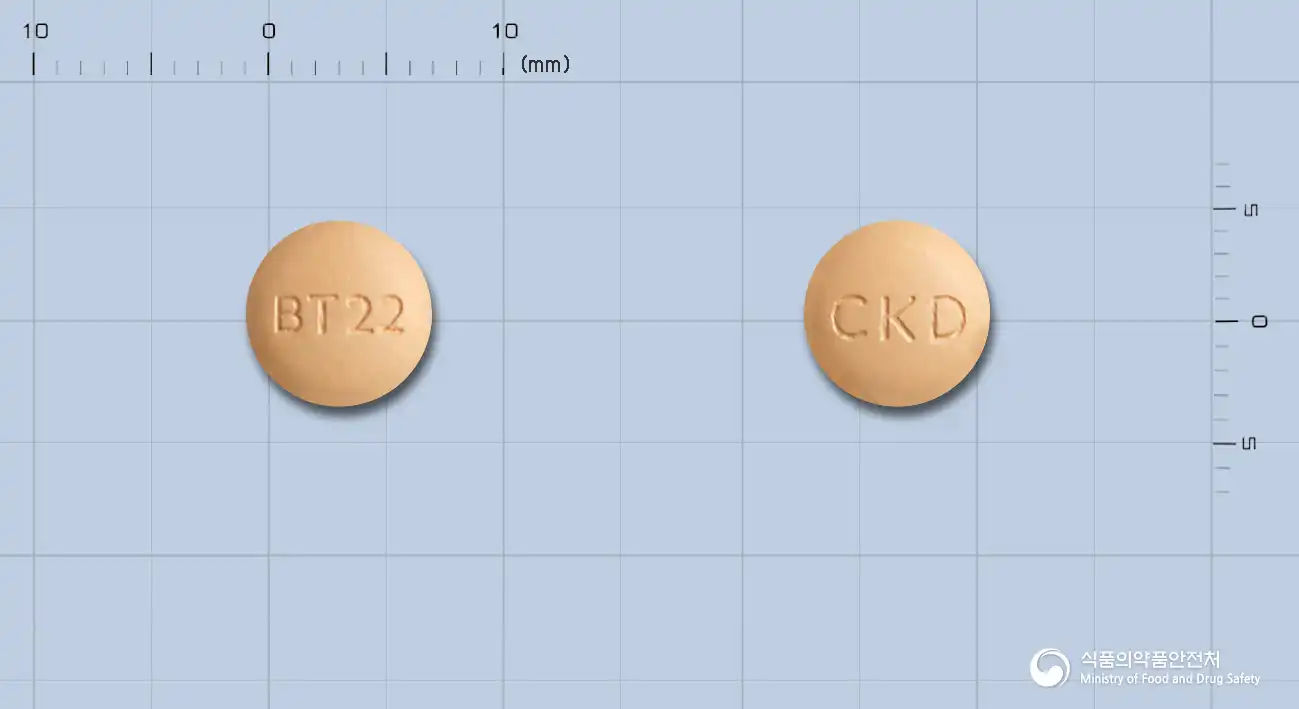 Combination
Olmesartan Medoxomil 20mg · Hydrochlorothiazide 12.5mg
Tablet · Prescription medication · Combination
Jongkundang Co., Ltd.
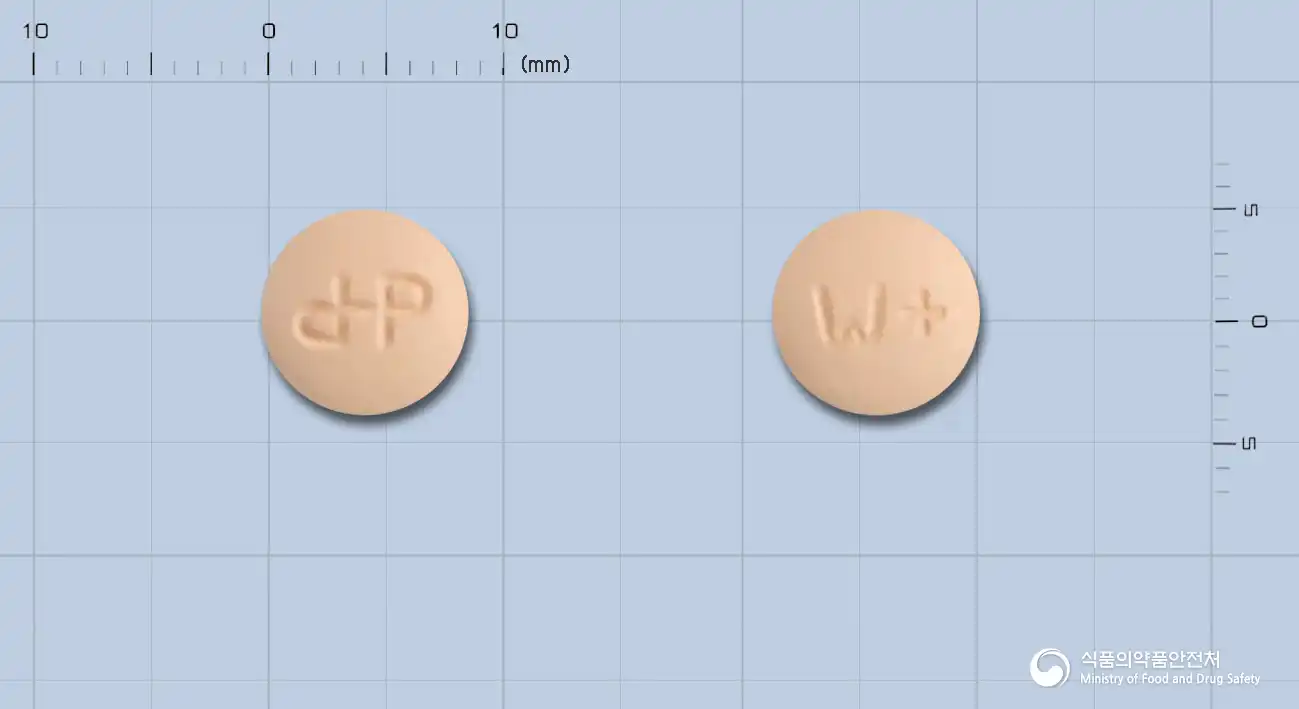 Combination
Olmesartan Medoxomil 20mg · Hydrochlorothiazide 12.5mg
Tablet · Prescription medication · Combination
Dae Hwa Pharmaceutical Co., Ltd.
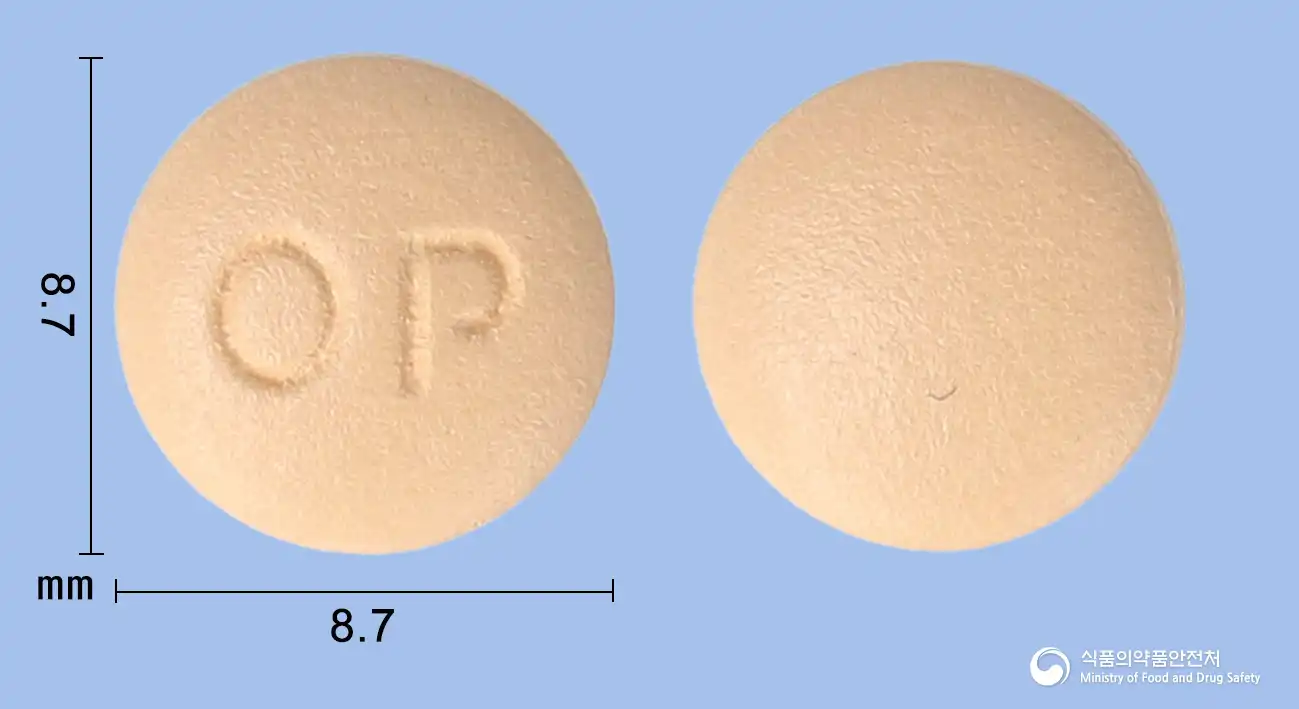 Combination
Olmesartan Medoxomil 20mg · Hydrochlorothiazide 12.5mg
Tablet · Prescription medication · Combination
FarmGen Science Co., Ltd.
Olmesartan Medoxomil 20mg · Hydrochlorothiazide 12.5mg
Prescription medication · Combination
Biboxon Pharmaceutical Co., Ltd.
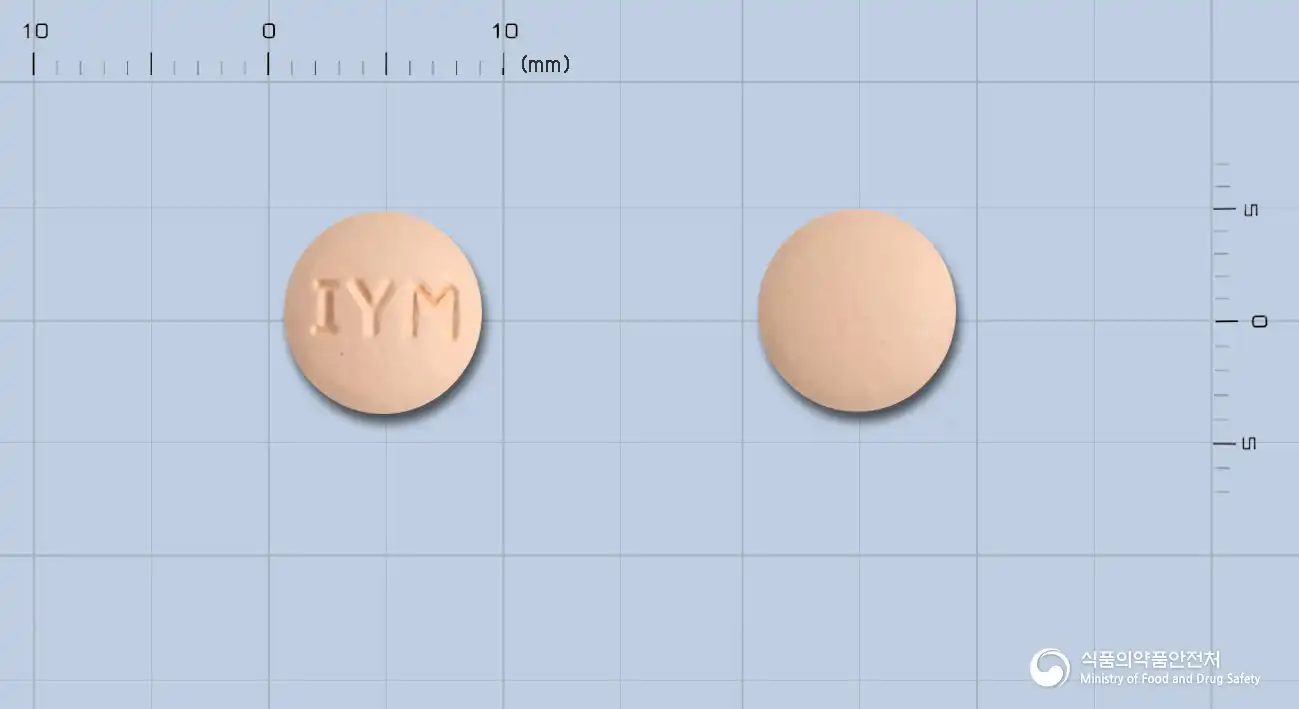 Combination
Olmesartan Medoxomil 20mg · Hydrochlorothiazide 12.5mg
Tablet · Prescription medication · Combination
Il Yang Pharmaceutical Co., Ltd.
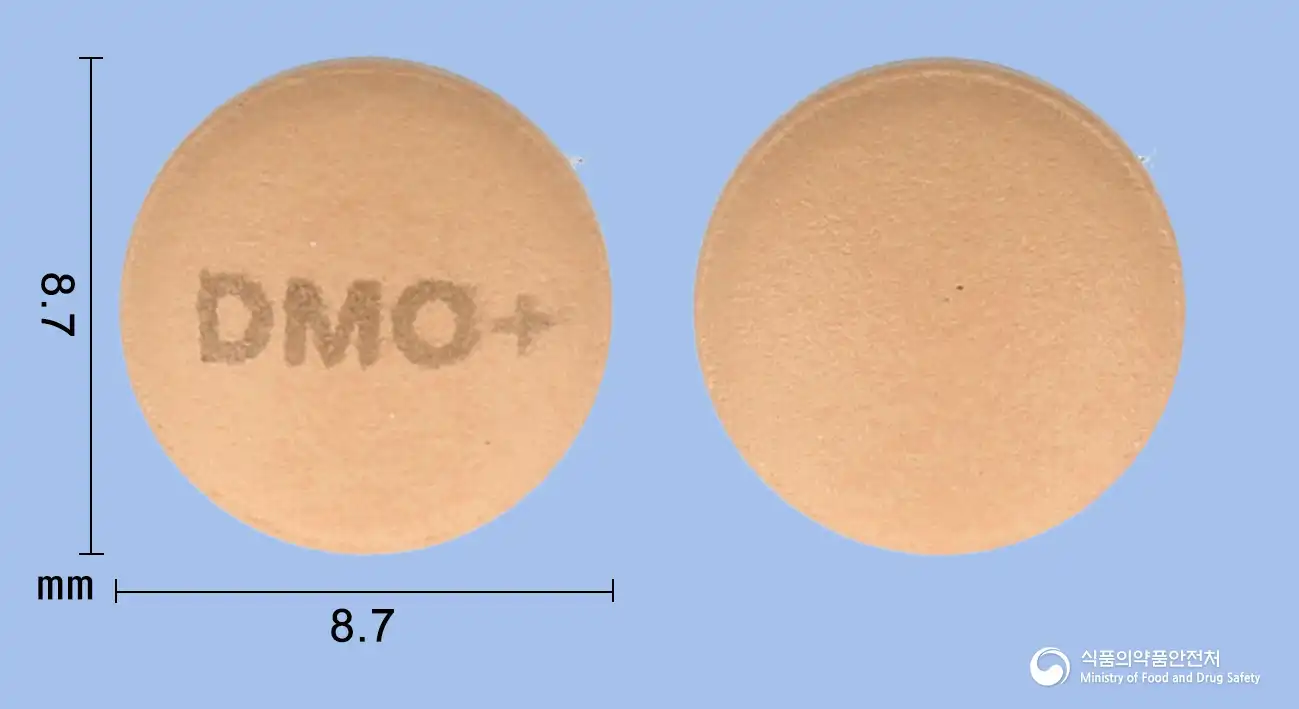 Combination
Olmesartan Medoxomil 20mg · Hydrochlorothiazide 12.5mg
Tablet · Prescription medication · Combination
Dasan Pharmaceutical Co., Ltd.
Even with the same ingredient, the dose and directions can differ by strength and dosage form. Talk to a doctor or pharmacist before switching from a medication you are already taking.
No questions yet.
For anything that needs medical judgment, consult a doctor or pharmacist.
This drug information is based on data provided by the Korea Ministry of Food and Drug Safety.
Consult a doctor or pharmacist for accurate dosage, administration, and usage instructions.