
 한국어
한국어 English
 日本語
日本語 中文(简体)
 Viewing nowCombination
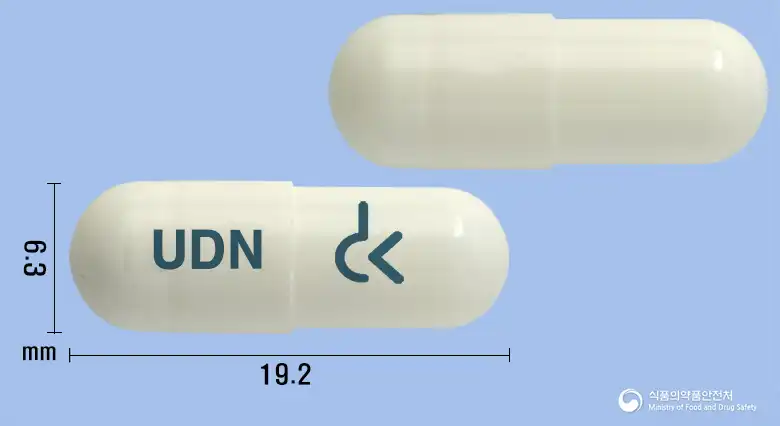
Udina Capsule
Biphenyl Dimethyl Dicarboxylate 12.5mg · Ursodeoxycholic Acid 50mg
Hard capsule · Prescription medication · Combination
Dongkuk Pharmaceutical Co., Ltd.
MFDS item code 201505091 · Approved 2015.07.27 · Insurance code 653403300
Inhibition of elevated SGPT in chronic persistent hepatitis
Chronic persistent hepatitis is a condition characterized by a continuous elevation of SGPT levels, an indicator of liver function, indicating ongoing inflammation and damage to the liver. This medication helps prevent liver cell damage and reduces inflammation, thereby improving liver function. It is used to restore liver health and maintain normal liver function in patients with chronic persistent hepatitis.
Typically, 1 capsule per adult, orally three times a day after meals.
This medication should not be used in patients with complete biliary obstruction. Additionally, this medication contains lactose, so it should not be administered to patients with genetic conditions such as galactose intolerance, Lapp lactase deficiency, or glucose-galactose malabsorption. Careful administration is required for patients with chronic active hepatitis, cirrhosis, hypokalemia, severe pancreatic disease, peptic ulcer disease, and cholelithiasis. Gastrointestinal symptoms such as diarrhea, nausea, and vomiting may occur sometimes during treatment with this medication, and rarely, abdominal pain, constipation, heartburn, and discomfort in the upper abdomen may also be experienced. Allergic reactions such as itching and rashes may occur, and occasionally skin rashes can develop, but these symptoms usually improve with the concomitant use of antihistamines. Transient jaundice may occur; in such cases, discontinuation of the medication or the use of jaundice treatments can resolve the symptoms. Rarely, generalized malaise or dizziness may also occur. Serious side effects have been reported in some studies on patients with chronic persistent hepatitis in this country, so caution is necessary during use. The specified dosage and administration must be strictly followed, and if symptoms do not improve after a maximum of 8 weeks of use, or if abnormal symptoms appear, the medication should be stopped immediately and a doctor or pharmacist should be consulted. Keep out of the reach of children to prevent safety accidents. It is advisable for women who are pregnant or may become pregnant to avoid this medication, as harmful effects on the fetus have been reported in animal studies. Additionally, caution is recommended when this medication is used with oral hypoglycemic agents, as it may enhance the effects of the diabetes medication.
Not everyone experiences these, and they can vary from person to person.
This medication should be stored in a tightly sealed container that is well-ventilated, ideally at a temperature between 1 and 30 degrees Celsius. This helps maintain the efficacy of the drug and prevents deterioration.
A hard capsule consisting of white powder, with a white upper and lower part.
30 capsules/bottle, 300 capsules/bottle
Even with the same ingredient, strength, dosage form and how it is taken can differ.
Viewing nowCombinationBiphenyl Dimethyl Dicarboxylate 12.5mg · Ursodeoxycholic Acid 50mg
Hard capsule · Prescription medication · Combination
Dongkuk Pharmaceutical Co., Ltd.
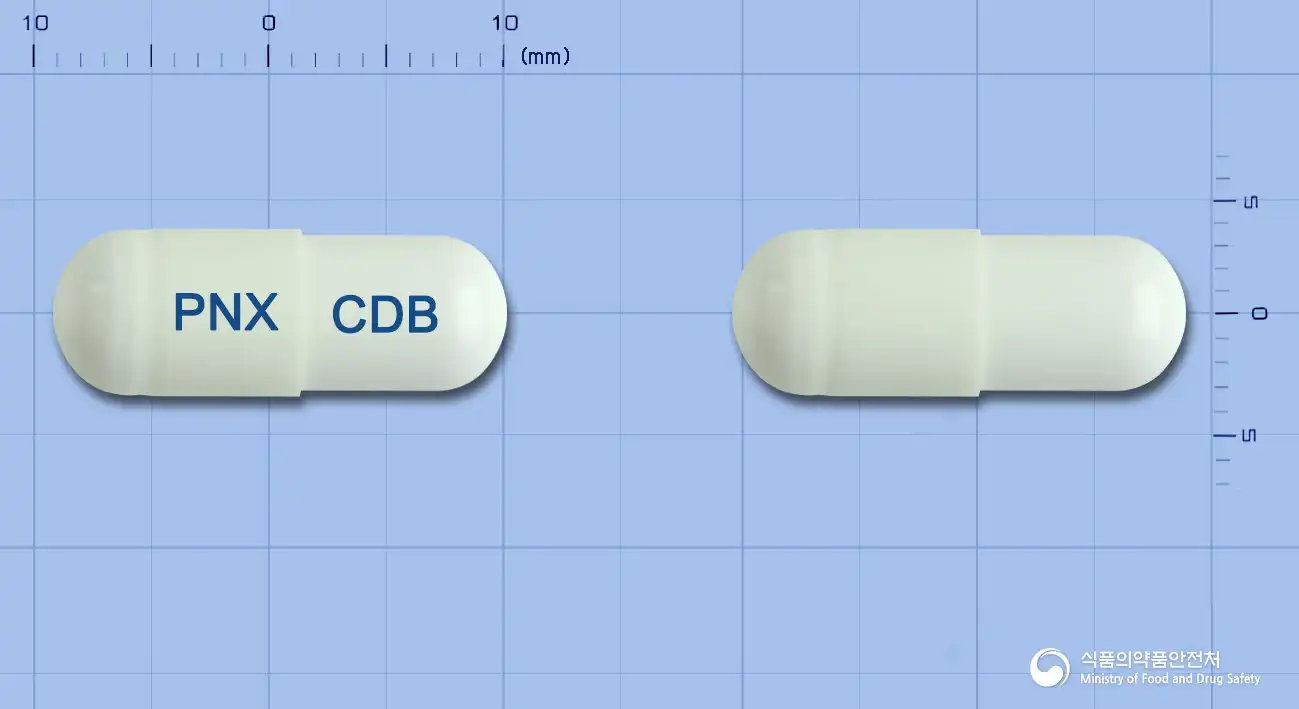 Combination
Biphenyl Dimethyl Dicarboxylate 12.5mg · Ursodeoxycholic Acid 50mg
Hard capsule · Prescription medication · Combination
Korea PMG Pharmaceutical Co., Ltd.
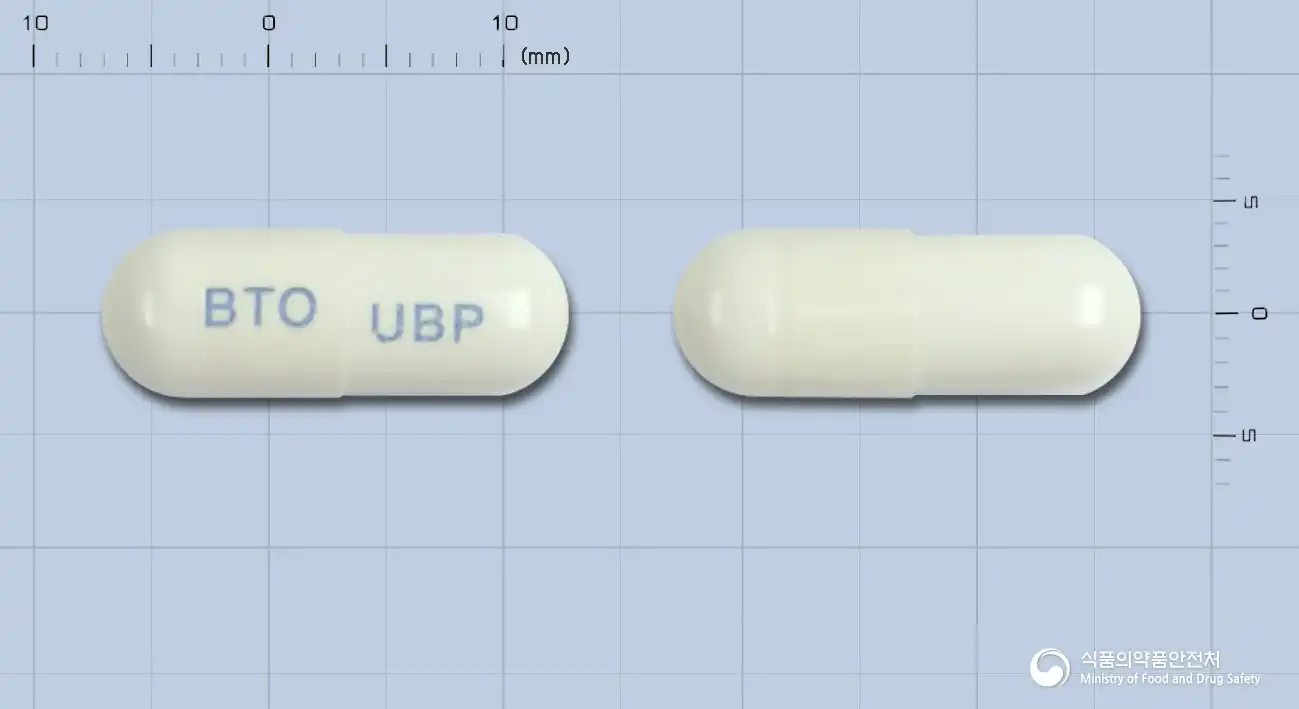 Combination
Biphenyl Dimethyl Dicarboxylate 12.5mg · Ursodeoxycholic Acid 50mg
Hard capsule · Prescription medication · Combination
Huons Life Science Co., Ltd.
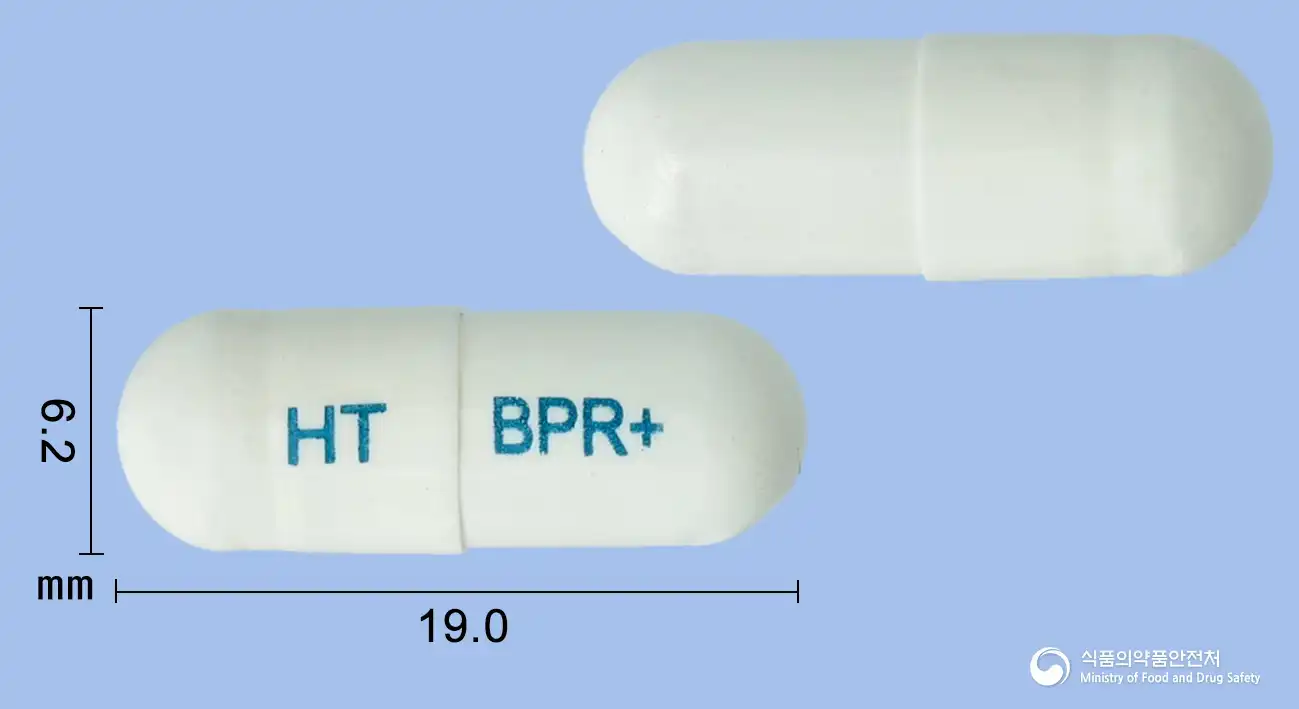 Combination
Biphenyl Dimethyl Dicarboxylate 12.5mg · Ursodeoxycholic Acid 50mg
Hard capsule · Prescription medication · Combination
Korea Hutech Pharmaceutical Co., Ltd.
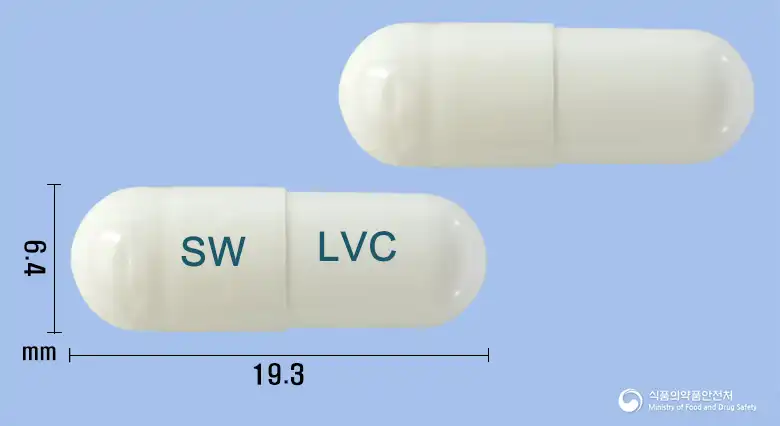 Combination
Biphenyl Dimethyl Dicarboxylate 12.5mg · Ursodeoxycholic Acid 50mg
Hard capsule · Prescription medication · Combination
Seongwon Adcock Pharmaceutical Co., Ltd.
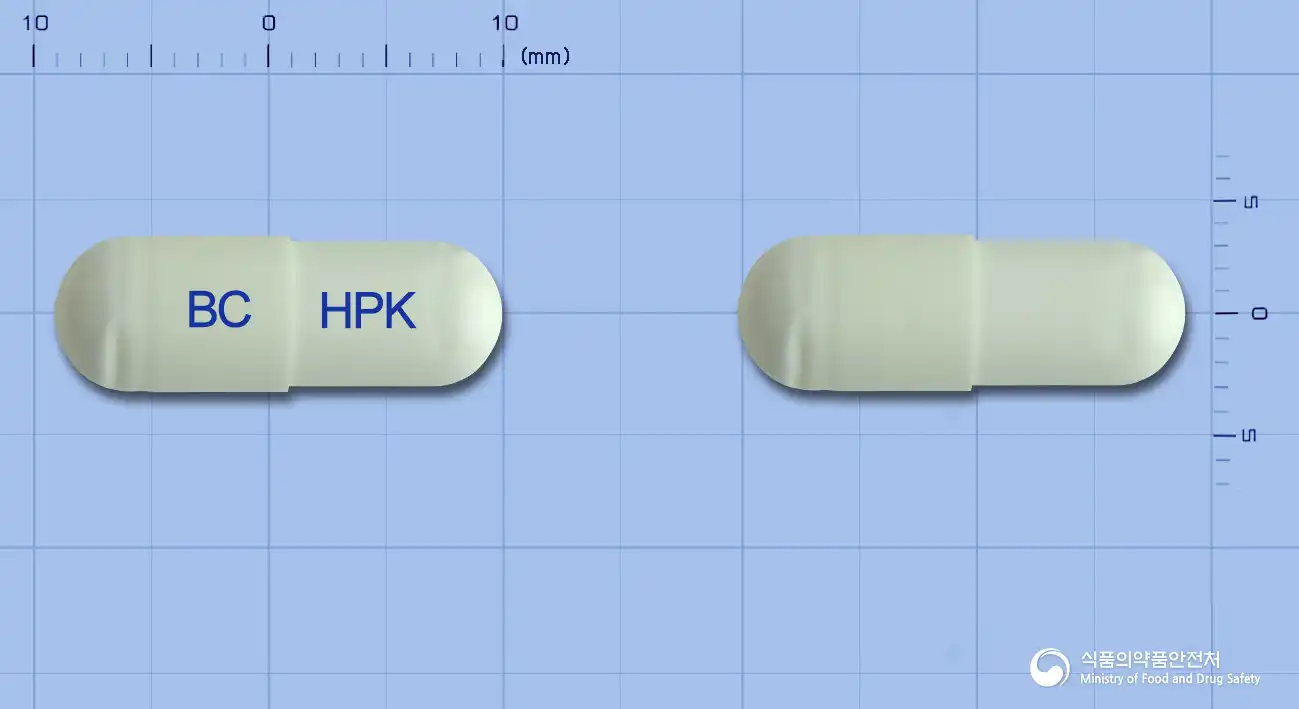 Combination
Biphenyl Dimethyl Dicarboxylate 12.5mg · Ursodeoxycholic Acid 50mg
Hard capsule · Prescription medication · Combination
BC World Pharmaceutical Co., Ltd.
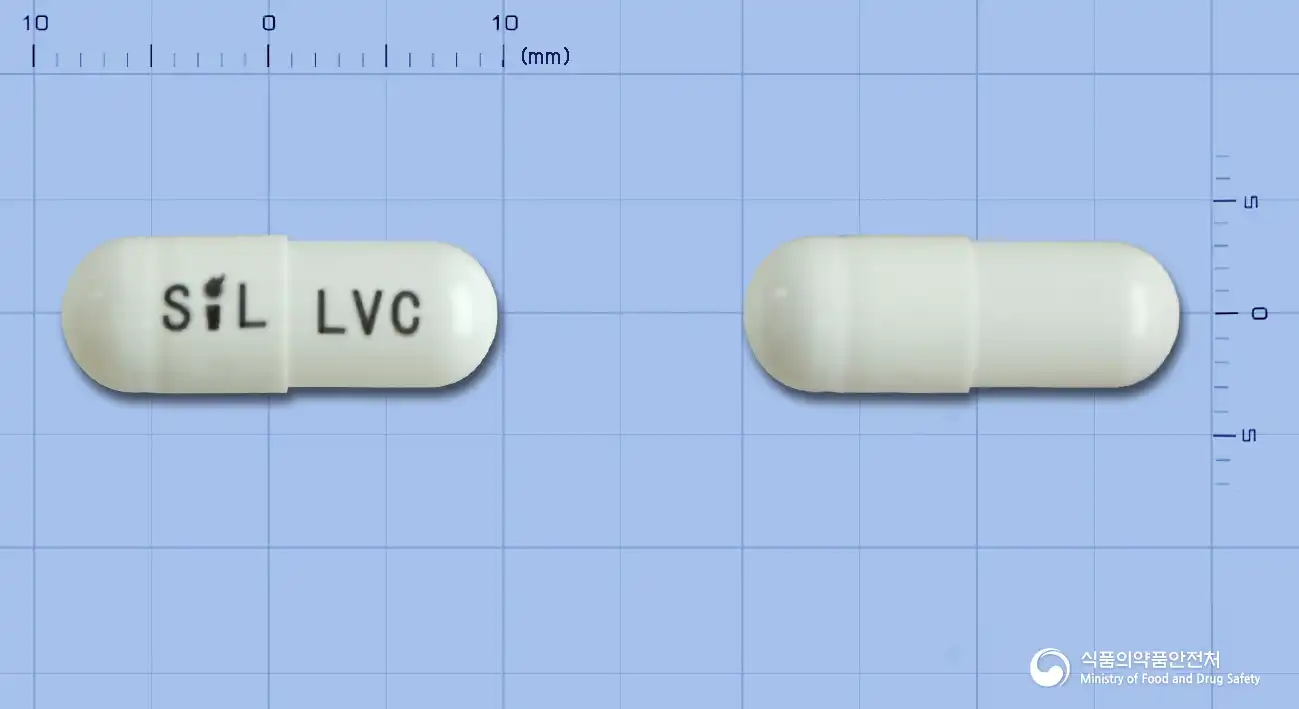 Combination
Biphenyl Dimethyl Dicarboxylate 12.5mg · Ursodeoxycholic Acid 50mg
Hard capsule · Prescription medication · Combination
Samil Pharmaceutical Co., Ltd.
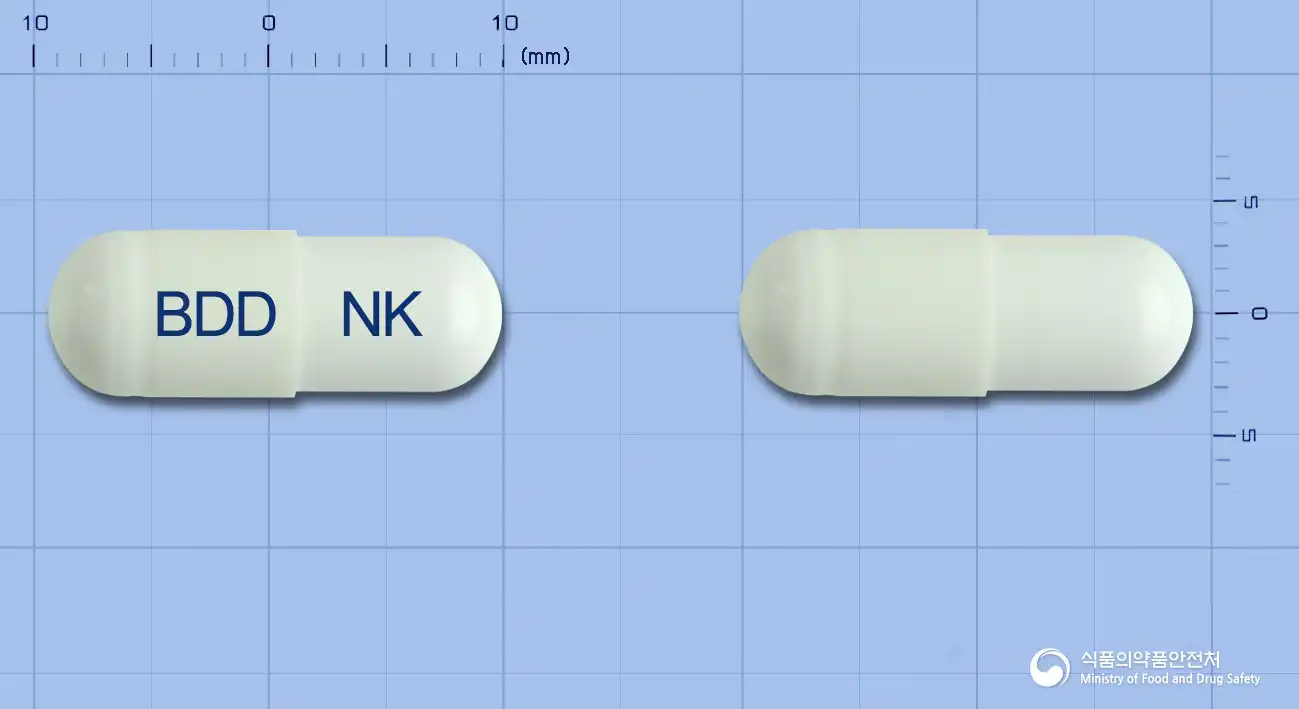 Combination
Biphenyl Dimethyl Dicarboxylate 12.5mg · Ursodeoxycholic Acid 50mg
Hard capsule · Prescription medication · Combination
Nexfarm Korea Co., Ltd.
Even with the same ingredient, the dose and directions can differ by strength and dosage form. Talk to a doctor or pharmacist before switching from a medication you are already taking.
No questions yet.
For anything that needs medical judgment, consult a doctor or pharmacist.
This drug information is based on data provided by the Korea Ministry of Food and Drug Safety.
Consult a doctor or pharmacist for accurate dosage, administration, and usage instructions.