
 한국어
한국어 English
 日本語
日本語 中文(简体)
 Viewing now
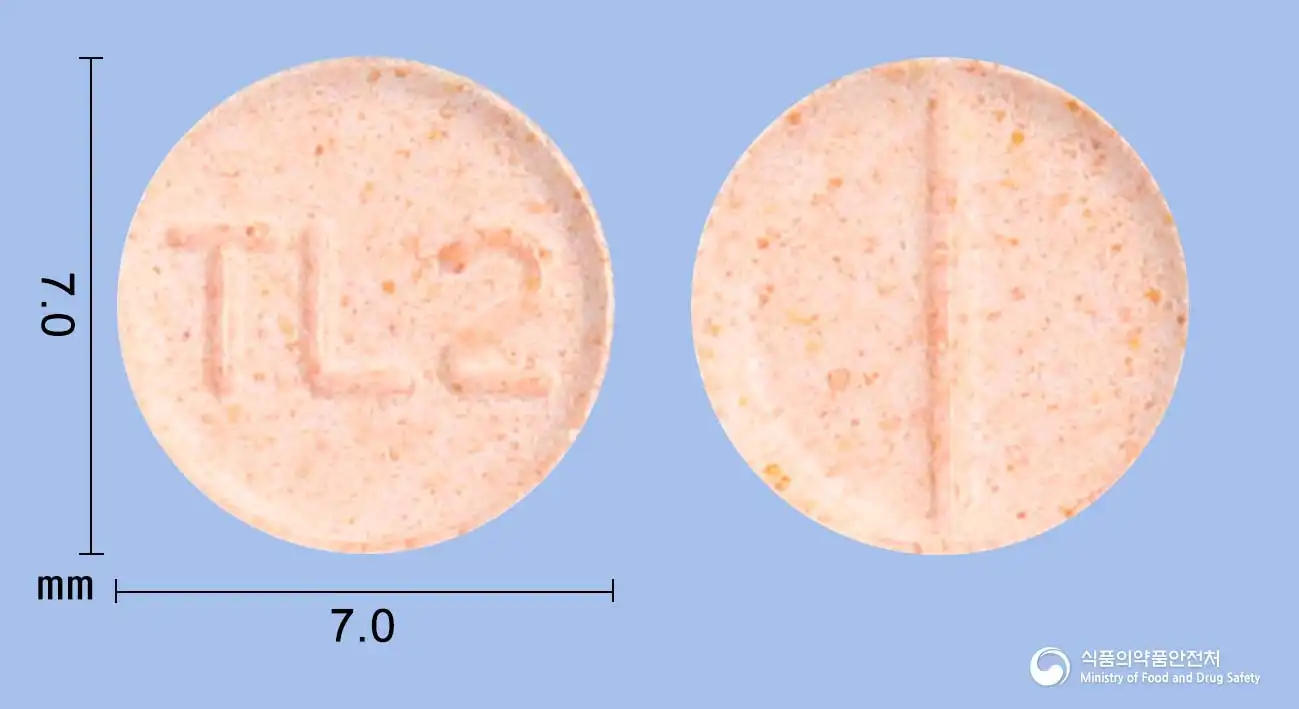
Oscoxin Tablet 2 mg (Terazosin Hydrochloride Hydrate)
Terazosin Hydrochloride Hydrate 2.374mg
Tablet · Prescription medication
Os Korea Pharmaceutical Co., Ltd.
MFDS item code 201504729 · Approved 2015.07.09 · Insurance code 629700690
Improvement of urinary disturbances and hypertension (mild to moderate) due to benign prostatic hyperplasia
This medication is primarily used for the treatment of urinary disturbances caused by benign prostatic hyperplasia and mild to moderate hypertension. It helps alleviate bothersome urinary symptoms due to prostate enlargement and stabilize blood pressure to improve health. It is a medication that supports the management of both prostate and blood pressure for patients.
1. Urinary disturbances due to benign prostatic hyperplasia - Initial dose: Administer 1 mg orally before bedtime, not exceeding this dose. - Maintenance dose: Gradually increase until symptoms improve, administering 5-10 mg once daily orally. 2. Hypertension - Initial dose: Administer 1 mg orally before bedtime, not exceeding this dose. - Maintenance dose:
This medication should not be used in certain patients. For example, it should not be administered to individuals allergic to this drug or similar medications, children under 12 years of age, and patients with lactose intolerance or specific genetic issues. It should be used cautiously in patients with severely impaired liver or kidney function, as well as in those with certain conditions such as orthostatic hypotension, heart disease, diabetes, or known allergies to ingredients that may cause hypersensitivity reactions. This medication may cause side effects such as dizziness or fainting, especially when taken for the first time or when the dose is suddenly increased. If fainting occurs, the patient should be laid down and additional treatment should be provided if necessary. Various side effects may occur, including psychological changes, digestive issues, respiratory symptoms, and urinary symptoms. If a rash or allergic symptoms appear, usage should be stopped immediately. Caution should be exercised to avoid driving or operating hazardous machinery due to dizziness or drowsiness caused by this medication. Patients should rise slowly from sitting or lying positions. This medication is used to alleviate symptoms of benign prostatic hyperplasia, but if symptoms do not improve, other treatment options should be considered. It is also important to verify the presence of prostate cancer before administering this medication. Patients planning for cataract surgery should inform their doctor about the use of this medication, as special precautions may be necessary during the procedure. This medication has minimal special interactions when used with other drugs; however, caution is advised when used with antihypertensive agents as it may lower blood pressure further. Women who are pregnant or may become pregnant should consult with a physician before using this medication, and breastfeeding mothers should avoid it, if possible, or discontinue breastfeeding. There is no established safety and efficacy for use in children, so it is best not to use it in pediatric patients. Elderly patients should start at a low dose to prevent excessively low blood pressure and be monitored closely for their condition. In case of overdose, blood pressure can drop sharply, requiring immediate medical assistance, and dialysis is not effective. This medication should be stored out of reach of children and should not be transferred to other containers.
Fainting, severe allergic reactions (including anaphylaxis), respiratory difficulties, severe swelling (generalized severe edema), liver abnormalities (symptoms related to jaundice not specified), serious neurological symptoms (severe headache, confusion, seizures, etc. unspecified)
Dizziness, energy depletion, neurological symptoms (depression, nervous excitability, headache, fatigue, malaise, sweating, insomnia, cold sensation, shoulder stiffness, drowsiness, thirst, numbness), vasodilation, orthostatic regulation disorder, palpitations, arrhythmia, chest pain, angina, elevated AST, ALT, ALP, total bilirubin, dyspepsia, abdominal bloating, abdominal pain, diarrhea, constipation, nausea, vomiting, loss of appetite, nosebleed, flu-like symptoms, pharyngitis, rhinitis, cold
Not everyone experiences these, and they can vary from person to person.
This medication may be sensitive to air and moisture, so it must be stored in a tightly closed container. It is important to maintain a storage temperature between 1 degree and 30 degrees Celsius to preserve its effectiveness for a long time.
Light orange to yellow round tablets
30 tablets/bottle, 300 tablets/bottle
Even with the same ingredient, strength, dosage form and how it is taken can differ.
Viewing nowTerazosin Hydrochloride Hydrate 2.374mg
Tablet · Prescription medication
Os Korea Pharmaceutical Co., Ltd.

Terazosin Hydrochloride Hydrate 1.187mg
Tablet · Prescription medication
Il Yang Pharmaceutical Co., Ltd.

Terazosin Hydrochloride Hydrate 2.374mg
Tablet · Prescription medication
Il Yang Pharmaceutical Co., Ltd.

Terazosin Hydrochloride Hydrate 5.935mg
Tablet · Prescription medication
Il Yang Pharmaceutical Co., Ltd.
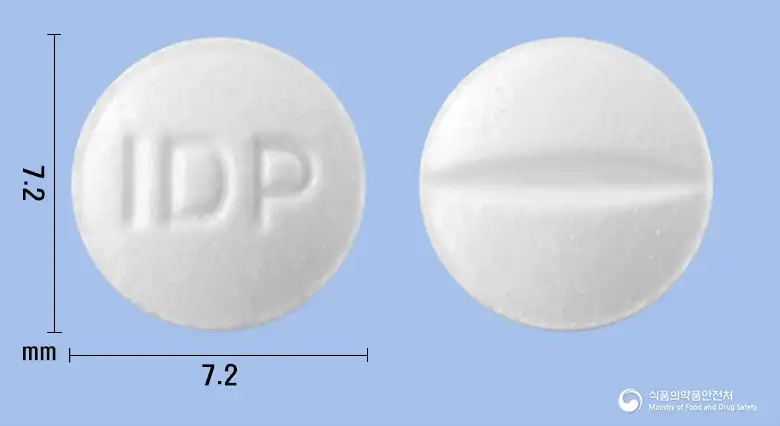
Terazosin Hydrochloride Hydrate 2.374mg
Tablet · Prescription medication
Il Dong Pharmaceutical Co., Ltd.

Terazosin Hydrochloride Hydrate 2.374mg
Tablet · Prescription medication
Daewon Pharmaceutical Co., Ltd.
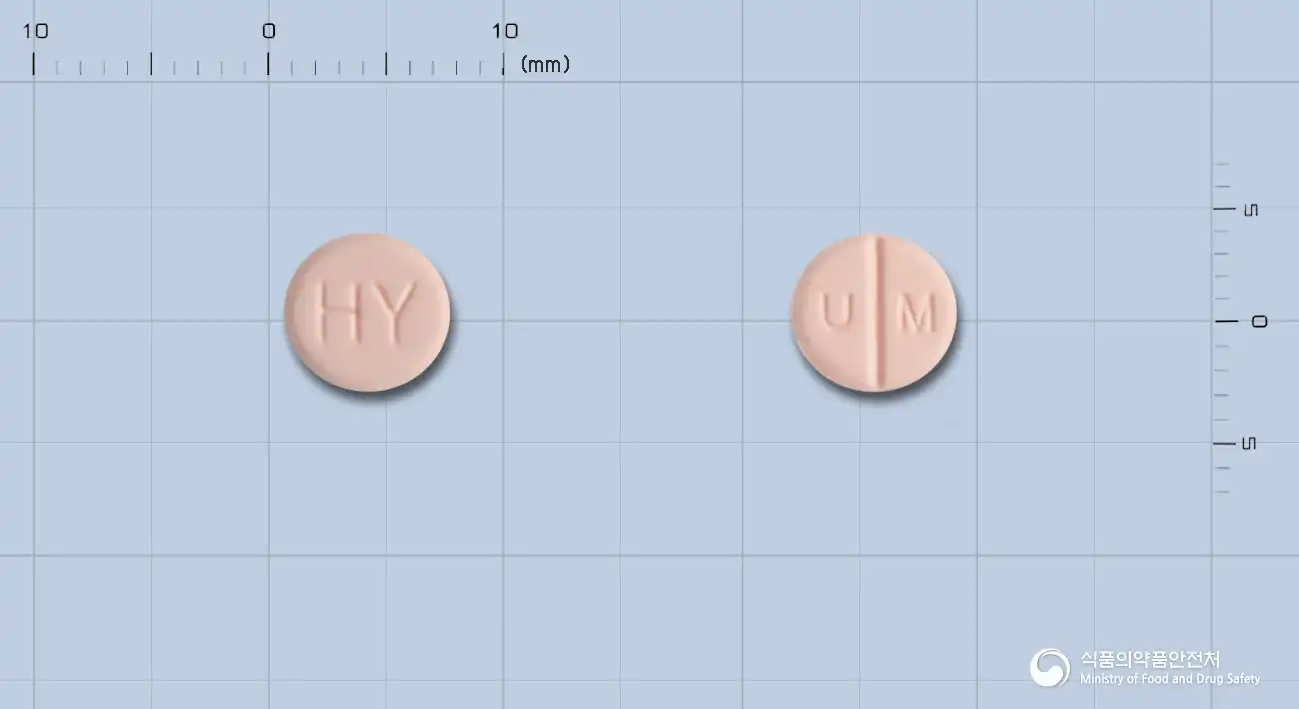
Terazosin Hydrochloride Hydrate 2.374mg
Tablet · Prescription medication
Unimed Pharmaceutical Co., Ltd.
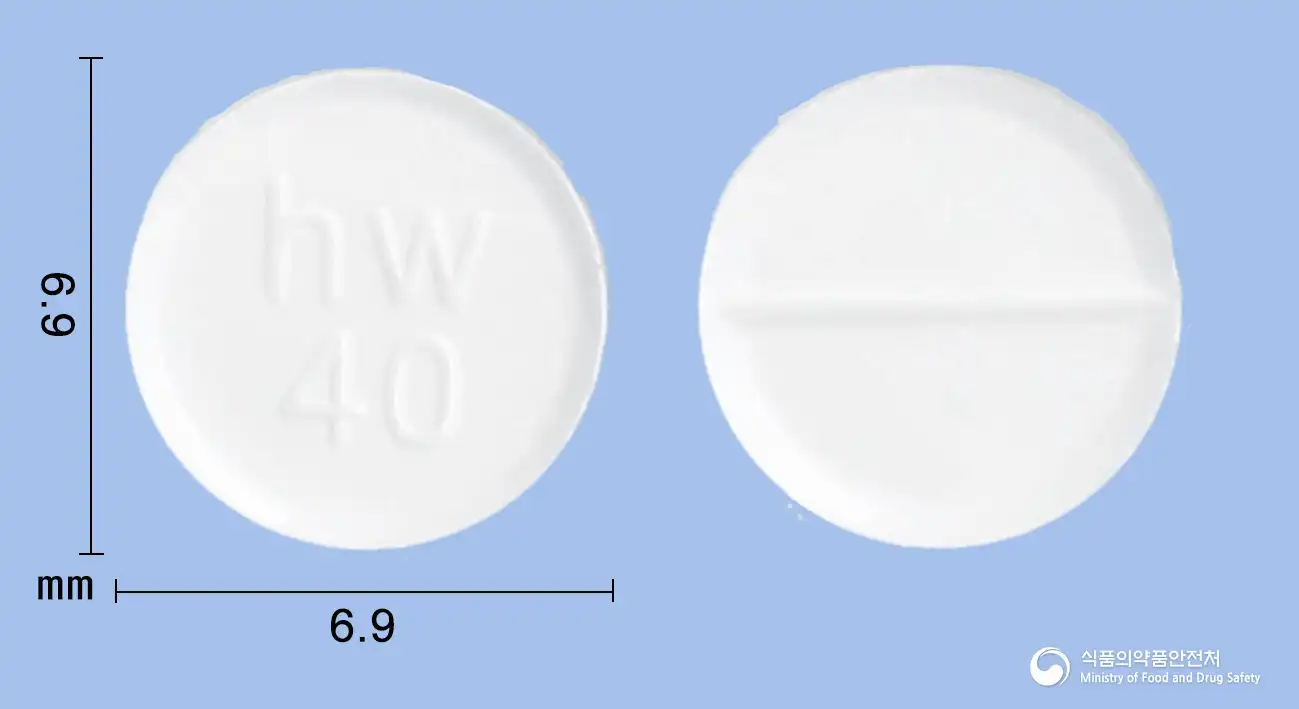
Terazosin Hydrochloride Hydrate 2.374mg
Tablet · Prescription medication
(Hawon Pharmaceutical Co., Ltd.)
Even with the same ingredient, the dose and directions can differ by strength and dosage form. Talk to a doctor or pharmacist before switching from a medication you are already taking.
No questions yet.
For anything that needs medical judgment, consult a doctor or pharmacist.
This drug information is based on data provided by the Korea Ministry of Food and Drug Safety.
Consult a doctor or pharmacist for accurate dosage, administration, and usage instructions.