
 한국어
 English
 日本語
 中文(简体)
 Viewing now
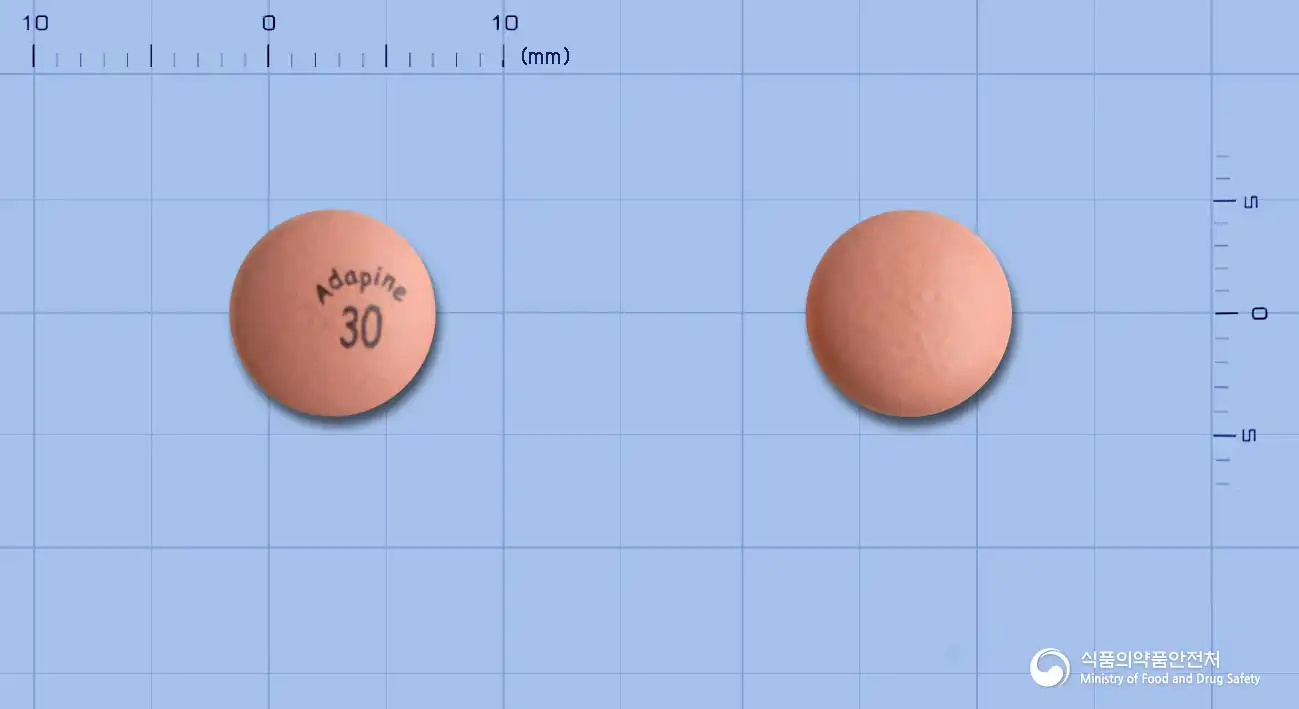
Adapin OSMO Sustained Release Tablets 30 mg (Nifedipine)
Nifedipine 33mg
Tablet · Prescription medication
Erison Pharmaceutical Co., Ltd.
MFDS item code 201504227 · Approved 2015.06.30 · Insurance code 620500140
Treatment of hypertension and coronary artery disease (chronic stable angina)
This medication is primarily used for coronary artery disease, especially chronic stable angina, and hypertension.
Initially, administer 30mg or 60mg once daily, usually for 7-14 days, adjusting the dose according to the patient's condition. Hypertension: A starting dose of 20mg or 30mg is recommended. Because the drug concentration in the blood reaches steady state from the second day, the titration period may be shortened by frequently assessing the patient's condition. Do not exceed a maximum dose of 120mg. The dose must be adjusted according to the patient's symptoms. Because this drug uses an osmotic drug-release mechanism (OROS formulation), it may be administered regardless of meals (there is no difference in absorption when taken on an empty stomach or after a meal). When administering to older adults, start with a low dose and administer cautiously according to the patient's response. The maintenance dose may be lower than that for younger patients. Patients with hepatic impairment should be monitored carefully, and dose reduction may be necessary. Dose adjustment is not required in patients with renal impairment; however, administer cautiously in severe cases.
Use of this drug is not recommended in children under 18 years of age because its safety and efficacy have not been established.
This medication should not be administered to certain patients. For example, individuals with allergies to this medication, pregnant or lactating women, those with severe heart problems or low blood pressure, and patients who have had certain surgeries may be at risk when taking this medication. Furthermore, patients with severe liver or kidney dysfunction, heart failure, the elderly, and diabetic patients should be particularly cautious when using this medication and may require dose adjustments. While taking this medication, various side effects may occur, such as changes in liver function, abnormal urination, blood abnormalities, heart-related symptoms, neurological symptoms, gastrointestinal issues, and skin reactions, so immediate consultation with a doctor is necessary if unusual symptoms arise. This medication should be tapered off slowly according to the doctor's instructions to avoid worsening of symptoms, and care should be taken as dizziness may occur while driving or operating dangerous machinery. If chest pain occurs within 30 minutes after starting or increasing the dose, use should be discontinued immediately. Pregnant and lactating women should avoid taking this medication, and women who may become pregnant should also refrain from use. This medication is not recommended for children under 18 years of age as its safety and efficacy have not been established. Elderly patients should start at a lower dose and be monitored closely, with adjustments made as necessary. In cases of overdose, symptoms such as altered consciousness, low blood pressure, irregular heart rhythms, and metabolic abnormalities may occur, requiring immediate emergency treatment. This medication should not be taken with grapefruit juice, as it can increase blood concentration and elevate the risk of side effects. Additionally, this medication should not be chewed or crushed but taken whole with a small amount of water, and patients with a history of gastrointestinal obstruction should take caution. This medication has many drug interactions, and dose adjustments or monitoring may be necessary depending on the concomitant medications, so patients must inform their physician or pharmacist.
Not everyone experiences these, and they can vary from person to person.
This medication should be stored in a sealed container that blocks light and kept at room temperature between 1 to 30 degrees Celsius. Storing it this way preserves the medication's efficacy well.
Pink round film-coated tablets
100 tablets/box [10 tablets/PTP × 10]
Even with the same ingredient, strength, dosage form and how it is taken can differ.
Viewing nowNifedipine 33mg
Tablet · Prescription medication
Erison Pharmaceutical Co., Ltd.
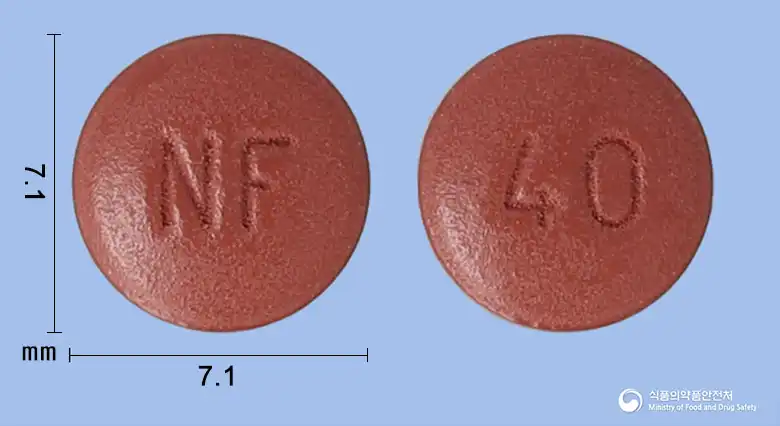
Nifedipine 40mg
Tablet · Prescription medication
Ellison Pharmaceutical Co., Ltd.
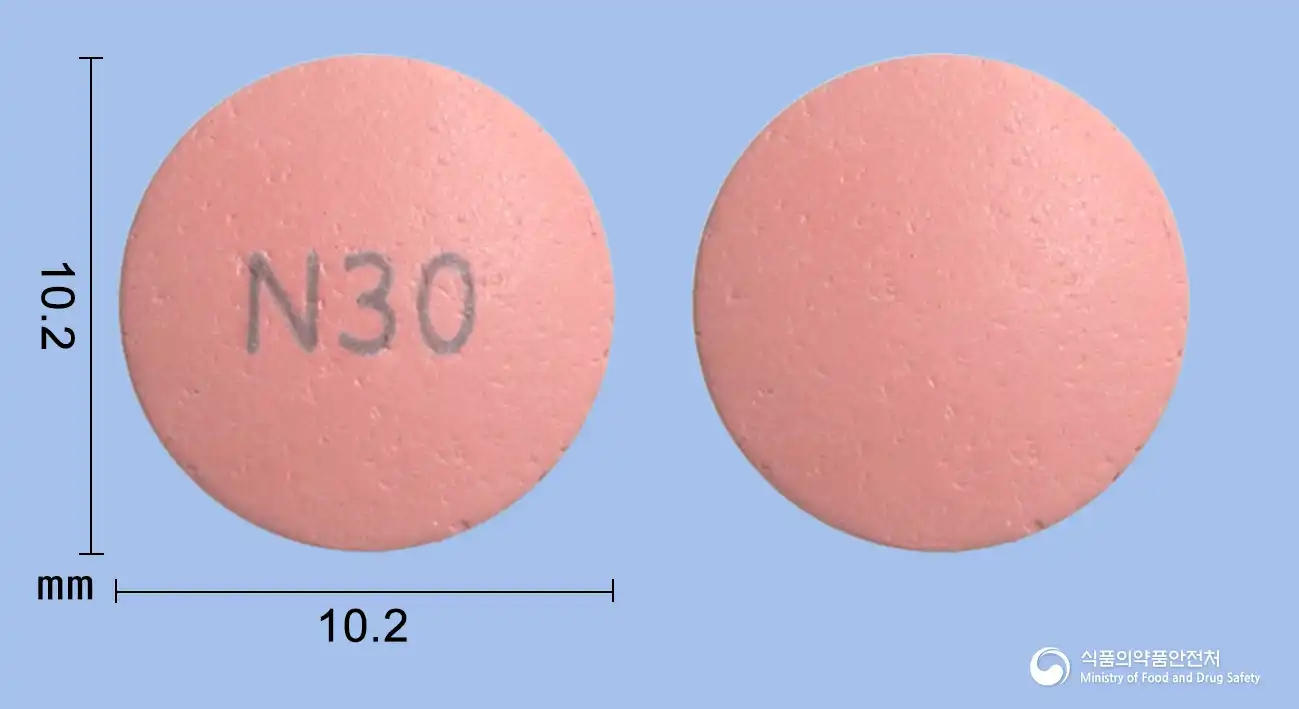
Nifedipine 30mg
Tablet · Prescription medication
Kwangdong Pharmaceutical Co., Ltd.
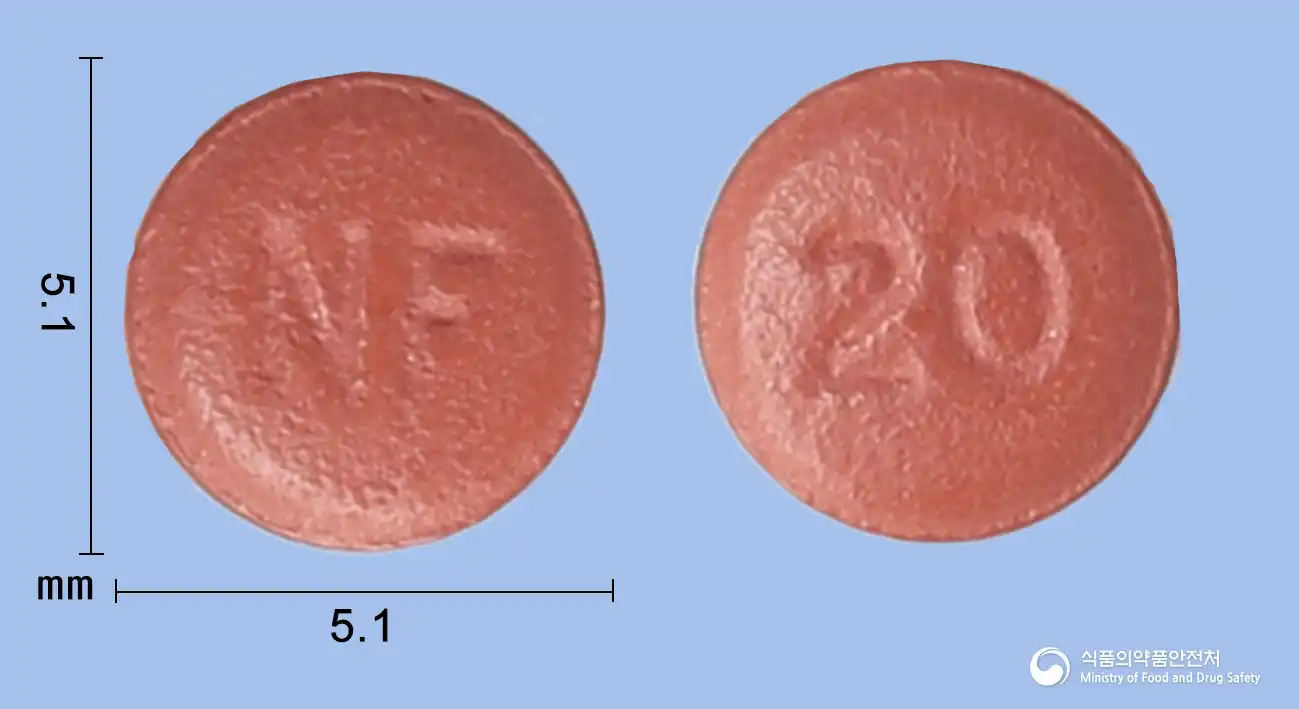
Nifedipine 20mg
Tablet · Prescription medication
Ellison Pharmaceutical Co., Ltd.
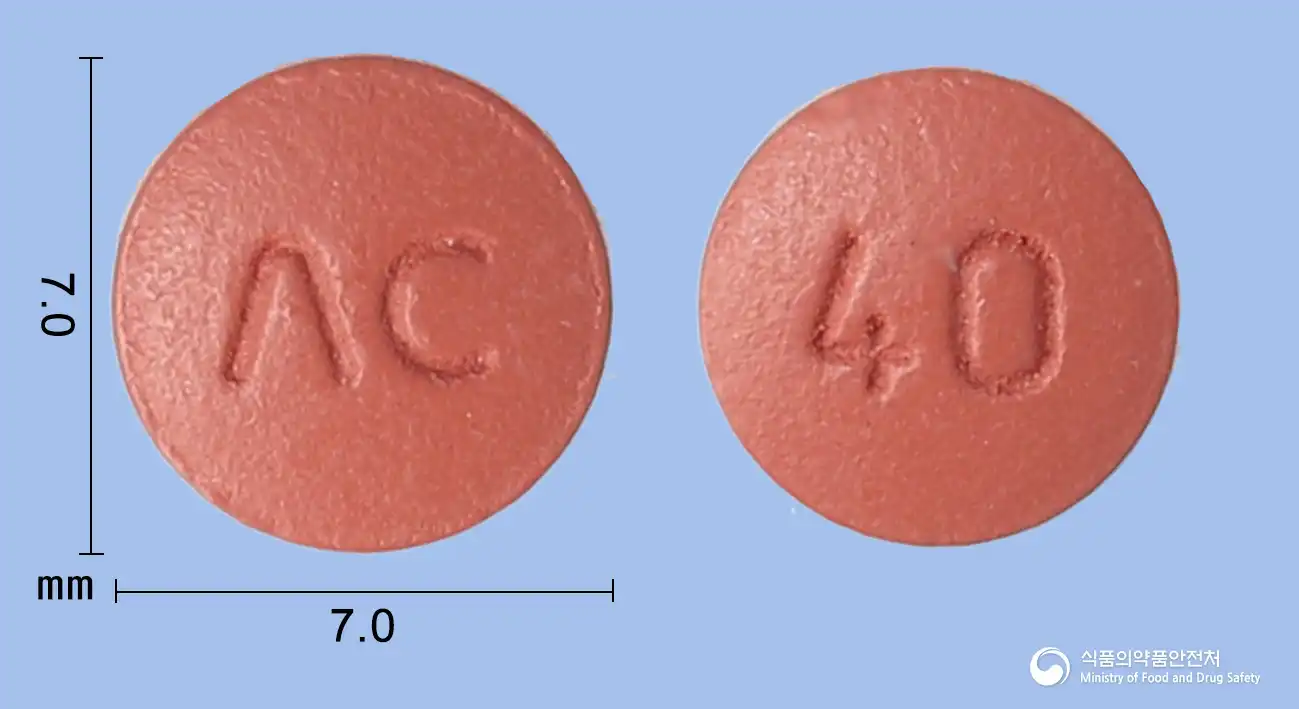
Nifedipine 40mg
Tablet · Prescription medication
Aliko Pharmaceutical Co., Ltd.
Even with the same ingredient, the dose and directions can differ by strength and dosage form. Talk to a doctor or pharmacist before switching from a medication you are already taking.
No questions yet.
For anything that needs medical judgment, consult a doctor or pharmacist.
This drug information is based on data provided by the Korea Ministry of Food and Drug Safety.
Consult a doctor or pharmacist for accurate dosage, administration, and usage instructions.