
 한국어
한국어 English
 日本語
日本語 中文(简体)
 Viewing nowCombination
Amlodartan Tablet 5/50 mg (Amlodipine, Olmesartan Medoxomil)
Amlodipine Besylate 6.944mg · Losartan Potassium 50mg
Tablet · Prescription medication · Combination
Hankook Hutech Pharmaceutical Co., Ltd.
MFDS item code 201504048 · Approved 2015.06.19 · Insurance code 649102810
Improvement of blood pressure control in essential hypertension and stage 2 hypertension
This medication is used for the treatment of patients with essential hypertension who have difficulty controlling blood pressure with monotherapy of amlodipine or olmesartan. It is also effective as initial therapy in stage 2 hypertension patients who require combination therapy to reach their target blood pressure. In other words, it is used to aid in the stable control of blood pressure in both essential hypertension and severe hypertension.
The recommended dosage of this medication is one tablet once daily, to be taken with water regardless of meals. It is recommended to take it at the same time every day, preferably in the morning. Typically, 5/50 mg of this medication is administered once daily, and if blood pressure is still not adequately controlled after two weeks of administration, the dosage may be increased to 10/50 mg once daily.
Safety and efficacy in pediatric patients under 18 years of age have not been established, and the administration of this medication is not recommended.
This medication can cause serious harm to the fetus if taken during pregnancy, especially in the second and third trimesters, so it must be discontinued immediately once pregnancy is confirmed. Early pregnancy may also affect the fetus, so women who may become pregnant should consult their doctor before taking it. Patients with reduced blood volume, particularly those on diuretics, may experience hypotension when first taking this medication, so caution is required. It should not be used in patients allergic to any of the components of this medication, patients with severe liver dysfunction, patients with severe aortic stenosis, or patients in shock. Caution should be exercised in patients with significantly low blood pressure or impaired kidney function, and in those with hyperkalemia. This medication may cause side effects such as dizziness, headache, drowsiness, dyspepsia, and skin rash, and in severe cases may lead to blood pressure drop or allergic reactions. During treatment, it is advisable to avoid hazardous activities such as operating heavy machinery or driving. Patients with impaired liver or kidney function may require dosage adjustments under the supervision of a physician, and potassium levels should be monitored regularly. Care should be taken when taken with other blood pressure medications, as the blood pressure-lowering effect may be enhanced. Combining with grapefruit or grapefruit juice may increase the drug's effect, so such combinations should be avoided. Pregnant or nursing women should not take this medication, particularly due to the possibility of the drug passing into breast milk while nursing. Safety and effectiveness in patients under 18 years of age have not been established, and its use is not recommended. In case of overdose, symptoms such as severe hypotension and tachycardia may occur, and immediate medical attention should be sought, with treatment provided according to symptoms. This medication should be kept out of reach of children, and it is advisable not to transfer it to other containers.
Urticaria, severe swelling (edema), chest tightness, difficulty breathing, cold sweats, pallor, severe allergic reactions, with high fever and severe rash, blisters, skin peeling, oral/ocular mucosal pain, severe skin abnormal reactions, shortness of breath or difficulty breathing, asthma attacks, cough with fever accompanying respiratory abnormalities, yellowing of the skin or eyes (jaundice), extreme lethargy, liver abnormalities (jaundice), sudden and very severe headache
Not everyone experiences these, and they can vary from person to person.
This medication must be stored in a tightly sealed container to prevent exposure to air and humidity. It is important to maintain a storage temperature between 1 degree and 30 degrees Celsius.
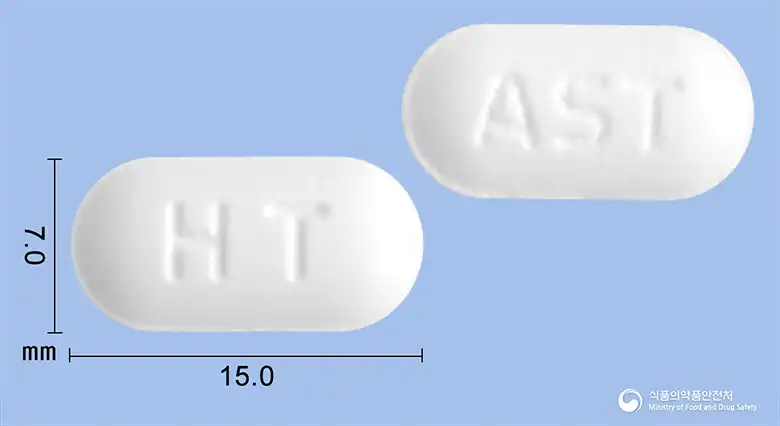
White oblong film-coated tablets
30 tablets/bottle
Even with the same ingredient, strength, dosage form and how it is taken can differ.
Viewing nowCombinationAmlodipine Besylate 6.944mg · Losartan Potassium 50mg
Tablet · Prescription medication · Combination
Hankook Hutech Pharmaceutical Co., Ltd.
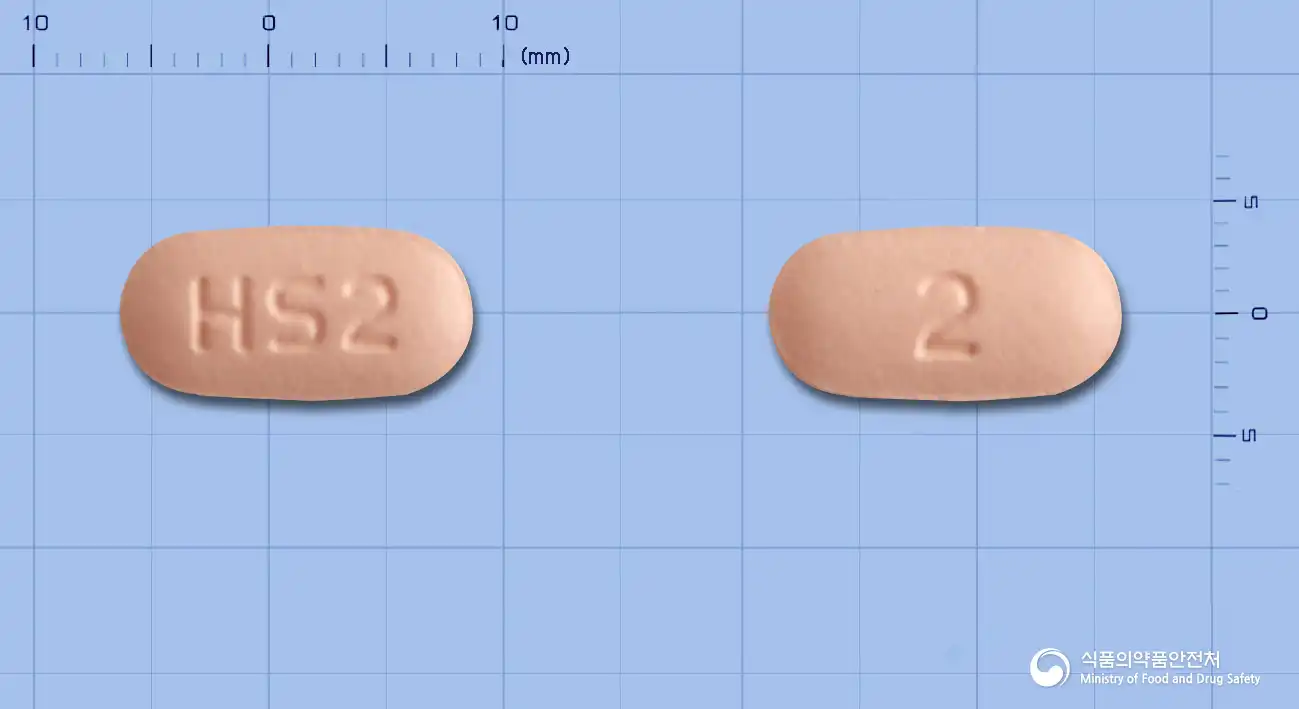 Combination
Amlodipine Besylate 6.944mg · Losartan Potassium 100mg
Tablet · Prescription medication · Combination
Huwons Co., Ltd.
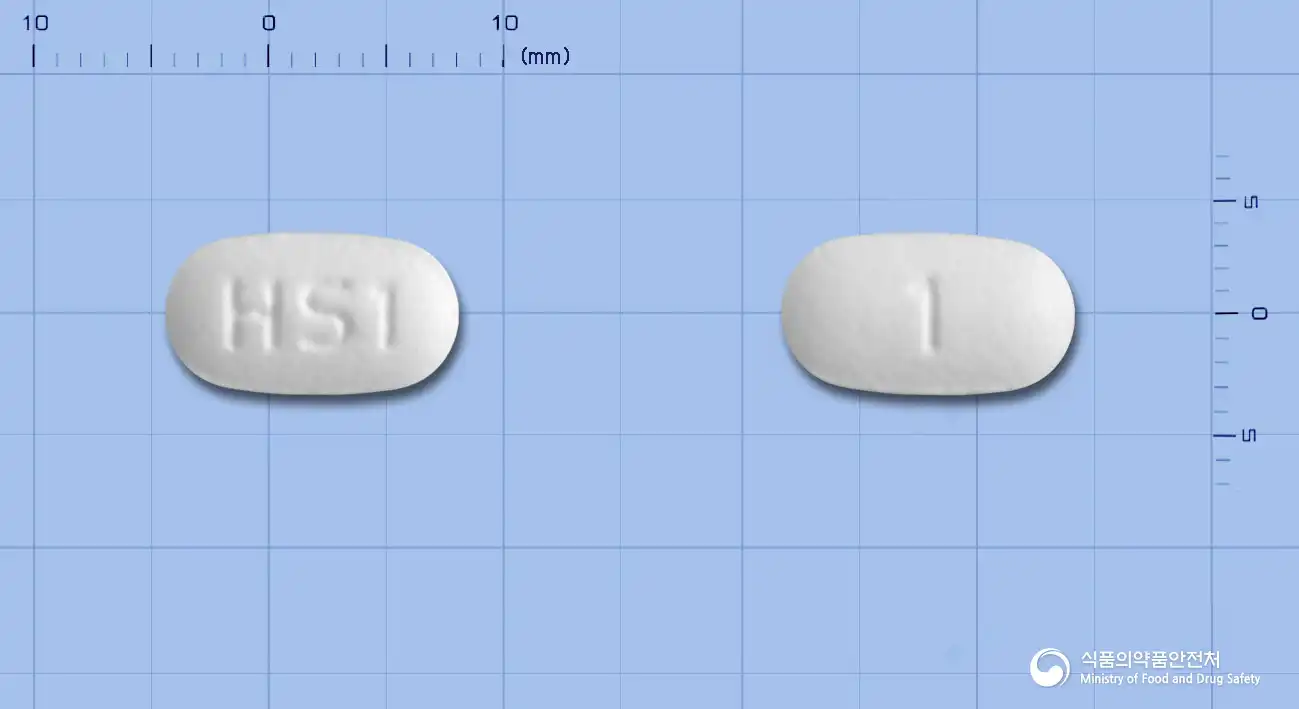 Combination
Amlodipine Besylate 6.944mg · Losartan Potassium 50mg
Tablet · Prescription medication · Combination
Huons Co., Ltd.
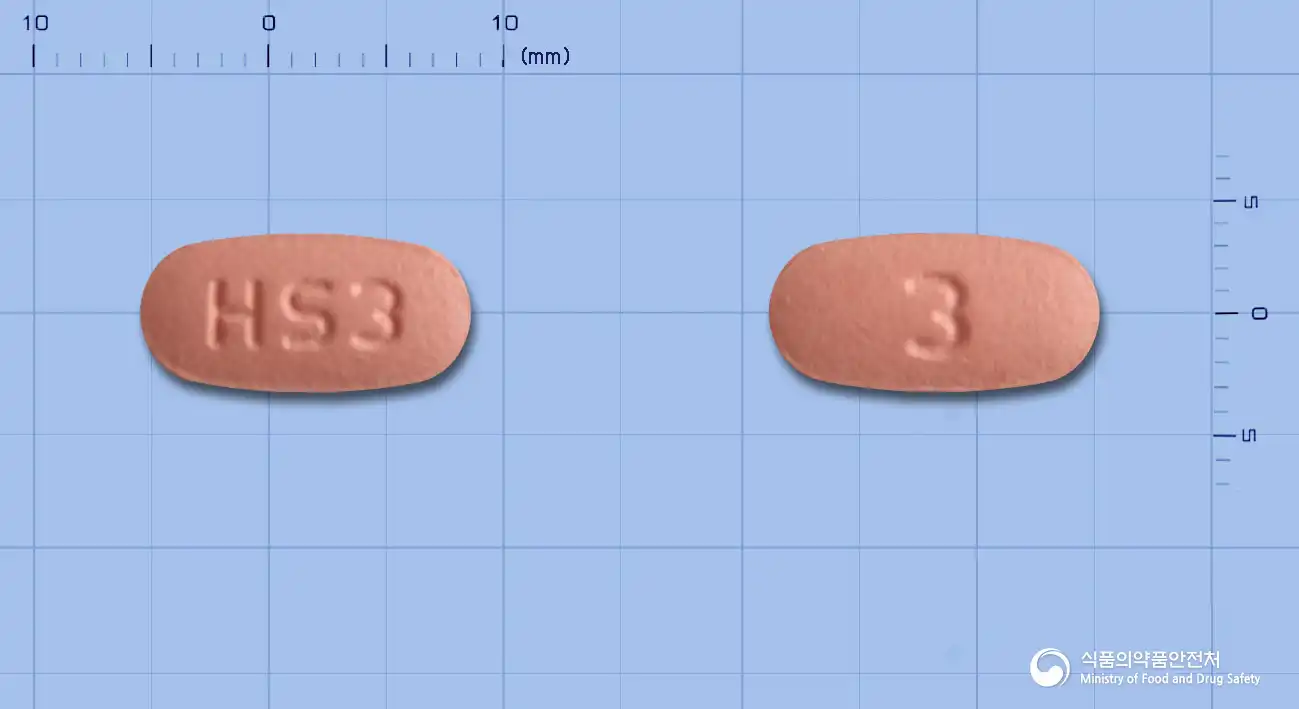 Combination
Amlodipine Besylate 13.888mg · Losartan Potassium 50mg
Tablet · Prescription medication · Combination
Huons Co., Ltd.
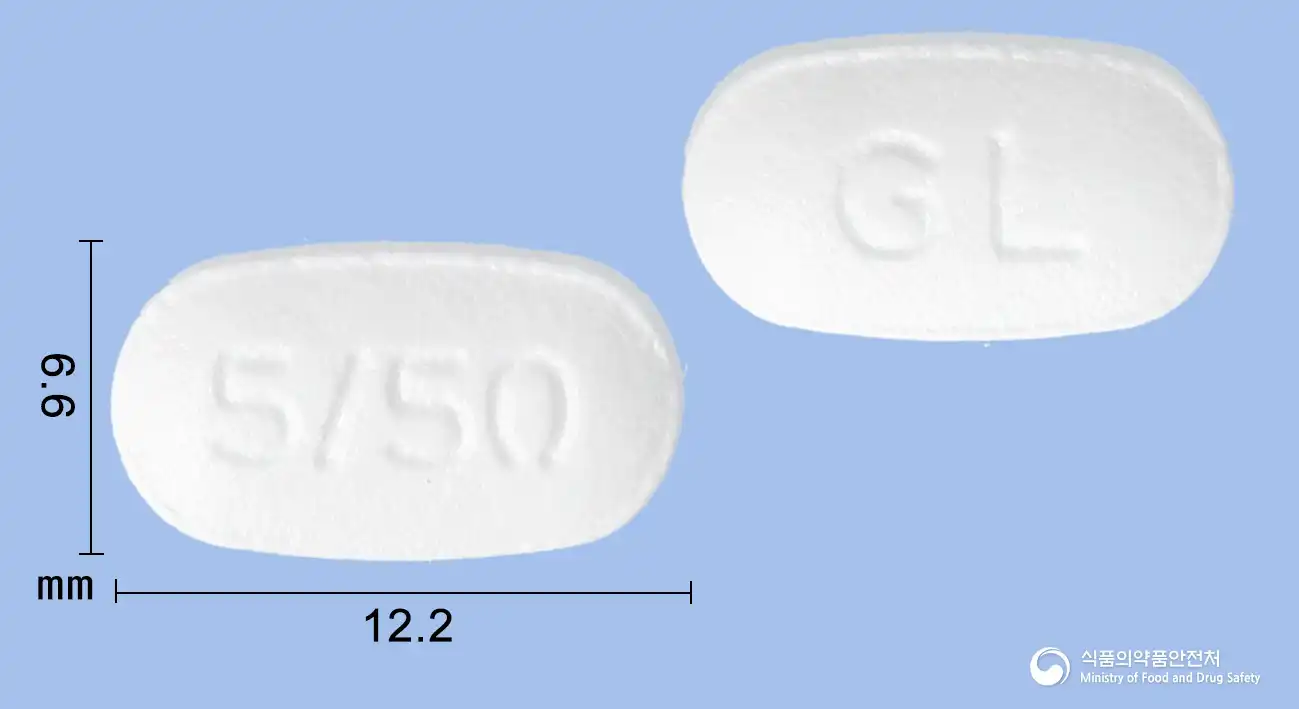 Combination
Amlodipine Besylate 6.944mg · Losartan Potassium 50mg
Tablet · Prescription medication · Combination
GL Pharma Co., Ltd.
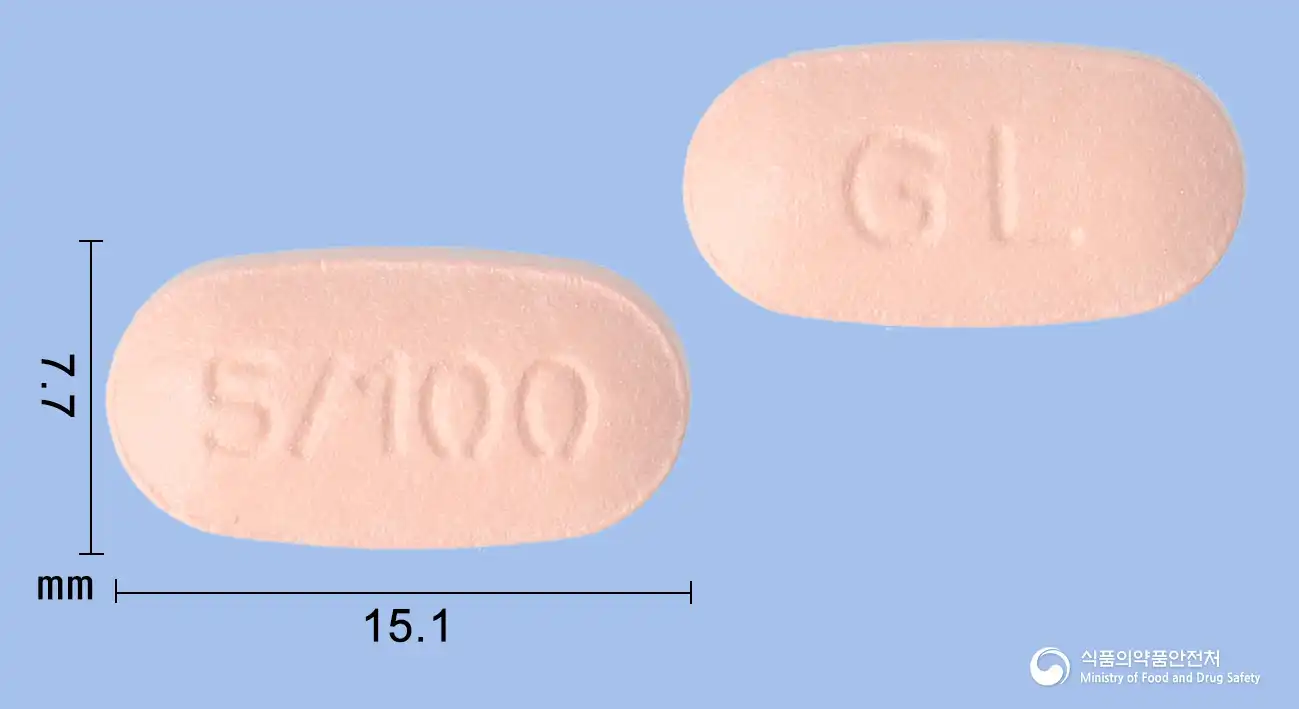 Combination
Amlodipine Besylate 6.944mg · Losartan Potassium 100mg
Tablet · Prescription medication · Combination
GL Pharma Co., Ltd.
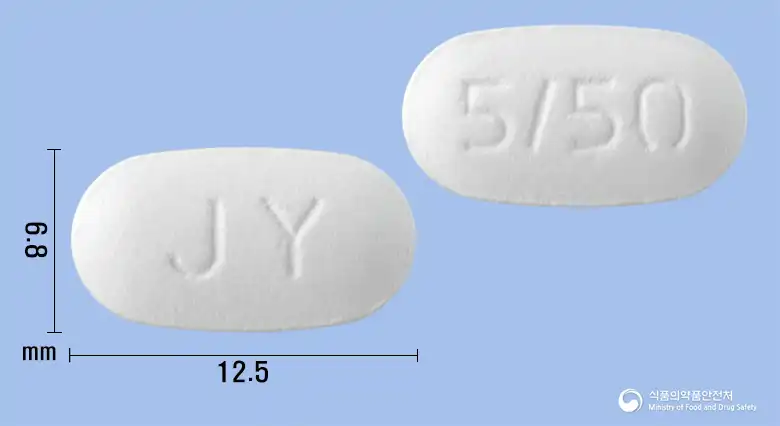 Combination
Amlodipine Besylate 6.944mg · Losartan Potassium 50mg
Tablet · Prescription medication · Combination
Jinyang Pharmaceutical Co., Ltd.
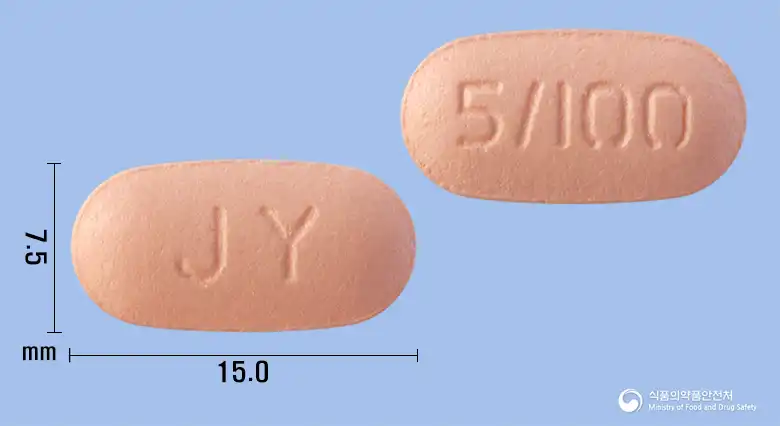 Combination
Amlodipine Besylate 6.944mg · Losartan Potassium 100mg
Tablet · Prescription medication · Combination
Jinyang Pharmaceutical Co., Ltd.
Even with the same ingredient, the dose and directions can differ by strength and dosage form. Talk to a doctor or pharmacist before switching from a medication you are already taking.
No questions yet.
For anything that needs medical judgment, consult a doctor or pharmacist.
This drug information is based on data provided by the Korea Ministry of Food and Drug Safety.
Consult a doctor or pharmacist for accurate dosage, administration, and usage instructions.