
 한국어
한국어 English
 日本語
日本語 中文(简体)
 Viewing nowCombination
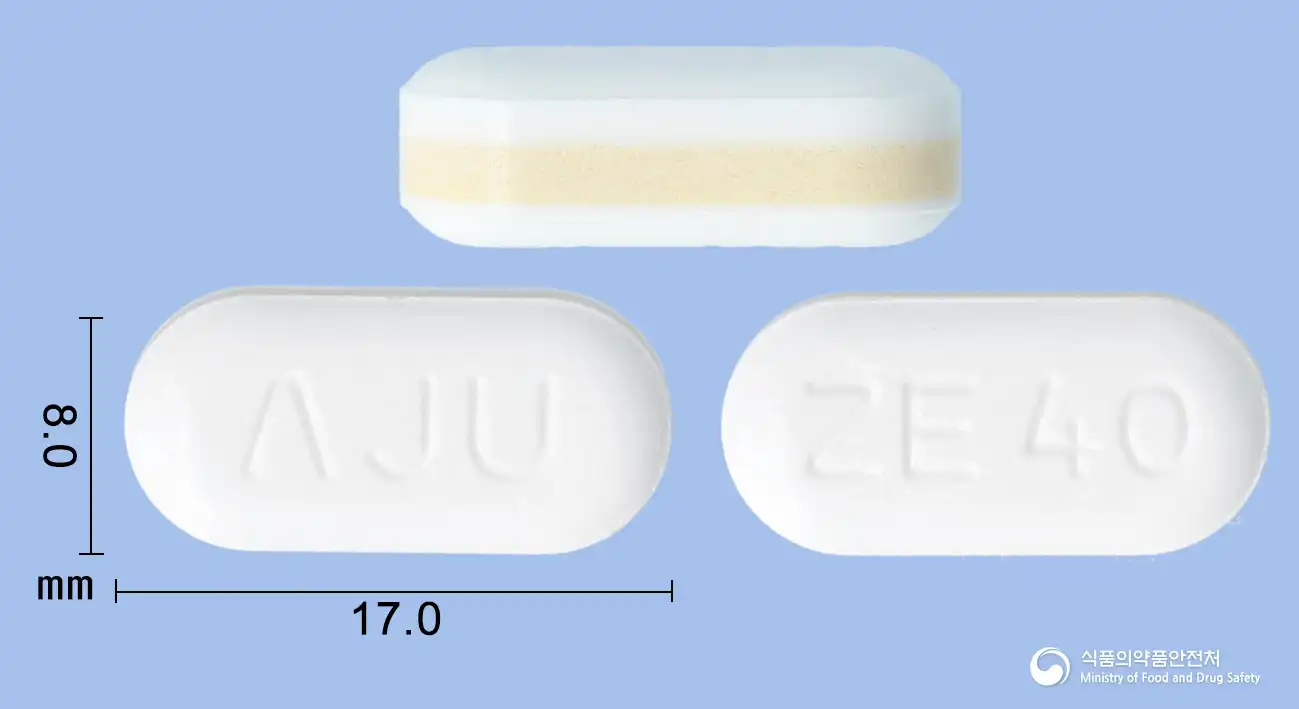
Zerocid Tablet 40/1100mg
Omeprazole 40mg · Sodium Bicarbonate 760mg
Prescription medication · Combination
Aju Pharmaceutical Co., Ltd.
MFDS item code 201504046 · Approved 2015.06.19 · Insurance code 654004650
Short-term treatment of gastric ulcers, duodenal ulcers, and improvement of symptoms of gastroesophageal reflux disease (such as heartburn).
This medication is used for the short-term treatment of gastric ulcers and duodenal ulcers. It also alleviates symptoms such as heartburn and regurgitation caused by gastroesophageal reflux disease (GERD). It is effective as maintenance therapy for severe gastroesophageal reflux disease or difficult-to-treat peptic ulcers. This medication can enhance the health of the stomach and esophagus and improve symptoms.
This medication should be taken on an empty stomach at least 1 hour before meals. Swallow it whole with at least half a cup of water. Do not take with any beverage other than water. Do not chew or crush. 1) Gastric Ulcer: Take 20/1,100mg once daily orally. If not cured after 4 weeks, continue for an additional 4 weeks. If no effect, increase to 40/1,100mg once daily orally.
This medication should not be used by patients who are allergic to this drug or its ingredients. Particularly, caution should be exercised as severe allergic reactions such as anaphylactic shock may occur. This medication should not be administered to patients with gastric ulcers suspected of malignancy, as it may mask symptoms or delay diagnosis. Patients who need to restrict sodium intake or are taking specific antiviral agents and those on certain medications should consult a physician before using this drug. Patients with poor liver function, the elderly, those with severe gastric ulcers, and patients with weakened renal and cardiopulmonary function should use this medication cautiously. This medication can cause various side effects, with common symptoms including headache, dyspepsia, abdominal pain, and diarrhea; serious allergic reactions or renal, liver, and skin problems can occur rarely. Long-term use may lead to electrolyte imbalances such as osteoporosis or hypomagnesemia, so regular monitoring is necessary. This medication may interact with other drugs, so it is important to inform healthcare professionals of any medications being taken. During pregnancy or while breastfeeding, this medication should only be used when absolutely necessary, and considerations should be made to stop breastfeeding or discontinuing medication during lactation. Safety and efficacy in children under 18 years have not been established, so it is advisable not to use it. In case of overdose, symptoms such as vomiting, headache, and dizziness may occur, but they are generally temporary. This medication should be stored away from direct sunlight and out of reach of children, and should be kept in its original container for safety.
anaphylaxis, angioedema, bronchospasm, acute interstitial nephritis, urticaria, anaphylactic shock, severe allergic reactions, toxic epidermal necrolysis, Stevens-Johnson syndrome, toxic epidermal necrolysis, acute generalized exanthematous pustulosis, DRESS syndrome, acute interstitial nephritis, jaundice, severe skin reactions, severe edema, urticaria
Not everyone experiences these, and they can vary from person to person.
This medication should be stored in a sealed container to protect it from air and moisture, and kept at a temperature between 1 and 30 degrees Celsius (room temperature). Storing it this way will help to maintain its effectiveness for a longer period.
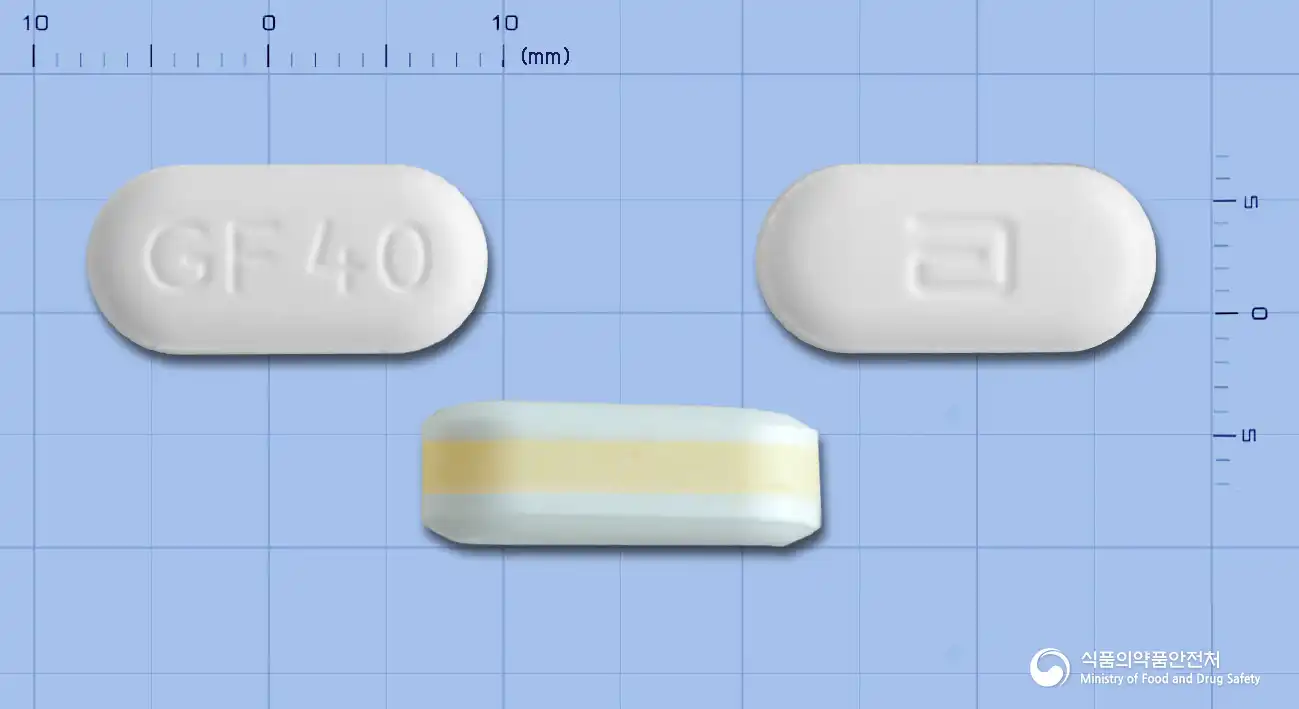
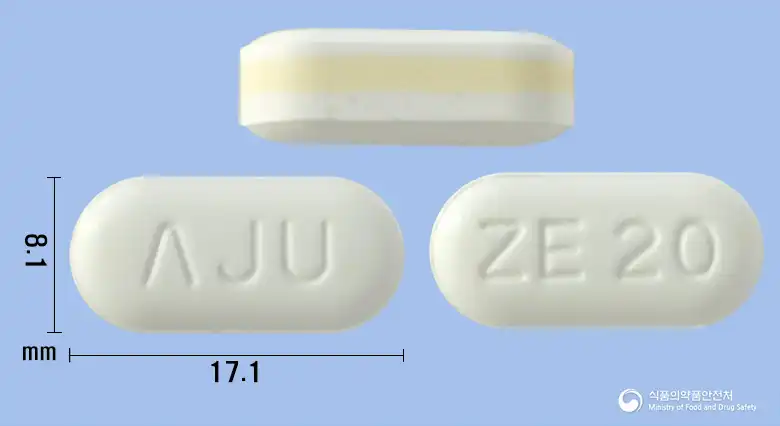
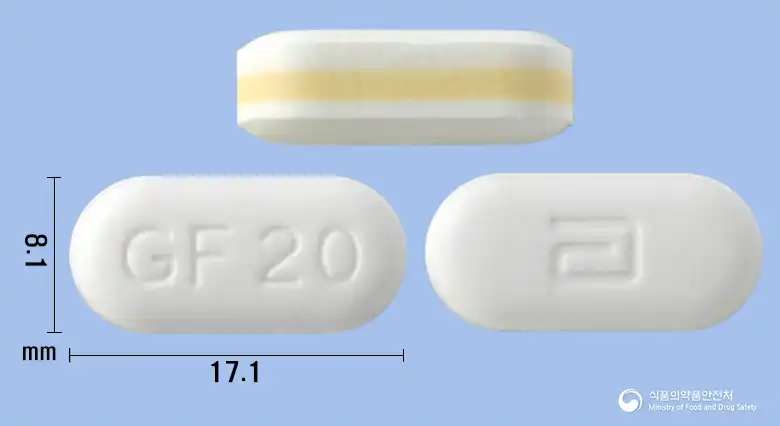
A rectangular three-layered tablet with a white upper and lower layer and a light yellow middle layer.
30 tablets/bottle, 100 tablets/bottle
Even with the same ingredient, strength, dosage form and how it is taken can differ.
Viewing nowCombinationOmeprazole 40mg · Sodium Bicarbonate 760mg
Prescription medication · Combination
Aju Pharmaceutical Co., Ltd.
 Combination
Omeprazole 40mg · Sodium Bicarbonate 760mg
Prescription medication · Combination
Korea Abbott Co., Ltd.
 Combination
Omeprazole 20mg · Sodium Bicarbonate 760mg
Prescription medication · Combination
Aju Pharmaceutical Co., Ltd.
 Combination
Omeprazole 20mg · Sodium Bicarbonate 760mg
Prescription medication · Combination
Korea Abbott Co., Ltd.
Even with the same ingredient, the dose and directions can differ by strength and dosage form. Talk to a doctor or pharmacist before switching from a medication you are already taking.
No questions yet.
For anything that needs medical judgment, consult a doctor or pharmacist.
This drug information is based on data provided by the Korea Ministry of Food and Drug Safety.
Consult a doctor or pharmacist for accurate dosage, administration, and usage instructions.