
 한국어
한국어 English
 日本語
日本語 中文(简体)
 Viewing nowCombination
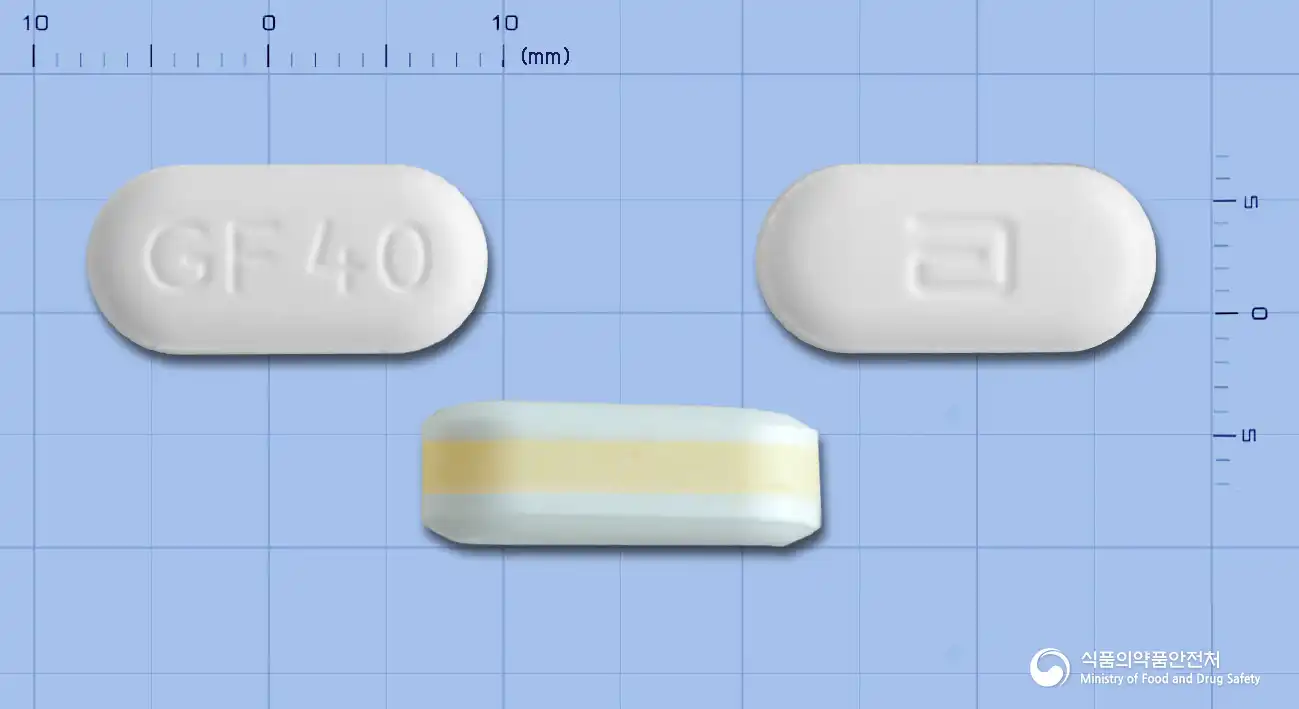
Ganaplex Tablets 40/1100 mg (Omeprazole, Sodium Bicarbonate)
Omeprazole 40mg · Sodium Bicarbonate 760mg
Prescription medication · Combination
Korea Abbott Co., Ltd.
MFDS item code 201504045 · Approved 2015.06.19 · Insurance code 644206410
Short-term treatment of gastric ulcers, duodenal ulcers, and improvement of symptoms of gastroesophageal reflux disease (heartburn, regurgitation, etc.)
This medication is used for the short-term treatment of gastric ulcers and duodenal ulcers. It also helps alleviate symptoms such as heartburn and regurgitation associated with gastroesophageal reflux disease (GERD). It is additionally used as maintenance therapy in cases of severe gastroesophageal reflux disease and poorly treated peptic ulcers. This is an effective medication for treating and improving symptoms of various gastrointestinal conditions.
This medication should be taken at least 1 hour before meals on an empty stomach. When taking this medication, it should be swallowed whole with at least half a cup of water. Other beverages should not be used with it. The medication should not be chewed or crushed. ◎ Adults 1) Gastric ulcers: 1 time 20/1,100mg, taken orally once a day. 2) Short-term treatment of duodenal ulcers: 1 time 20/1,100mg, taken orally once a day.
This medication should not be used in certain patients. For example, patients who are allergic to this medication or its components or who are hypersensitive to benzimidazoles may experience serious allergic reactions, and thus should not be administered this medication. Additionally, gastric ulcer patients suspected of having malignant tumors should be cautious, as the symptom relief provided by this medication could delay diagnosis. Patients taking certain antiviral or antiretroviral medications should also avoid concomitant use, as it may alter drug concentrations. Patients who need to restrict sodium intake, such as those with hypertension or edema, should also be cautious when using this medication. Patients with impaired liver function may have increased concentrations of this medication in the body, thus requiring dose adjustments, and especially those with severe hepatic impairment should limit their daily dosage. Elderly patients and those with severe gastrointestinal ulcers, renal impairment, or cardiac or pulmonary dysfunction should also be treated with caution. Due to the presence of sodium bicarbonate in this medication, patients with related diseases should be careful as it may cause electrolyte imbalances or alkalosis. Various adverse reactions may occur with this medication, with common symptoms including headache, abdominal pain, diarrhea, constipation, and nausea. Rarely, hematologic abnormalities, hypersensitivity reactions, hypomagnesemia, skin rash, liver dysfunction, and nephritis may occur, so patients should consult a physician immediately if any abnormal symptoms appear. Long-term use has also been associated with an increased risk of fractures, vitamin B12 absorption disorders, and atrophic gastritis, therefore, regular check-ups are necessary. This medication may interact with other drugs, especially anticoagulants, antiepileptics, and antivirals, so patients taking these medications should inform their physician. During pregnancy, it should only be used when absolutely necessary, and in breastfeeding patients, careful consideration should be given to whether to discontinue breastfeeding or the medication. Safety in children has not been established, so it is advisable not to use it in children under the age of 18. In cases of overdose, symptoms such as nausea, vomiting, dizziness, and headache may occur, and if these symptoms appear, the patient should visit a medical institution immediately. This medication should be stored away from direct sunlight and out of reach of children, and should be kept in its original container to maintain quality.
Hives, severe swelling (edema), anaphylactic shock, angioedema, bronchospasm, acute interstitial nephritis, Stevens-Johnson syndrome, toxic epidermal necrolysis (TEN), acute generalized exanthematous pustulosis, eosinophilia and systemic symptoms associated drug reaction (DRESS syndrome), jaundice, sudden and severe headaches, thunderclap headache, seizures, altered consciousness, visual disturbances, paralysis, marked decrease in urine output, severe systemic reactions.
Not everyone experiences these, and they can vary from person to person.
This medication should be stored in a tightly closed container to prevent exposure to air or moisture, and it is safest to store it at room temperature between 1 to 30 degrees Celsius. This helps maintain the efficacy of the medication and prevent degradation.
The upper and lower layers are white, and the middle layer is light yellow, in a rectangular three-layer tablet
30 tablets/bottle
Even with the same ingredient, strength, dosage form and how it is taken can differ.
Viewing nowCombinationOmeprazole 40mg · Sodium Bicarbonate 760mg
Prescription medication · Combination
Korea Abbott Co., Ltd.
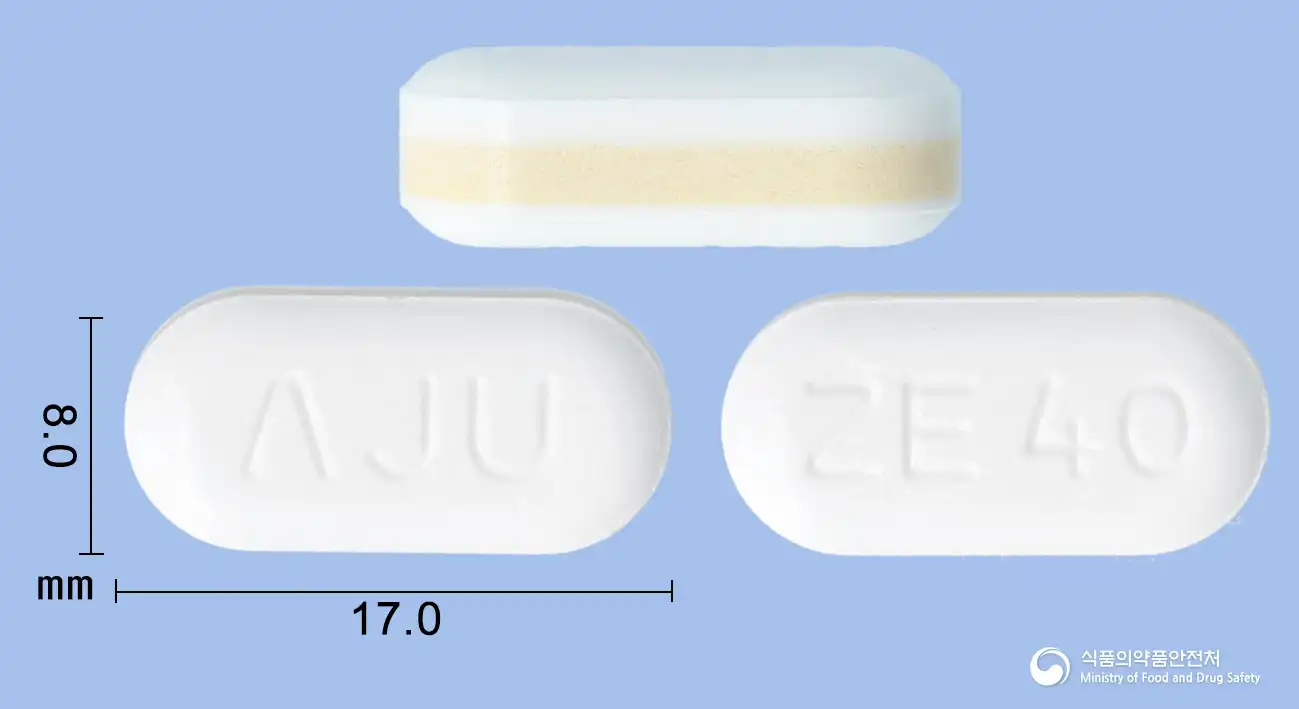 Combination
Omeprazole 40mg · Sodium Bicarbonate 760mg
Prescription medication · Combination
Aju Pharmaceutical Co., Ltd.
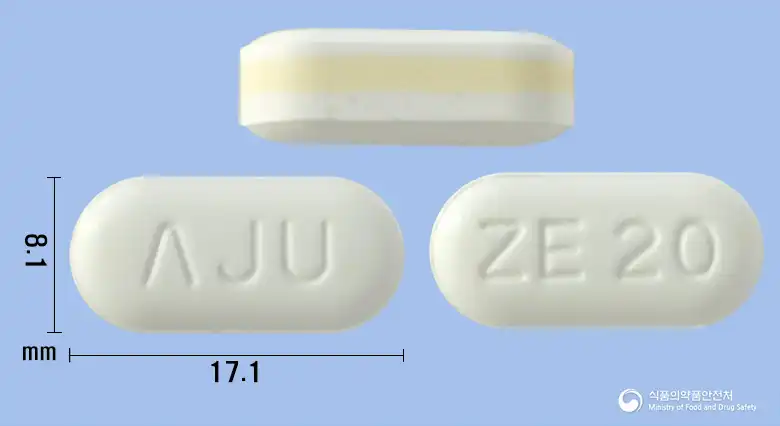 Combination
Omeprazole 20mg · Sodium Bicarbonate 760mg
Prescription medication · Combination
Aju Pharmaceutical Co., Ltd.
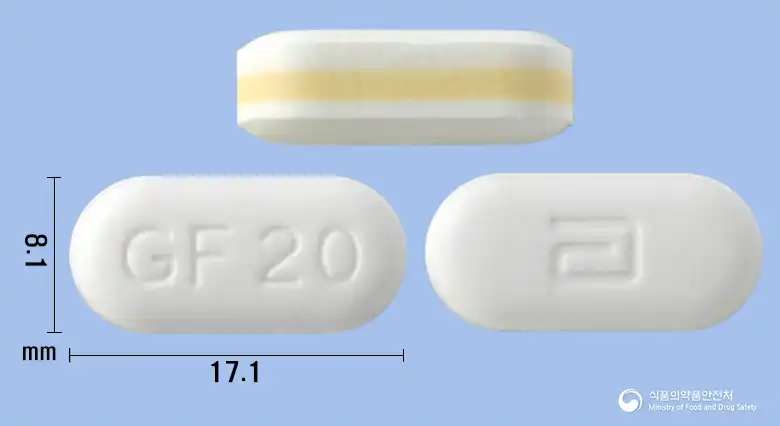 Combination
Omeprazole 20mg · Sodium Bicarbonate 760mg
Prescription medication · Combination
Korea Abbott Co., Ltd.
Even with the same ingredient, the dose and directions can differ by strength and dosage form. Talk to a doctor or pharmacist before switching from a medication you are already taking.
No questions yet.
For anything that needs medical judgment, consult a doctor or pharmacist.
This drug information is based on data provided by the Korea Ministry of Food and Drug Safety.
Consult a doctor or pharmacist for accurate dosage, administration, and usage instructions.