
 한국어
 English
 日本語
 中文(简体)
 Viewing now
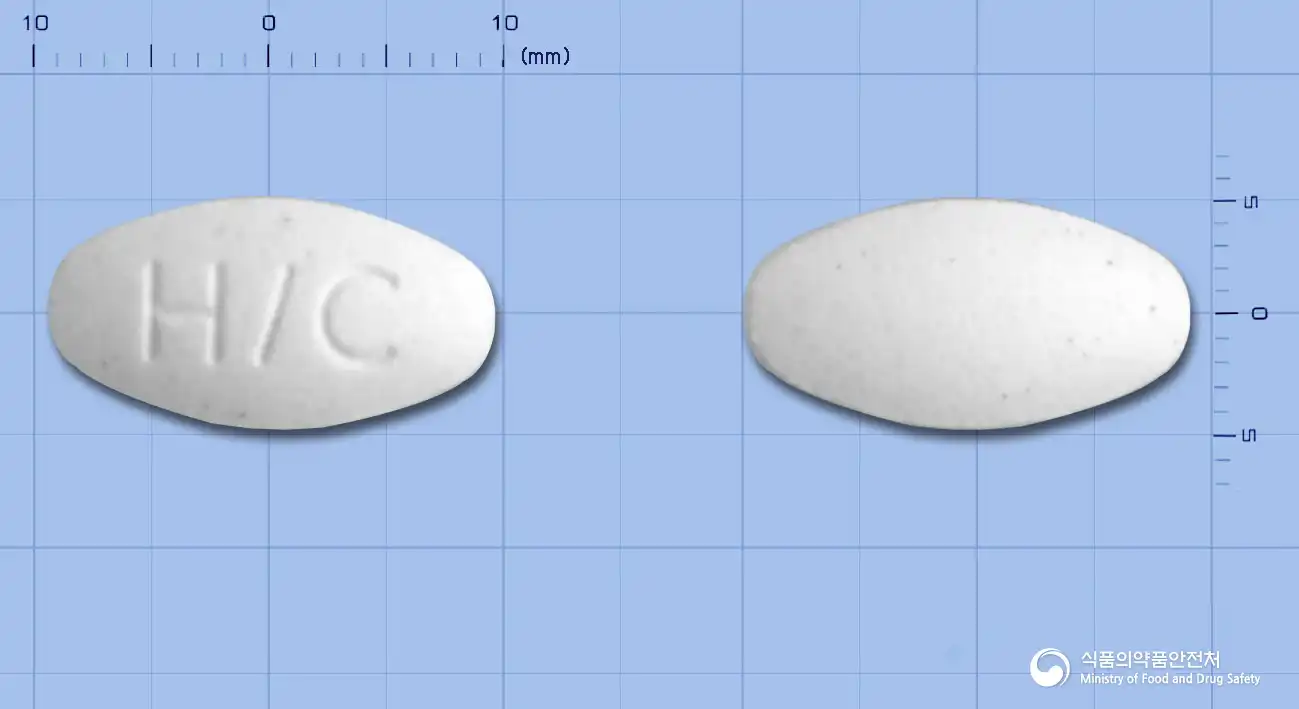
Hilcon Tablet (Polycarbophil Calcium)
Calcium Polycarbophil 625mg
Tablet · Prescription medication
Korea Pharma Co., Ltd.
MFDS item code 201503211 · Approved 2015.05.27 · Insurance code 653005660
Relief of constipation and diarrhea associated with irritable bowel syndrome, chronic constipation, and nonspecific diarrhea
This medication is used to relieve symptoms of constipation and diarrhea in chronic constipation, nonspecific diarrhea, and irritable bowel syndrome.
Administer this medicine orally with at least 250 mL of water or other liquid. Taking this medicine without sufficient liquid may cause choking (see Precautions for Use). ○ Adults: Administer 1,250 mg of calcium polycarbophil per dose orally 1 ~ 4 times daily. The dose may vary depending on diet, exercise, previous laxative use, or the pain associated with constipation. The recommended initial dose for adults is 1,250 ~ 2,500 mg daily, and may be increased to 5,000 mg daily. This medicine produces results within 12 ~ 72 hours. Do not take immediately before bedtime; allow at least 1 hour for digestion before going to bed.
○ Children (6 ~ 12 years): Administer 625 mg of calcium polycarbophil per dose orally 1 ~ 3 times daily. Children 6 years and younger should consult a doctor.
This medication should not be used in patients who have an allergy to this medication or its components, or have unexplained rectal bleeding. Additionally, it should be avoided in patients with severe dehydration, difficulty swallowing, or those who must remain lying down. Caution is also needed in patients with gastrointestinal diseases or acute abdominal conditions, as this medication may worsen symptoms. It should not be administered to patients with hypercalcemia, kidney stones, or severe renal failure, and caution is advised for patients experiencing severe abdominal pain, nausea, or vomiting. Patients who need to restrict calcium intake, those taking active forms of vitamin D, users of cardiac glycosides, or those with a history of gastric surgery or low gastric acid secretion should use this medication cautiously. Patients undergoing dialysis, those with mild renal failure, and individuals allergic to the caramel component in this medication also require caution. During the use of this medication, hypersensitivity reactions such as rash or itching may occur, so if these symptoms arise, discontinue use immediately and consult a physician. Additionally, gastrointestinal symptoms like nausea, vomiting, abdominal pain, diarrhea, constipation, as well as liver dysfunction, hypercalcemia, edema, and headache can occur as adverse reactions. Taking this medication without sufficient water increases the risk of obstruction in the throat or esophagus or choking, so it must be taken with water. If chest pain, vomiting, difficulty swallowing, or breathing difficulties occur after taking it, discontinue use immediately and consult a physician or pharmacist. This medication is symptomatic therapy; if symptoms do not improve after more than 7 days of use, stop taking it and consult a specialist. Long-term usage should be carefully monitored for any abnormalities. When taking this medication with other drugs, it may reduce the absorption of those drugs while staying in the intestines, so it is advisable to take other medications at least 2 hours apart. Special caution is needed when taken with tetracycline antibiotics or quinolone antimicrobial agents. Using this medication together with active forms of vitamin D may increase the risk of hypercalcemia, so caution is warranted. When taken with calcium preparations, consider the risk of excess calcium intake causing side effects or reduced efficacy. This medication should only be administered to pregnant women or those who may become pregnant when the therapeutic benefits outweigh the risks, and safety in pediatric patients has not been fully established. Elderly patients may require dose adjustments due to the higher risks of renal impairment and hypercalcemia. This medicine should be stored out of reach of children, in a cool, dry place, preferably in its original container, tightly sealed.
Not everyone experiences these, and they can vary from person to person.
This medication should be stored in a well-closed container that is airtight, at room temperature between 1 and 30 degrees Celsius. This helps maintain the medication's effectiveness and prevents degradation.
Light white oblong film-coated tablet with dark brown specks
30 tablets/bottle, 500 tablets/bottle
Even with the same ingredient, strength, dosage form and how it is taken can differ.
Viewing nowCalcium Polycarbophil 625mg
Tablet · Prescription medication
Korea Pharma Co., Ltd.
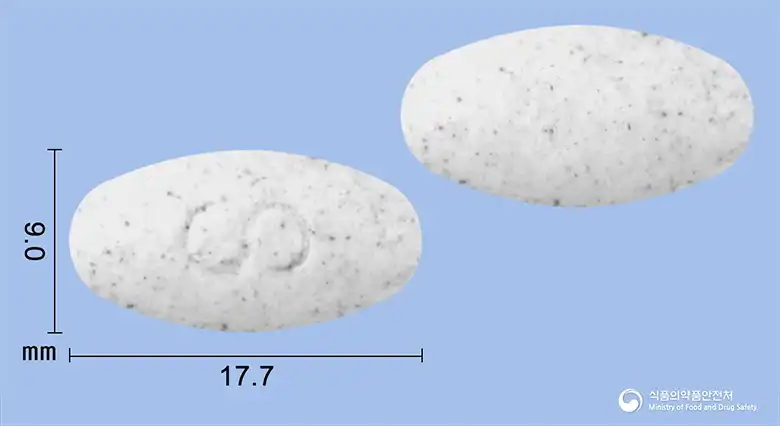
Calcium Polycarbophil 625mg
Tablet · Prescription medication
Myungmoon Pharmaceutical Co., Ltd.
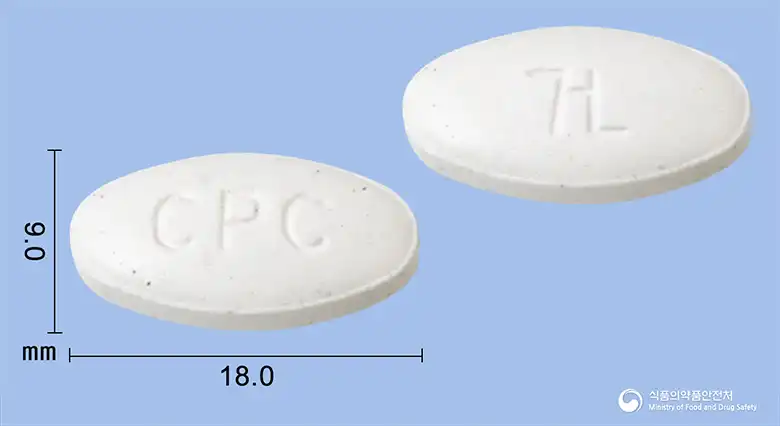
Calcium Polycarbophil 625mg
Tablet · Prescription medication
Geonil Pharmaceutical Co., Ltd.
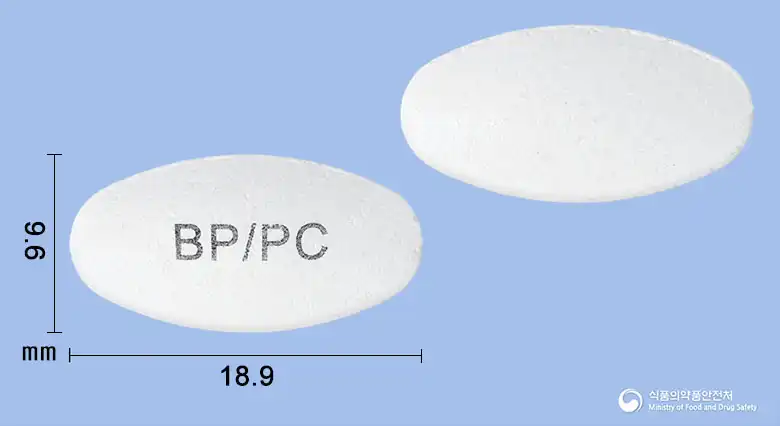
Calcium Polycarbophil 625mg
Tablet · Prescription medication
Genupharm Co., Ltd.
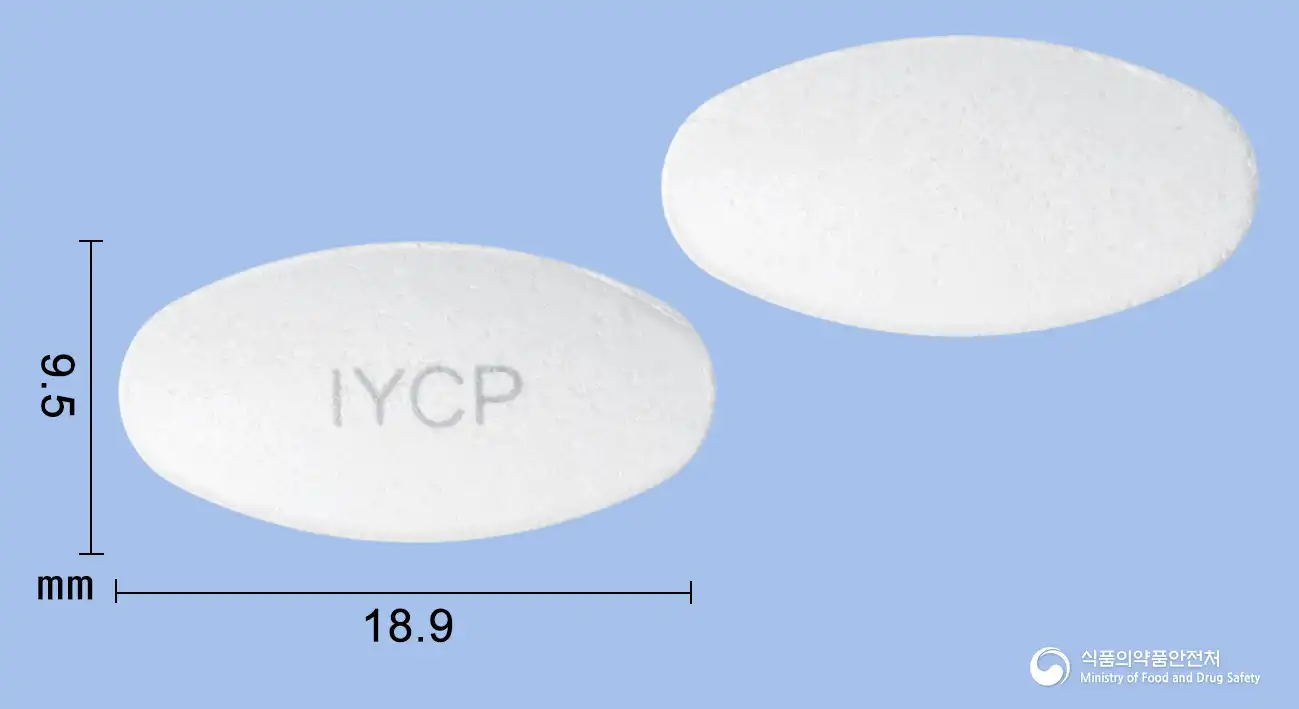
Calcium Polycarbophil 625mg
Tablet · Prescription medication
Il Yang Pharmaceutical Co., Ltd.
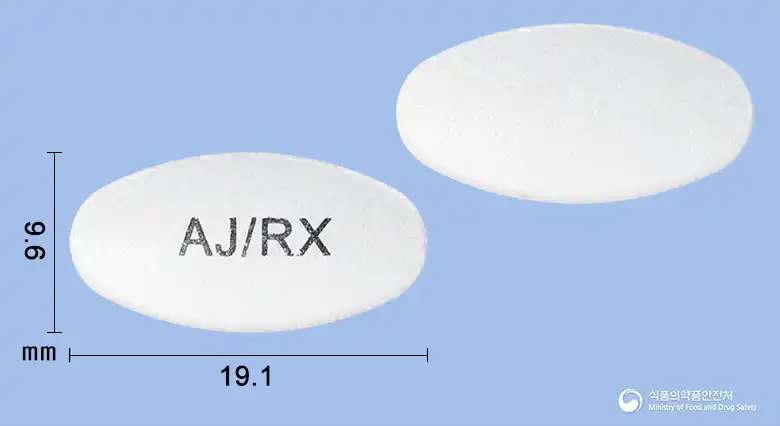
Calcium Polycarbophil 625mg
Tablet · Prescription medication
Ajou Pharmaceutical Co., Ltd.
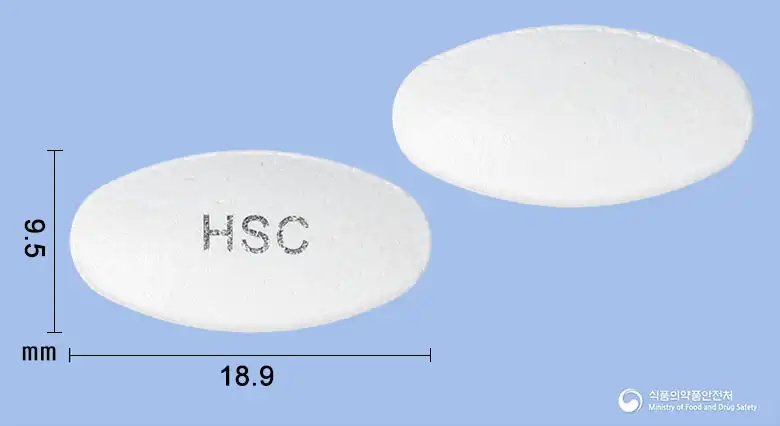
Calcium Polycarbophil 625mg
Tablet · Prescription medication
Heeon Pharmaceutical Co., Ltd.
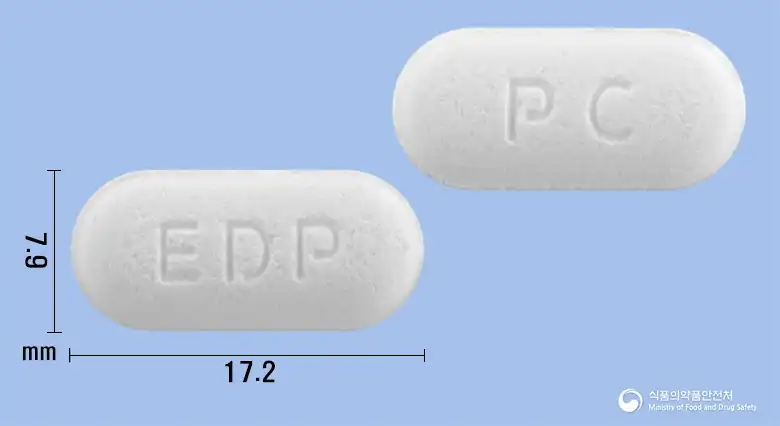
Calcium Polycarbophil 625mg
Tablet · Prescription medication
Eden Pharma Co., Ltd.
Even with the same ingredient, the dose and directions can differ by strength and dosage form. Talk to a doctor or pharmacist before switching from a medication you are already taking.
No questions yet.
For anything that needs medical judgment, consult a doctor or pharmacist.
This drug information is based on data provided by the Korea Ministry of Food and Drug Safety.
Consult a doctor or pharmacist for accurate dosage, administration, and usage instructions.