
 한국어
 English
 日本語
 中文(简体)
Summary
- Main use
- Treatment of hypothyroidism (e.g., myxedema), goiter, and chronic thyroiditis
- Who uses it
- Adults
- Adult dosage
- Adults: The initial dose of liothyronine sodium is 5-25㎍ per day, and it is gradually increased at 1-2 week intervals to a maintenance dose of 25-75㎍ per day. However, the dose should be adjusted according to age and symptoms.
Ingredients
- Manufacturer
- Darim Biotech Co., Ltd.
Efficacy & effects
Treatment of hypothyroidism (e.g., myxedema), goiter, and chronic thyroiditis
- Hypothyroidism
- myxedema
- cretinism
- simple goiter
- nodular goiter
- chronic thyroiditis
View approved original textHide original text
This medication is used to treat thyroid-related diseases such as hypothyroidism, myxedema, and cretinism, as well as chronic thyroiditis.
Dosage and Administration
Adult dosage
Adults: The initial dose of liothyronine sodium is 5-25㎍ per day, and it is gradually increased at 1-2 week intervals to a maintenance dose of 25-75㎍ per day. However, the dose should be adjusted according to age and symptoms.
Precautions
This medication should not be used by individuals with normal thyroid function for weight loss purposes. It is particularly dangerous to take it with sympathomimetic drugs that suppress appetite, as this can lead to serious side effects. Patients with heart problems, hyperthyroidism, or adrenal insufficiency should not use this medication. Patients with cardiovascular diseases, adrenal insufficiency, diabetes, elderly patients, etc., should use this medication cautiously and it is important to gradually increase the dose and maintain it at the minimum effective amount. In case of overdose, symptoms such as an increased or irregular heartbeat, anxiety, tremors, gastrointestinal disturbances, etc., may occur, and if these symptoms appear, the dosage should be reduced or treatment should be stopped immediately. This medication can cause liver dysfunction or allergic reactions, so if symptoms such as rash or jaundice occur, you should consult a doctor immediately. Patients with hypothyroidism should start with a low dose and gradually increase it, and diabetic patients should closely monitor their blood sugar levels. Due to numerous interactions with other drugs, particularly anticoagulants, sympathomimetics, cardiac glycosides, and antidiabetic agents, it should be taken under the guidance of a professional. The use of this medication by pregnant or breastfeeding women should be carefully considered, and a doctor should be consulted if necessary. In newborns or children, early diagnosis and treatment are important, and elderly individuals should start with a low dose due to decreased metabolic function. In case of overdose, rapid emergency treatment is required including inducing vomiting, gastric lavage, inhibiting drug absorption, and administering beta-blockers. This medication can rarely cause severe shock or congestive heart failure, so any unusual symptoms should be reported to medical personnel immediately.
Side effects
Palpitations, increased heart rate, arrhythmia, angina, congestive heart failure, tremors, insomnia, headache, dizziness, sweating, nervousness, excitement, anxiety, various psychiatric symptoms including mania and depression, convulsions, loss of appetite, vomiting, diarrhea, abdominal cramps, myalgia, menstrual disorders, weight loss, weakness, flushing of the skin, rash, liver dysfunction, jaundice, general malaise, hypotension, decreased urine output, shortness of breath, pupil dilation, hypercalciuria in children, increased paroxysmal excitement, shock
Not everyone experiences these, and they can vary from person to person.
Storage
This medication should be stored in a tightly sealed container that can block light, ideally at room temperature between 1 to 30 degrees Celsius. Storing it this way ensures the safety and efficacy of the medication.
Appearance and packaging
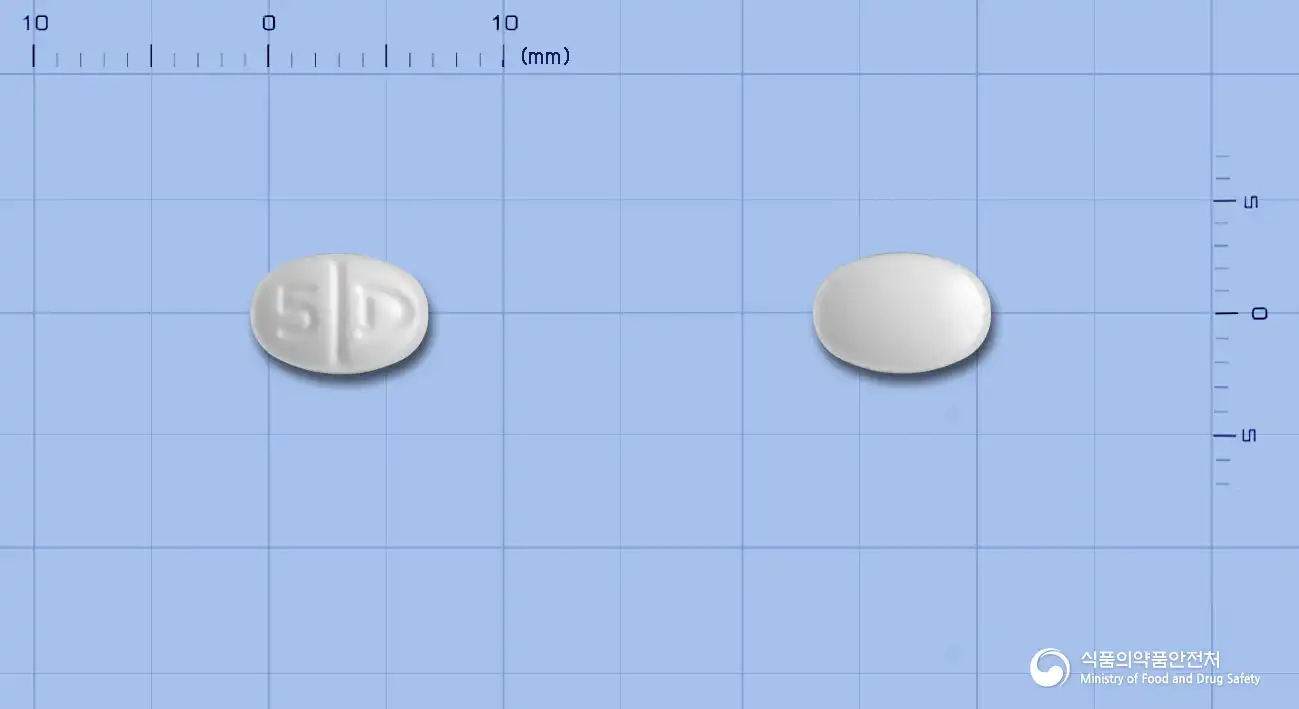
Appearance
White oval tablet
Package unit
Bottle - 30 tablets/bottle, Bottle - 300 tablets/bottle
Questions about this medicine
No questions yet.
For anything that needs medical judgment, consult a doctor or pharmacist.