
 한국어
한국어 English
 日本語
日本語 中文(简体)
 Viewing now
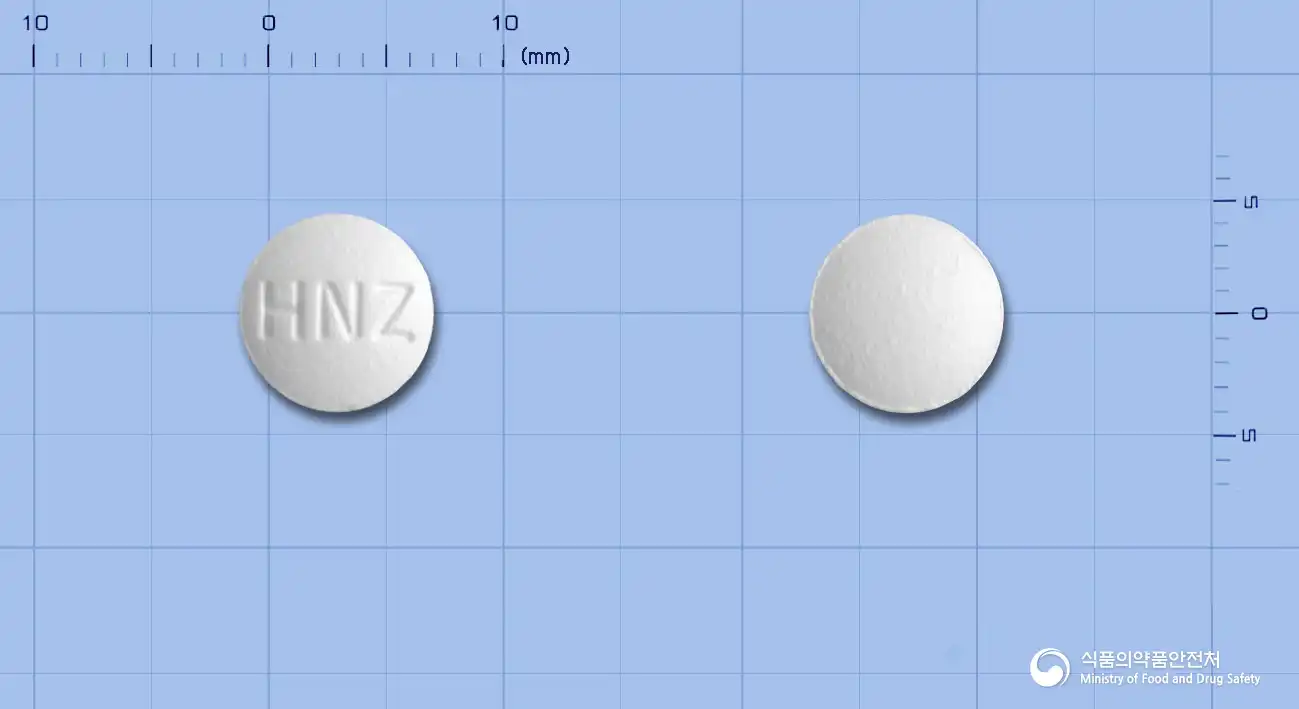
Huniz Acetylcysteine Tablet
Aceclofenac 100mg
Tablet · Prescription medication
Huons Meditech Co., Ltd.
MFDS item code 201502927 · Approved 2015.05.14 · Insurance code 670400900
Relief of inflammation and pain associated with rheumatoid arthritis, ankylosing spondylitis, etc.
This medication is used for joint diseases such as rheumatoid arthritis, ankylosing spondylitis, and osteoarthritis, as well as for periarthritis of the scapula-humeral joint. It is also effective in relieving pain caused by non-articular rheumatism such as toothaches, inflammation after trauma, lower back pain, and sciatica. This drug helps reduce inflammation and pain, improving patient discomfort. Overall, it is used for inflammatory diseases of the joints and surrounding tissues.
Adults: Take 100 mg of acetylcysteine every 12 hours, 2 times a day. Patients with liver impairment: Initial dose of 100 mg per day. This medication should be taken whole and not chewed or crushed. Adjust dosage as needed based on symptoms. To minimize cardiovascular adverse effects, it should be administered at the lowest effective dose for the shortest duration.
Patients who regularly consume more than three alcoholic beverages per day should consult a doctor or pharmacist before taking this medication. Consuming alcohol while taking this medication may increase the risk of gastrointestinal bleeding. This drug can elevate the risks concerning the cardiovascular and cerebrovascular systems. Patients with risk factors such as heart disease, hypertension, diabetes, or smoking should use this medication cautiously and try to take it for the shortest duration at the minimum effective dose. Serious gastrointestinal issues like bleeding, ulcers, or perforations can occur with this medication, so patients with a history of gastrointestinal disease or the elderly should be especially cautious. Patients with active peptic ulcers or bleeding, those allergic to this drug or similar medications, asthma or heart failure patients, women in late pregnancy, and breastfeeding mothers should not take this medication. Patients with weak renal or liver function, hypertensive patients, the elderly, or asthma patients should be carefully monitored under a doctor's guidance while taking this medication. Various side effects such as dizziness, skin rash, dyspepsia, liver dysfunction, and kidney problems may occur while taking this medication, so if any abnormal symptoms arise, one should immediately consult healthcare professionals. This medication may interact with other drugs, so especially if you are taking digoxin, anticoagulants, diabetes medications, diuretics, lithium, methotrexate, etc., you should consult with a doctor. Women who are pregnant or planning to become pregnant should avoid taking this medication, and breastfeeding women should also consult a professional before taking it. Safety for children and adolescents has not been established, so use is not recommended. Elderly patients have a higher risk of side effects such as gastrointestinal bleeding and should be especially cautious when taking this medication. In cases of overdose, symptoms such as gastrointestinal irritation, hypotension, respiratory depression, or seizures may occur, and immediate medical attention should be sought. This medication should be kept out of reach of children, and transferring it to other containers should be avoided.
Hives, severe swelling (edema), chest tightness, difficulty breathing, shock, anaphylactic reaction, severe rash with high fever, blisters, skin peeling, mucosal pain in mouth/eyes, Stevens-Johnson syndrome, toxic epidermal necrolysis, difficulty breathing or shortness of breath, asthma attacks, respiratory issues accompanied by cough and fever, jaundice (yellowing of skin or eyes), extreme lethargy, liver abnormalities
Not everyone experiences these, and they can vary from person to person.
This medication may be sensitive to air or moisture, so it should be stored in a tightly sealed container. It is best to maintain the storage temperature between 1 degree and 30 degrees Celsius at room temperature. This will help maintain the drug's effectiveness and safety over time.
White round film-coated tablet
30 tablets/bottle, 500 tablets/bottle
Even with the same ingredient, strength, dosage form and how it is taken can differ.
Viewing nowAceclofenac 100mg
Tablet · Prescription medication
Huons Meditech Co., Ltd.
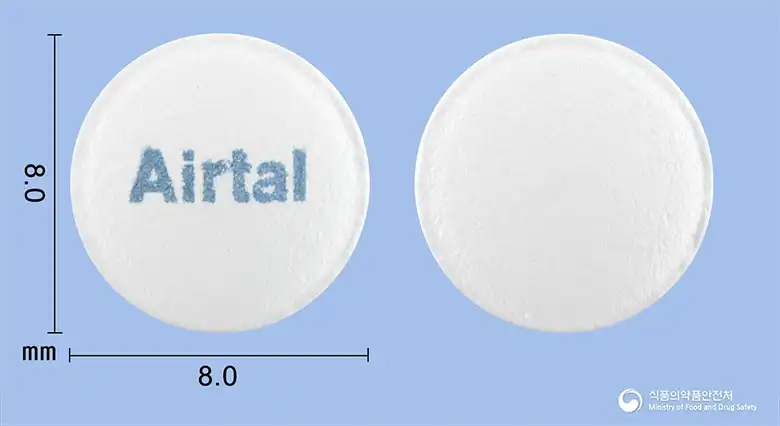
Aceclofenac 100mg
Tablet · Prescription medication
Daewoong Pharmaceutical Co., Ltd.
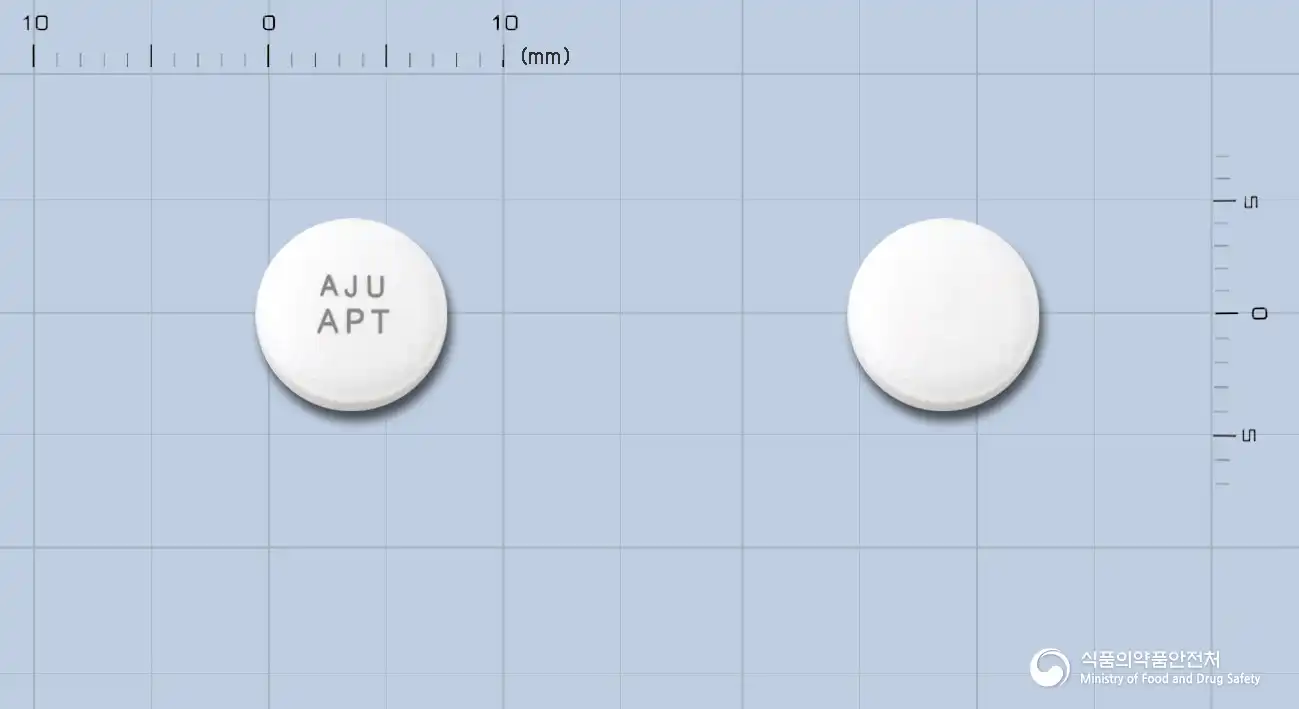
Aceclofenac 100mg
Tablet · Prescription medication
Aju Pharm Co., Ltd.
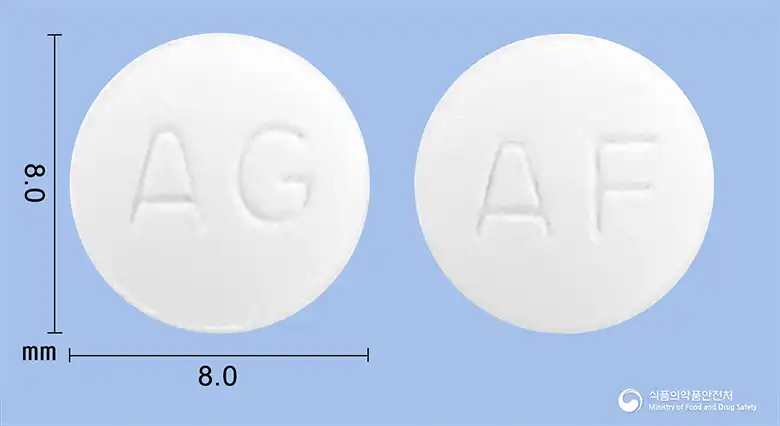
Aceclofenac 100mg
Tablet · Prescription medication
Angkuk Pharmaceutical Co., Ltd.
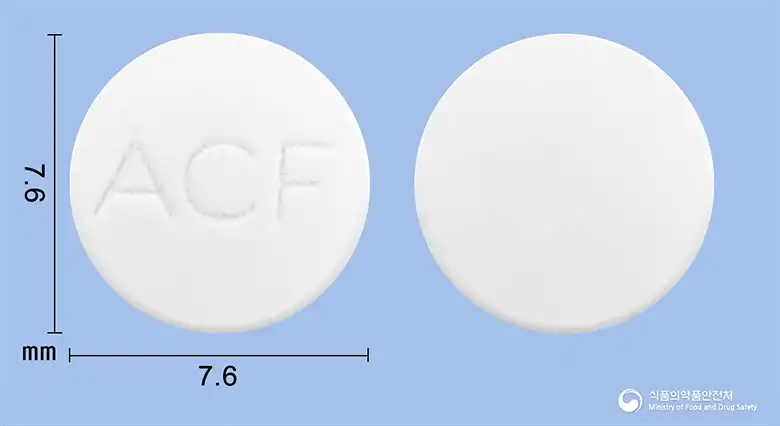
Aceclofenac 100mg
Tablet · Prescription medication
Dong-A ST Co., Ltd.
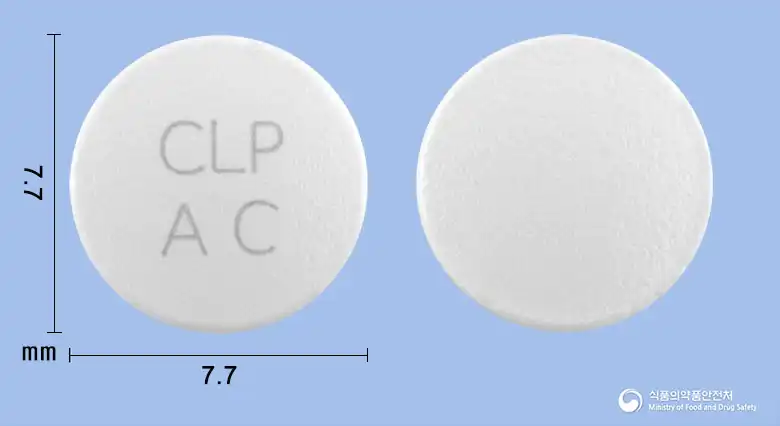
Aceclofenac 100mg
Tablet · Prescription medication
Celltrion Pharmaceutical Co., Ltd.
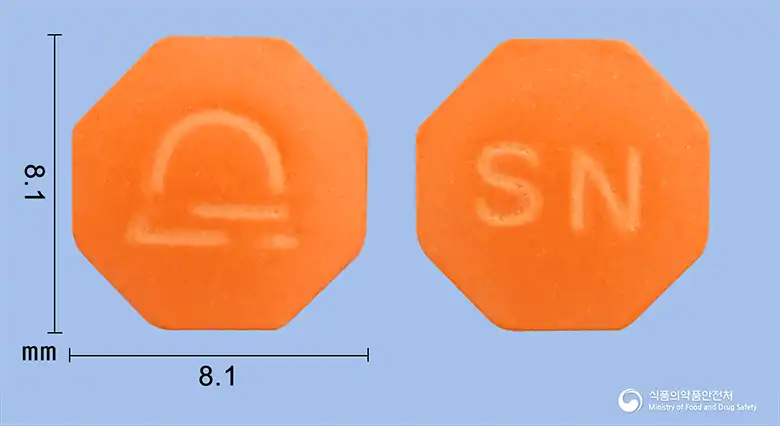
Aceclofenac 100mg
Tablet · Prescription medication
Daewon Pharmaceutical Co., Ltd.
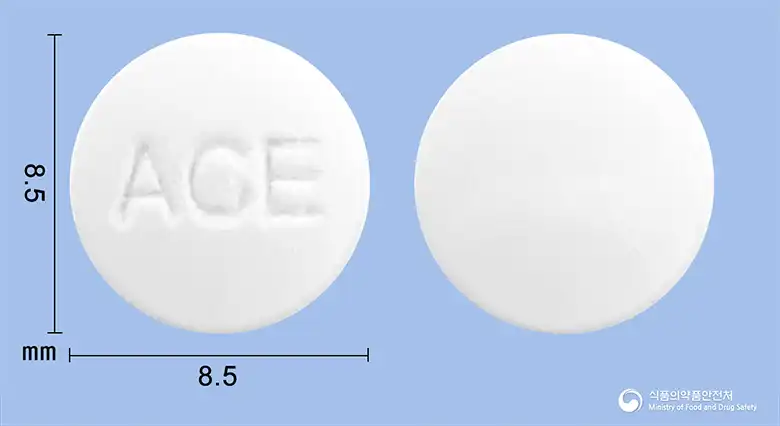
Aceclofenac 100mg
Tablet · Prescription medication
Kyungdong Pharmaceutical Co., Ltd.
Even with the same ingredient, the dose and directions can differ by strength and dosage form. Talk to a doctor or pharmacist before switching from a medication you are already taking.
No questions yet.
For anything that needs medical judgment, consult a doctor or pharmacist.
This drug information is based on data provided by the Korea Ministry of Food and Drug Safety.
Consult a doctor or pharmacist for accurate dosage, administration, and usage instructions.