
 한국어
한국어 English
 日本語
日本語 中文(简体)
 Viewing now
Cephalosporin Capsule 250 mg (Cefaclor Hydrate)
Cefaclor Hydrate 250mg
Hard capsule · Prescription medication
Iksu Pharmaceutical Co., Ltd.
MFDS item code 201502806 · Approved 2015.05.11 · Insurance code 658501730
Treatment of otitis media, respiratory infections (pneumonia, pharyngitis), and urinary tract infections (pyelonephritis, cystitis)
This medicine is effective against various bacteria including Streptococcus pneumoniae, Influenza, and Staphylococcus, and is used for respiratory infections such as otitis media, pneumonia, pharyngitis, tonsillitis, and bronchitis. It can also be administered for urinary infections such as pyelonephritis, cystitis, and gonococcal urethritis. It helps treat skin and soft tissue infections including boils, abscesses, folliculitis, soft tissue infections, infectious gangrene, subcutaneous abscesses, skin infections, and wound infections. It is used to improve these various bacterial and infectious conditions.
As Cefaclor hydrate, administer 250 mg (potency) orally every 8 hours. In cases of severe infections (such as pneumonia) or low susceptibility infections, the dosage can be doubled. For acute gonococcal urethritis, administer 3 g of this medication combined with 1 g of probenecid in a single dose.
Administer 20 mg/kg (potency) divided every 8 hours. In cases of severe infections, otitis media, or when sensitivity is low, administer up to 40 mg/kg (potency) daily, with a maximum dosage of
This medication works by binding to certain proteins and interfering with bacterial cell wall synthesis, thus killing bacteria. People who have experienced severe allergic reactions or shock in the past should not use this medication. Additionally, individuals who have had allergic reactions to this medication or similar classes of antibiotics should not be administered this drug. This medication contains lactose; therefore, individuals with genetic disorders that prevent lactose digestion should not take it. Those with allergies to penicillin antibiotics must be cautious when using this medication. If a person is prone to allergic reactions such as bronchial asthma, skin rashes, or hives, this medication should be used with caution. Patients with severely impaired kidney function need special caution when this medicine is administered. Elderly patients, patients who are not eating well or receiving parenteral nutrition, and patients in poor general condition should be closely monitored for vitamin K deficiency symptoms. Use this medication with caution in patients with a previous history of gastrointestinal diseases, especially colitis. This medication can rarely cause severe shock or anaphylaxis, so symptoms should be carefully monitored during administration. Severe skin reactions such as rashes, blisters, and skin peeling may occur, and if such symptoms appear, the medication should be discontinued immediately and medical attention sought. Blood tests may show abnormalities, such as a decrease in white blood cells or platelets, so regular check-ups are necessary to monitor the condition. Liver function abnormalities or hepatitis symptoms can occur rarely, so liver status should be checked periodically. This medication may affect kidney function, hence regular kidney function tests should be conducted, and administration should stop if abnormalities are found. Gastrointestinal side effects such as abdominal pain, diarrhea, nausea, or vomiting may sometimes occur; if severe colitis is suspected, the medication should be stopped immediately. Respiratory issues, including interstitial pneumonia or eosinophilic lung infiltration, can rarely occur, so if symptoms like difficulty breathing arise, immediate medical attention should be required. The central nervous system might be affected, leading to symptoms such as anxiety, restlessness, insomnia, dizziness, or hallucinations; thus, caution is necessary if these symptoms occur. Oral inflammation or Candida infections can rarely occur. Vitamin K deficiency may lead to a tendency for bleeding, and symptoms related to vitamin B deficiency are also rarely reported, so it is advisable to periodically check vitamin status. When using this medication, it is best to restrict usage to the necessary duration to prevent the emergence of resistant bacteria and only administer it when sensitivity has been confirmed. Care should be taken when combining this medication with other drugs, especially probenecid, antacids, nephrotoxic drugs, anticoagulants, and oral contraceptives. Pregnant women or those who may become pregnant should use this medication only when the benefits outweigh the risks, and breastfeeding women should also use it cautiously. Its safety and efficacy have not been established in newborns under one month of age, and it is advisable to avoid its use in this age group. Older patients with decreased physiological functions may easily manifest adverse reactions, thus necessitating careful adjustment of dosage and dosing intervals.
Not everyone experiences these, and they can vary from person to person.
This medication may be light-sensitive; therefore, it should be stored in a tightly closed container that blocks light. Additionally, the medication should be stored at room temperature, between 1 to 30 degrees Celsius, for safe use.
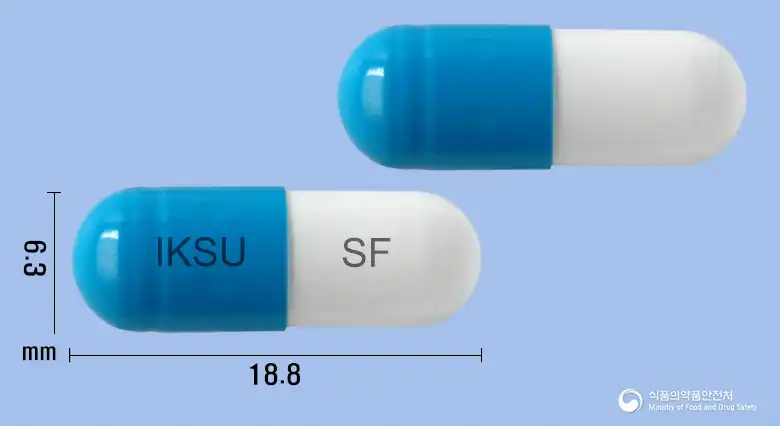
A capsule with light yellow powder filled in a blue opaque upper part and a white opaque lower part.
30 capsules/bottle, 300 capsules/bottle
Even with the same ingredient, strength, dosage form and how it is taken can differ.
Viewing nowCefaclor Hydrate 250mg
Hard capsule · Prescription medication
Iksu Pharmaceutical Co., Ltd.

Cefaclor Hydrate 250mg
Hard capsule · Prescription medication
Ildong Pharmaceutical Co., Ltd.

Cefaclor Hydrate 250mg
Hard capsule · Prescription medication
Kolon Pharmaceutical Co., Ltd.
Cefaclor Hydrate 3.75g
Syrup · Prescription medication
Youngjin Pharmaceutical Co., Ltd.

Cefaclor Hydrate 250mg
Hard capsule · Prescription medication
Shinil Pharmaceutical Co., Ltd.
Cefaclor Hydrate 250mg
Hard capsule · Prescription medication
Hanmi Pharmaceutical Co., Ltd.
Cefaclor Hydrate 2.5g
Syrup · Prescription medication
Hanmi Pharmaceutical Co., Ltd.
Cefaclor Hydrate 3.75g
Syrup · Prescription medication
Shinpoong Pharmaceutical Co., Ltd.
Even with the same ingredient, the dose and directions can differ by strength and dosage form. Talk to a doctor or pharmacist before switching from a medication you are already taking.
No questions yet.
For anything that needs medical judgment, consult a doctor or pharmacist.
This drug information is based on data provided by the Korea Ministry of Food and Drug Safety.
Consult a doctor or pharmacist for accurate dosage, administration, and usage instructions.