
 한국어
한국어 English
 日本語
日本語 中文(简体)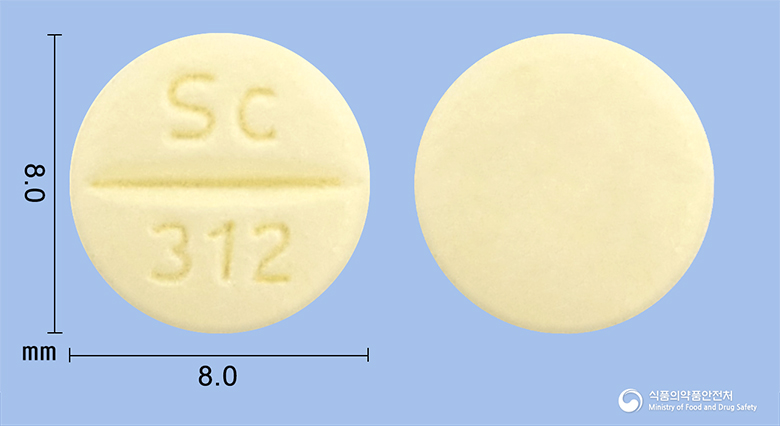
Summary
- Main use
- Improves blood sugar control in type 2 diabetes
- Who uses it
- Adults
- Adult dosage
- This medication is administered as a monotherapy or in combination therapy, 100mg twice daily in the morning and evening. It can be taken regardless of meals. For patients with mild to moderate renal impairment, dosage adjustment is not necessary. For patients with severe renal impairment or end-stage renal disease, a single dose of 100mg once daily is recommended. Patients with end-stage renal disease can be administered this medication regardless of haemodialysis timing.
Ingredients
- Manufacturer
- 제이더블유중외제약(주)
Efficacy & effects
Improves blood sugar control in type 2 diabetes
View approved original textHide original text
This medication is used to help control blood sugar levels in patients with type 2 diabetes. It can be taken as an adjunct to meal and exercise therapy, and can be used alone or in combination with other medications. Through this, blood sugar levels can be effectively improved.
Dosage and Administration
Adult dosage
This medication is administered as a monotherapy or in combination therapy, 100mg twice daily in the morning and evening. It can be taken regardless of meals. For patients with mild to moderate renal impairment, dosage adjustment is not necessary. For patients with severe renal impairment or end-stage renal disease, a single dose of 100mg once daily is recommended. Patients with end-stage renal disease can be administered this medication regardless of haemodialysis timing.
Precautions
This medication should not be administered to patients who are allergic to the active ingredient or other components. It is not appropriate for patients with diabetic ketoacidosis, coma, or type 1 diabetes as insulin is needed to rapidly control blood sugar in these cases. Patients with severe infections, or those undergoing surgery or severe trauma, should also avoid this medication since insulin injections may be required. Patients with very poor kidney function or end-stage renal patients undergoing dialysis should exercise caution when using this medication. It should be administered carefully when used in conjunction with other medications that stimulate insulin secretion or insulin itself. Patients at high risk of hypoglycemia, such as those with pituitary or adrenal dysfunction, poor nutritional status or irregular eating habits, those engaging in strenuous exercise, or who consume excessive alcohol should also be cautious. Patients with severely impaired liver function or heart failure should also use this medication with care, especially in cases of severe heart failure where it is not recommended. Caution is warranted for patients with a history of acute pancreatitis, abdominal surgery, or intestinal obstruction. During the use of this medication, symptoms of hypoglycemia may occur, and there may be an increased risk of hypoglycemia when used in conjunction with sulfonylureas, necessitating a dosage adjustment. If symptoms of hypoglycemia occur, sugary foods should be consumed immediately, and glucose administration may be necessary if used with certain medications. Additionally, if symptoms of intestinal obstruction arise, such as abdominal pain, abdominal distension, or vomiting, the medication should be discontinued immediately and medical treatment sought. This medication may cause various side effects such as constipation, diarrhea, gastritis, abdominal pain, skin rash, liver function abnormalities, dizziness, anemia, etc., so consultation with a physician is advised if symptoms are severe. Women who are pregnant or breastfeeding should avoid taking this medication and should stop immediately if pregnancy is confirmed. In the case of children or the elderly, special caution is necessary as safety and efficacy have not been sufficiently established. In the case of overdose, gastric evacuation should be performed and the condition should be monitored, including an electrocardiogram, with appropriate treatment implemented as necessary. This medication should be stored out of reach of children and kept in its original container. Transferring to another container could lead to accidents or degradation in quality.
Side effects and when to seek care immediately
Serious side effects
- Hives, severe swelling, tightness in the chest, difficulty breathing, cold sweat, pallor, severe allergic reaction
- Severe rash with high fever, blistering, skin peeling, pain in the mucous membranes of mouth/eyes, severe cutaneous adverse reaction
- Shortness of breath or difficulty breathing, asthma attacks, respiratory abnormalities associated with cough and fever
- Yellowing of the skin or eyes, profound lethargy, liver abnormalities (jaundice)
- Sudden and very severe headache, thunderclap headache, vomiting
Mild side effects
- Constipation
- hypoglycemia
- positive stool occult blood
- pharyngitis
- upper respiratory infection
- gastritis
- abdominal pain
- diarrhea
- indigestion
- dizziness
Show 22 moreCollapse
- headache
- low back pain
- musculoskeletal pain
- anemia
- increased white blood cell count
- edema
- elevated blood uric acid
- increased serum creatinine
- renal cyst
- soft tissue inflammation
- drowsiness
- joint pain
- hyperglycemia
- deterioration of diabetes
- malaise
- gastroesophageal reflux disease
- indigestion
- elevated blood amylase
- nausea and vomiting
- enteritis
- bloating
- peptic ulcer
Not everyone experiences these, and they can vary from person to person.
Storage
This medication should be stored in a tightly sealed container to prevent exposure to air or moisture. It is best to maintain a storage temperature of between 1 and 30 degrees Celsius at room temperature.
Appearance and packaging
Appearance
Light yellow round film-coated tablet
Package unit
60 tablets/bottle, 60 tablets (10 tablets/PTPx6)
Questions about this medicine
No questions yet.
For anything that needs medical judgment, consult a doctor or pharmacist.