
 한국어
한국어 English
 日本語
日本語 中文(简体)
Dosage form image
Viewing nowCombinationCotonition 10/50 mg
Amlodipine Besylate · Losartan Potassium
Prescription medication · Combination
JW Pharmaceutical Co., Ltd.
MFDS item code 201502709 · Approved 2015.04.30
This product's status changed to Approval withdrawn on 2023.06.02. It may no longer be sold, so consult a doctor or pharmacist before taking it.
Improvement in blood pressure control for essential hypertension and stage 2 hypertension
This medication is used in patients with essential hypertension who do not achieve sufficient blood pressure control with either amlodipine or losartan monotherapy. It is also used as an initial treatment in stage 2 hypertension patients who require combination therapy to reach target blood pressure. This medication effectively aids in blood pressure control and contributes to reducing the risk of cardiovascular diseases.
The recommended dosage is one tablet once daily, taken with water, regardless of meals. It is recommended to take it at the same time each day (e.g., in the morning). Typically, 5/50 mg of this medication is administered once daily, and if blood pressure is not adequately controlled after 2 weeks of treatment, the dose may be increased to 10/50 mg once daily.
The safety and efficacy of this medication in pediatric patients under 18 years of age have not been established; thus, its use is not recommended.
This medication can cause serious harm to the fetus if taken during pregnancy, particularly in the second and third trimesters; therefore, it should be discontinued immediately upon confirmation of pregnancy. Pregnant women taking this medication should be cautious due to risks such as impaired fetal kidney function, oligohydramnios, and the potential for congenital abnormalities. Patients with reduced effective blood volume, such as those on diuretics, should stabilize their condition before taking this medication, and it may be better not to administer this medication. Patients with hypersensitivity to this medication or severe hepatic impairment, severe aortic stenosis, or in a state of shock should avoid taking it. Due to the blood pressure-lowering effect, dizziness or drowsiness may occur, so avoid driving or operating hazardous machinery. This medication should be administered cautiously to elderly patients or those with significantly impaired kidney function, as there is a risk of elevated potassium levels when combined with potassium-sparing agents. Regular monitoring of blood pressure, kidney function, and electrolyte levels during treatment is important. In case of overdose, severe hypotension and tachycardia may occur, requiring immediate medical attention. It is safest for children, pregnant women, and nursing mothers not to take this medication. Taking this medication with grapefruit juice may increase blood concentration; therefore, it is advisable to avoid this combination. While on this medication, consult healthcare professionals if taking other antihypertensives, as this may excessively enhance blood pressure-lowering effects.
Rash, severe swelling (edema), chest tightness, difficulty breathing, cold sweat, pallor, angioedema (swelling of larynx/glottis leading to airway obstruction, swelling of face/lips/pharynx/tongue), vasculitis (Henoch-Schönlein purpura), anaphylactic reaction, severe rash with high fever, blistering, peeling skin, oral/ocular mucosal pain, acute hepatitis, fulminant hepatitis, yellowing of the skin (jaundice), etc.
Not everyone experiences these, and they can vary from person to person.
This medication may be sensitive to air and moisture, so it should be stored in a tightly sealed container. Additionally, it is recommended to store it at room temperature between 1 to 30 degrees Celsius, avoiding extremely hot or cold places.
Pale pink, oblong film-coated tablet
30 tablets/bottle
Even with the same ingredient, strength, dosage form and how it is taken can differ.
Amlodipine Besylate · Losartan Potassium
Prescription medication · Combination
JW Pharmaceutical Co., Ltd.
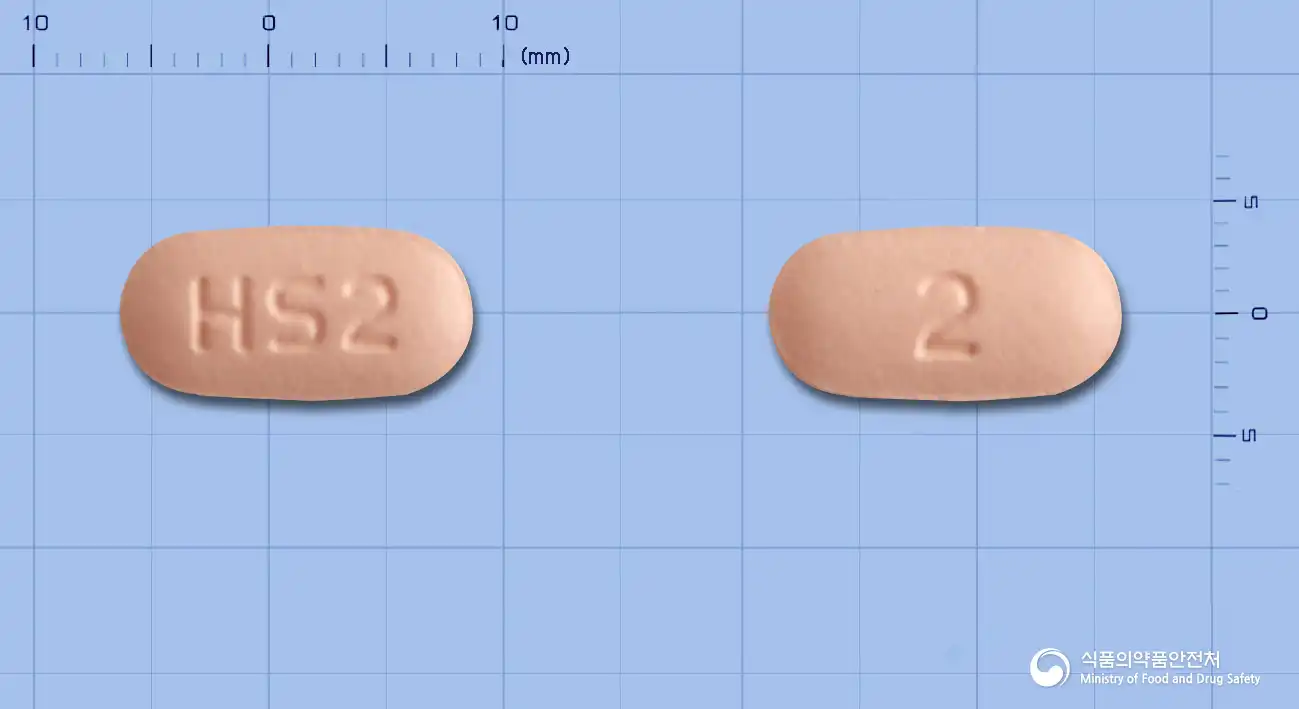 Combination
Amlodipine Besylate 6.944mg · Losartan Potassium 100mg
Tablet · Prescription medication · Combination
Huwons Co., Ltd.
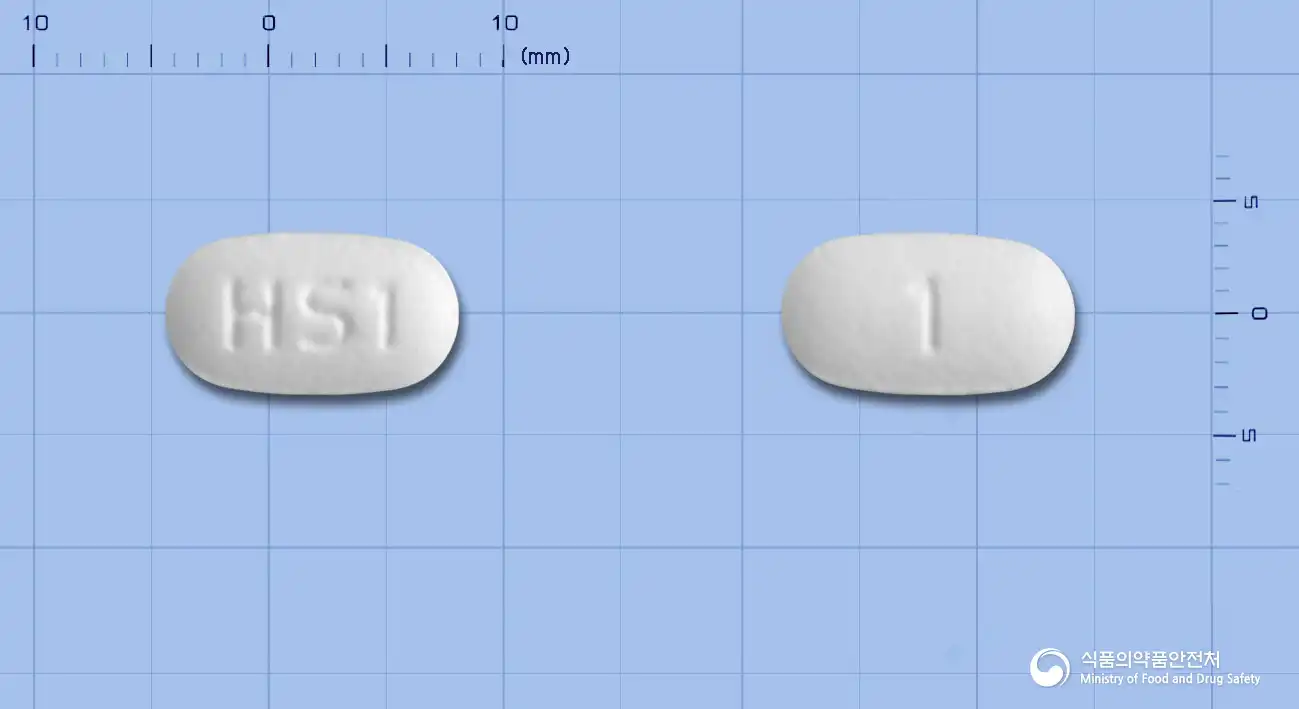 Combination
Amlodipine Besylate 6.944mg · Losartan Potassium 50mg
Tablet · Prescription medication · Combination
Huons Co., Ltd.
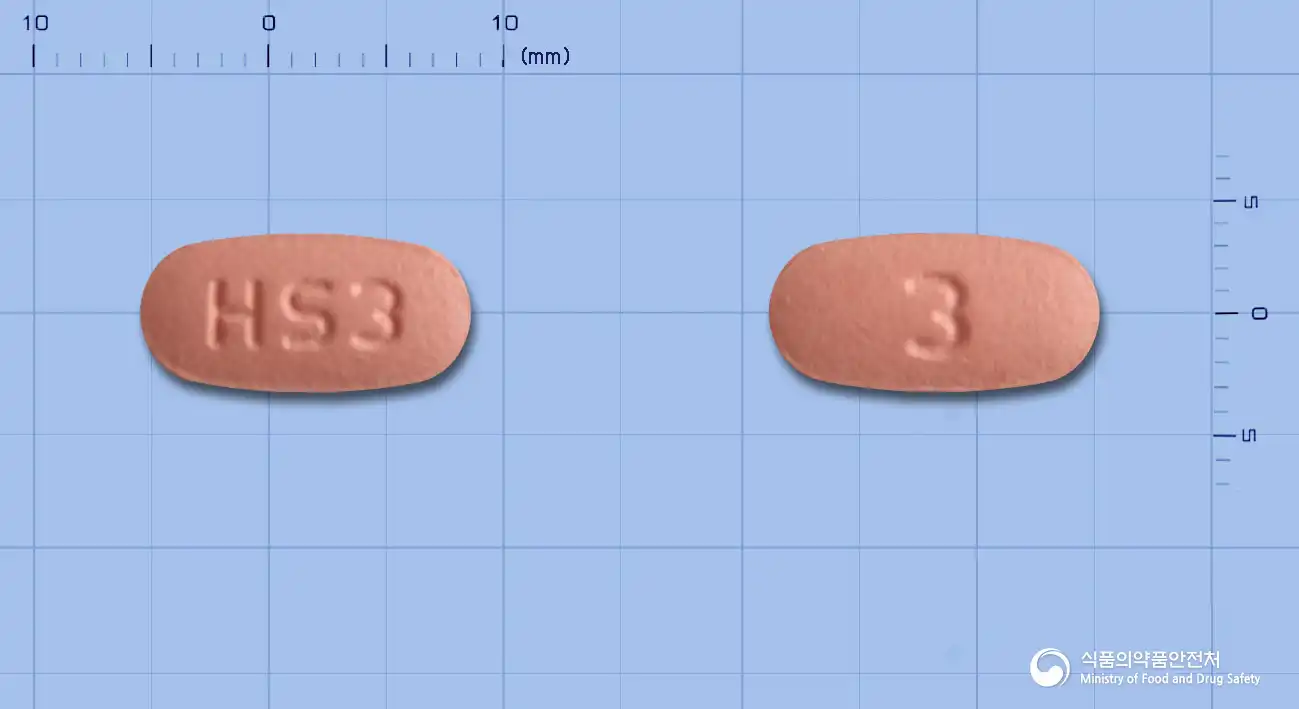 Combination
Amlodipine Besylate 13.888mg · Losartan Potassium 50mg
Tablet · Prescription medication · Combination
Huons Co., Ltd.
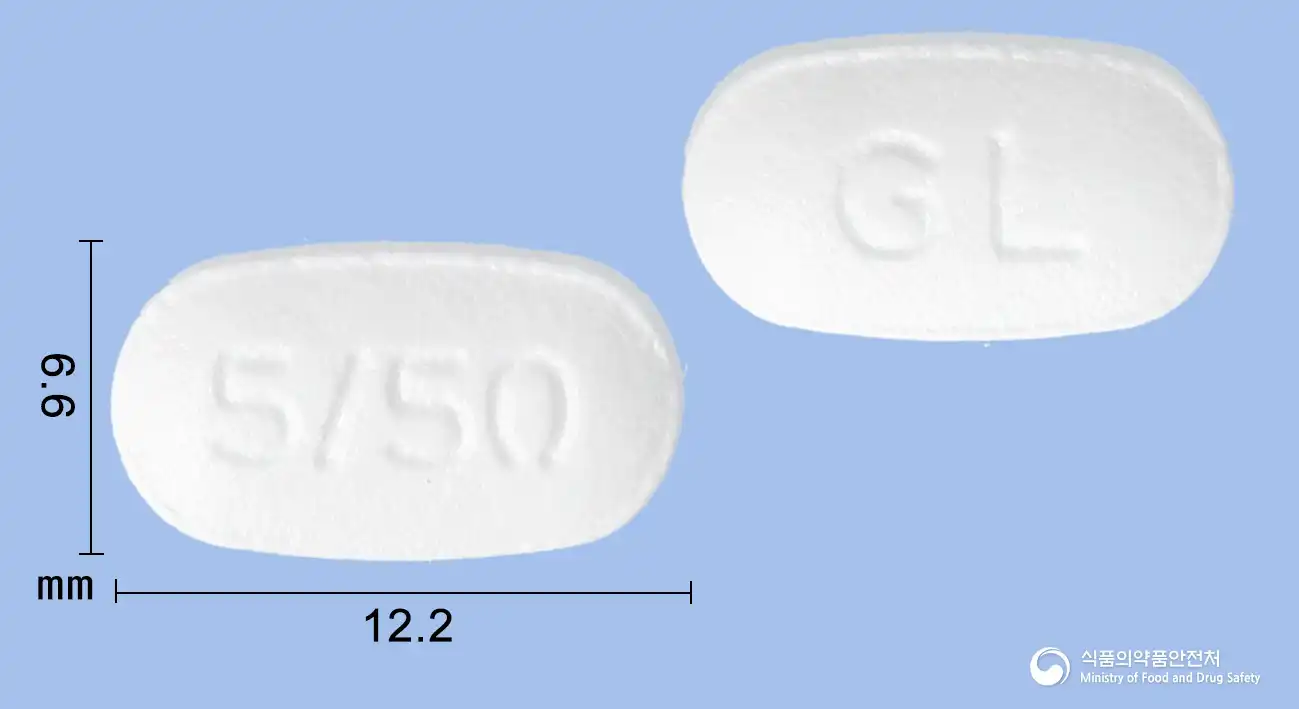 Combination
Amlodipine Besylate 6.944mg · Losartan Potassium 50mg
Tablet · Prescription medication · Combination
GL Pharma Co., Ltd.
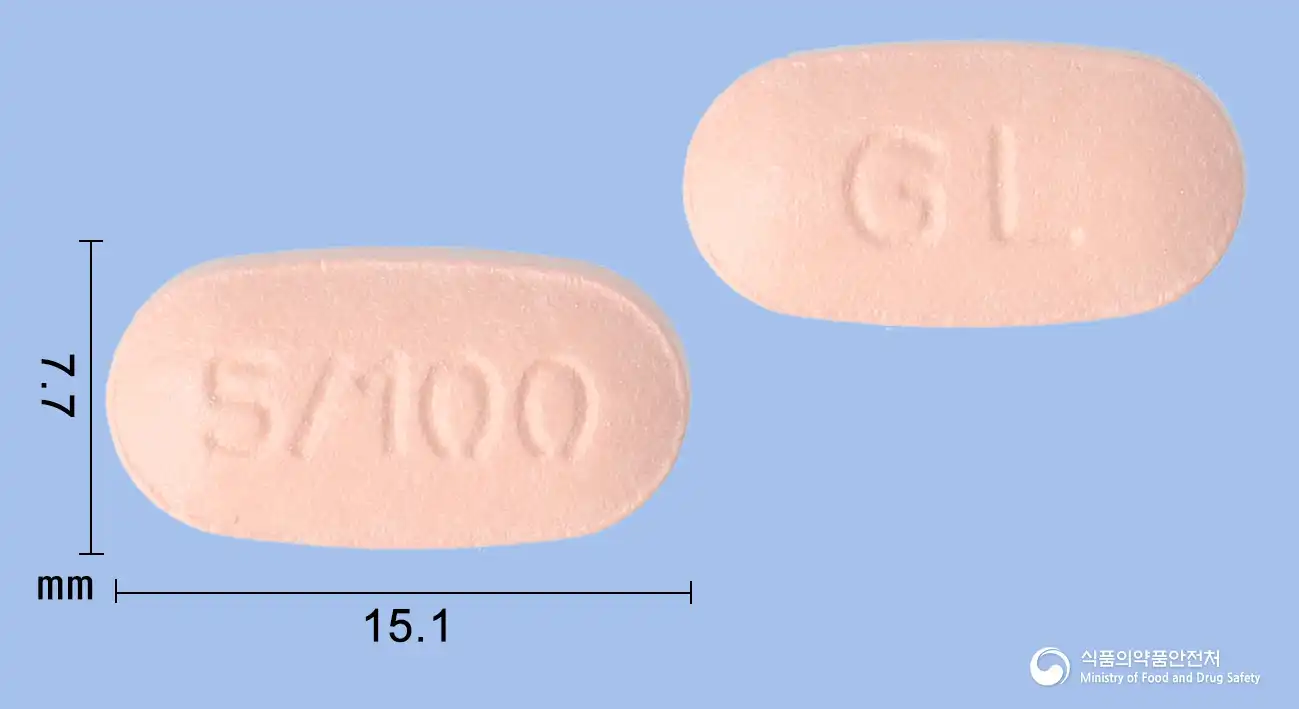 Combination
Amlodipine Besylate 6.944mg · Losartan Potassium 100mg
Tablet · Prescription medication · Combination
GL Pharma Co., Ltd.
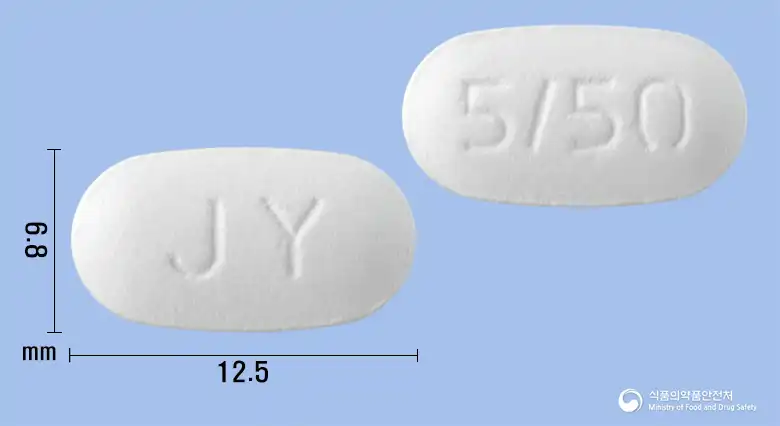 Combination
Amlodipine Besylate 6.944mg · Losartan Potassium 50mg
Tablet · Prescription medication · Combination
Jinyang Pharmaceutical Co., Ltd.
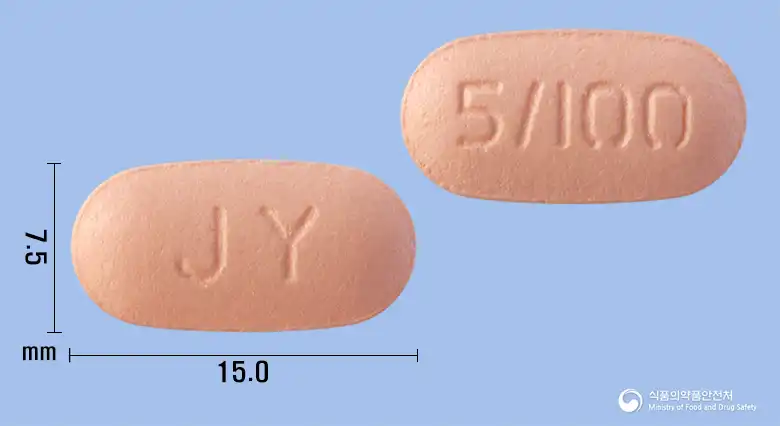 Combination
Amlodipine Besylate 6.944mg · Losartan Potassium 100mg
Tablet · Prescription medication · Combination
Jinyang Pharmaceutical Co., Ltd.
Even with the same ingredient, the dose and directions can differ by strength and dosage form. Talk to a doctor or pharmacist before switching from a medication you are already taking.
No questions yet.
For anything that needs medical judgment, consult a doctor or pharmacist.
This drug information is based on data provided by the Korea Ministry of Food and Drug Safety.
Consult a doctor or pharmacist for accurate dosage, administration, and usage instructions.