
 한국어
 English
 日本語
 中文(简体)
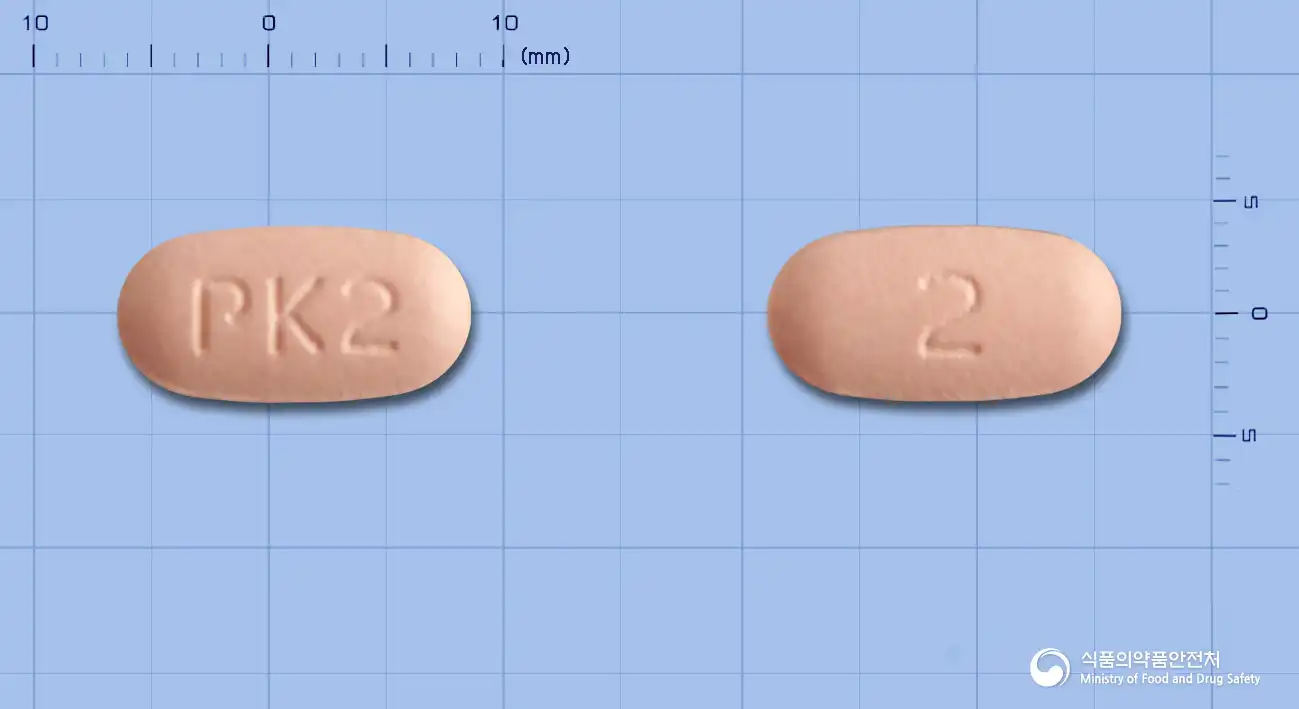 Viewing nowCombination
Rosadipine Tablet 5/100 Milligrams (Amlodipine, Losartan Potassium)
Amlodipine Besylate 6.944mg · Losartan Potassium 100mg
Tablet · Prescription medication · Combination
HanKook Pavis Pharmaceutical Co., Ltd.
MFDS item code 201502662 · Approved 2015.04.30
Essential hypertension; initial treatment of stage 2 hypertension
This medication is used for patients with essential hypertension who do not achieve adequate blood pressure control with monotherapy of amlodipine or losartan. It is also used as an initial therapy for patients with stage 2 hypertension when combination therapy is needed to reach the target blood pressure. It helps to effectively lower blood pressure and reduce the risk of cardiovascular complications.
The recommended dose of this drug is 1 tablet once daily, taken with water, with or without food. It is recommended that it be taken at the same time each day, if possible (e.g., in the morning). Before administering this drug, it is recommended that the dose be adjusted using the individual components (amlodipine or losartan). However, if blood pressure is not controlled with monotherapy using the individual components, switching directly to this drug may be considered as follows. - 5/50 mg: For patients whose blood pressure is not adequately controlled with amlodipine 5 mg or losartan 50 mg monotherapy. - 5/100 mg: For patients whose blood pressure is not adequately controlled with amlodipine 5 mg or losartan 100 mg monotherapy. Patients taking amlodipine and losartan concomitantly may switch to this drug (a combination product containing the same strengths of each active ingredient) for convenience. Before administering this drug as initial therapy to patients with stage 2 hypertension, the decision to administer it should take into consideration baseline blood pressure, target blood pressure, and the expected likelihood of achieving the treatment target with the combination compared with monotherapy. The usual dose is 5/50 mg once daily. If blood pressure is not adequately controlled after 2 weeks of treatment, the dose may be increased to 10/50 mg once daily. ○ Patients with renal impairment: No dose adjustment is necessary in patients with mild renal impairment (e.g., creatinine clearance 20∼50 mL/min); however, use of this drug is not recommended in patients with moderate to severe renal impairment (e.g., creatinine clearance < 20 mL/min) or in patients undergoing dialysis. ○ Patients with intravascular volume depletion: Use of this drug is not recommended in a small number of patients with intravascular volume depletion (e.g., patients receiving treatment with high-dose diuretics). (See Section 1, Warnings, in Precautions for Use.) ○ Patients with hepatic impairment: Use of this drug is not recommended in patients with a history of hepatic impairment who require a reduced dose of losartan (e.g., 25 mg once daily). ○ Elderly patients: For elderly patients 75 years of age or older, an initial losartan dose of 25 mg once daily is recommended; therefore, use of this drug as initial therapy is not recommended.
○ Pediatrics: The safety and efficacy of this drug have not been established in pediatric patients 18 years of age or younger; therefore, its use is not recommended.
This medication may cause serious harm to the fetus if taken during pregnancy, especially in the second and third trimesters, so it should be discontinued immediately upon confirmation of pregnancy. Caution is required as there is a risk of decreased kidney function, hypotension, skull formation abnormalities, etc., when pregnant women take this medication. Patients with reduced intravascular blood volume may experience hypotension upon initial administration, so it should be administered after stabilizing the condition. It should not be taken by patients with allergies to the ingredients in this medication or by those with severe liver dysfunction, severe aortic stenosis, or in a state of shock. Caution is also advised when administering to patients with low blood volume or severely reduced kidney function, patients requiring strict salt restrictions, and patients with hyperkalemia. Dizziness or headache may occur during treatment, so caution is advised when driving or operating hazardous machinery. It is recommended not to use this medication while breastfeeding, and its safety and effectiveness have not been established in pediatric patients under 18 years of age. If taken with other antihypertensive drugs, the blood pressure-lowering effect may be enhanced, so consult with a healthcare professional before use. In case of overdose, severe hypotension and tachycardia may occur, and symptoms should be treated immediately at a medical institution. This medication should be kept out of reach of children, and care should be taken not to transfer it to another container.
Hypotension, neonatal skull formation disorder, anuria, reversible renal failure, irreversible renal failure, oligohydramnios, fetal limb reduction, craniofacial malformation, pulmonary hypoplasia, premature, intrauterine growth restriction, patent ductus arteriosus, symptoms of hypotension, dizziness, headache, drowsiness, cerebral infarction, asthenia, chest discomfort, chest pain, early satiety, peripheral edema, pitting edema, abdominal discomfort, dyspepsia, nausea, gastroesophageal reflux, constipation, pruritus, urticaria, palpitations, flushing, orthostatic hypotension, facial flushing, dyspnea, cough, dizziness (vertigo), conjunctival injection, polyuria, fatigue, edema, lightheadedness, abdominal pain, nausea, weakness, lethargy, pain, weight gain, weight loss, hypotension, vasculitis, tension increase, sensory reduction, sensory abnormalities, peripheral neuropathy, syncope, taste disturbances, tremors, erectile dysfunction, gynecomastia, changes in bowel habits, dry mouth, gastritis, gingival hypertrophy, pancreatitis, vomiting, hyperglycemia, leukopenia, thrombocytopenia, insomnia, mood changes, cough, rhinitis, hair loss, increased sweating, purpura, skin discoloration, toxic epidermal necrolysis, tinnitus, visual disturbances, increased frequency of urination, urinary disorders, nocturia, hepatitis, jaundice, elevated liver enzymes, pruritus, rash, angioedema, erythema multiforme, myocardial infarction, arrhythmia, chest pain, hypotension, sinoatrial block, atrioventricular block, abdominal discomfort, substernal pain, diarrhea, loose stools, skin erythema, maculopapular rash, heaviness, warmth, impaired glucose tolerance, weakness, muscle cramps, low back pain, muscle spasms, myalgia, angioedema, vasculitis, anaphylactic reaction, liver dysfunction, intestinal vascular edema, lethargy, anemia, thrombocytopenia, rhabdomyolysis, taste disturbances, dry cough, erythematous skin disease, hyperkalemia, hyponatremia, elevated ALT, elevated serum creatinine, syncope, loss of consciousness, acute hepatitis, fulminant hepatitis, anaphylactic-type syndrome, angioedema (laryngeal/pharyngeal swelling causing airway obstruction, swelling of the face/lips/pharynx/tongue), angioedema (swelling of the lips and eyelids and facial rash), palm skin peeling phenomenon, hemolysis, muscle cramps, low back pain, leg pain, congestion, upper respiratory infection, sinusitis, diarrhea, sinus disorder, pharyngitis, myalgia, insomnia, edema, abdominal pain, facial edema, fever, orthostatic effects, syncope, angina, second-degree atrioventricular block, cerebrovascular accident, myocardial infarction, atrial fibrillation, bradycardia, tachycardia, ventricular tachycardia, ventricular fibrillation, loss of appetite, toothache, flatulence, gastritis, sweating, urticaria, blurred vision, eye burning, joint pain, conjunctivitis, dysgeusia, tinnitus, vision deterioration, urethral infection, hypotension, tachycardia, excessive peripheral vasodilation, reflex tachycardia, systemic hypotension, shock, bradycardia, symptomatic hypotension
Not everyone experiences these, and they can vary from person to person.
This medication should be stored in a tightly closed container to prevent exposure to air or moisture. It is important to maintain a storage temperature between 1 degree and 30 degrees.
Light pink film-coated tablet in a rectangular shape
30 tablets per bottle
Even with the same ingredient, strength, dosage form and how it is taken can differ.
Viewing nowCombinationAmlodipine Besylate 6.944mg · Losartan Potassium 100mg
Tablet · Prescription medication · Combination
HanKook Pavis Pharmaceutical Co., Ltd.
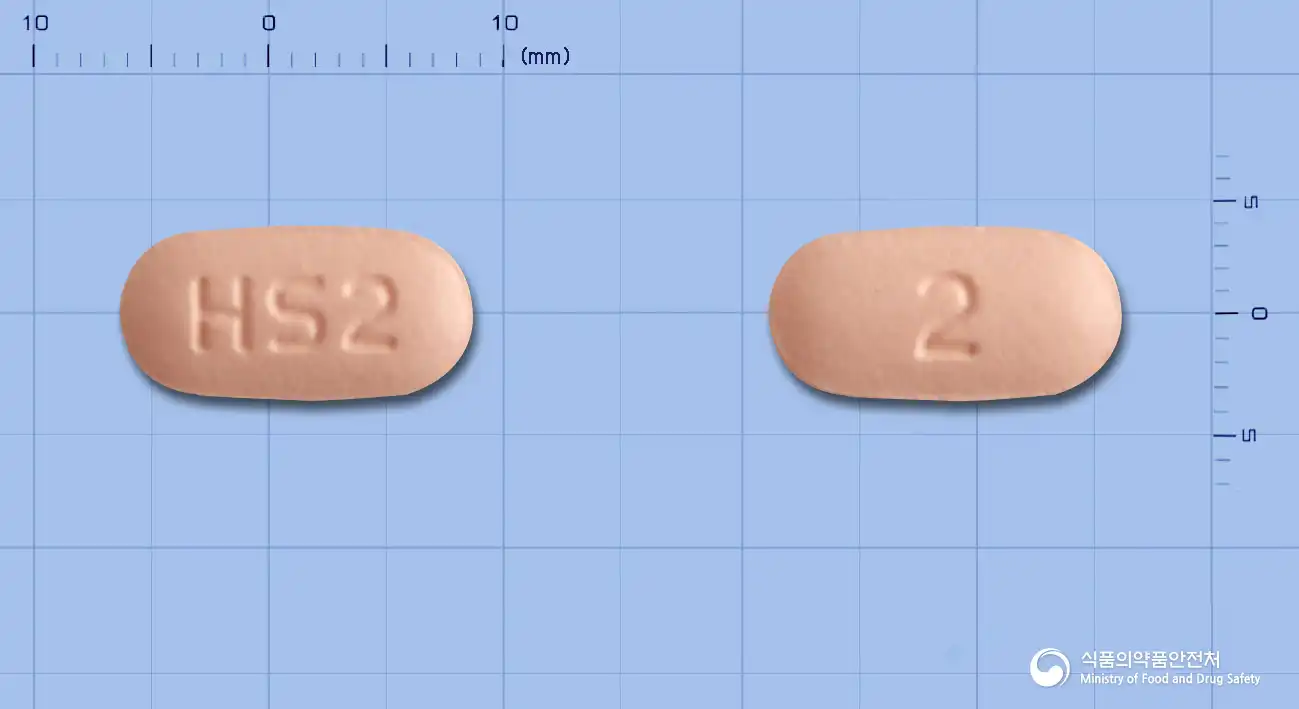 Combination
Amlodipine Besylate 6.944mg · Losartan Potassium 100mg
Tablet · Prescription medication · Combination
Huwons Co., Ltd.
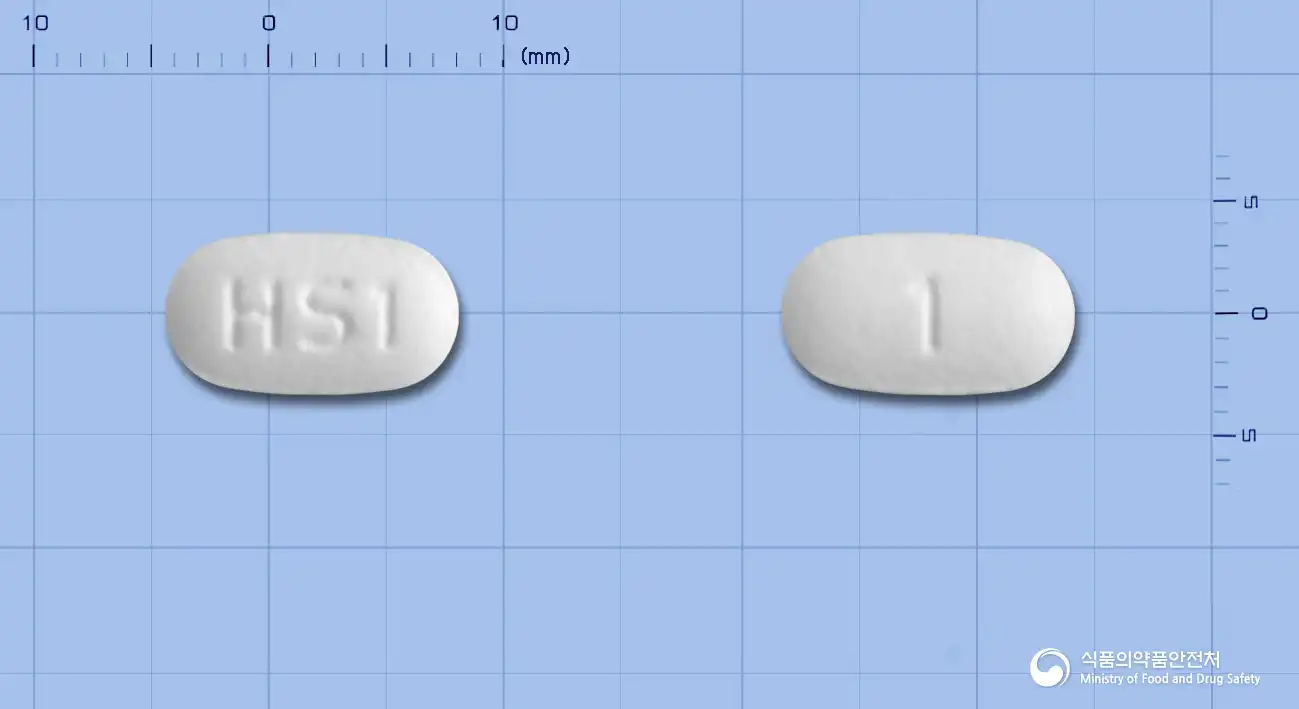 Combination
Amlodipine Besylate 6.944mg · Losartan Potassium 50mg
Tablet · Prescription medication · Combination
Huons Co., Ltd.
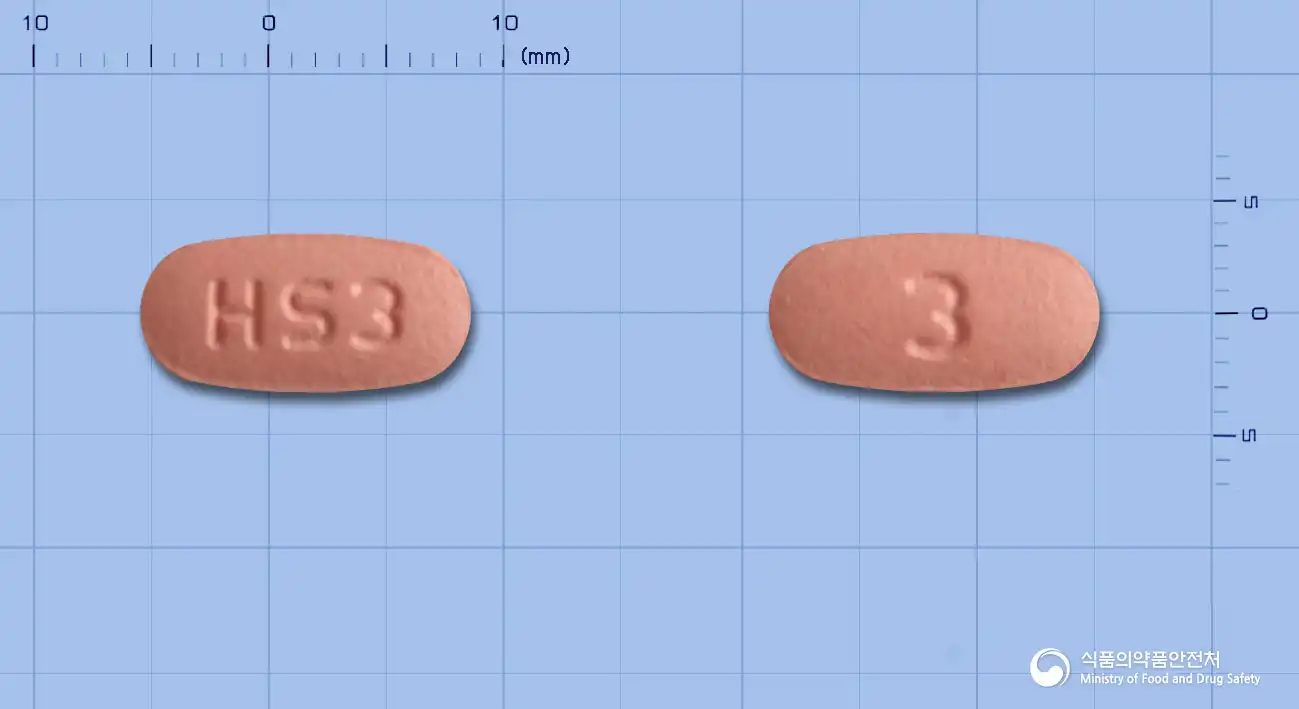 Combination
Amlodipine Besylate 13.888mg · Losartan Potassium 50mg
Tablet · Prescription medication · Combination
Huons Co., Ltd.
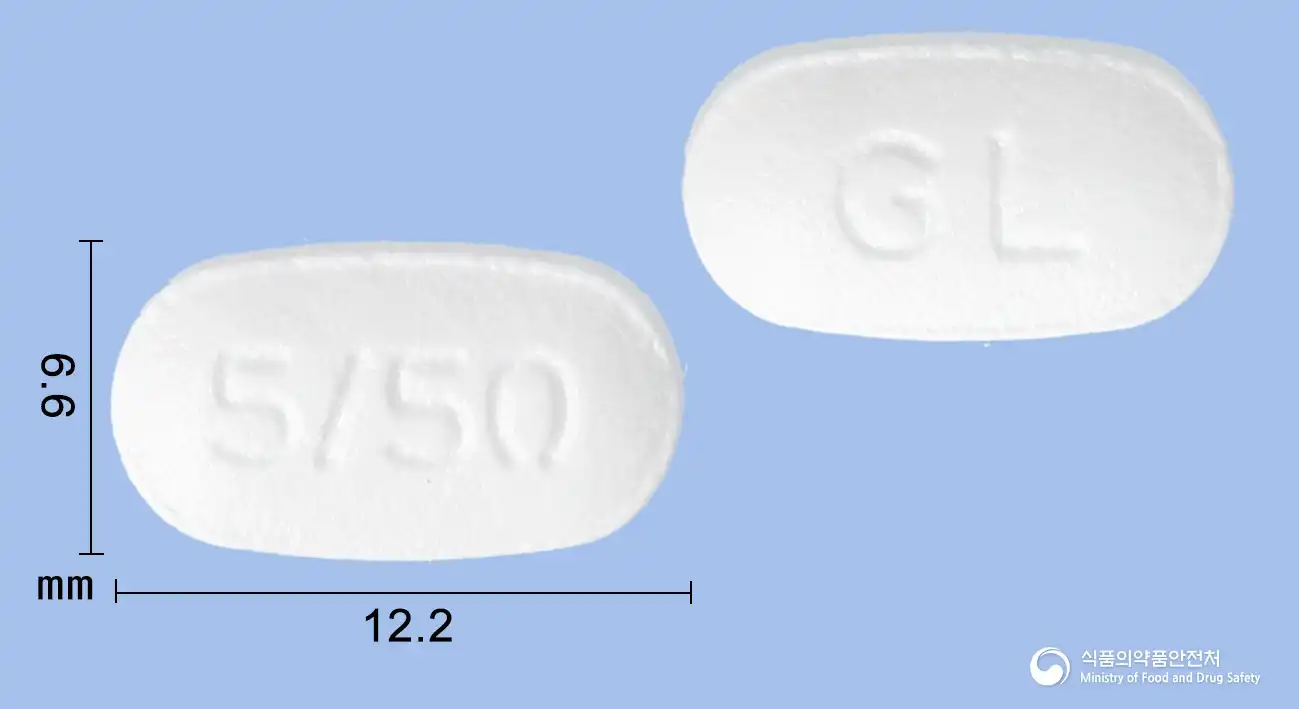 Combination
Amlodipine Besylate 6.944mg · Losartan Potassium 50mg
Tablet · Prescription medication · Combination
GL Pharma Co., Ltd.
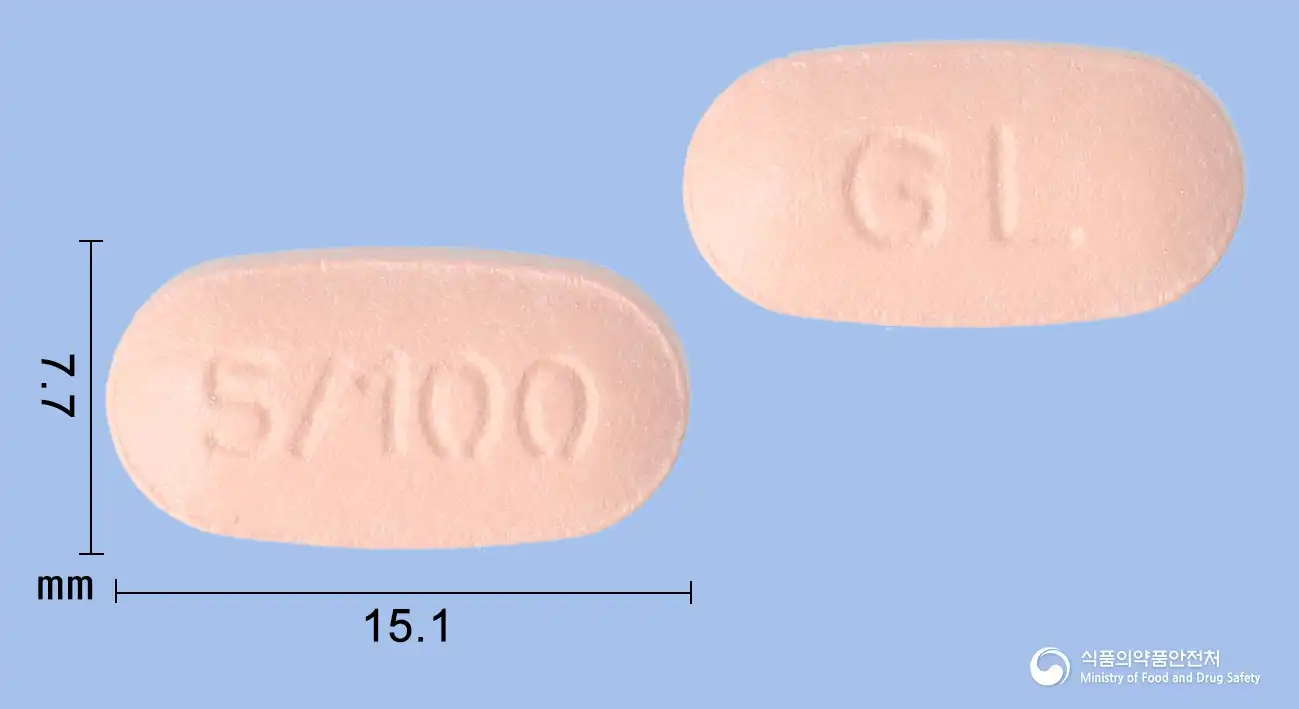 Combination
Amlodipine Besylate 6.944mg · Losartan Potassium 100mg
Tablet · Prescription medication · Combination
GL Pharma Co., Ltd.
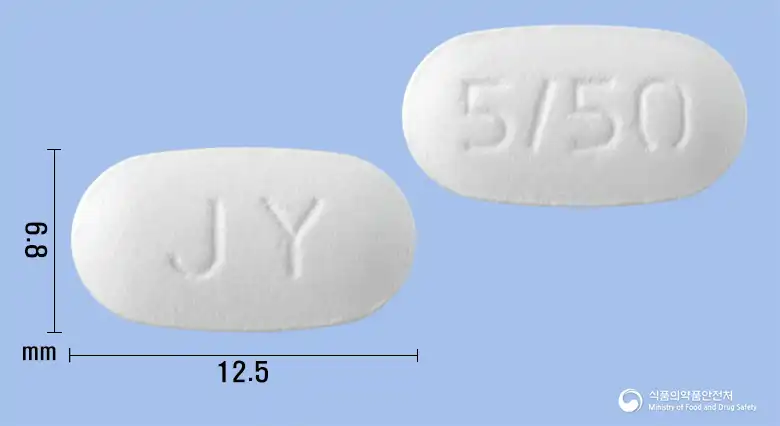 Combination
Amlodipine Besylate 6.944mg · Losartan Potassium 50mg
Tablet · Prescription medication · Combination
Jinyang Pharmaceutical Co., Ltd.
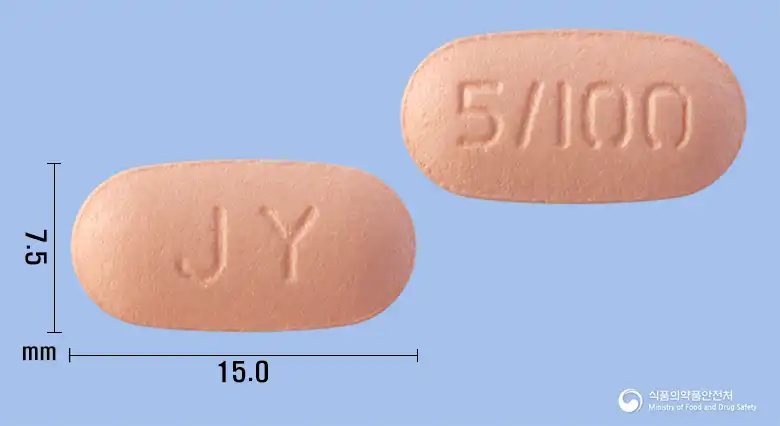 Combination
Amlodipine Besylate 6.944mg · Losartan Potassium 100mg
Tablet · Prescription medication · Combination
Jinyang Pharmaceutical Co., Ltd.
Even with the same ingredient, the dose and directions can differ by strength and dosage form. Talk to a doctor or pharmacist before switching from a medication you are already taking.
No questions yet.
For anything that needs medical judgment, consult a doctor or pharmacist.
This drug information is based on data provided by the Korea Ministry of Food and Drug Safety.
Consult a doctor or pharmacist for accurate dosage, administration, and usage instructions.