
 한국어
 English
 日本語
 中文(简体)
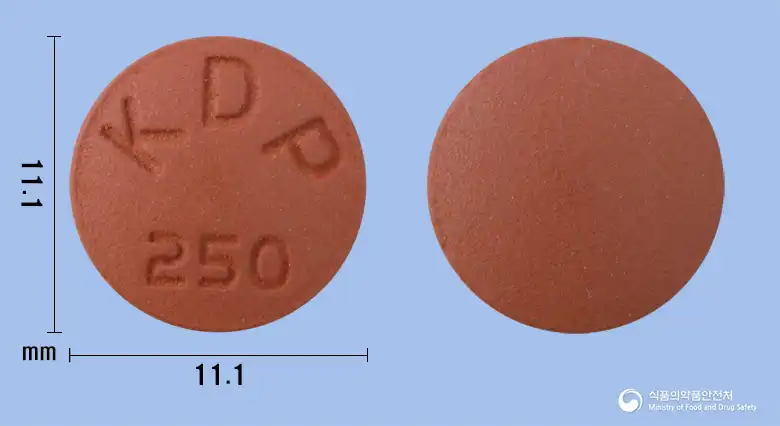 Viewing now
Lephisajung (gefitinib)
Gefitinib 250mg
Tablet · Prescription medication
Kwang Dong Pharmaceutical Co., Ltd.
MFDS item code 201502573 · Approved 2015.04.29 · Insurance code 641805910
Treatment of advanced or metastatic non-small cell lung cancer with activating EGFR TK mutations
This medication is used for the treatment of patients with locally advanced or metastatic non-small cell lung cancer with EGFR TK active mutations.
Adults: Take 1 tablet orally once daily. This medicine may be taken with or without food at approximately the same time each day. Swallow this medicine whole with water, or, if you are unable to swallow the tablet whole, it may be dispersed in water (non-carbonated water) before administration. Do not use any other beverage. Do not crush the tablet. Place it in half a glass of drinking water and stir occasionally until the tablet disperses (up to 20 minutes), then drink immediately once dispersion is complete. Rinse the glass with half a glass of water and drink. The dispersion may also be administered through a nasogastric tube or gastrostomy tube.
This medication is used in the treatment of lung cancer, and before administration, patients should be adequately informed about the effects and side effects of this medication, particularly about early abnormal symptoms such as dyspnea. Interstitial lung disease, a serious lung condition, may occur in some patients taking this medication and can be fatal, so respiratory symptoms should be carefully monitored. If abnormal symptoms occur, administration should be immediately discontinued, and professional examination should be sought, with appropriate treatment required upon confirmation. This medication should not be administered or should be used with caution in patients with impaired liver or kidney functions, those with specific genetic disorders, and nursing mothers. Various side effects such as diarrhea, skin rashes, and vomiting may commonly occur, and if symptoms arise, consultation with medical personnel is necessary. This medication may interact with other drugs, so if other medications are being taken, be sure to inform medical personnel. Women who are pregnant or may become pregnant should consult a doctor due to the risks associated with this medication, and it should not be used during breastfeeding. When taking the medication, it is to be taken after removing from the packaging and only the tablet should be ingested, storing away from children's reach. If a dose is missed and it is within 12 hours, do not take the missed dose but continue with the next scheduled dose, avoiding double dosing. This medication should be administered by an experienced physician in a specialized medical institution, and it is important to continuously monitor the patient's health status during administration.
Shortness of breath, interstitial lung disease, cough, fever, diarrhea, skin reactions (rash, acne, dry skin, pruritus), loss of appetite, conjunctivitis, blepharitis, dry eye, keratitis, corneal erosion, epistaxis, hematuria, vomiting, nausea, stomatitis, dehydration, dry mouth, pancreatitis, gastrointestinal perforation, increased ALT, increased AST, increased total bilirubin, hepatitis, pustular rash, nail abnormalities, hair loss, angioedema, urticaria, palmar-plantar erythrodysesthesia syndrome, blisters, toxic epidermal necrolysis, Stevens-Johnson syndrome, erythema multiforme, cutaneous vasculitis, increased serum creatinine, proteinuria, cystitis, hemorrhagic cystitis, weakness, fever, anemia, neutropenia, shortness of breath, pneumonia, increased sputum, pharyngitis, upper respiratory infection, nosebleed, pleural effusion, pain, debility, fatigue, syncope, influenza-like illness, paresthesia, headache, dizziness, neuropathy, seizures, cognitive dysfunction, low back pain, arthralgia, hemoptysis, gum bleeding, petechiae, cerebral infarction, peripheral edema, generalized edema, insomnia, pyuria, chest pain, herpes zoster, visual disturbances, tinnitus
Not everyone experiences these, and they can vary from person to person.
This medication may be sensitive to air or moisture, so it must be stored in a tightly sealed container. It is advisable to maintain the storage temperature at room temperature between 1 degree and 30 degrees. Proper storage will help maintain its effectiveness and ensure safe use.
brown round film-coated tablets
30 tablets (10 tablets/PTP*3)
Even with the same ingredient, strength, dosage form and how it is taken can differ.
Viewing nowGefitinib 250mg
Tablet · Prescription medication
Kwang Dong Pharmaceutical Co., Ltd.
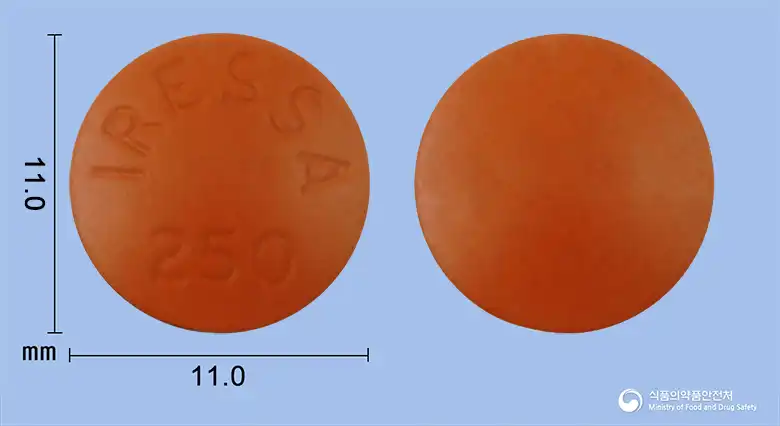
Gefitinib 250mg
Tablet · Prescription medication
AstraZeneca Korea Co., Ltd.
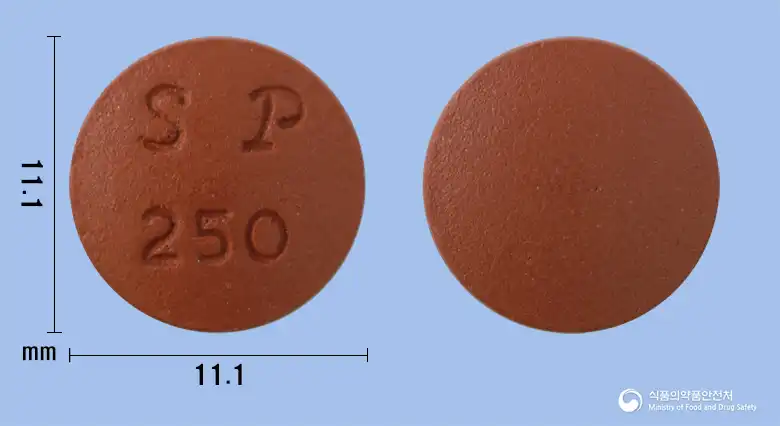
Gefitinib 250mg
Tablet · Prescription medication
Shinpoong Pharmaceutical Co., Ltd.
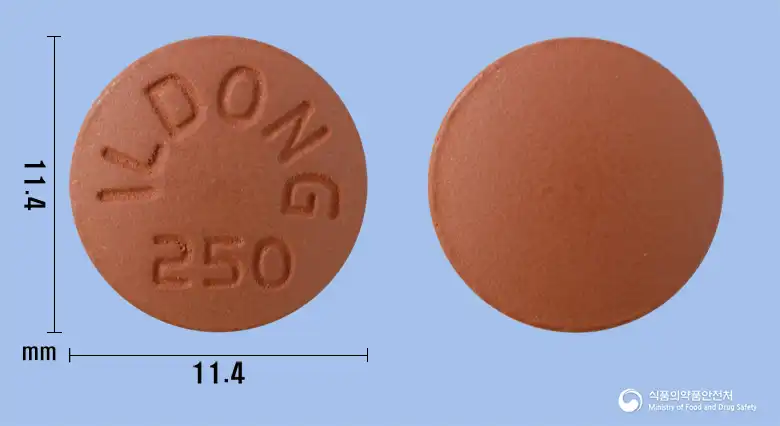
Gefitinib 250mg
Tablet · Prescription medication
Ildong Pharmaceutical Co., Ltd.
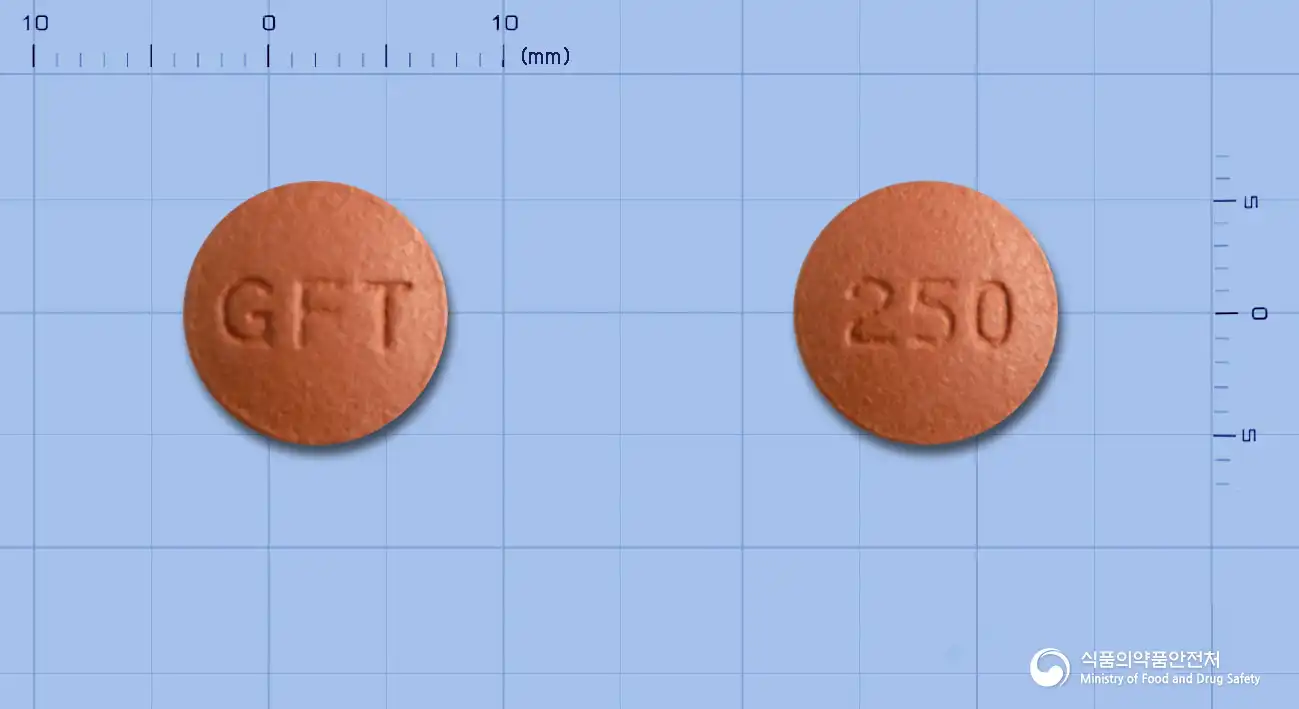
Gefitinib 250mg
Tablet · Prescription medication
Hanmi Pharmaceutical Co., Ltd.
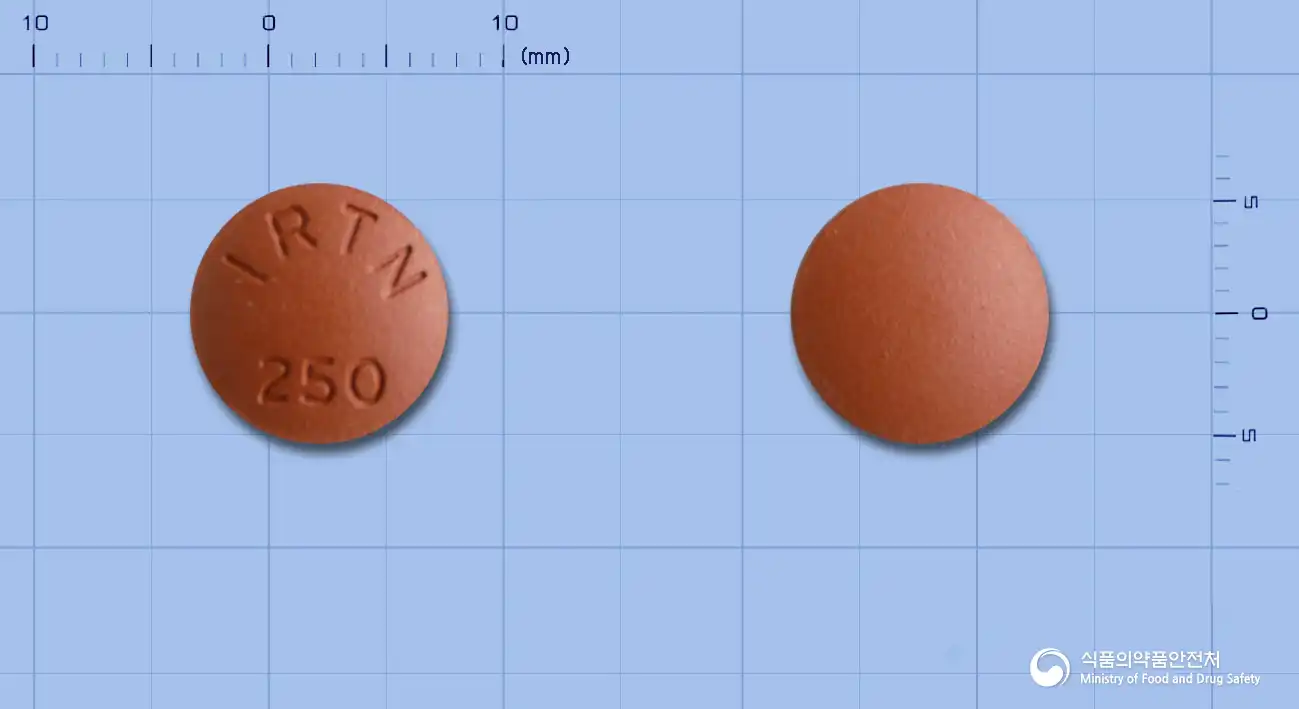
Gefitinib 250mg
Tablet · Prescription medication
Jong Kun Dang Co., Ltd.
Even with the same ingredient, the dose and directions can differ by strength and dosage form. Talk to a doctor or pharmacist before switching from a medication you are already taking.
No questions yet.
For anything that needs medical judgment, consult a doctor or pharmacist.
This drug information is based on data provided by the Korea Ministry of Food and Drug Safety.
Consult a doctor or pharmacist for accurate dosage, administration, and usage instructions.